
Concussions can occur anytime, anyplace. They can range from a mild headache and nausea to being severely knocked unconscious for minutes straight.
Some signs of a concussion include headaches, feeling pressure in your head, dizziness, disorientation, nausea, etc. If you recently suffered a sudden jolt to your head and experience these symptoms, seek medical assistance immediately.
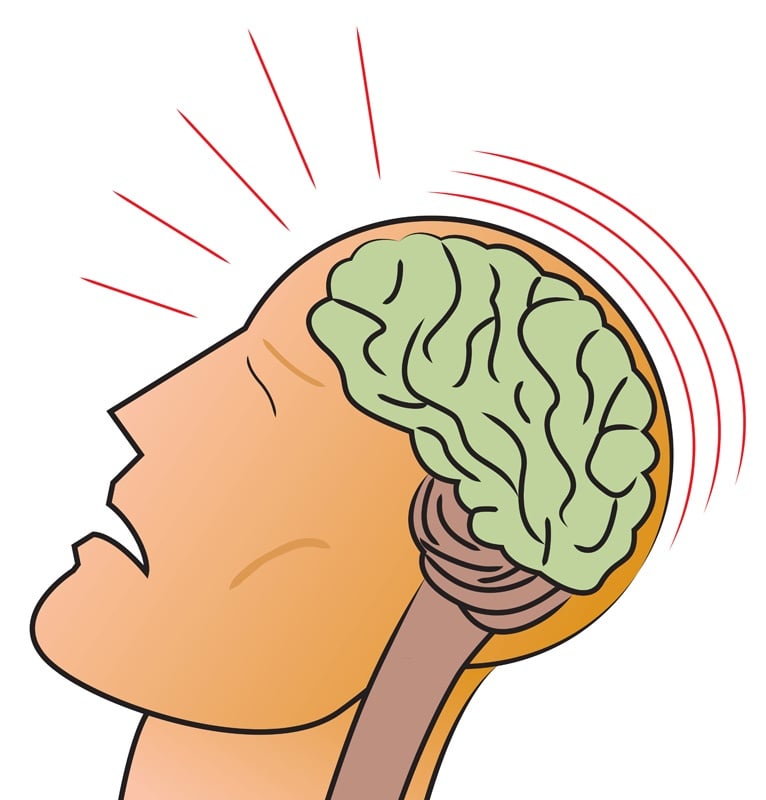
Concussions were first separately recognized in the medical field when, in the 900s, Persian physician Abu Bakr al-Razi, made a distinction between concussions and severe traumatic brain injuries. Three hundred years later in the 13th century, Lanfrancus, also known as Lanfranc of Milan, an Italian surgeon, was the first to define this injury as a brain “commotion.” In the 16th century, French physician Ambroise Paré coined the term “commotio cerebri,” which, in Latin, directly translates to “shaking of the brain”. As time passed and medical technology and knowledge advanced, concussions were more studied.
To this day, concussions are still an extremely dominant type of injury in many different medical fields, especially sports medicine. Every year, around 3.8 million concussions occur solely from sports-related injuries. Additionally, an estimated 5-10% of all athletes experience a concussion in any given season of a sport, most of which go undiagnosed without treatment. The most concussion-prone sports include rugby, ice hockey, American football, lacrosse, and soccer.
Books about concussions are available to check out from the Mission Viejo Library.
 Mission Viejo Library Teen Voice