
“Horrible”
“Superbly Contrived”
“Cancel My Subscription”
These were all reactions to Shirley Jackson’s infamous short story, The Lottery. Originally published in The New Yorker magazine in 1948, this story has been haunting minds for generations. When my mom was around my age, she read The Lottery in her 8th grade English class. According to her, she found it eye opening, “I was amazed at how much suspense and curiosity a writer could evoke in just a handful of pages.” After she explained to me more about the story and author’s influence, I was interested in giving it a read. I checked out a book containing an anthology of Shirley Jackson’s short stories from the library.
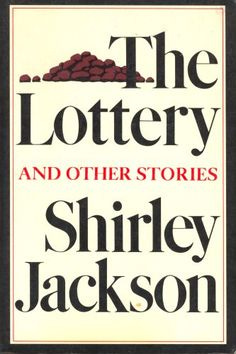
Flipping to the table of contents, I located The Lottery and began to read. The Lottery is a story about a yearly lottery event held in a rural American town. The purpose of the lottery is to ensure a good harvest, but how the lottery achieves this is unclear until the end of the story. At its heart, the Lottery is a cautionary tale about the dangers of blindly following tradition and adopting a mob mentality.
The title alone is foreboding, especially when you have heard people’s previous reactions to the story. This short story is so influential that even Stephen King was inspired by it. He states that, “I read it in the study hall, back at good old Lisbon High School. My first reaction: Shock. My second reaction: How did she do that?” Later, he adapted The Lottery into his short story, Rainy Season.
As I closed the book, I found that it was very impactful for a short story. The writing invoked a lot of suspense, and I would recommend it to anyone looking for a quick but thought provoking read. If you are interested in reading it for yourself, (which I highly suggest as it only takes 5 minutes) you can find a free digital/audio copy here at: The New Yorker.
 Mission Viejo Library Teen Voice