
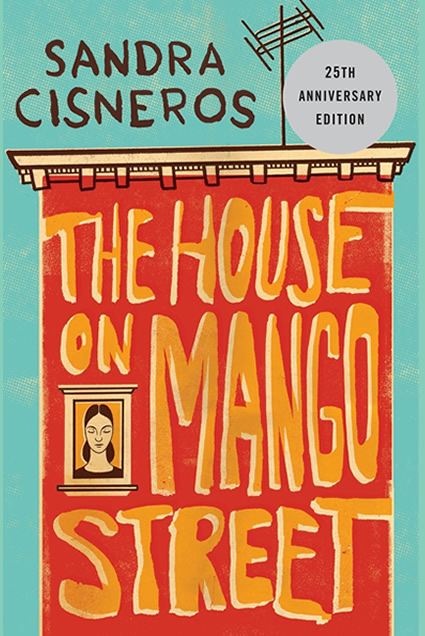
Composed of multiple vignettes, The House on Mango Street features a young Mexican American girl named Esperanza who struggles with poverty, maintaining her culture, and fighting against the traditional roles of women in this society. As she grows up, Esperanza begins to truly come to terms with her identity, creating a sense of belonging, as she realizes that Mango Street will always be a part of her and her life.
The House on Mango Street is a beautiful story that travels through different moments in Esperanza’s life, using poetic and inspirational phrases to illustrate Esperanza’s struggles, feelings, and dreams of a future where she is truly free. With vivid imagery, descriptions, and symbols, Sandra Cisneros truly encapsulates the struggles of women of color and those struck with poverty, giving a voice to the stories of people who are often overlooked.
As Esperanza struggles to maintain her freedom against a harsh, traditional society, Sandra Cisneros also highlights the consequences and cruel reality that many women face in this society, becoming trapped in a constant cycle of abuse from their fathers or husbands. While also showcasing how writing has helped Esperanza tell stories that have never been heard before as well as escape from the circumstances forced upon her, Sandra Cisneros presents the lives of various women in this society and the confinements they find themselves in.
Overall, I would definitely recommend reading The House on Mango Street if you’re interested in learning more about Esperanza’s life and struggles or analyzing Sandra Cisneros’s poetic and symbolic writing style within the book.
The House on Mango Street by Sandra Cisneros is available to check out from the Mission Viejo Library. It is also available to download for free from Libby.
 Mission Viejo Library Teen Voice
Thanks for the review. I might start the book soon.
I really enjoyed this novel when I read it a while ago! Thanks for the review!