Favorite Fictional Locations

There are many factors that make a book or series lovable, and among these is location. The intricately described and developed locations in books are one of my favorite parts about reading. They make the story vivid, and they strengthen the reality of the world. Here are a few of my favorite fictional locations:

 Hogwarts (Harry Potter by J.K. Rowling)

It’s school for magic and a castle—what more could a fantasy lover ask for? Over the course of seven books, Hogwarts almost becomes a fictional home for readers just as it becomes a home for Harry. Though it has its share of dangers (such as Blast-Ended Skrewts and potentially evil Defense Against the Dark Arts teachers), Hogwarts is an exciting place with cozy common rooms, an incredible library, and a friendly keeper of the keys.

The Burrow (Harry Potter by J.K. Rowling)

The Burrow is Harry’s escape from the Dursley’s, full of Quidditch practice, Mrs. Weasley’s cooking, and the friendliest family. It’s hard not to feel content when I read about the Burrow; it’s such a peaceful place and it’s so comforting to Harry. The house is cozy and delightfully crooked, and even the ghoul in the attic is pleasant (most of the time). 

Isla de los Sueños and Caraval’s Stage (Caraval by Stephanie Garber)

Isla de los Sueños’ description is so intriguing in Caraval: a magic-filled island with colorful shops selling the most unusual items, and with currency other than coins. Caraval’s stage is also a setting I enjoy reading about; there are so many possibilities on the stage: stores shaped like hats, underground networks, and carousels of roses. The unique locations in Caraval allow me to be swept away by the magical performance …though, of course, not too far away.

 Arundel (The Penderwicks by Jeanne Birdsall) 

Although Arundel is not a location in a fantasy story, the yellow cottage, the mansion, and the garden behind the mansion combined with the wonderful characteristics of the four sisters develop a fantastical atmosphere. From walks though a garden in the moonlight to pillow forts in the piano room, Arundel has a large part in the charm of The Penderwicks.

– Mia T.
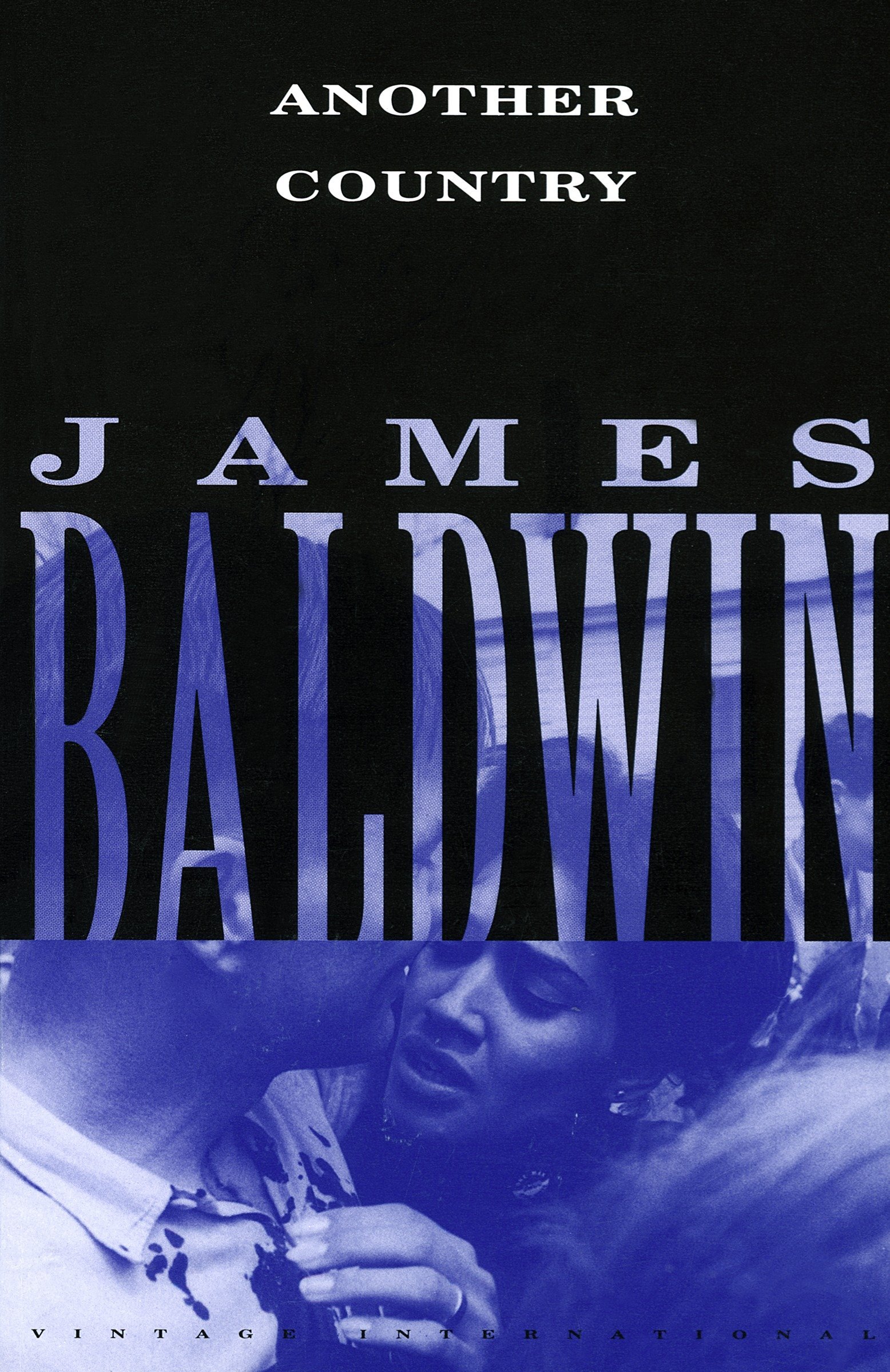
Another Country by James Baldwin

Image result for Another Country (novel)

This novel explores all aspects of maturity, including homosexuality, marriage, death and friendship. Of course at first this book sounded somewhat uncomfortable to me and I really didn’t want to read it. But because over the course of the period I have became the biggest of the James Baldwin I eventually decided to read it at last.

Initially, Rufus Scott is definitely a character that me, or almost everyone can relate with. At one point during our lives, we wonder what really is the point of life or why should we exist on this earth? I get tired of constantly changing faces and hiding my real self as if happiness was only mask on my face, I only peel it off when I go into my room and throw it in the trashcan. Only with Rufus Scott, he goes to the extreme and directly suicides. But what he doesn’t know is that he’s got a family there to support him, or at least half of the family.

Moving on the marriage between Cass and Richard pretty much presents a typical style of American life. One person has an affair, and the marriage breaks. Both people are not excellent parents but they still love their kids in my opinion. This also reflects how parents in real life tend to neglect the real needs of their kids due to their own stress or jobs.

-Coreen C.

Another Country by James Baldwin is available for checkout from the Mission Viejo Library


The Namesake by Jhumpa Lahiri

The novel begins off strong with a major accident in the country of India involving Ashoke Ganguli, one of the main characters, on October 20, 1961 between Calcutta and Jamshedpur. He survives his accident and fulfills his dream of becoming a professor while moving to Cambridge, Massachusetts with his wife, Ashima, six years later. As soon as they moved into their new home in the United States, Gogol Ganguli is born into the family.

Being an immigrant family that lacked knowledge of the entirety of American culture led the Ganguli family through their ups and downs as they settled down. One of the first problems faced within the first few chapters of the book is centered around Gogol. His parents had taught him that in Bengali culture, there were “good names”, which were to be used in public, and “pet names”, which were to be used by family and closed loved ones.

When Gogol first enters kindergarten, around the time of the birth of his little sister, he is confused when his parents ask the school principal to call him by Nikhil instead of his pet name, Gogol, that of which he was familiar with because his parents called him that. He refused to respond to Nikhil, so the young boy grew up to be known as Gogol, which would later turn on him. He was too young to understand that his parents were concerned that his name wouldn’t fit the American culture because it could not be turned into a nickname, like how Nikhil could’ve been turned into Nick.

As time passes, Gogol ages and as he ages, there is an evident sign of major influence of American culture upon him and his younger sister. He replies in English whilst his parents speak to him in Bengali, he lacks interest in Bengali music and finds himself becoming a hard-core fan of the Beatles. He slowly loses the Bengali culture that his parents migrated to America with and grows to be more of an independent individual instead of growing up group-oriented, like his parents.

Jhumpa Lahiri does a beautiful job with not only allowing the story to come alive in the reader’s mind, but also painting a detailed picture and giving the reader all of the character’s opinions based of actions and dialogue, feelings and thoughts. The summary above explains only a small, but would grow to be significant, problem in the Ganguli family, especially Gogol. As the novel continues, every detail given about any character is a development and is almost treated like a puzzle piece to a greater picture of how immigrant families struggle in a foreign country while trying to maintain their culture as they practiced American culture.

The Namesake is a cultural and emotional themed book that pulls the reader in for a need to read more. Personally, I found a connection to this book as I was reading it, allowing myself to easily be able to fully immerse into the story.

-Anyssa P.

The Namesake by Jhumpa Lahiri is available for checkout from the Mission Viejo Library

TV Review: The Umbrella Academy

Earlier this year, Netflix took the streaming world by storm once again with the release of its own original superhero ensemble TV-show, The Umbrella Academy. It follows the Hargreeves family, a family composed of seven adopted children, six of whom are superpowered. When the family learns that the world is going to end in eight days, they are forced to confront their childhood traumas and reunite to save the world. The show itself was released on February 15th, but it took me an appalling two months before I actually got around to watching it. When I finally did, it is safe to say that I was absolutely blown away. I binged the entire show in a single day. 10 hours worth of content, and I was riveted to the screen for every moment of it. So, what exactly makes this show so special?

There is no single answer to such a complex question, but after several re-watches, I can identify several elements which make the show so extraordinary (if you’ve seen the show- you see what I did there). When a viewer begins to watch The Umbrella Academy, the first thing which strikes them is how different this view of the superhero genre is from what we are so used to seeing. Most ensemble TV shows focus on the heroes, well, becoming heroes. The Umbrella Academy adeptly avoids this classic trope by presenting us with characters who are not learning to become heroes, but struggling with the fallout of their heroic childhoods. These so-called superheroes are deeply damaged, and their family dynamic is highly dysfunctional. The members of the Academy are not learning how to become heroes, but learning to cope with the struggles of everyday life after an abusive childhood. Of course, they have to save the world along the way, but the show leaves you with the impression that this plot is not as important as the development of the characters within it. Further, the plot itself is deeply shaped by character development of certain key characters who are coming to terms with their powers, or, their lack thereof.

Aside from subversion of the classic superhero origin story, The Umbrella Academy also sets itself apart from the pack through its depiction of relationships between characters. Each of the Hargreeves siblings has a unique connection with each other sibling, a fact which is never brushed over nor forgotten throughout the series. The tapestry of character connections is artfully written, artfully acted, and artfully produced. In essence, at every level of this show, attention was paid to depicting the interactions between its characters in a nuanced, cohesive way. Each character has highly specific thoughts and emotions towards each other character, many of which are unveiled gradually throughout the season.

There are so many other ways that The Umbrella Academy kept me hooked: the random, whimsical, yet dark nature of the show, multiple plotlines which eventually converge, leaving the viewer simultaneously dumbfounded and awestruck, LGBTQ+ representation, and an absolutely fire soundtrack. It would take an eternity for me to detail everything that I adored about this show.

I would recommend this show to any fans of the superhero genre who want to see a fresh take on the definition of heroism. However, one does not need to be a fan of superheroes to enjoy this show. If a whimsical, dark, time-travel centered mystery sounds at all interesting to you- give it a watch! I promise you will not be disappointed (A quick disclaimer- this show does discuss some mature themes and has several violent action sequences, hence its TV-14 rating, so it is definitely more suited to older audiences).

-Mirabella S.

The Umbrella Academy graphic novel by Gerard Way is available for checkout at the Mission Viejo Library

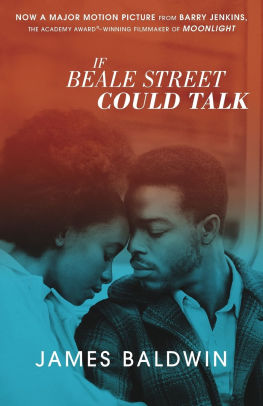
If Beale Street Could Talk by James Baldwin

Image result for if beale street could talk book

This book would probably be my favorite book written so far by James Baldwin. It is a novel that deals a lot with racism and injustice. Personally, in some point of our life we all feel like we’ve been treated unfairly for no reason and I can relate a lot to this perspective. Whether it’s because of my nationality, skin color, gender, and or even physical appearance in general. Fonny doesn’t deserve to be put into jail because he was falsely accused of rape, but in a society where white people always prevails at that time, a black man couldn’t voice his opinion out freely.

Now Tish on the other hand really touches me a lot, I was deeply moved by her strong sense of love and determination. She didn’t leave Fonny because he was put into jail and even when she was pregnant with his child, she didn’t choose to do abortion. Speaking of the truth, I can’t see any glorious future between a black criminal and a teen mom. But Tish doesn’t seem to agree with me, her family doesn’t have a lot of money and yet they were willing to hire all kinds of lawyers just to accomplish an almost impossible mission-battling against the entire world.

I definitely would recommend this book to people that are having depression or feel like they don’t belong to this harsh world. No worries, this novella will make you know that there are people like you, you are not alone.

-Coreen C. 

If Beale Street Could Talk by James Baldwin is available for checkout from the Mission Viejo Library