Tackling Burnout

At the start of the school year, you’re breezing by the school year and performing well in school, but now, as it nears its end,  you find that you have no motivation to do anything, your grades are dropping, you’re getting less sleep, and you’re just done with all of the school stuff.  That’s called burnout, and research from the article Student Burnout Statistics: Causes, Prevalence, and Impact, states that 30% to 40% of students experience burnout. Burnouts are normal and inevitable for students in high school, especially those with rigorous classes, but there are ways to prevent them from happening.

The best way to tackle burnout is to prevent it from happening in the first place. Burnout happens when a person experiences too much stress to the point of emotional, mental, and physical exhaustion. For students, this can be caused by the pile of work or activities that they need to complete. To prevent this, you need to stop procrastinating. Don’t get me wrong–as a student, I procrastinate all the time, but sometimes it has its consequences. When you procrastinate, you push that work aside to do later, and you do this over and over again with different assignments. Next thing you know, it’s the night before all your assignments are due, and you’re racing against the clock to ensure that you maintain your grade in your class. The huge pile of homework that is pushed aside causes burnout because the more work a person has, the more stressed they will be, causing mental exhaustion.

To prevent procrastination, great time management is essential to ensure that all your assignments are completed on time. You can do this by creating planners, schedules, or to-do lists that can aid you in organizing your work into sections so that you can prioritize assignments and complete them. If these don’t work, you can even use psychological tactics to your advantage. You can use the reward system and reward yourself each time you complete a task, reinforcing that behavior of doing the task, or you can do the complete opposite and have consequences for not doing your tasks, such as having your car keys taken away. By doing these, it ensures that you can complete the tasks and prevent them from piling up.

Finding the study technique that works for you the best ensures that you can learn information and understand it, so you can keep up with your classes. If you are just breezing through classes and not putting much effort into learning, taking tests, or doing assignments, it might become too difficult because there’s little to no understanding of the classes. There are multiple study techniques out there, such as the Pomodoro technique, flashcards, and my personal favorite, the Recall Method, which can aid you in understanding the material.

Last but not least, you need to take care of yourself! When a person is burned out, they feel sad and unmotivated to do anything, and this can affect their mental health significantly. You can take care of yourself by making sure you eat, drink, and get a good night’s sleep. Sleep is so essential to the performance of a performance, so make sure to get at least 7-8 hours of sleep.

Kindness Really Does Matter

You’ve probably been preached to many times in your life about the importance of kindness. Maybe even to the point where you don’t really think about it– the generic phrases and lectures just go in one ear and out the other. But I can’t stress enough about how kindness can not only change the lives of others, but just the act of being kind can change your own life as well.  

The Power of Kindness

Kindness has remarkable effects on both the giver and the receiver. Studies have shown that just small acts of kindness can decrease stress levels and boost feelings of happiness. This is because kindness requires you to take the spotlight off of yourself and instead think about others. When you do this, you are able to let go of the thoughts that bring you stress and anxiety, and in addition you gain a sense of fulfillment. When you are kind, you are automatically enriching your own life while also helping someone else feel that way too. 

Kindness Habits 

Whether it’s a compliment, an act of service, or even just simply listening to someone carefully, there are so many ways to incorporate kindness into your daily life. One challenge that can be super helpful is to practice kindness daily. You can set a goal to perform at least one act of kindness each day for a month straight. Keep track of these moments in a journal so you follow the goal accordingly, and then see how you progress over that month! I guarantee that your moods and thoughts will change in the most positive way possible. 

It’s important to remember that you can make a big difference by simply being kind. No matter how small they may be, your actions can transform your own life and the lives of others around you. Kindness is an important step towards living an authentic and valuable life.

Disconnect And Recconect

In 1990, around 96% of Americans had no cell phone, and exactly 30 years later, the number completely flipped. In 2020, it was reported that 98% of Americans had a cell phone or smartphone. With the rapid rise of technology use over the past 30 years, the way people live has changed completely. This was shown in work life, home life, and most of all, social life. Technology allowed people to connect with others from all over the world, whether it be the other side of the world or even the next-door neighbor.

While technology gave more opportunities to connect with others, for some, it completely isolated them. Studies show that in 2023, a report titled “Our Epidemic of Loneliness and Isolation,” discovered that half of the U.S. adults experienced measurable levels of loneliness, and technology had a major impact on that. The focus on technology can induce feelings of loneliness due to the natural human need for social interaction and technology’s impact on these social interactions. Poor social connections can increase risks for major health problems, such as heart disease and stroke.

In order to prevent the decrease of social interaction and isolation, it’s important to strengthen social interactions. This can be done by going to parks, libraries, or other places that encourage social interaction with others. Hanging out with friends free from technology can also improve social interaction. There are many fun activities out there that don’t require technology in order to be fun. Some ideas can range from amusement parks to a little walk in the park, or even going swimming. Numerous community groups promote social interaction through volunteer activities, sports, or mentorship programs. Thus, since technology can hinder the social skills of many people, it’s important to interact with others and the environment without technology to improve social skills.

Change is Your Friend

Whether you like it or not, change is a regular part of life. As a teenager, you’re very likely to experience a variety of changes – hobbies, friendships, new schools, family life, and even your identity. It’s very normal to feel apprehensive or even scared to face change, but instead of fearing it, view it as an opportunity for a new adventure.

Change can easily feel overwhelming, especially if it’s abrupt and without warning. However, change always leads to one essential truth – change leads to growth. This is because change forces you to step outside of your comfort zone, allowing you to evolve into a stronger and more resilient version of yourself.

Tips for Navigating Change

  1. Stay Positive: Focus your mind on the positive aspects of your life and how the change will potentially bring positive outcomes. It’s a known fact that your outlook (positive or negative) can significantly impact your experience with transitions.
  2. Find a Support System: Whether it’s friends or family, surround yourself with people that you love and trust. Sharing your feelings with others can make a transition less stress-inducing. 
  3. Accept That It’s Okay to Feel Lost: If you feel out of place or have many emotions, that’s totally normal. The best thing to do is accept that these feelings are temporary; it will bring peace to your mind.

In all, embracing change is not only an essential mark of growth but an important tool for shaping your identity, each change that you go through presents a unique opportunity to learn and adapt. As you transition into adulthood, keep in mind the main idea that change isn’t something to fear– it is an essential part of life that at first may lead you through struggle, but you will ultimately come out stronger on the other side.

Slow Down

When was the last time you stopped doing what you were doing to take a deep breath? Many people can be as busy as a bee, with almost no time to live, as the days seem to fly by quickly. Whether you are a teen tackling the challenges of high school and the future ahead of you, a young adult trying to figure out life as you enter adulthood, or an adult tired of the same constant cycle of sleep, eat, and repeat, many people can agree that life can be so busy sometimes that we forget to stop and slow down. It is often said, “Stop and Smell the Roses,” meaning slow down, enjoy life, and savor the world around you, but I feel like people forget to do this all the time nowadays. People are too focused on getting that promotion, getting those grades, doing well in life, and dreading the future, that they don’t focus on the now. As a high school student nearing the end of my high school life, I also find myself focusing solely on the future too much. The school work has gotten busier tenfold, and I haven’t been able to balance between my school life, my friends, my hobbies, and taking care of myself, so it’s gotten really stressful. I’ve been so focused on good grades, new friends, finding a job, and becoming the best version of myself, and trying to do this and that, that I forget how to slow down sometimes. The song “Slow Down” by Laufey embodies this message, and I recommend listening to it if you ever feel like life is too stressful as a reminder to stop and slow down. The song highlights the narrator’s young adult life and how she’s grown now and is living life independently, and everything happened in the blink of an eye. I found that stopping to breathe in the middle of studying, doing homework, or doing chores, even for a short moment, can help ease the stress. Yes, getting those grades is important. Yes, getting that promotion is important. Yes, doing well in life is important, but your health is also important. It’s okay to put everything aside for a little bit and take a nap, do something you like, hang out with your loved ones, or even do nothing. Tomorrow isn’t guaranteed, so take a moment to stop and take a deep breath.

Why Is Eating Breakfast Important?

Life can be busy and chaotic, especially in the mornings, when the alarm goes off and there are so many things to do that it’s overwhelming, it’s really common for people just to skip breakfast. However, this is not a healthy habit. Eating breakfast is the most important meal of the day for a reason. According to Eric Romm, a professor in the departments of epidemiology and nutrition at Harvard, when a person skips breakfast, their calories are evenly spread out throughout the day during breakfast, lunch, and dinner. However, when a person skips eating breakfast, there’s going to be an uneven distribution of calorie intake throughout the day because when a person skips breakfast, the calories not eaten during breakfast will cause a person to eat more of those calories during lunch and dinner. This causes a spike in glucose and insulin levels, which increases the chances of obesity or type 2 diabetes. According to studies by Harvard, males who skip breakfast have a 20% increased likelihood of having a heart attack, while females who skip breakfast have a 20% increased likelihood of getting Type 2 diabetes. Not skipping breakfast is an example of a healthy habit that can create a healthier lifestyle. 

Not only does eating breakfast lower the risks of health complications in the future, but it also helps with present problems that people face all the time. A study from the National Institutes of Health, or NIH, states that when a person consumes breakfast, it improves cognitive performance through improved memory performance and attention, and alertness. This can be very beneficial in many ways. Imagine having to take a school test or having a report to do for work. With an increased cognitive performance, it could make it less difficult to do those tasks. Studies show that students who incorporate breakfast into their daily routine tend to have a higher boost in academics compared to those who skip breakfast. As well, consuming breakfast improves mood and behavior, which may seem small, but has a big difference. If consuming breakfast improves mood behavior, a bad start to your day can change into a less stressful one. 

However, while eating breakfast has many benefits, if done wrong, it could have completely opposite effects. It is important to balance your breakfast composition so that you consume the right amount of nutrients in order to have the positive effects. Not skipping breakfast doesn’t mean eating chocolate every day in the morning. Breakfast should be eaten with fulfilling foods that give you energy, such as a breakfast with a mix of foods that contain protein, fiber, etc.

How To Pass Your Permit Test

Turning 16 years old can be a checkpoint or a milestone in some people’s lives. After all, many changes come along with turning 16. For example, permit life. It’s a time when many teens are working hard to get their license by driving with instructors, parents, etc. If you’re 16-17 years old, it is guaranteed that you have heard people in your grade begin talking about getting their permit/license or practicing for their license. However, before getting a license, it is required to get a permit first by passing a permit test. Some people may be confident in taking the permit test, and some people may not. When I took my permit test, I was extremely anxious and worried that I had waited all that time in line for nothing, but don’t worry. Here are some tips that I can give as a teen who passed the permit test on the first try with 45/47 correct. 

Study the Handbook

This is the most important thing you need to pass your permit test. This is your study guide—your golden ticket. If you just study the handbook, it’s almost certain that you’re going to pass. This is because the handbook is basically what you’re being tested on for the permit test. The handbook covers the basic rules of driving and the things you need to know before driving really well. If you study the handbook well, you don’t need to do anything else, and you can do well. You can find the handbook on the DMV website and download it as a PDF. You can also find audio readings online that you can listen to as you are reading.

Practice Quizzes/Tests

Take as many practice quizzes as you can. When I was studying for my permit test, I did lots of practice quizzes and practice permit tests, and these helped a lot. Before I started studying, I took a practice test to see where I was at and took note of what I got right and wrong. Then each time I studied, I did practice tests and quizzes along with it. There are many of these online. Just search up “DMV Practice Test/Quiz,” and just take as many tests as necessary. You can even download apps from the App Store. For me, I used this app called “DMV Practice Test” with a green logo and a car. The app also had the handbook, which I thought was useful. Then it had a section of practice quizzes and a section of practice tests. These were so helpful, and they helped me pass the permit test. 

Although these tips are useful, it is also crucial to get good sleep and eat well before the permit test, especially if you are really waiting in line. It is hard to focus when you are tired, and it makes it way easier for your brain to work during the test. But remember, even if you fail the permit test, you can always try again, and you shouldn’t be too hard on yourself. Trust me, don’t stress too much; you’ll be fine. Good luck!

Saying No Is A Strength- But Why Do People Have Trouble Saying No to Distractions?

Daily writing prompt
How often do you say “no” to things that would interfere with your goals?

In today’s world, we are constantly surrounded by distractions that attempt to pull us away from more meaningful pursuits. Take, for instance, technology such as our phones. Whenever we are faced with a task that we find uninteresting, the temptation to check social media may creep in. Perhaps a student scrolls through TikTok for several minutes before starting calculus homework, or a teacher feels the need to to check Pinterest before they begin grading essays. In reality, the task may only take a short period of time to complete, but still we allow small distractions to get in our way. This feeling is universal, but does it signal laziness, or is there a deeper meaning behind this phenomenon?

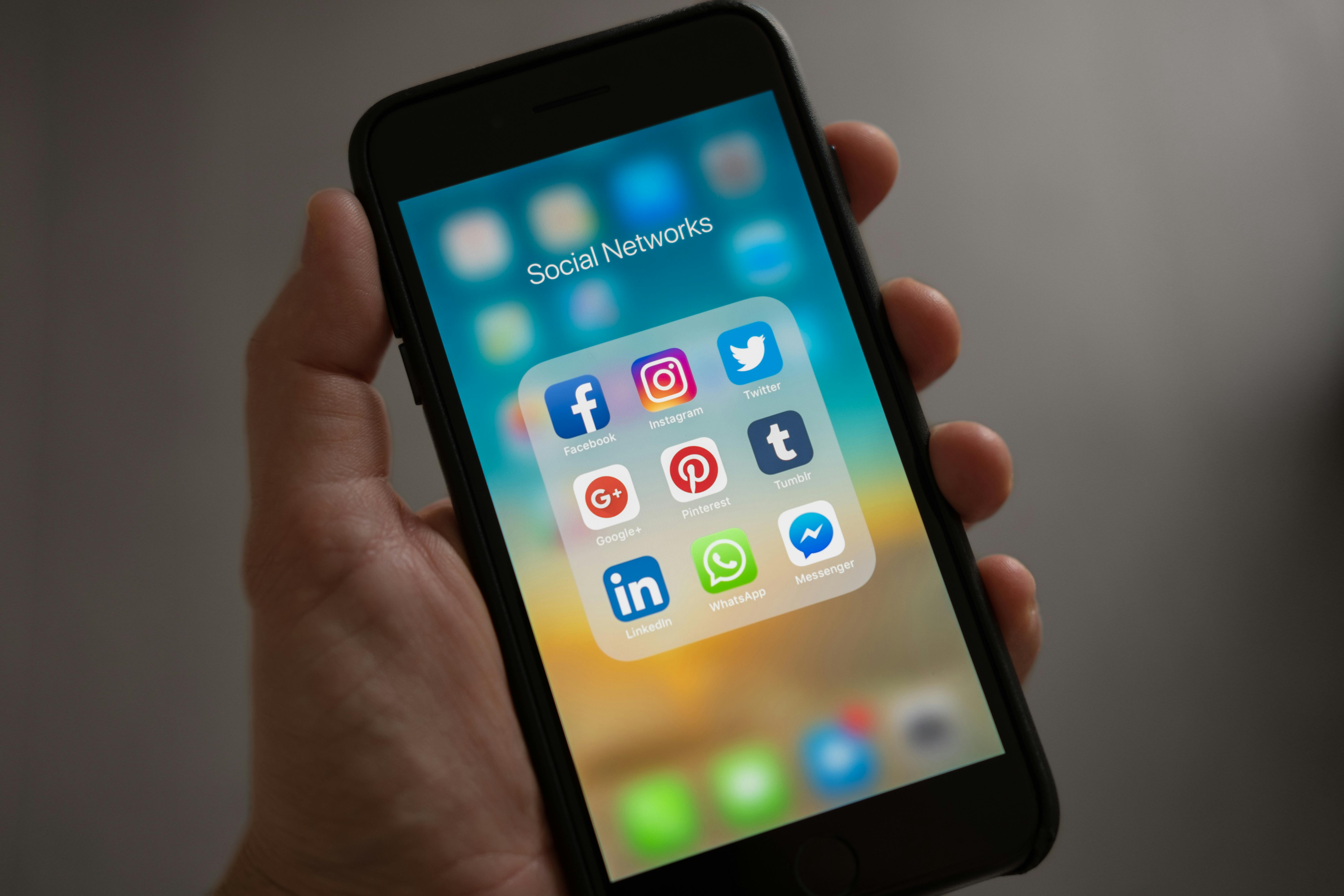
Social Media Photos, Download The BEST Free Social Media Stock Photos & HD  Images
Stressed Out Teen Images – Browse 188,097 Stock Photos, Vectors, and Video  | Adobe Stock

According to McLean Hospital, there are several reasons why we might procrastinate. For some, it truly is a sense of laziness that, from time to time, causes us to lose motivation. Other times, there may be deep-rooted mental health problems that interfere with our ability to complete tasks. This includes, but is not limited to: anxiety, OCD, depression, and ADHD, just to name a few. What’s more is that procrastination can not only be a result of these mental health issues, but it can also be a cause of them as well. As people procrastinate, they have less time to accomplish whatever goals they have, which can then cause stress over time management.

The National Library of Medicine states that most people who procrastinate are between the ages of 14-29, and in another study, found that people between 18-25 have the greatest prevalence of mental illness. These statistics make even more sense when considering the especially high workload placed on people in this age group— college students attempting to manage rigorous academics along with anxiety around starting their new lives.

However, there is one positive to be considered. According to the Substance Abuse and Mental Health Services Administration (SAMHSA), mental illnesses such as those linked to procrastination tend to peak around 18-25 and consistently decrease thereafter; a similar trend can be seen with procrastination.

Results from the 2010 NSDUH: Mental Health Findings, SAMHSA, CBHSQ

https://www.samhsa.gov/data/sites/default/files/NSDUHmhfr2010/NSDUHmhfr2010.htm

Procrastination scores across the life span according to sex. Note:... |  Download Scientific Diagram

https://www.researchgate.net/figure/Procrastination-scores-across-the-life-span-according-to-sex-Note-Post-hoc-analyses_fig5_294257227

So, given this information, what can we take away from this? I believe this shows that we must be kinder to ourselves, even when we have trouble saying “no” to something that’s on our to-do lists. If we continually struggle to complete a certain task, it may be worthwhile to examine the underlying emotions that it brings us and address those feelings before we move forward. As always, we must strive to be better, not perfect.

Life-Changing Habits To Pick Up For This New Year

An article by Brown University Health states that good habits are exceptionally beneficial to people’s daily lives through efficiency, consistency, goal achievement, health and wellness, time management, skill development, and even stress reduction (“Why Habits Can Be a Good Thing”). This conception emphasizes the importance of good habits and implies that good habits result in a better life. Thus, it is important to implement positive habits that can change your life for the better in 2025. 

With the upbringing of the era of technology, planet Earth transformed significantly and people started to depend on technology for their daily use. Although this global transformation had some positive impacts, one of its negative impacts is the amount of time lost by humans in their life due to technology. This means that as humans became reliant on technology, their time started to be consumed by it, especially on social media apps like TikTok and Instagram where it created an endless cycle of addictive scrolling, which resulted in teens using their phones before they go to sleep and right when they wake up.  Although this may seem relaxing, it transformed lots of people, specifically teens, through the incorporation of this bad habit into their daily life. In order to prevent your time from being further wasted, then you should start implementing this in your routines. You should go on your phone and put restrictions on your phone for the time you wake up and before you go to sleep in order to prevent yourself from going on your phone. You can also distract yourself with other things. For example, you can listen to energetic music instead of scrolling on social media. 

Another habit that can be a head start for a great life in 2025 is to meditate. Many people’s lives drastically change due to meditation and studies from Harvard state that mindfulness makes positive changes to physical and mental well-being (Powell). If meditation is incorporated into your daily life as a habit, then by the end of 2025, your life will definitely have changed for the better.

Lastly, another habit you can begin is sleeping the right amount of times. I can not stress this enough but getting enough is so important to your health. It can impact your mood and how you act. Sleeping the right amount of sleep can improve your mood and your energy. If you don’t get enough sleep, you’ll all be grouchy and tired. If you get enough sleep, you will be in a way better mood. 

In conclusion, the three habits to implement in 2025 are not getting screen time when you wake up and before you sleep, which prevent the loss of time, meditation for your physical and mental well being, and getting enough sleep, which is extremely important for your health in general. Implementing these 3 habits might seem small but their impact is drastic. Thus, you can make 2025 a year of growth step by step with these habits.

Taking A Step Back

The soft scrape of a page being turned in my newest book is what brings me happiness.

Too often are we, as humans in the 21st century, focused on attaining a goal or possession that we have glorified in our minds. Admittedly, I used to (and probably still am, to some degree) like this, but I realized during my junior year of high school that this was an insatiable pursuit.

During my junior year of high school, I was obsessed with keeping my grades up. I would stay up until 3 am studying for a math test that I had the next day or spend hours perfecting a paper for a class in which I already had a 97%. I would spend 20 minutes on a drawing and rush to finish it if I couldn’t get it done because I would start to grow tired of it. I would start a new video game in an attempt to get a “perfect playthrough” and then drop it as soon as I did. In doing these things, I realized that I wasn’t pursuing a genuine feeling of enjoyment out of them- rather, I was chasing the immediate gratification I would feel from their completion.

As I reached the end of my junior year, I realized that I was happy, in part from these things, but for the most part, I couldn’t put my finger on exactly what made life so great. Was it that I had gotten an A in my math class? That I had gotten that internship or won that award? Something told me no. It was the day-to-day victories that should have been insignificant, most of which I had already forgotten which made life so great. It was the inside jokes my friends and I would cry from laughing at during lunch. It was the random FaceTime I would get from a friend I hadn’t seen in forever or an old photo that would hit me with a wave of nostalgia.

It was going to the bookstore with my Omi to check out a new book, hearing stories from her during the whole car ride there. As we entered the store I soaked in the soothing scent of books and felt perfectly content. I weaved through the aisles trying to find the book I wanted, and clutching it like a prize, would bring it up to the checkout counter. I opened it as soon as I got home, eager to see what adventures I had missed out on during the time between this installment and the last. And so I turn the next page and breathe a sigh of contentment knowing that this is what brings me happiness.