A Critique of Eternals (2021)

Cover image for ETERNALS / produced by Kevin Feige, Nate Moore, Juan Cano Nono, Andreas Wentz ; screenplay by Chloae Zhao, Patrick Burleigh, Ryan Firpo, Kaz Firpo ; directed by Chloae Zhao.

Since the dawn of time, an eternal war has been waged across the universe: the Eternals, immortal aliens gifted with abilities to stop the Deviants, monstrous creatures who seek only death and destruction. Earth has been one such battleground for these two groups, and for millennia the Eternals have protected the seeds of humanity and allowed them to flourish into a thriving modern civilization. However, with the return of the Deviants, the Eternals are forced to come out of hiding and into the light to protect the Earth one last time.

This is the premise of Eternals, a 2021 film that is arguably the first film to really be a part of Phase 4 of the Marvel Cinematic Universe (MCU), since it seeks to connect the past with the present, providing a new structure for the MCU as well as teases for future storylines. Unfortunately, it is this emphasis on the future that weakens the present film itself, leaving viewers looking forward to the new additions to the MCU rather than enjoying the film.

This is partly due to the sheer number of characters introduced in the span of a two and a half hour film. There are ten main Eternals in the movie, and it is difficult for the casual viewer to commit to memory each name, face, and power, especially since some of the characters have incredibly similar and trite powers, like lasers or super strength. This endeavor is quickly rendered futile, though, since half of the major characters are killed off within the first hour of the film.

The audience’s inability to connect with the characters on the screen diminishes every aspect of the film. The surprising plot twist would have worked better if it wasn’t shown primarily off-screen. The romantic aspects of the plot were awkward and at some points distasteful to watch. The Deviants, supposedly the big bad villains of the movie, were almost completely written off by the end of it.

All of this is to say that, in my opinion, Eternals was one of more flawed movies of the MCU, rivaling Thor: The Dark World, however strong of a comparison that may be. In the end, the weak plot was spread far too thin, leaving viewers unsatisfied with the entirety of the film. As a dedicated Marvel movie-goer, I hope that future MCU films do not make the same mistakes as Eternals did.

– Mahak M.

Eternals is available to checkout from the Mission Viejo Library.

Magpie Murders by Anthony Horowitz

Cover image for Magpie murders / Anthony Horowitz.

When the brilliant yet mean-spirited author Alan Conway is found to have jumped off of his tower, there is no evidence to suggest that it could have been anything more than suicide. In fact, no one cares to look into it too much, since there were more people who detested Alan Conway the person than who loved Alan Conway the mystery novelist. However, his editor, Susan Ryeland, has her suspicions.

After all, Conway had just submitted to her the manuscript of Magpie Murders, his latest and final novel in his world-famous Atticus Pünd series, but the last chapter is mysteriously missing from the pages. As Susan searches for the missing pages, she comes to the realization that, perhaps, the supposedly “fictional” novel is actually based on real events, and that maybe, just maybe, the murderer in reality caught wind of Conway’s tactics to expose them and took matters into their own hands…

Magpie Murders by Anthony Horowitz is an interesting read because of its story-within-a-story format. On the outside, there is Susan Ryeland’s investigation into Alan Conway’s life, the missing pages, and the murder the novel was based on. Within this framework, however, is the actual Magpie Murders, an Atticus Pünd detective novel written by Alan Conway (without the ending, of course). I enjoyed this format because it almost felt like a two-for-one read, where there were two well written mysteries in the span of one book. 

I would recommend this novel to any fans of Agatha Christie, since there are obviously a lot of similarities between her books and those of “Alan Conway” (compare Hercule Poirot to Atticus Pünd, for starters). However, any and all fans of mystery and adventure will enjoy this novel too.

– Mahak M.

Magpie Murders by Anthony Horowitz is available for checkout from the Mission Viejo Library. It is also available to download for free from Libby.

The House of Mirth by Edith Wharton

Cover image for The house of mirth / Edith Wharton.

Lily Bart: fashionable, socially-adept, and absolutely beautiful. Born and raised in the upper echelons of New York society, she seems the type of woman to immediately wed a wealthy man and secure her position as a rich socialite. However, due to her own warring nature between her material desires and her yearning for true love, Lily finds herself caught in a malicious web of jealousy and deceit that causes her fall from grace and social affluence to poverty and loneliness on the margins of society.

It is this unfortunate journey that Edith Wharton chronicles in her novel The House of Mirth. Although Lily is the protagonist of the novel, Wharton explores the events from other perspectives, notably Laurence Selden, Lily’s true love interest. The greatest irony of the novel is that although Selden openly despises the superficial and gossip-driven high society, when push comes to shove and Lily’s reputation is tarnished by forces outside of her control, Selden has the same prejudices against her, and it is these biases that keep Lily and Selden from their happy ending until it is too late to reach it.

Outside of Lily Bart herself, Wharton uses the novel to criticize the society of which she was a part. The most obvious of these is the disparity between what is expected out of men and women during this time. As Lily herself notes, while men could get away with shabbiness or not marrying, women were forced to always look beautiful and presentable, and had to marry in order to keep this up. Ultimately, Lily’s inability to cope with the demands her society made of her caused her decline into the fringes of society.

Overall, The House of Mirth is in no way a light or funny read as the title suggests. Instead, it represents the depressing struggle between what society has determined for people to be and what those people actually are through Lily Bart’s equally tragic story arc. In the end, The House of Mirth is an interesting read if only to understand the similarities between early twentieth century society and modern life.

– Mahak M.

The House of Mirth by Edith Wharton is available to checkout from the Mission Viejo Library. It is also available to download for free from Libby.
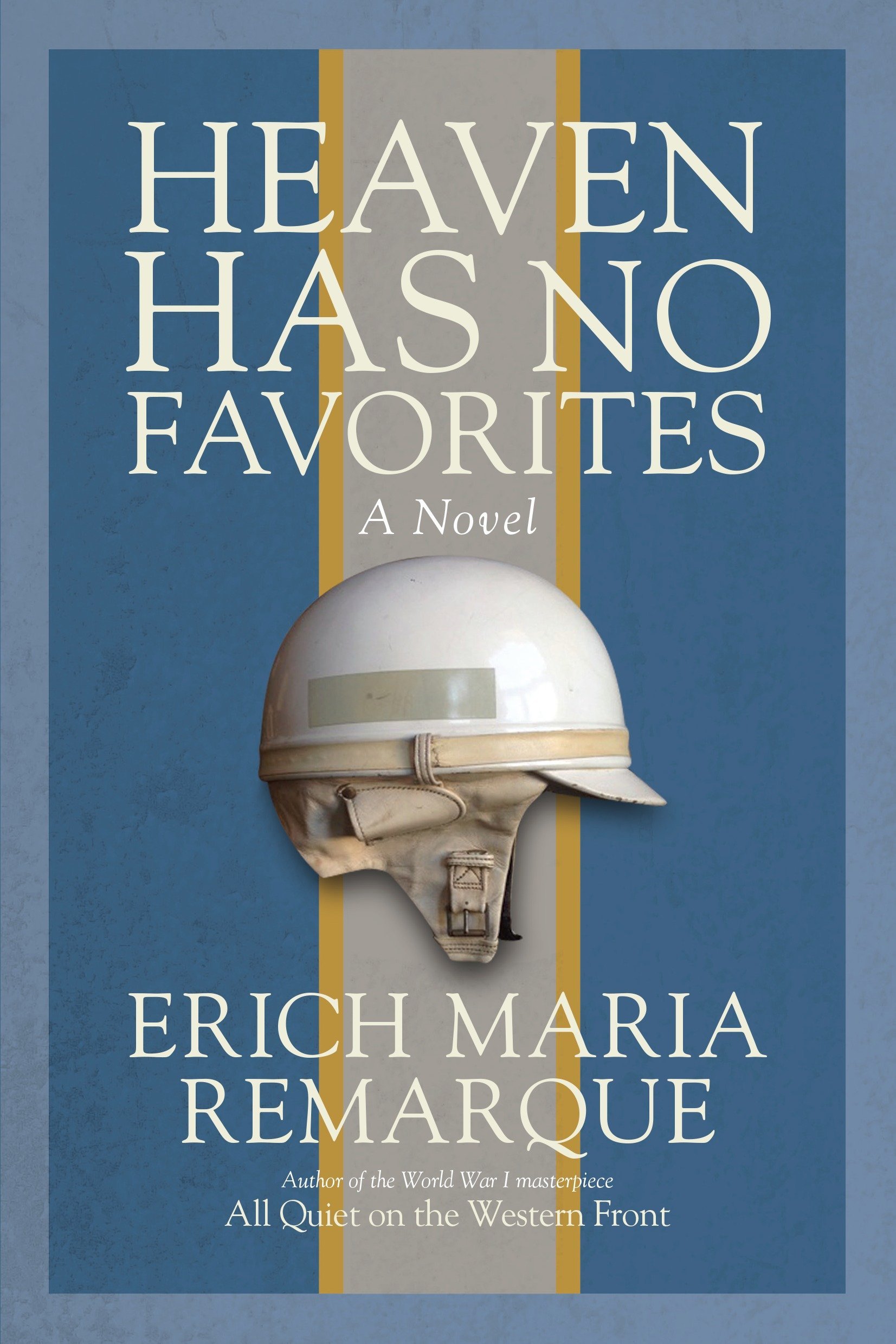
Heaven Has No Favorites: Erich Maria Remarque

Heaven Has No Favorites, written by Erich Maria Remarque, is a (post WWII) love story entwined with an unforeseen twist. 

The premise revolves around two main characters – Lillian and Clerfayt – who experience life with parallel outcomes. For one, Lillian is ill from tuberculosis, while Clerfayt puts himself through danger as a race car driver. Though their livelihoods are different, they have similar beliefs about happiness, and the challenges depression and aftershock war can cause. Likewise, the two form a close friendship. However, as Lillian is dying and would rather live out her last days outside a hospital ward, Clerfayt agrees to drive her around Paris, Venice, and so on. At first, the arrangement works in their favor … until one of them begins to fall in love. 

This novel, despite its basic plot, has a distinct cast – most notably Lillian. Although Remarque was a male writer, he’s able to accomplish what so few have achieved: a strong, unique female character. Despite her illness, she (Lillian) is able to disregard death and simply enjoy the moments that remain. In turn, readers are able to (using her) explore one’s significance, illusion, and reality. Thus, while the book is (more or less) philosophical, it doesn’t overcomplicate the message it tries to achieve. 

By no means will I spoil the twist, although I’d like to put in a quick word about it. The surprise (which is never quite hinted at) made me shed a few tears! Its abrupt nature adds to the initial shock – so make sure you’ve attentive. 🙂

In all, Heaven Has No Favorites is a poignant tale anxious to make one imagine a time outside our own. 

-Emilia D.

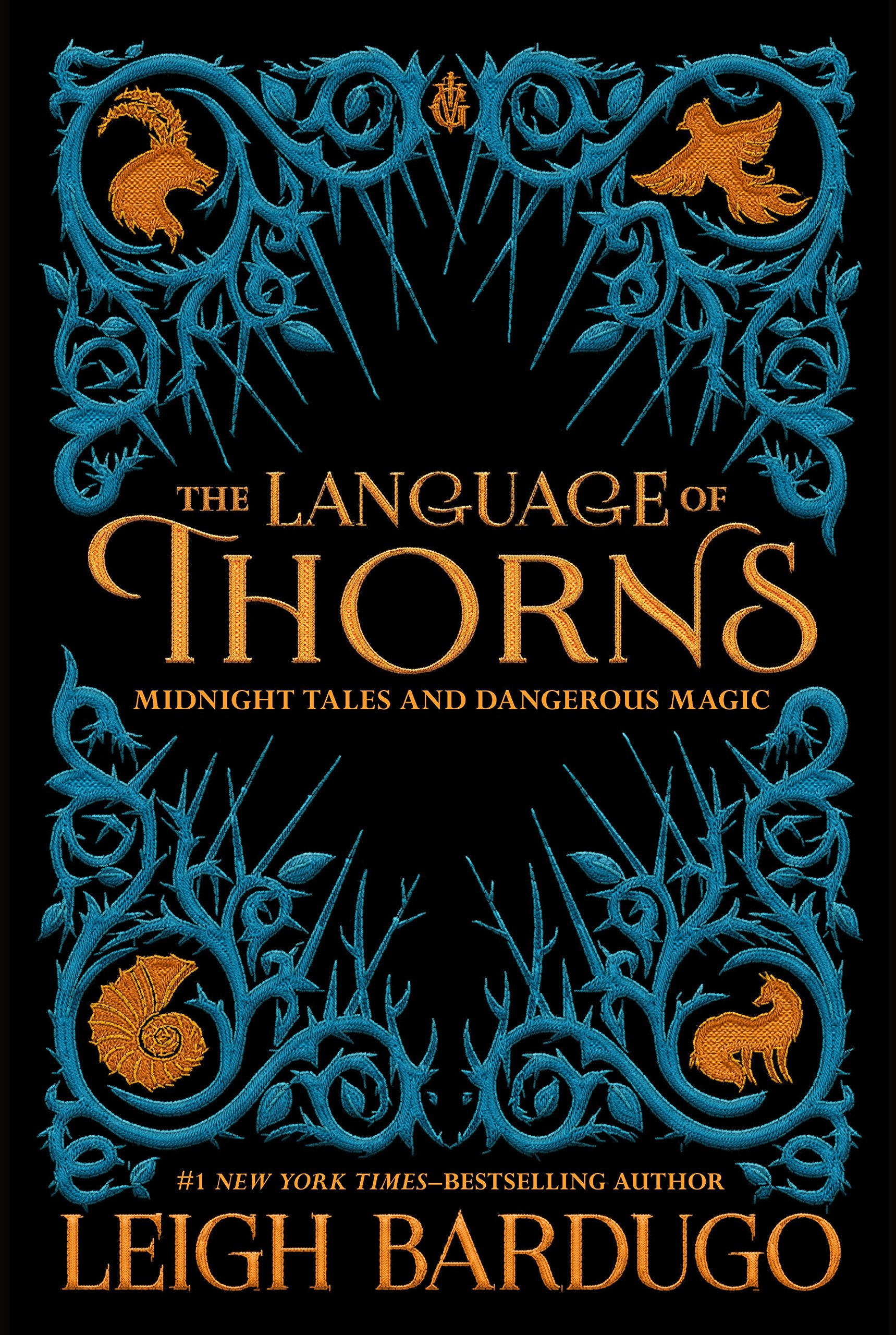
The Language of Thorns by Leigh Bardugo

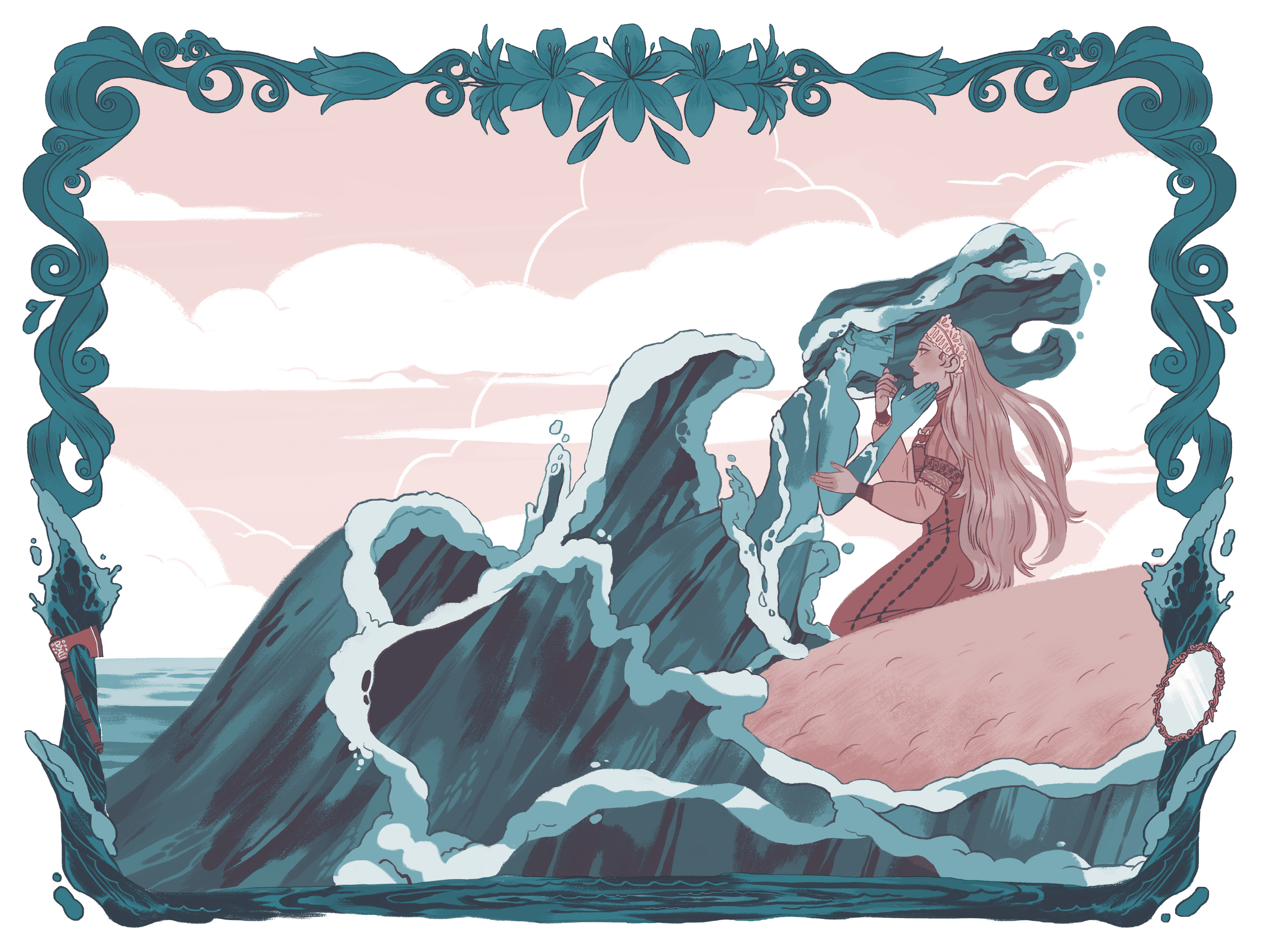
The Language of Thorns is a collection of fantastical short stories based on various fairy tales, myths, and folklore such as: Hansel and Gretel, The Little Mermaid, The Nutcracker and more. Set in the fictional world of the Grishaverse, Leigh Bardugo puts a darker spin on beloved childhood stories. Ayama and the Thorn Wood, a story based in the fictional country of Zemeni, tells a tale of a girl who saves her village without slaying the terrifying beast. The Too-Clever Fox, based in the Russian inspired country of Ravka, tells a story of a fox who managed to outwit anyone he encountered. The Witch of Duva, a darker take on the classic Hansel and Gretel, tells the narrative of a starving village girl trying to survive her evil stepmother. A shorter tale of an outcast, a beautiful girl, and a river, Little Knife is a refreshing break from the typical prince and princess stories. The Soldier Prince, a story that takes place on the island of Kerch, is an invigorating take on the classic ballet The Nutcracker. When Water Sang Fire, my personal favorite, takes a dark and gritty take on the classic story of The Little Mermaid.

I have reread this book so many times and it’s never gotten old. Reading each story feels like I’m reading it for the first time. It’s genuinely so refreshing to read something inspired by fairytales, myth and folklore, that isn’t repeating something I’ve read a million times before. Each story has plot twists, magic, revenge, love, betrayals, and sacrifice.

Bardugo’s writing style is another thing I love about this book. Her descriptions, dialogue, and pacing makes me feel like I’m a part of the story. I’d also like to give credit to Sara Kipin who did the illustrations for this book. Her drawings add another level of depth to these stories and help me visualize even further the scenes in the stories. I would recommend this book to anyone looking for a light read that still keeps you interested and engaged.

-Sophia H.

The Language of Thorns by Leigh Bardugo is available for checkout from the Mission Viejo Library. It is also available to download for free from Libby.
Chronicle of a Death Foretold by Gabriel Garcia Márquez

Cover image for Chronicle of a death foretold : a novel / Gabriel García Márquez ; translated from the Spanish by Gregory Rabassa.

It was a clear, cold morning in an unnamed village in Colombia. Excited to see the bishop, who visited their town very rarely, the villagers were stunned when they learned, a few hours later, that the well-loved and respected Vicario twins had murdered a fellow villager, Santiago Nasar, in an attempt to restore her sister’s honor. The greatest irony of the situation, however, is that although the brothers tell anyone who will listen about their plans to murder Santiago, in the hopes that they will be stopped, the villagers either ignore the announcement, assume someone else has taken care of it, or, in some cases, actually encourage the twins to follow through.

This is the premise of Gabriel Garcia Márquez’s enduring literary work: Chronicle of a Death Foretold. Surprisingly, the actual novel is not a chronicle in any sense of the word; the narrator is shockingly unreliable and tells the sequence of events completely out of order. As for “death foretold,” where one might expect that to refer to the fact that the Vicario twins made their intentions perfectly clear to all, thus announcing the death, the truth is that the entire novel is steeped in dramatic irony, since the reader knows from the outset that Santiago Nasar is fated to die – it has been “foretold” by the narrator.

Aside from the murder itself, one of the more significant aspects of the novel is its representation of Colombian culture and society. Although traditional authorities are present, such as the bishop and the police, it quickly becomes clear that the ultimate authority in the town is the social construct of honor. The Vicario twins, who are established as good people, are pushed to commit a heinous crime because of honor, and people encourage them to do it because of the same. Even if the authorities previously mentioned attempt to stop them, the need to retain honor prevails. 

Ultimately, Chronicle of a Death Foretold is intriguing because it completely subverts the reader’s initial expectations for it while also shining a light on the influence of society on a murder. A departure from traditional “murder mysteries,” this novel manages to retain the aspects of a mystery while also being open about its true meaning, making it a fascinating read.

– Mahak M.

Chronicle of a Death Foretold by Gabriel Garcia Marquez is available to checkout from the Mission Viejo Library.
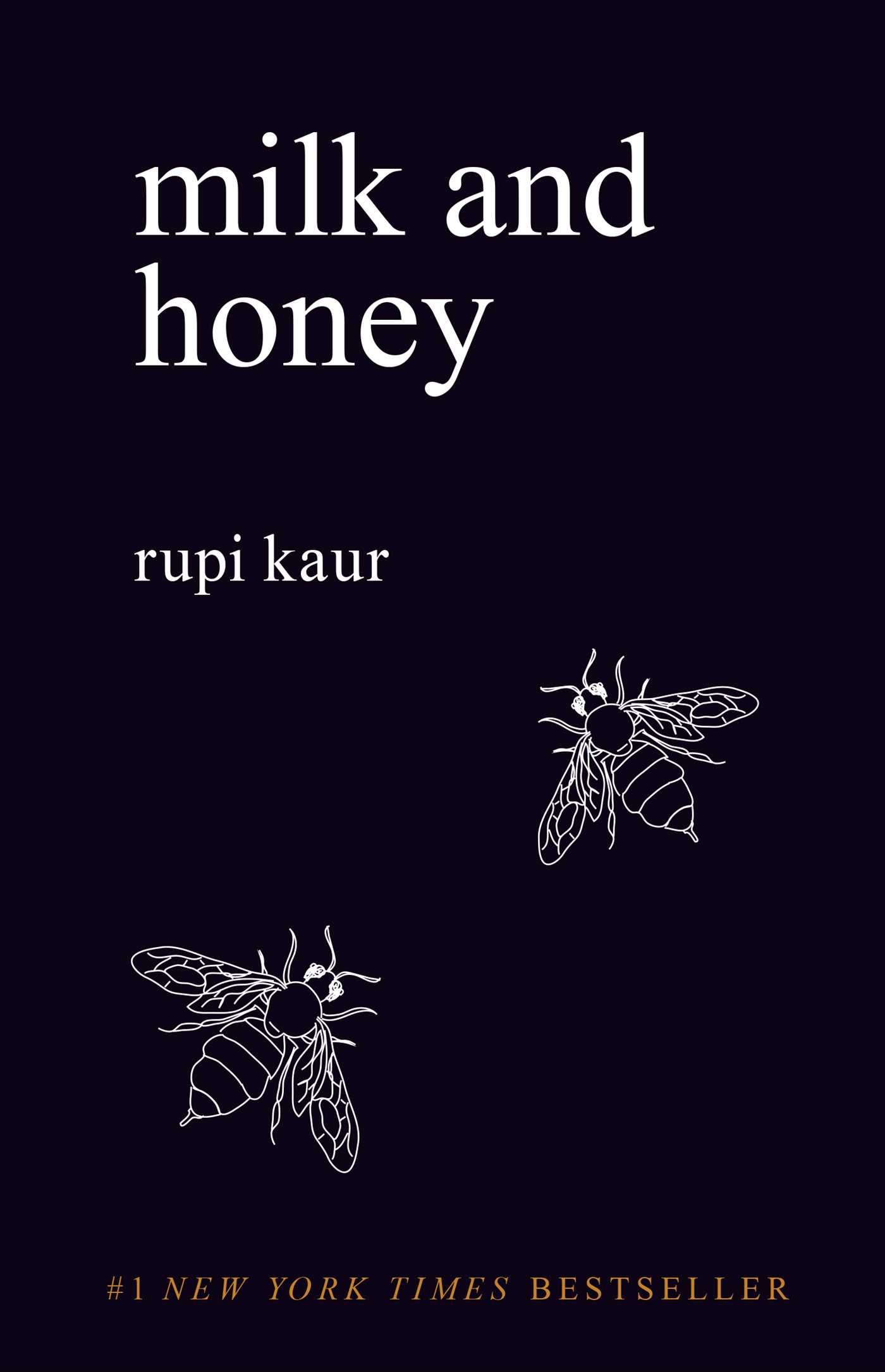
Milk and Honey

Book Title: Milk and Honey

Author: Rupi Kaur

Rating: 9/10

Reading Level: 8-12

“I am water. Soft enough to offer life. Tough enough to drown it away”

Milk and Honey is a beautifully written book by Rupi Kaur that features 4 sections: the hurting, loving, breaking, and healing of life.

Kaur has written this book with a level of finesse but also solitude that I haven’t ever read before. This book features poems and minimalistic illustrations that manage to give the book a delicateness and sense of mindfulness throughout its 226 pages.

Milk and Honey does have a bit of mature content, which is why I rated the reading level of this book a little higher, but is a must-read for those searching for a truly masterful poetry experience.

“For you to see beauty here does not mean there is beauty in me. It means there is beauty rooted so deep within you, you can’t help but see it everywhere.”

-Anusha M.

Milk and Honey by Rupi Kaur is available for checkout from the Mission Viejo Library. It is also available to download for free from Libby.

Romance in Books/Media

I have grown up reading books where romance had been the central theme of the book, a plot line on the side, and with side characters who have never actually spoken in the book. In every single book I had read, there was some sort of romance involved and it would be hard to ignore it since it is present, despite the characters not even being fully-fleshed. I have read books where the person’s personality revolves around their relationship to this one person who also doesn’t really have a personality. Even if the characters have a dynamic, it is there to compliment their lover (one wears black all the time and hates everyone while the other gives children cookies as a pastime in their rainbow clothing). These people who saw each other from across the room are kissing three seconds later which ensues a romantic relationship. These couples, primarily ones consisting of a man and a woman, start off as friends or they start off as enemies or they had just met and then all of a sudden, they are in a romantic relationship with each other.

Then, I started to watch television and it not only amplified whatever romance that was shown in the books I would read but also shown toxicity in the relationships that are deemed normal. There are toxic relationships in books but I saw it more in TV shows and at an alarming rate. The couple would disagree with something and then all of a sudden, they are screaming at each other and haven’t come to a conclusion until the next day where one apologizes and they go on upon their day. These couples don’t usually ask consent when wanting to do things which could lead to miscommunication on what they want and further damage their relationship without even realizing it. On screen, it would be surprising to everyone if the main character’s love interest asked if they wanted to kiss because it has been implemented throughout the story that they both wanted each other. But then, this logic reflects in our society and our lives. It could be the case that someone doesn’t want to kiss another and everyone would be disappointed because this person is so nice or this person really likes them so they should just do what they don’t want to do and kiss them.

Romance has been shoved down everyone’s throats, through many different platforms, to the point where everyone must have a romantic relationship in their life to lead fulfilling lives. I have grown up thinking that I must have a romantic relationship eventually in my life and if I don’t, I will be a disappointment. If someone is single at the moment, it wouldn’t last long because everyone wants to be in a relationship and they will be in one soon. I have grown up thinking that if a man or a woman were merely talking to each other or hanging out with friends, they must be dating. I know that other people in our society also feel this way.

And then, I read a book where there was no romance whatsoever. I didn’t know this beforehand so I had been surprised as I read through this book. The book is called Radio Silence by Alice Oseman. It is a story about how this girl and guy becoming friends after finding out they have affiliated with this one podcast they both love. At first, I didn’t like the book because it was boring and anti-climatic. But then, I researched why I felt so weird after reading a book that contains no romance in it and found it boring. I discovered this new concept called amatonormativity, where our society pushes people to prioritize finding romantic relationships over keeping one’s platonic relationships. I am reading the book again and now, I am finding new aspects in it and realizing how entrenched I had been in amatonormativity.

I am not saying that there shouldn’t be romance in books and in media. I believe there should be more interracial couples, queer relationships, disabled relationships, relationships dealing with people of color, and other relationships between marginalized groups. But I don’t want romance to be geared toward a certain group and to be held at such a higher pedestal than platonic love is. And for those still reading, thanks for sticking with me all the way to the end and hopefully you agree. However, this is all my opinion and no one has to agree with me. Thanks anyway!

-Saanvi V.

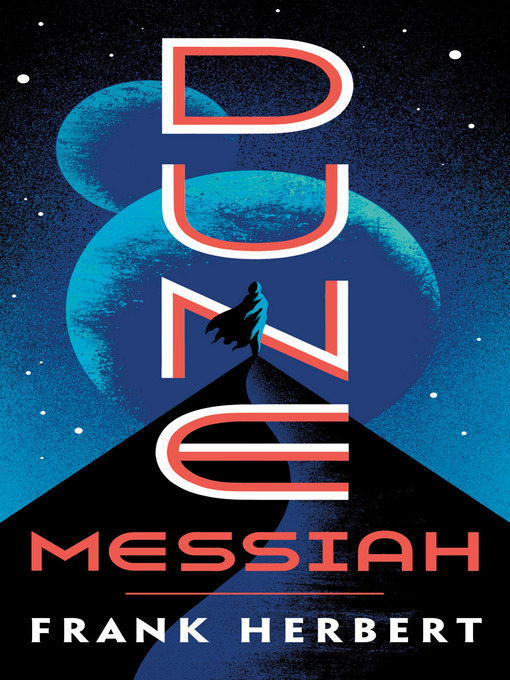
Dune Messiah by Frank Herbert

The world of Dune is vast, with the first book barely scratching the surface. Leaving many fans asking author Frank Herbert for more. 4 years after the release of the first one, Frank delivered Dune Messiah. Taking many of the criticism of his previous books and proving them wrong, by introducing us to the dark side of destiny. If I were to describe the book in one word, it would be sinister. Everything about it, from the villains, the heroes, the politics, and the philosophy. There are moments when you will feel dirty as if you participated in some evil plot. But this is exactly what Herbert wanted, he wanted to show how power is corruptive, and how even the noblest of heroes have a dark side.

He broke the mold of the classic “hero’s journey” and focused on the hero’s psychological transformation. As Paul Atreides struggles to deal with his “horrible purpose”, visions of destruction, and a horrific injury. Despite this intriguing concept, the book is not without its failings. Unlike its predecessor, the book has hardly any action, focusing almost entirely on dialogue. This can lead to parts of the book coming off as filler, or self-aggrandizing philosophical nonsense. However, it makes up for it in the best endings I’ve ever read. The final act of the book is simply breathtaking, hard to put down, and yes, it’s incredibly sinister. In many ways, it’s the complete opposite of its predecessor, which had an incredibly lackluster ending. Leaving me with only one question, what could the next book have in store?

-Parker K.

Dune Messiah by Frank Herbert is available for checkout from the Mission Viejo Library. It can also be downloaded for free from Libby
Waiting for Godot by Samuel Beckett

Cover image for Waiting for Godot / Samuel Beckett.

On January 5, 1953, the audience members at the Théâtre de Babylone in Paris entered a showing of Samuel Beckett’s En Attendant Godot, expecting to see a conventional play. However, faced with a play that lacked the key elements of Aristotelian models, viewers were torn between confusion and intrigue, and En Attendant Godot consequently became one of the most popular productions in France. When Beckett translated it into English a year later, christening it Waiting for Godot, it became a hit among British and American audiences too. Waiting for Godot chronicles two men, Vladimir and Estragon, who stand in a lonely landscape by a tree and, as the title suggests, wait for Godot, but this simple premise has a catch – it is the only premise.

All day, every day, Vladimir and Estragon do nothing but pass the time as they endlessly await Godot, and the only break from this dreary monotony is when two other characters, Pozzo and Lucky, pass through. The repetitive, inane discourse between the four characters initially irritates the audience, with good reason. After all, the seemingly illogical behavior of the characters rankles the usually more reasonable people watching or reading the play, who ask themselves: why don’t they just leave? 

However, as the play progresses, it becomes clear that they cannot leave. Even if they threaten to, there is some invisible force that keeps them tethered to the faint hope that Godot will arrive, even as it becomes increasingly obvious that he will not. As annoyed as one might be with Vladimir and Estragon’s behavior, one cannot help but draw parallels between their situation and that of humanity – after all, whether they are aware of it or not, everyone holds a secret hope or desire that they maintain despite clear evidence that it will never come to fruition. 

In the end, these men illustrate to the audience that humans as a whole, no matter what their differences may be, will continually strive for that which will never come without ever realizing its impossibility. As Vladimir and Estragon long for Godot, Pozzo for power, and Lucky for freedom, it is clear that they all are really searching for meaning in a world that has none to offer. 

– Mahak M.

Waiting for Godot by Samuel Beckett is available for checkout from the Mission Viejo Library.