All Quiet on the Western Front by Erich Maria Remarque

Having started my World War One unit in my history class, I remembered I had read a book on it. All Quiet on the Western Front by Erich Maria Remarque is a historical fiction novel I read all the way back in November for my English class. We were given the choices of either reading a book about World War Two or a book about World War One. I made the decision to read the one about World War One, realizing I had barely any information on it in my head. 

All Quiet on the Western Front is set in Germany during World War One following Paul Baumer, his friends and other young men. Throughout the novel, they are slowly losing the spark of fighting they had when they first started. The novel goes in depth on the lost ideologies of war and how they were tricked into becoming patriots of their country, unknowing of what they are fighting for. It’s a gruesome story of loss and reveals the realities of war and what it is like being out on the front lines.

At first, I didn’t really find the novel all that interesting. I am not usually one to watch war films or read war related books. I’ve always been more of a fantasy kind of person. But as I read through this novel, I found more to the simplicity of what I had deemed to be “just a war story.” The novel focuses highly on the small moments outside of war, what happens during battles, what happens to others and the aftermath of war on people. Remarque does a great job on illustrating scenes with her descriptions of the battlefield and the conditions of war back then. We see it when we travel with Paul as he experiences different battlefields, the pain of coming back to and leaving his family, and losses of friends and family. I enjoyed reading this point of view as through Paul’s eyes, I was able to see and live through the emotions and intensity that were experienced in trench warfare and war in general.

However, seeing the ideology of the soldiers fighting in the war was what really interested me. It was the fact that they were young men that didn’t know what they were fighting for that really got me thinking. The strength of nationalism and propaganda on the younger generations is incredibly useful in getting them to do what others want, despite them not truly knowing what they are signing up for. They risk losing their lives and they completely lose their innocence, childhood, and will to live fighting for something they don’t understand; a theme touched throughout the entire novel. I found this theme to be the most striking, something I still remember now even though it’s been a while since I’ve read the book.

While I was skeptical of this book at first, All Quiet on the Western Front was a delightful read. It was difficult at times, because of the strange pacing, but looking back at it now, it really helps to add to the story and pacing of war. I also got to learn more about World War One and what it was like. I definitely recommend this book, for knowledge and the historical portion of it but also because it’s an interesting and emotional read.

-Nicole R. 

All Quiet on the Western Front by Erich Maria Remarque is available to check out from the Mission Viejo Library. It is also available to download for free from Libby.

Paris Museums Review

Recently, my family and I went on vacation to Paris in France! Over the week we spent there, we went to many attractions, some of the main ones being the museums. There were so many museums available, and because I am under 18 I got in for free for all!

What I think is the most interesting in Paris is the support of the arts by the government. For all citizens of France, the museums were free until you turned 26, and for outside visitors 18! I thought that this was an amazing way to get youth interested in art and the value of it.

Although there were so many museums to visit (and we obviously couldn’t see all of them), here are some of my favorite museums we visited and my reviews (as well as tips):

The Louvre

One museum that I really enjoyed was the Louvre. We got there early in the morning when it first opened and it was still so busy! It was such a large museum with way too much to look at! Some notable things to look at were the Mona Lisa and so many other famous works of art! Personally, my favorite piece was the Winged Victory sculpture, but there were so many other pieces of art that were amazing! I would recommend taking it slow because there is so much to take in and it will be a long walking day because it is so big.

Musee d’Orsay

One of the notable museums in France was the Musee d’Orsay. With its beautiful architecture and its location along the river, it was definitely one notable building! (Fun fact: It was originally built as a train station for the World’s Fair before it was turned into a museum). I thought that this was a good museum especially because it did not require the same amount of walking as the other ones while still showcasing lots of art. While I was there, there was an exhibition of Vincent Van Gogh, which I enjoyed!

Palace of Versaillies

The Palace of Versailles was my favorite museum in Paris. Because it was in the countryside, I had to take a train there since it was farther away than the other attractions. However it was very fun with so much to do! My favorite part was walking around the gardens in the afternoon because all the plants were blooming and there was so much to see. Inside the palace was also huge, with so many rooms to walk through. My favorite room was probably the hall of mirrors because it was filled with gold and had great views of the gardens. One thing to prepare for is to bring a lot of water and wear comfortable shoes because this will be one of the biggest walking grounds because it is so big!

Overall, I think that all the museums in Paris I went to were amazing and what was especially cool about them was that I was able to get into all of them for free. I would recommend everyone to go to these museums whether you like art or not, because I think with the robust art and architecture there is something for everyone to enjoy!

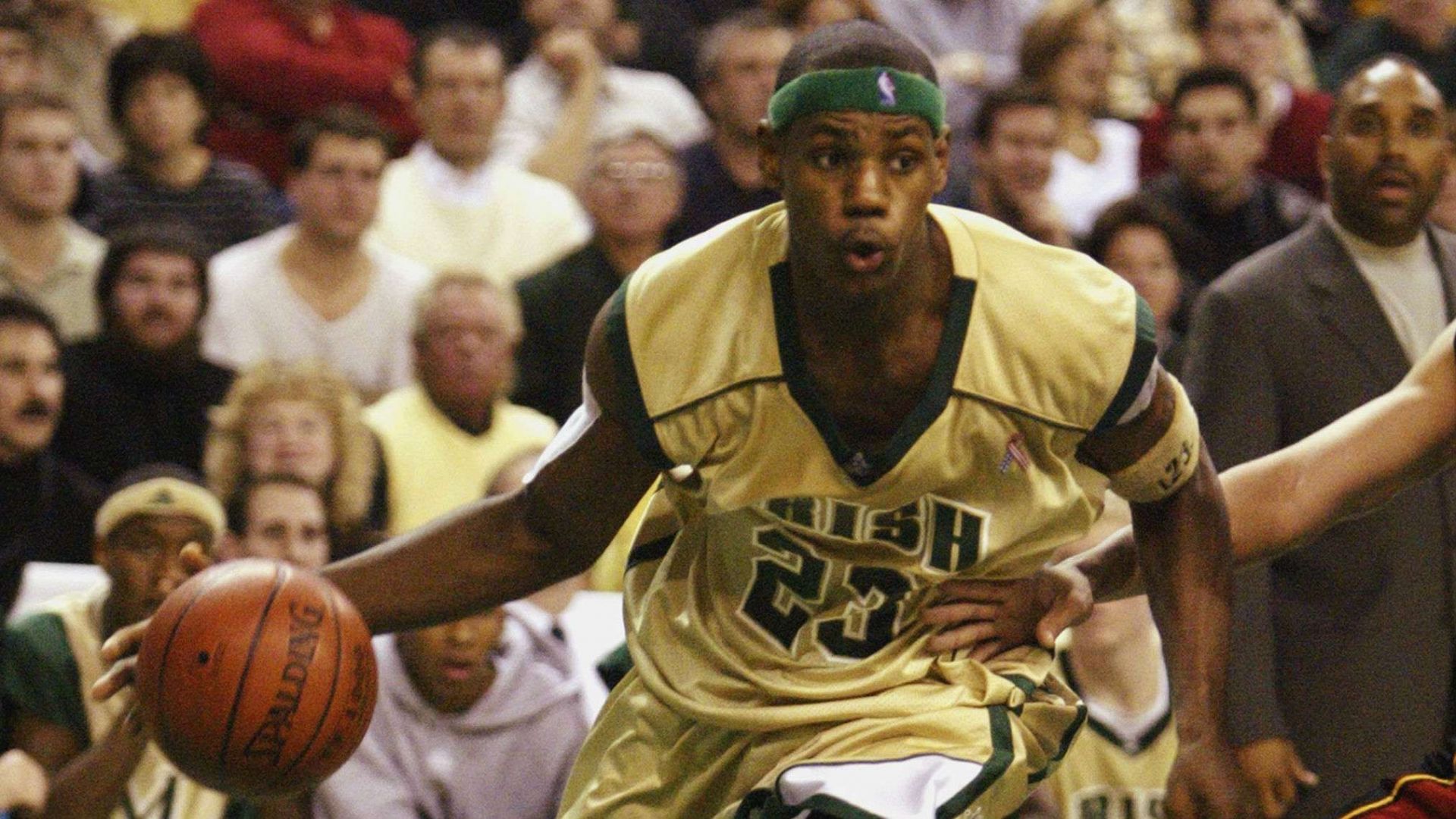
Lebron James: The King’s Transcendent Journey into the NBA

On December 30th, 1984, one of the greatest players in NBA history was born named Lebron Raymone James Sr. Growing up, Lebron had a difficult childhood.  His father, a convicted criminal, was not a part of his life nor did he support the family in any way.  As his family moved from apartment to apartment, his mother constantly looked for a stable job to maintain the family.  When James was nine years old, his mom decided to send him to live with Frank Walker, a football coach who presented him with the sport and saw potential in him.  Although he started out playing football while he was in Elementary School, he changed to playing basketball when he got older.  James would practice basketball whenever possible to improve and achieve his dream of making the NBA.

Once James got to High School, He became the main topic of every newspaper and magazine.  He was crowned the Best High School Player in the Nation.  James had the whole world watching his every move and was given the nickname “The Chosen One”.  A few years later in 2003, Lebron James entered the NBA draft.  He went straight into the NBA draft without attending College which very few did because they did not have the talent.  And to nobody’s surprise, James was selected number one overall by the Cleveland Cavaliers in the 2003 NBA draft.

Many were excited to watch Lebron James’ first season in the NBA.  He had immense pressure to live up to what was expected from him.  Lebron went on and had one of the greatest rookie seasons of all time and won Rookie of the Year in 2004.

Books about LeBron James are available to check out from the Mission Viejo Library. They are also available to download for free from Libby.
Rethinking my New Year Resolutions

Can you believe it’s already a couple of months into 2024? If you like me and have a list of New Year resolutions to accomplish this year, you will understand what I’m going through. Reflecting on the resolutions I set for myself at the beginning of the year, I’m disappointed. 

As a teen, I’m no stranger to the ebb and flow of enthusiasm that comes with goal-setting. At midnight on New Year’s Eve, I was excited, armed with a list of resolutions I was convinced would transform my life, maybe just a little.

Yet, as the days turned into weeks and the weeks into months, that initial spark of determination began to flicker. School assignments piled up, extracurricular activities demanded more of my time, and the daily grind of teenage life overshadowed my lofty aspirations.

It wasn’t until recently that I took a step back to reassess where I stood with my resolutions. Sitting down with my journal, I flipped through the pages, revisiting the goals I had written down with such fervor months ago. Some seemed laughably unrealistic now, while others felt attainable with some recalibration.

One resolution that stood out to me was my commitment to prioritize self-care. I neglected my well-being in the craziness of school, friends, and obligations. Late nights cramming for exams had become the norm, and exercise had taken a backseat to whatever needed to be done. I realized I needed to prioritize self-care to thrive and not just survive.

So, I started small. I set a bedtime for myself and stuck to it religiously, no matter how tempting it was to stay up late scrolling through social media. I put time into my schedule for exercise, whether going for a run or practicing yoga in my bedroom. Most importantly, I learned to say no to activities that drained me mentally and emotionally, choosing instead to spend my time on things that brought me joy, fulfillment, and a bit of relaxation.

Another resolution that needed a bit of tweaking was my goal to improve my grades. While aiming for straight A’s sounded impressive in theory, the reality was that I was spreading myself too thin trying to excel in every subject. Instead, I focused on critical areas where I could improve significantly. I sought extra help from teachers, formed study groups with classmates, and adopted better time management strategies to stay on top of my assignments.

Reflecting on my journey over the past few months, I realize that the key to success lies not in grandiose gestures or sweeping declarations but in our small, everyday choices. It’s about showing up for ourselves, even when it’s hard, and adapting and evolving as we grow. So here I am, rekindling the flame of my New Year’s resolutions, armed with a newfound sense of purpose and determination to make the most of the rest of this year. I hope you also rethink your New Year resolution so it brings you the joy of a little victory every day.

If you need help starting or know what to do with a healthy way to set goals and resolve them, I invite you to check out some of these books from the Library.

Total Teen, Tracy Anderson’s Guide to Health, Happiness and Ruling Your World.

You, the Owner’s Manual for Teens

A Guide to A Healthy Body and Happy Life

The Secret to Teen Power by Harrington, Paul

The Self-esteem Habit for Teens

50 Simple Ways to Build Your Confidence Every Day by Schab, Lisa M.

Here’s to everyday victory!

Bella H

How To Make A Better Cake From A Box Mix

I love baking. I love it, but rarely have the time for it. So, I use a good ol’ cake box mix when I can. Here is a way to elevate YOUR box mix so your family is drooling over your sweets.

Materials you will need:

  • Box mix of your choice (I used a red velvet box mix)
  • One 3.4 ounce box of INSTANT pudding mix. Make sure you choose a pudding flavor that goes with your cake mix (Vanilla->Vanilla, Chocolate/Red Velvet-> Chocolate, etc.)
  •  One cup of sour cream or plain greek yogurt (You don’t need much, get the smallest container)
  •  4 Eggs
  • ½ cup of water
  • ½ cup of vegetable/canola/olive (what ever you have) oil
  • 1 cup of chocolate chips if you choose chocolate or red velvet cake

For starters, just listen to the box mix for oven temperature. Put the first 6 ingredients in a bowl and mix on medium with an electric mixer. After that, pour the batter into your respected pan and bake for however long the cake box says.

Using these steps, your cake triples its moisture factor. They also become a lot thicker, making them GREAT bundt cakes.  I really recommend using these steps to make your cakes (or cupcakes) even tastier!

Family Event and Volunteer Opportunity for this weekend!

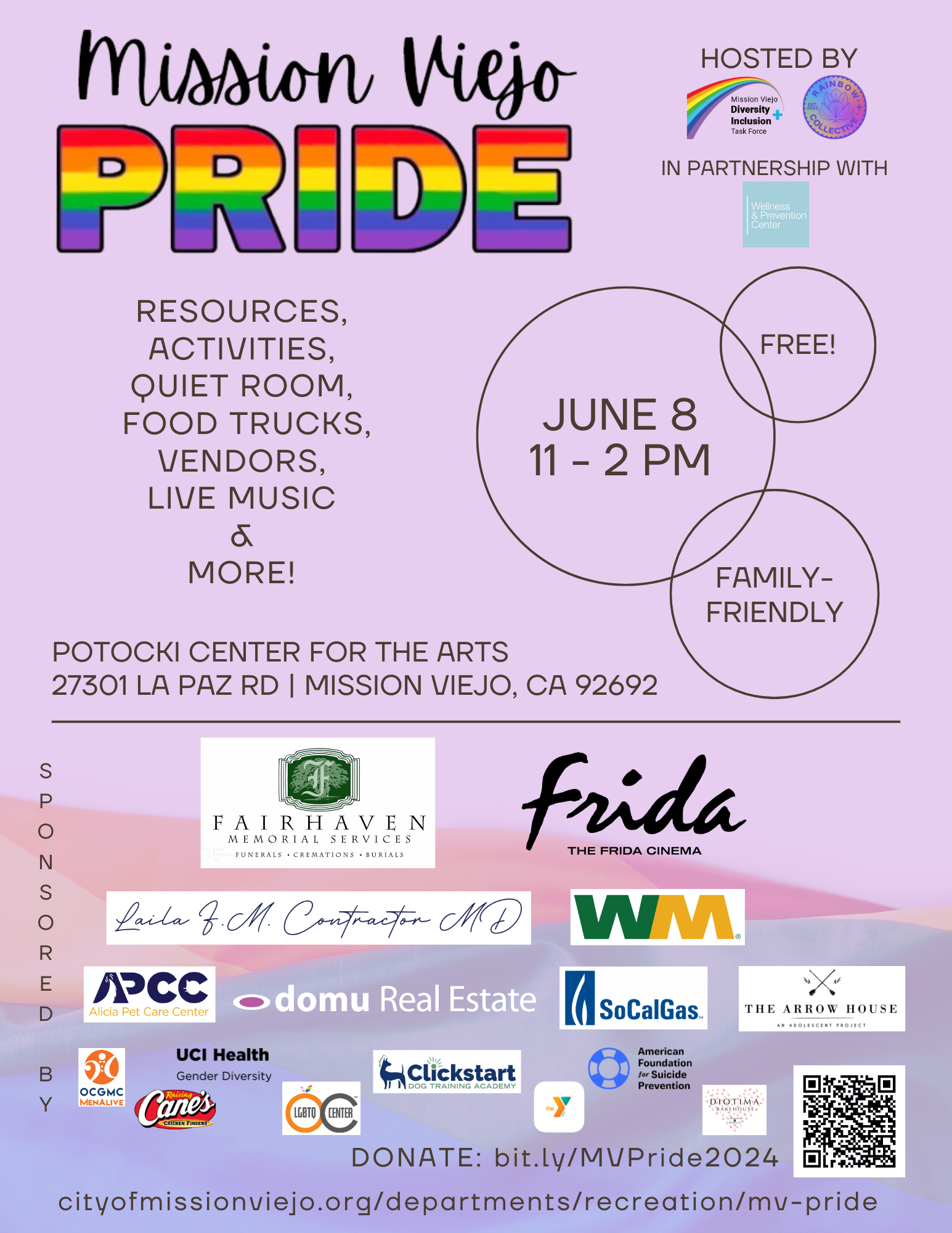
Looking for a new volunteer opportunity? Come help with the very first MV Pride event!

We are looking for help with setup, managing activities, or providing support throughout the day. Bring your family and friends and come celebrate with us at this fun and family-friendly event! Sign up to volunteer here.

If you can’t volunteer, please attend to help support this community event. You can find more information here: https://cityofmissionviejo.org/departments/recreation/mv-pride

Next Year Jitters

Whether you’re going into high school, Junior year, or Senior year, then obviously it’s going to be scary. As a sophomore who is going into Junior year, there are so many nerves that are just happening all at once. Especially now that you have to try harder in your academics for potential colleges and careers. One thing I’m glad I know though is that I’m not going through this whole feeling alone, so it gives me that sense of comfort. I asked a lot of my friends these questions about what they’re going to be doing for their classes next year and every response I get makes it seem like they have it all figured out, which I have to admit, I’m a bit jealous of.

It’s not that I know what I’m walking into next year in terms of academic courses, but it also runs down to the fact of how I’m going to handle it. One thing I tend to notice about myself is that I don’t know how to handle pressure, which is a skill I desperately need to work on, but at the same time, how does that benefit me for next year? Because I know that this year (or whatever grade you’re in now) determines a good portion of your life. I know everyone has their way of coping with certain situations, but there would also be a lot of doubt when I feel the walls closing in. Maybe it’s because of fight or flight reaction..?

I know a lot of schools right now are getting out for the summer right now, but thinking about next year kind of makes you think in a new light. How everything in your school career has gone into this very moment of now. Moving into the next grade and all that good stuff, embracing new and old peers, learning new subjects, it all seems a bit surreal. I could probably just be ranting here but the whole moving up to another level of school is very dawning, it just occurred to me that I’m entering junior year next year and mentally, I am not ready in the slightest.

But, I also think about the new things I will be enduring too, because high school is an experience that you can experiment with both the good and the bad at the same time, so it gives that good reflection too! I would say I’ve enjoyed these past two years so far, and it’s also nice to know that I’m in the same boat with a lot of people too. It’s sad but true, school does get harder as you go, but the only way we can actually persevere through the trials and tribulations is just to dive in head first and put in the work to make it all worth it.

Ronald Acuña Jr. 

Ronald Acuña Jr. ,number 13,  is a right fielder for the Atlanta Braves. He was born in La Guaria, Venezuela on 12/18/1997 now he is 26 years old, his height is 6 feet on the dot and his weight is 205. He was hitting very well in the 2023 season with a batting average of 0.337 which is the 2nd in the National League. He’s hit 41 home runs which is the 5th in the National League, and 106 RBI (Runs Batted In) which is the 8th tied in the National League. Also his OPS (On-base Plus Slugging) is 1.012, a good OPS for a MLB player is above 0.800 and he is .200 above the good OPS number. Also he stole 73 bases which only few people can steal more than 60 bases. He has been doing well in the postseason as well by hitting 2 home runs and 3 runs in. 

Fun Fact about Ronald Acuña Jr. 

  • He is the only player in MLB to at least hit 40 home runs and steal 70 bases in a single season. 
  • He became the fifth member of the 40-40 club in 2023. 
  • He signed with the Atlanta Braves for 100 million dollars for 8 years in 2019. 

The Basics of Camera Settings

Hello! I hope that you found my previous article about starting photography interesting. This article aims to help those with DSLRs (digital singular-lens reflex) Cameras learn their settings.

One of the first and most important things to learn about your camera is what mode you are in. This ranges from auto, portrait, landscape, food, sports, and manual. Most photographers use the mode manual, which allows full control over all the settings in a camera.

Here’s a list of what each letter stands for in the picture above:

  • A-Dep = Automatic Depth (of Field)     
  • M = Manual                
  • Av = Aperture Priority
  • Tv = Shutter Priority
  • P = Program
  • Green Box = Auto
  • No Flash
  • CA = Creative Auto

When starting out, try the Auto mode for the first couple of times. However, as you continue using your camera, you’re going to want to learn how to use manual mode.

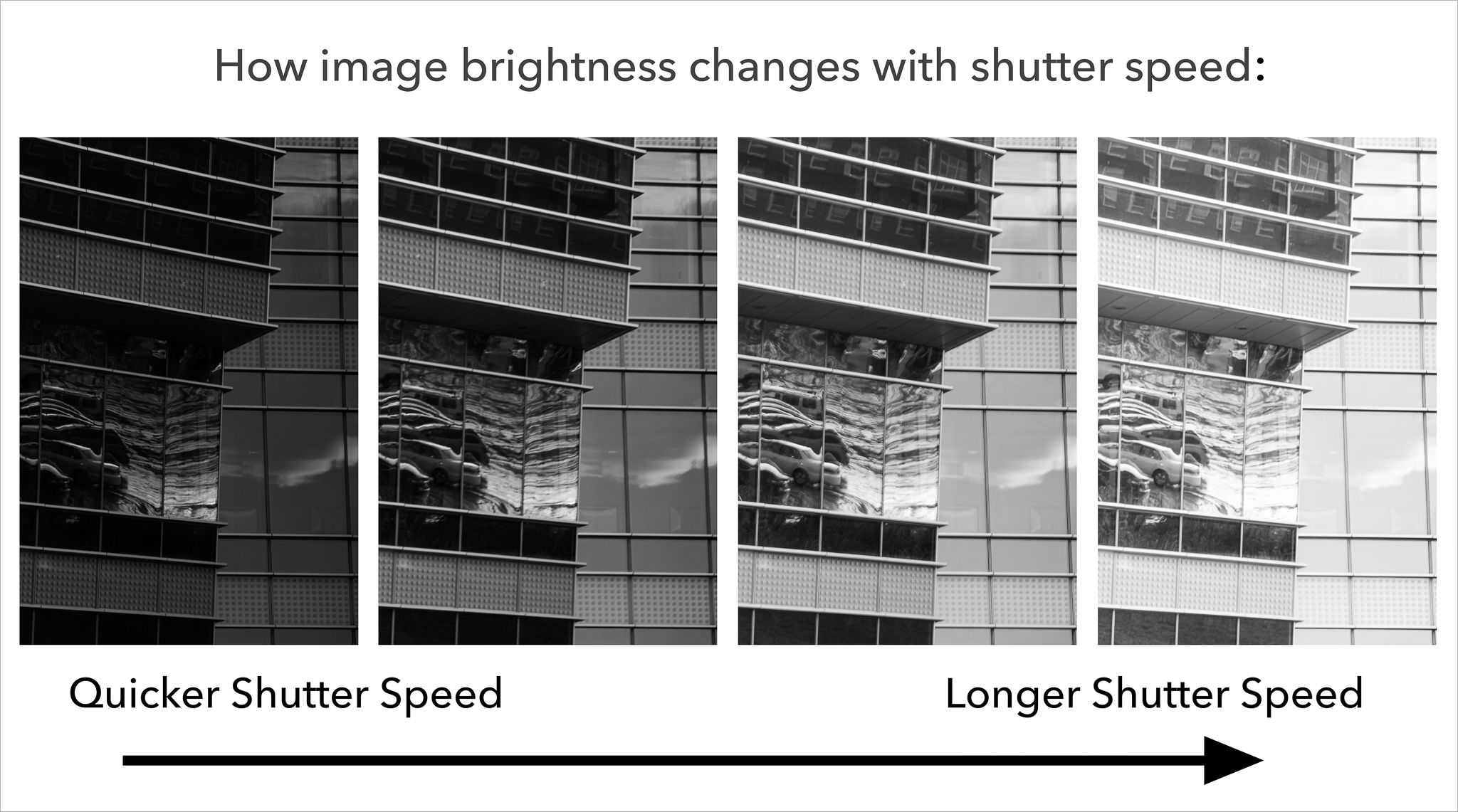
Next, you will want to learn the settings of a camera. The first is shutter speed, which controls how long (or short) your camera’s lens is open. Shutter speed is measured in seconds, and can go down to 1/1000 of a second on most cameras. The smaller your shutter speed is, the less light will enter your camera (and the faster it will capture a movement); use a small shutter speed when taking pictures of movement, or in bright spaces. Slower shutter speeds such as 5 seconds are often used for light painting, or for night photography. You can adjust your shutter speed by using the shutter speed dial, this is different for each camera, so make sure to search it up. I know this is probably confusing, so I’ll insert some helpful articles/videos at the end!

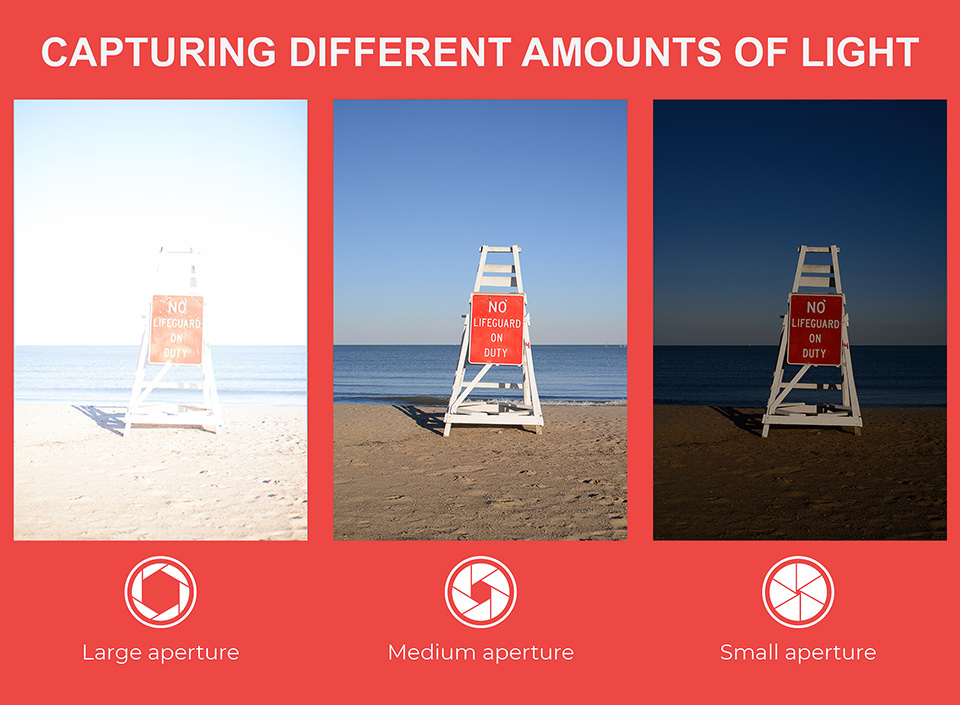
Another important setting is the aperture, also known as the pupil in your camera lens. According to Photography Life, “Aperture can be defined as the opening in a lens through which light passes to enter the camera” (Photography Life). Controlling your aperture makes the opening in the lens bigger or smaller. It is expressed in f-stops. A small aperture makes the hole in the lens smaller, meaning less light will come through. However, a large aperture will make more light come in. In addition to lighting, this setting affects your depth of field (what is shown in your photo–focused or unfocused). Aperture is confusing to learn about, so I’ll link a video in this article.

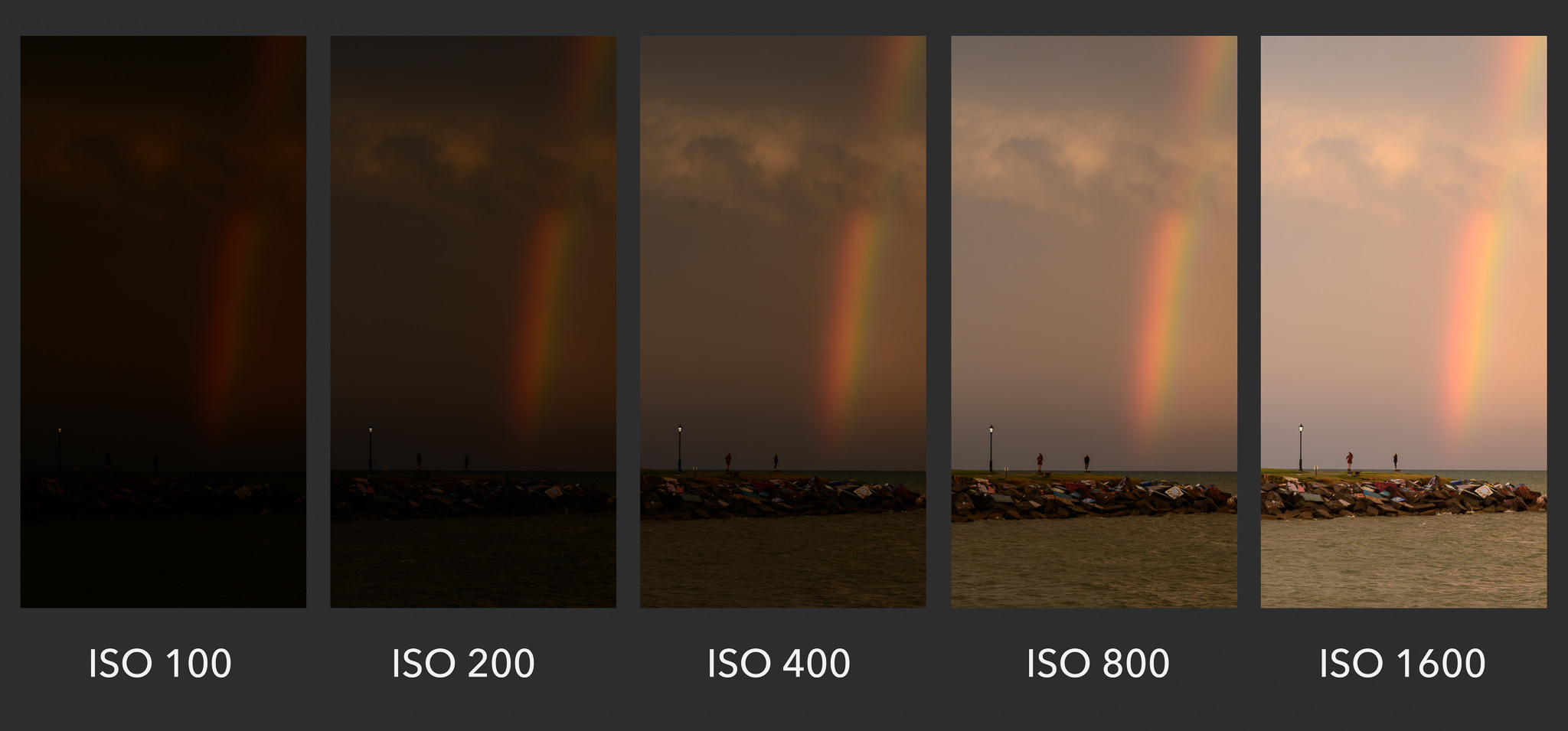
Finally, you’ll need to know the setting ISO. To simplify this term, ISO is a setting that will brighten or darken your photo. An ISO of 100 will darken your photo, but an ISO of 500 will brighten it. However, when using a high ISO, it creates noise–or graininess. You can adjust your ISO by pressing the ISO button on the right-hand side of your camera.

Hopefully, this article was helpful! Below are some helpful articles and videos that explain the concepts better than me. 

Camera Modes: article

Shutter Speed: article, video

Aperature: article, video

ISO: article, video

Video of an Overall Summary

Twice Baked Potato Recipe

Ingredients:

  • Russet Potatoes
  • Salt
  • Cream Cheese
  • Jalopenos
  • Bacon/Ham/Turkey
  • 3 eggs
  • Cheddar Cheese
  • Optional: Basil Pesto, Fresh Dill, Rosemary, Feta Cheese

Cook Time: 1 hour and 30 minutes

Gather all ingredients and preheat the oven to 350 degrees. Begin by washing your potatoes throughly

Ingredients:

Russet Potatoes

Salt

Cream Cheese

Jalapenos

Bacon/Ham/Turkey

3 eggs

Cheddar Cheese

Optional: Basil Pesto, Fresh Dill, Rosemary, Feta Cheese

Cook Time: 1 hour and 30 minutes

Gather all ingredients and preheat the oven to 350 degrees. Begin by washing your potatoes thoroughly under warm water and rub with salt. Let them soak in a tub of warm water as you prepare the other ingredients. Set out your cream cheese now until it reaches room temperature. Wash your jalapenos, basil pesto, rosemary, and fresh dill thoroughly and place them aside. Begin by taking out a pot and filling it with water to boil. Take out your potatoes from the water put them on a baking sheet that is oiled up with either olive or avocado oil. Now cover the potatoes in oil and place them into the oven to bake. While that bakes for an 45 minutes to a hour, fry up your bacon till your desired crispiness. Slice your potatoes down the middle lengthwise. Scoop the potato flesh out into the bowl and set the skins aside for later. Salt your potatoes until desired saltiness and mash it together. Add rosemary, basil pesto and fresh dill, stir thoroughly and mash together. Now mix a little bit of the cream cheese and cheddar cheese into the potato mix. Oil up your potato skins and add the potato mix back into the skin before placing it on an oiled up tray. Preheat the oven back to 350 degrees and add ham and cheddar cheese onto the top of the potatoes and place them back into the oven for 30 minutes. It will crisp up shortly and be ready to eat! Top with basil pesto, fresh dill, or feta cheese. Enjoy!