New Year’s Around the World

The moment midnight strikes signifies the end of one era and the beginning of a brand new one. New Year’s is a celebrated moment worldwide, with many celebrations and traditions taking place on the memorable night. These activities can differ though, depending on where you are.

One prime New Year’s tradition is the Times Square Ball Drop in New York City. New Year’s is a spectacle to behold in the Big Apple at the end, and also technically the beginning, of every year. The ball begins to fall at 11:59 PM, and settles at the bottom at exactly midnight, signifying the new year. Before the ball drops, famous singers can be seen performing in Times Square to nearly a million people, all packed in tight to witness the celebration.

In addition to New York, many Latin countries have traditions as well. One example is eating twelve grapes on New Year’s Eve. Each grape represents a wish or resolution for the coming year. Different variations exist with this tradition, including eating them under a table or toasting friends and family with them in a cup. Some other traditions include keeping a cup of water at the entrance to the home, throwing water out into the street, and packing a suitcase full of things and walk around the block, said to bring lots of travel into the new year.

Many Asian countries have New Year’s traditions as well. In Japan, people eat soba – which are long noodles made from buckwheat flour. This tradition is said to bring good luck and longevity in the coming year. In addition to this, Joya no Kane is a Buddhist tradition where temples ring their bell 108 times to clear away negative thoughts and feelings from the past year. China celebrates their own new year’s a few weeks later, and the celebrations last typically 16 days. Traditions for the Chinese include red envelopes, lanterns, bright red decorations and clothing, and fireworks and firecrackers.

Europe also has their own various traditions for the coming of the new year. Some countries in Europe wear red underwear to symbolize good luck, the same reason why Asian countries also utilize a lot of red. In Germany, people drink feuerzangenbowle, eat pfannkuchen, which are essentially pancakes, and watching “Dinner for One” has also become a common sight on New Year’s. In Denmark, smashing plates is a way to welcome a new year of luck and good fortune. The Scottish practice a tradition called “first-footing,” where usually a tall, dark-haired man is the first to enter a home after midnight, bringing shortbread, salt, coal, and more.

The Benefits of Norovirus

Currently, Americans are experiencing a huge outbreak of Norovirus (also known as the Winter Vomiting Disease). This means that many of us may be experiencing the effects of this virus now, recently, or in the near future. If you are sick at home like me, it can be tough to miss school or other activities. However, I have managed to scrape up a list of a few minor benefits* of having Norovirus.

Try New Things

When you have Norovirus, you can use the times you aren’t curled up in a ball to try new shows, books, movies, or games. This can be a great way to alleviate boredom and distract from how terrible you feel. You may even discover some new interests!

Get Work Done

Even though you can’t go to school, you can use your off time to catch up on some of the things on your “to do” list. For example, I’m writing this article while home sick with Norovirus! This might sound counter-intuitive since by missing school, you are guaranteeing yourself some make up work later. But if you dont want to be playing catch-up when you get back to school, try emailing your teachers asking for missed work ahead of time. This way, you can work on it at home.

Spend Time With Family

Chances are, if you have Norovirus, your family has it too (Norovirus is highly contagious). This means that you can spend time with them while you are all at home. Just make sure to keep a little distance– Norovirus mutates and you could re-infect them or yourself! 

Practice Positivity.

I admit, this one may be harder to accomplish while you are puking your guts out, but there are still ways to keep positive. Remember that the symptoms of Norovirus typically only last 1-3 days, so in 72 hours, you will most likely be feeling better.

In the end, life is full of ups and downs. Even in a situation like this, we can see how every cloud has a (however small) silver lining. I hope you enjoyed this article. To those who are sick right now: I hope you feel better!

*Take this advice with a grain of salt.

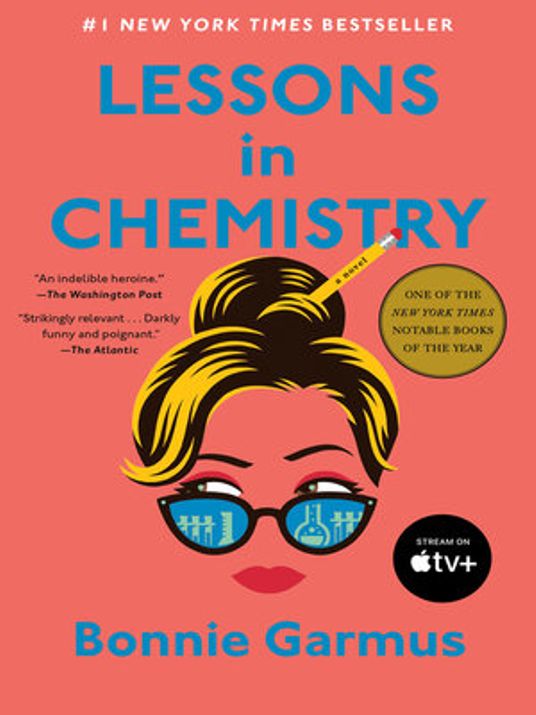
Lessons in Chemistry TV Show VS Book by Bonnie Garmus

Well for starters, this was a great show and an even better book. Although I broke the unspoken rule of watching the TV show first, I loved the show so much I knew I had to read the book too. Let’s just say, it did not disappoint.

In Lessons in Chemistry, the main character is an unsocial chemist named Elizabeth Zott. Sadly, she lives in the 1950s, meaning that she faces extreme sexism in every aspect of her career. Furthermore, Elizabeth is a very attractive woman, so she faces sexual assault and cruelty from the men and jealousy and catiness from the women. Personally, I wonder how her life would have been different if she was not as attractive. Back to the summary, Elizabeth does have a job at a science facility called Hastings in Common, California. There, she meets a man named Calvin Evans. They fall deeply in love and live together happily for about two years. They do not get married at Elizabeth’s request and do not have children, but the couple did have a very intelligent dog named Six-Thirty. 

Unfortunately, Calvin gets hit by a police car and dies. Then, to make matters worse, Elizabeth gets fired because she finds out she is pregnant with Calvin’s baby. In her prematernal rage, Elizabeth returns home and makes a lab inside her house to continue working. She also ergs (which is a rowing machine but on land) to keep healthy. When her daughter, Mad, is born, Elizabeth struggles to be a good mom. Her neighbor, Harriet, hears the screaming child and comes to help take care of her and offer support. Now with a 4 year old in kindergarten, Elizabeth has to find a source of income for her family. She gets a job working as a TV chef. On her show, Supper at Six, Elizabeth cooks while explaining the chemistry behind it. She is a huge hit and her show skyrockets. While her mother is on TV, Mad has a troublesome school project. She ends up talking to a minister for help, and later finds out he was a pen pal of her father. After that, (I’m almost done I swear), Elizabeth quits her job. She returns to Hastings and finds out that her sponsor who has funded her work was actually Calvin’s mother. However, the endings are different between the show and the book.

Ok, now that you have the summary for the idea, let’s get down to the differences between the show and the book.

Elizabeth’s Job at Hastings

Show: Elizabeth is a lab technician, showing sexism.

Book: Elizabeth is a chemist (although not respected).

Rowing

Show: It’s not really a key point or focus. It does appear, but not often.

Book: Calvin and Elizabeth row together often and even row with other men. Elizabeth continues to erg for a long time as it not only connects her with Calvin but makes her tired. 

Harriet Sloane

Show: Harriet is a young Black woman who lives with her loving children, as her husband is a soldier at war. She is also an activist.

Book: Harriet is an older white woman. She lives with her abusive husband and her kids are grown up. She is in a way a nanny for Mad and dedicates her time to the Zotts. 

Civil Rights

Show: Harriet is a huge activist. Elizabeth also lives in a predominantly Black neighborhood. Furthermore, Harriet and Elizabeth had important conversations and went to a protest together.

Book: Not talked about or mentioned at all.

The Ending

Show: Elizabeth becomes a chemistry teacher at a local college. 

Book: Elizabeth (is assumed) to return to Hastings as the Head of Chemistry. 

To sum up this entire article: read or watch Lessons in Chemistry, it’s great. I love it. I think it’s a deeper show, but it has so many light moments that it feels satisfying to watch/read. 10/10 Recommendation. 

Lessons in Chemistry by Bonnie Garmus is available to check out from the Mission Viejo Library. It is also available to download for free from Libby.

Book Review: A Growth Mindset for Teens

A Growth Mindset for Teens by Sydney Sheppard offers an empowering guide for teenagers transitioning from teen to young adulthood. Addressing the pressures of school, relationships, family, and societal expectations, this book is a lifesaver for me and those overwhelmed by uncertainty and self-doubt.

This book emphasizes the universal struggle that’s experienced by millions of young people. There are times in our lives when we feel anxiety and inadequacy; realizing we are not alone in our inadequacy really helps empower us. A Grow Mindset for Teens breaks down the concept of a growth mindset by comparing and contrasting it with a fixed mindset. Understanding differences, myths, and facts provide a powerful catalyst for change.

The book’s practical approach is its strength. The author provides many strategies for developing resilience and persistence, making the readers feel it’s all possible.

The neuroplasticity and cognitive reframing section offers readers concrete methods to rewire their thinking patterns and mindsets. Self-compassion, empathy, and gratitude introduce a holistic approach to personal growth, reminding readers that emotional well-being and mental work are equally important.

The 31-day growth mindset is a great challenge, making the journey interactive and engaging for me. I’m sure other teen readers as well. The book encourages readers to do uncomfortable things and step away from their family and friends. The discussion fosters a sense of community and gives the readers a sense of reinforcement for the concept learned. Also, growth is experienced as a collaboration between self and community.  

I like the author’s supportive tone, which helps me to feel reassured, supportive, and motivational throughout the book. t makes me feel like a mentor is guiding me throughout the book.

A Grow Mindset encourages readers to take ownership of their growth journey. This promotes and provides young people with a skill set to be more confident and open-minded to transition from teen to more mature young adult.

The book’s message is clear: What you think you will see. Our thinking will shape your reality.

I highly recommend this book, A Grow Mindset for Teens, as it is an invaluable resource and lessens my doubt about the complexities of emerging into the adult world. This book gives practical advice that equips us as young readers with the skills we need to thrive. Let’s Turn fear into empowerment, confidence, and breakthrough. A Grow Mindset for Teens is about confidently becoming the best version of yourself.

Let’s grow!

Bella H.

Humanity for the Environment, Not Vice Versa

Imagine two trees: one grows on the edge of a highway, while the other thrives deep within an untouched forest. Most people would agree that the second tree has a better chance of living a long and healthy life. If we tried to extend the life of the first tree, we might use advanced techniques like steroids or gene editing. However, the core problem lies in its environment, not the tree itself. The same principle applies to humanity—if we want to ensure a long and prosperous future, we must focus on improving the world around us. By understanding our impact on the environment, addressing the damage we’ve caused, and recognizing how a healthy environment benefits us, we can create a sustainable future.

Humans have profoundly shaped the environment, often to its detriment. The global population has exploded, quadrupling to eight billion in just a century, putting immense pressure on the planet’s carrying capacity. Already, 95% of Earth’s surface has been altered by human activity, fragmenting ecosystems and threatening wildlife. Pollution, such as plastics in the ocean, harms animals and ecosystems, while also affecting human health. Diseases like asthma and cancer have been linked to the emissions and waste we produce. Clearly, our current trajectory is unsustainable, harming not only the planet but also ourselves.

Thankfully, solutions exist to reverse this damage. Tackling issues like plastic waste, transitioning to renewable energy, and reducing greenhouse gas emissions can significantly mitigate our environmental impact. For example, adding filters to washing machines can reduce microplastic pollution, while investments in renewable energy can cut emissions and save trillions of dollars annually. Transitioning to cleaner transportation, like electric vehicles, is another vital step toward sustainability. These efforts not only repair the environment but also pave the way for a healthier, more resilient planet.

A thriving environment directly benefits humanity. Forests, for instance, provide resources essential to modern medicine and contribute to mental and physical well-being. Studies show that spending time in nature reduces stress, boosts immunity, and improves mental health. Additionally, shifting to plant-based diets can reduce food-related emissions and improve global health. By protecting and restoring the environment, we secure both our health and our future.

Some argue that geopolitical challenges make these changes difficult, as nations prioritize short-term economic gains over long-term sustainability. However, this mindset is shortsighted. Neglecting the environment today creates ethical and practical problems for future generations, much like leaving broken glass in the woods harms those who come after. Addressing these issues now is not only necessary but morally imperative.

In the end, improving our environment ensures humanity’s survival and prosperity. Just like the tree in the forest, we thrive when our surroundings support us. By acknowledging our impact, repairing the damage, and appreciating the benefits of a healthy world, we can build a sustainable future for generations to come.

The Life Saving Job: An Interview With An Endocrinologist

This is a part of a series of interviews with adults with different professions. This series was intended to assist teens as they figure out what job they would like in the future. This interview is with Dr. Nairi Berner, an endocrinologist.

Natalie: So, could you explain what endocrinology entails?

Dr. Nairi Berner: Sure. So, endocrinology is the study or the practice of medicine of hormones, and most people think of hormones as the things that help us grow from kids to adults or the way that our bodies change over time, but really, there are lots of different hormones that endocrinologists study and deal with. The primary ones are probably insulin, which is the hormone that is deficient in patients with Type 1 diabetes. We also deal with a lot of patients with thyroid problems, and hormones even play a part in keeping bones strong, and so men and women with a history of osteoporosis or poor bone density, we help them as well, so there isn’t a specific part of the body that endocrinologists are sort of responsible for looking at. We do look at the whole body because hormones are typically all over the body and have many, many system effects.

Natalie: What types of patients do you deal with in this medical field?

Dr. Nairi Berner: So as an endocrinologist, probably about 50% of the patients I see are people with diabetes, either Type 1 or Type 2 or some of the other rarer forms of diabetes, but also, people who have thyroid problems, bone problems, and problems with any other glandular issues such as the adrenal gland and the pituitary gland. Those are all sort of in our field, so we do see people with those types of problems as well, but a large portion of our patients are people with diabetes or metabolic disorders.

Natalie: What sparked your interest in this medical field?

Dr. Nairi Berner: Well, it’s not that I always wanted to become an endocrinologist, you know. To become a doctor or to become a physician, for most people anyways, the road is we go to college and then after college, we enroll in medical school and after four years in medical school, we take some exams and then pick a residency. Residencies are sort of more general fields, so I picked internal medicine because internal medicine is what we mostly think of just a regular doctor who is overseeing our overall health. It’s not a surgical field, it’s not a specialized field, but after doing an internal medicine residency for three years, you can choose to become an internist or a generalist or you can narrow your field down and do what is called a fellowship in one of the more specialized fields like cardiology, dealing with heart disease, or pulmonology, dealing with lung disease or oncology which deals with cancer, and endocrinology is one of those fields.

I decided to become an endocrinologist when I was an internal medicine resident, probably around the end of my first to the beginning of my second year. It’s really because I liked having a longitudinal relationship with patients. Endocrinology has a lot to do with looking at labs and numbers and trying to figure out what is going on as far as whether someone’s medication needs to be tweaked or whether they have a hormonal disorder in one part of their body that is affecting another part of their body, and really, those are the things that sort of drew me to endocrinology. You kind of get to have a little bit of a hand in everything. You build long relationships with your patients because the conditions that we deal with are chronic conditions, requiring long term management care, and in many cases, particularly with diabetes, you really become a partner in the patients’ treatment with the person and their family because diabetes is a condition that we of course use medication for, but in many cases, it really has a lot to do with lifestyle, diet exercise, all those things, and you really become more of a team member in the care of your patients

Natalie: That’s a very interesting way that you came about endocrinology!

Dr. Nairi Berner: Yeah, I really like what I do. I always say being a doctor is the best job in the world, I don’t think I could’ve chosen anything else, and I really love it. Endocrinology was definitely the best choice for me, but I think after medical school, people have many different options and most of us end up practicing medicine. The types of medicine we end up practicing are very very different and our day to day lives are very very different and I spend most of my hours in a clinic setting, seeing patients, surgeons are in the OR, there are other doctors who are primarily hospital based, seeing patients who are admitted to the hospital, and there are lots of different avenues after medical school and because medicine has become so special because there is so much knowledge out there and so many things are changing so quickly, it has become important for trainees to become experts in our field because we’re often sent patients with problems that are not in our field, and so even though they are a doctor, they may not know much about the care that we could provide.

Natalie: So, while we’re on the subject, would you say that endocrinology is a more popular field that more people pursue or that it is a more unique position? Why?

Dr. Nairi Berner: No, I wouldn’t call it popular. I wouldn’t say its unpopular, but I would say that probably a bigger portion of medical school graduates in the United States pick fields that are procedure based because that’s just what people like to do. For example, surgical fields and even fields like gastroenterology, where procedures are common or cardiology, where procedures are common, those are probably a bit more popular, but it really depends on the personality and the likes and dislikes of the person. The field of medicine is just as varied as anything else and offers a lot of opportunities. There are some people who go to medical school and do not practice medicine. They go into the business field or the health administration field or they join a pharmaceutical company, and that degree gives them the background and the education to be able to pursue those types of things. I wouldn’t call endocrinology popular, but it is a growing field because the treatment options we have for a lot of the conditions we treat has grown, and we have a lot more ways to treat people than we previously had.

Natalie: I agree. I feel like endocrinology will most likely grow to be more popular over time.

Natalie: I know that in all jobs, there are stressful factors as well as good factors. What are some difficult situations that must be dealt with in your field?

Dr. Nairi Berner: For better or for worse, we always try to do our best for patients, and it doesn’t always work out. It’s always tough when it happens, and that can happen for a number of reasons. It can happen that a person gets sicker because they weren’t able to get the medication that we prescribed or that they simply didn’t want to take it or because of bad luck. I think that when things go wrong in medicine, when a person doesn’t get better or gets worse or we need a treatment option for the patient that, for whatever reason we cant have, that’s probably the most frustrating and most difficult challenge to deal with.

Other than that, I would say, less often, but it does happen when we have a patient who we think has something wrong with them, who has some symptoms that are unexplained and we can’t figure out what condition they have, even to start treatment. That’s a lot more rare, but it does happen and that’s extremely daunting because those things will keep us up at night. I would say the only other thing that is probably true in all of medicine is that we have to work to have a good work-life balance, to make sure doctors are taking care of themselves, their families, and their own health, in order to come in and take care of everyone else. That can be challenging because our jobs are challenging. Fortunately, over time, most of us are able to achieve a reasonable balance.

Natalie: Yes, it seems like in the medical field specifically, there are a lot of stressful factors involved.

Dr. Nairi Berner: Yeah, there is a lot of stress. It is a very long arduous road to get to where you are going, and that road starts well before even medical school because getting into medical school is difficult. You really have to be determined, know what you want to do, and be able to commit, and there are a lot of lost hours with family and friends and that can be hard to swallow, but I think for people like me, there are a lot of doctors out there that know that this is what they want to do. They’ve known that for many years before they came doctors, and it’s a very very fulfilling career, and those moments are definitely worth it in the end.

Natalie: Lastly, are there any pieces of advice or resources that you would recommend to teenagers who are interested in this career?

Dr. Nairi Berner: Yes. So what I would say is for teenagers who are generally interested in the field of medicine is to start volunteering at local hospitals, and if they are particularly interested in the field of endocrinology, the American Diabetes Association is a great organization that fundraises for patients with diabetes and diabetes research and that would be a great resource for them to get started with.

I think it’s really important to understand whether you feel like the working environment is something that you’ll be able to handle, something that you like, and something that you enjoy. Do you enjoy being around people? Do you enjoy helping? Do you enjoy forming these relationships with patients? Do you like the science of medicine? It’s important to understand those things early in teenagers, certainly in college, because once you take the step going into the medical field, you’re sort of making a commitment at that point and I think it’s important to evaluate if it is something you really want, and whether you want to go into it for the right reasons, because it is challenging and it’s also a big commitment of your time, and the years when you are young and would rather be doing something else.

I remember as a teenager volunteering at hospitals and doctors offices. There are lots more options now because there are probably a lot of web based things that can be learned. The ADA (American Diabetes Association) is one of my favorite organizations to tell people to join because anybody can go on that website and look for opportunities for volunteerism for learning about diabetes and local events, so I would say that that would be a great place to start. Don’t be afraid to reach out to local doctors to see if they are willing to talk and share their experiences, because we love to see young people going into medicine, so we are always willing to share our experiences and help young people pursue this really wonderful career.

Natalie: Thank you so much for making time for this interview! I am sure that it will be a helpful guide to teenagers who are still deciding what career they would like to pursue. Goodbye!


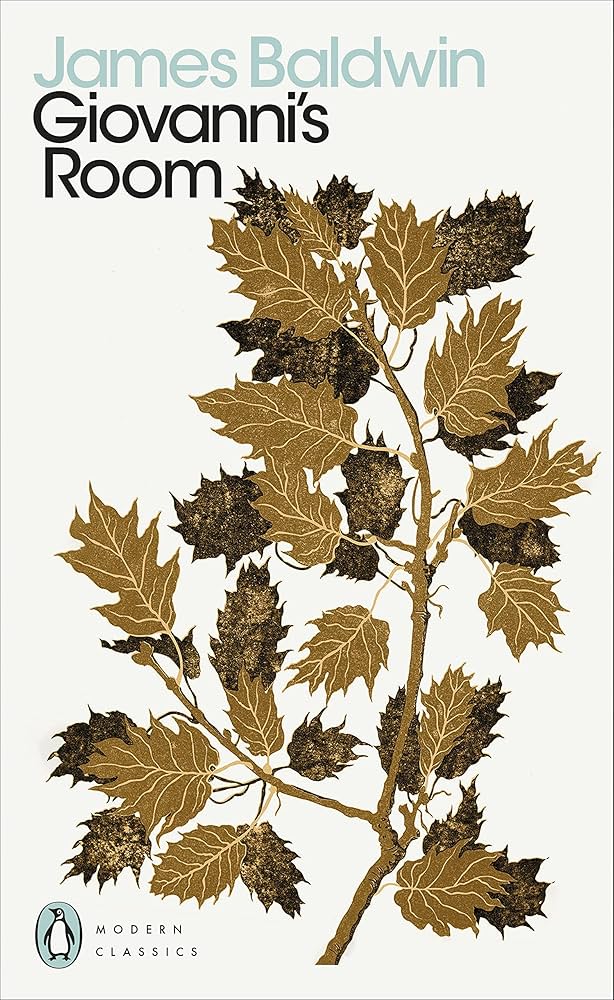
Why you should read Giovanni’s Room

NO SPOILERS

James Baldwin has quickly risen to become my favorite author of all time. I am someone who does not read romance books and actively refrains from reading books where the plot is solely on a romantic relationship. However, Baldwin’s writing style is very attractive to me. He has the ability to make someone fall in love with just the way he describes a room.

Giovanni’s Room is about an American named David, engaged to a faceless woman determined to “find herself” in Spain. Much like his fiancee, David uses every excuse to stay in their respective foregin country, delaying the marriage for months, although neither will admit it. As David starts to decline into debt he seeks help from his friend at a gay bar when he meets an Italian bartender whose childish emphaticness is in direct contradiction to the pessimistic American. David struggles with self- acceptance, denying to both himself and Giovanni of ever having feelings with a man before. This eats at him during the relationship as he feels both pleasure and shame at once. Throughout the book there is an impending doom, a clock counting down the days when David’s fiancée will eventually return to finalize the marriage, and David withholds this from Giovanni. Although this relationship was destined to turn tragic, they can’t help but becoming intertwined. Giovanni’s Room is about guilt, self-acceptance, and love.

Giovanni’s Room by James Baldwin is available to check out from the Mission Viejo Library. It is also available to download for free from Libby.

Best Running Shoes 

When working out or running, it’s important to find shoes that are comfortable and prevent injuries. After running for many years, I’ve found many brands with good-quality shoes that last a while. Currently, my favorite brands are Hoka and Asics; I also would recommend buying shoes from Brooks and Saucony.

  1. Hoka: In the past 3 years, Hoka has become one of the most popular athletic shoe brands. Not only are their shoes comfortable, but they are stylish and cute. When shopping for running shoes, you’ll quickly find that most are ugly. However, Hoka has nailed making great running shoes that are also pleasing to the eye. 
  • Clifton 9’s: As of now, I own the Clifton 9’s; these shoes are extra cushiony–a necessity for me because I have shin problems. Additionally, the Cliftons are versatile for everyday walking, running, and exercising. Like all of Hoka’s shoes, this model comes in multiple color choices ranging from blue to pink. 
  • Rincon: If you are looking for a shoe that is very light, the Rincons are a great choice for you. These shoes are more narrow in shape but can also be used for walking, running, and working out. One con to these shoes is that they are less popular, so fewer color choices are offered.
  1. Asics: Personally, this is my all-time favorite brand for running shoes. I’ve found that Asics sells shoes that are both lightweight and cushiony. In comparison to Hoka, I believe this brand is slightly better quality. (My brother has had issues with the tongue of the shoe tearing on his Hoka shoes.) Next season, I hope to get Asics again because I miss my old shoes.
  • Gel Nimbus: These are THE BEST shoes you’ll ever buy for running. My favorite thing about these shoes is that they have gel in the sole; this allows for a cushiony experience while still maintaining the lightness of the shoes. Asics are great shoes for people who have foot problems by providing great support.
  1. Brooks: When I first started running, this brand was where I got my first pair of shoes from. Overall, I think that Brooks is a solid company with good shoes. Their shoes are comfortable and are made of good quality; however, I feel that these shoes feel too chunky. While I prefer cushioned shoes, Brooks was too cushioned for me and felt heavy when running. Despite my opinion of Brooks, my mom loves this brand and only buys running shoes from them. My experience with this company has been great, but there are other shoes that I prefer. (Also, their colors aren’t as cute as Hoka/Asics.)
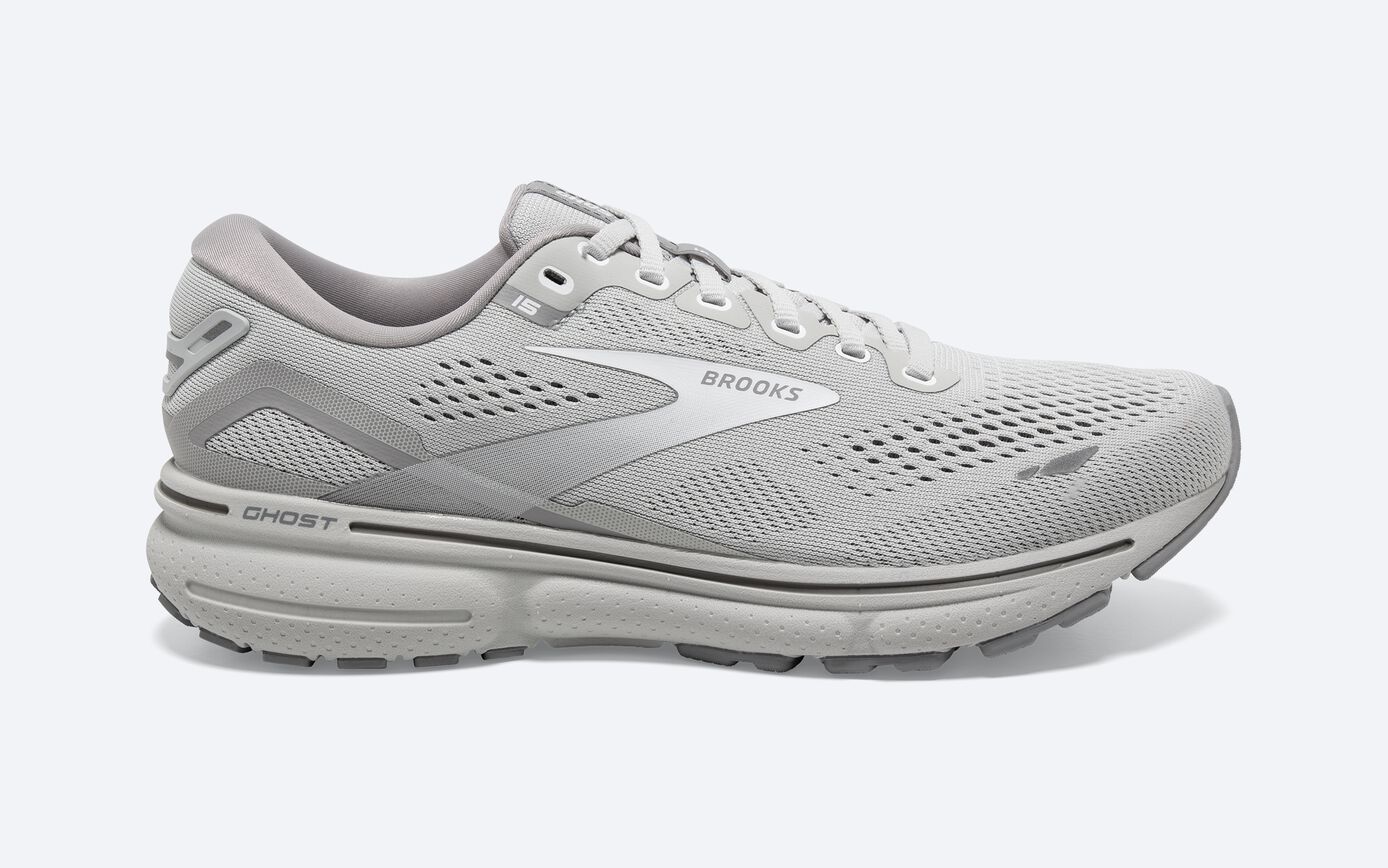
  • Ghost 15: Very cushiony and great for running on pavement, very supportive for shins and knees. This model is great for road running, walking, and trail runs.
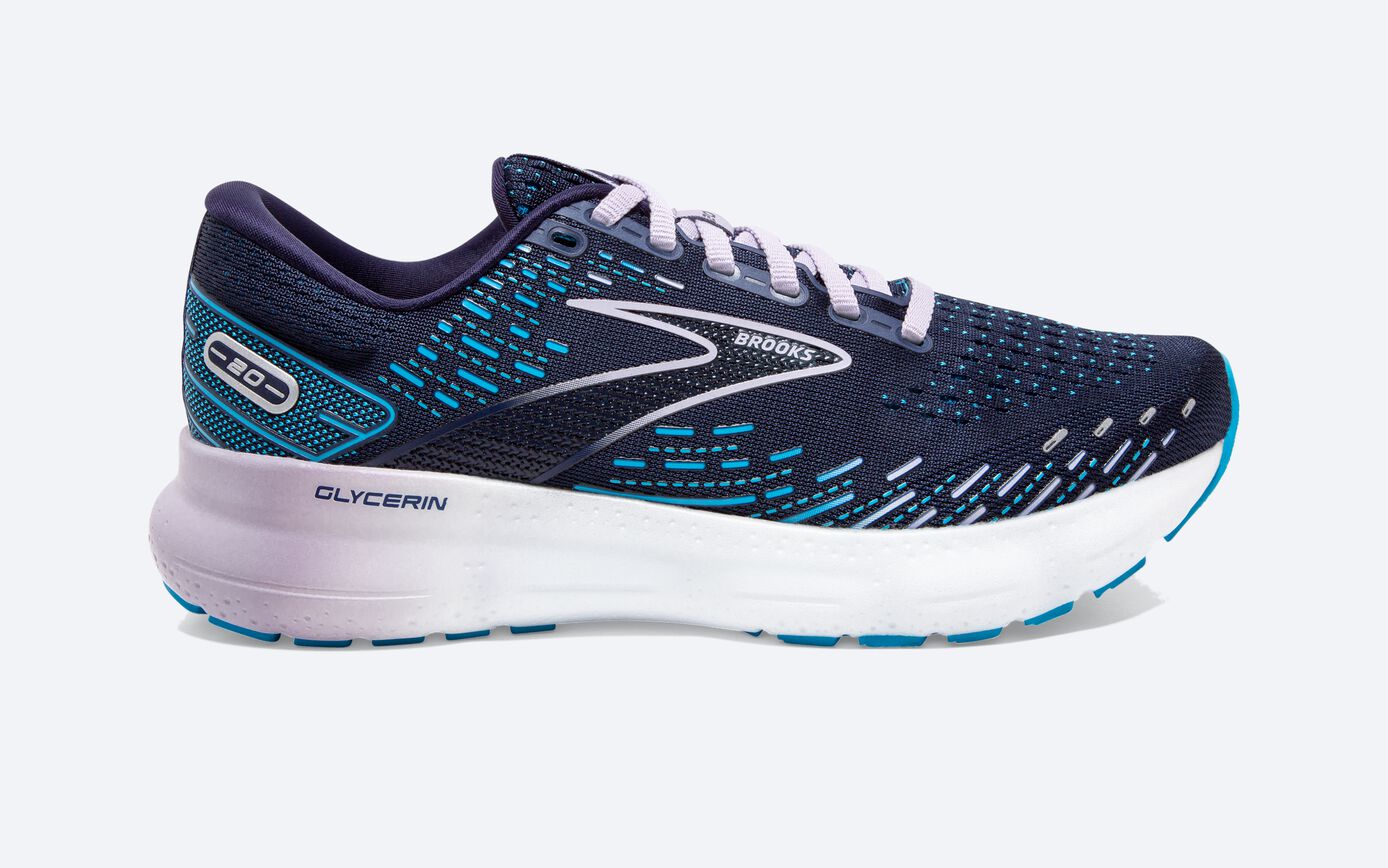
  • Glycerin 20: I was actually contemplating between buying this shoe and the Gel Nimbus when I was shopping for running shoes (the only prohibitor was the price). The Glycerin is great for feeling light and airy on runs, making each step feel supportive. Inside the shoe, the interior is plushy enough to mold a secure fit.
  1. Saucony: Last but not least is Saucony, I’ve never owned a pair of running shoes from them–only racing flats. Despite this, about 6 people from my team own Sauconys and rave about them. I’ve tried on my friend’s shoes and can testify that they are exceedingly comfortable. One of the Seniors on my team has had these shoes since her freshman year because they are reliable and pleasant to run in.
  • Triumph 21: Again, I have never owned these shoes before, but the Triumphs are Saucony’s most popular shoes (so they must be good).

Paperboy by Vince Vawter

Paperboy: Vawter, Vince: 9780385742443: Amazon.com: Books

Imagine taking on a job that’s way bigger than you expected—especially when you have to do it alone. That’s exactly what happens to 11-year-old Victor when he takes over a paper route in his Memphis neighborhood. Victor stutters, which makes it hard for him to talk to people and leaves him feeling different from everyone else. I found it inspiring how something as simple as delivering newspapers turns into a summer of bravery and self-discovery for Victor.

One part of the story I really liked was Victor’s relationship with Mr. Spiro, one of the people on his paper route. Mr. Spiro isn’t just a kind customer—he becomes a mentor to Victor, helping him see that his voice is important, even if he stutters. The notes Mr. Spiro writes for Victor are thoughtful and full of wisdom. Reading about their bond made me realize how much a single person’s kindness can change someone’s life.

Then there’s Ara T, the thief who brings danger into Victor’s world. Ara T is the total opposite of Mr. Spiro. He’s sneaky and scary, and when he steals from Victor’s house, it forces Victor to face his fears. I could feel Victor’s nervousness during these parts, and I was amazed by how he found the courage to stand up to Ara T. It showed me that bravery isn’t about being fearless—it’s about doing the right thing, even when you’re scared.

Victor’s housekeeper, Mam, was another character I really connected with. She’s tough, protective, and always there for Victor, especially when things get dangerous. Mam reminded me of people in my life who are always looking out for me, no matter what. Her strength gave Victor the confidence he needed to handle the challenges he faced that summer.

What I loved most about Paperboy was how real and relatable Victor’s journey felt. It wasn’t just about overcoming a stutter—it was about growing as a person and learning to face life head-on. This book taught me that everyone has challenges, but those challenges can make us stronger. If you’re looking for a story with heart, inspiration, and unforgettable characters, I highly recommend Paperboy.

-Adarsh V.

Paperboy by Vince Vawter is available to check out from the Mission Viejo Library. It is also available to download for free from Libby.

Cryptics: The Hardest Puzzles and How to Solve Them

Be warned- cryptics are not for the faint of heart. These puzzles are confusing, convoluted, frustrating, and absolutely mind-boggling, to beginner and veteran puzzlers alike. There so many different ways to interpret and solve these puzzles; even after you’re told the answer to a particularly difficult cryptic, you still might stare at the clues wondering, “how on earth did they get that from that?” Intrigued? Me too.

At first glance, the British cryptic looks a lot like the American crossword. However, all of the clues are like riddles, with more than nine different ways to interpret them. There are typically two parts to a given clue: the “cryptic” (the riddle and answer) and the “straight” (a synonym for the riddle’s solution). The straight always includes either the first or the last word of the clue, but you don’t know which one. Here are some of the many ways to solve cryptics, with examples from The New Yorker:

  1. Anagrams– indicator words usually connote violence (ruined, shattered), altered states (crazy, drunk), or reconfiguration (mixed, remade, new). EX: in the cryptic “Honestly crazy, in secret”, the word “crazy” suggests the word “honestly” should be anagrammed. This means that “in secret” must be the straight: a synonym for an anagram of honestly. In this case, the answer is “on the sly” (an anagram of “honestly” and a synonym for “in secret”).
  2. Hidden Word– words like “includes”, “hidden”, or “has” indicate that the answer is a sequence of letters hidden inside the clue. EX: in the cryptic “Error concealed by city police”, the word “error” is the straight. Another word for “error” is “typo”, which can be found in the middle of “city police” (ciTY POlice).
  3. Homophones: indicator words usually relate to sound and speech, like “heard” or “said”. EX: in the cryptic “Stringed instrument untruthful person heard”, another word for an untruthful person is a “liar”, and a homophone of liar is “lyre”, or in other words, a stringed instrument. So “lyre” is the answer.
  4. Double Definition: instead of having both a cryptic and a straight part, this type of clue has two straights, both definitions of the same answer. These are the only types of clues that are never combined with other wordplay. EX: In “Wear out an important part of a car”, a synonym for “wear out” is the verb “tire”, and “an important part of a car” is also a “tire”.
  5. Assemblage: this is a tricky one; there aren’t usually any indicator words for these clues. You have to break the answer into chunks and piece them together for your answer. EX: In the cryptic “Put down prosecutor’s animals”, “put down” is swapped out for “pan” and “prosecutor’s” is swapped out for “DAs” (as in district attorneys). Putting “pan” and “DAs” together gets you “pandas”, or another word for “animals”, this clue’s straight.
  6. Deletion: indicators include words like “headless”, “endlessly”, “first”, or “half”- a prompt to remove the start or end of a word. EX: In “A Creed of Christianity is 75% niceness”, 75% of the word “niceness” (6 of the 8 letters) is “nicene”, which is a creed of Christianity, the straight.
  7. Reversals: indicated by words like “turned back” or “reversed”, these clues are exactly what they sound like- just words in reverse. EX: In “Returned beer of kings”, “of kings” is the straight and “returned beer” is the cryptic. A type of beer is called lager, which, when reversed, becomes “regal”, a word meaning “of kings”.
  8. Container: another especially confusing type of clue. Indicators like “within” or “surrounding” prompt you to put one word inside another. EX: In “Horse in South Dakota is covered with spangles”, another word for “horse” is “equine”, and an abbreviation for “South Dakota” is “SD”. If you put “equine” in “SD”, you get the word “sequined” (SequineD), which is a synonym for the straight “with spangles”.
  9. Bits and Pieces: this type of clue has you select the first letters from a series of words. EX: In “House of Pain debuts ‘Jump Around'”, the first letters of “house of pain” are h, o, and p, which form “hop”. Hop is a synonym for “jump around”, which is the straight. So the answer is “hop”.

Most clues don’t just have one of these; they include multiple aspects combined! And it never tells you upfront which types it involves, nor does it tell you which part of the clue the straight is. If this brief explanation wasn’t too convoluted and confusing, and you find yourself intrigued by this boggling little puzzles, then I highly recommend trying out some of the New Yorker’s beginner friendly puzzles. Good luck, and happy puzzling!