Unknown's avatar

About BH

I'm a passionate teen blogger. Join me on my literary journey, where the magic of words awaits!

The Fascinating Truth Behind Common Superstitions

From lucky charms and talismans to four-leaf clovers, try your luck with these rational stories and learn the reason why we believe in these superstitions. Irrational as they might be, we all believe at least one or even two superstitions, and some of us even use them daily to avoid bad luck. 

So here we go, why do we have these intriguing superstitions in our daily lives, even if we don’t even think about them. From the common ones we all know about to the unorthodox ones that might surprise you, superstitions are like little rays of unexpected sunshine or folklore passed down through generations, shaping our beliefs and behaviors in ways we might not even realize. Whether you’re a firm believer, a skeptic, or somewhere in between, let’s dive in and explore stories behind these age-old superstitions that continue to sprinkle a bit of magic into our lives.

Have you ever wondered why opening the umbrella inside is considered bad luck? 

 This superstition comes from Egyptian and Roman folklore, where umbrellas were initially used to protect people from the scorching sun. They believed that opening the umbrella indoors was seen as a sign of disrespect to the sun god, Ra.

It’s also practical; opening an umbrella inside could knock over objects or hurt someone because of the small space.

Regardless of its origins, this superstition has persisted through years and generations, with many people still believing it today without even questioning why. Next time you reach for your umbrella inside, consider the superstitions and customs that have led to this interesting tradition.

Another superstition you hear people often say is  “Knocking on wood to avoid jinxing.” This has its roots in ancient pagan beliefs and rituals. The practice originated among ancient European cultures, where trees were considered sacred and believed to be inhabited by spirits or gods. People commonly touch or knock on trees to invoke the protection of spirits or gods, especially when expressing gratitude for good luck or seeking to ward off evil spirits. This superstition is still popular all around the world today. People continue to knock on wood reflexively in moments of optimism or to counteract any perceived negative influence that might jeopardize a positive outcome. 

Another popular superstition is the one about the black cat. This superstition surrounding black cats crossing paths came from various cultural beliefs and historical associations. In ancient Egyptian religion, black cats were considered sacred and believed to bring good luck, but this perception changed over time. During the Middle Ages, the Europeans believed black cats were associated with witchcraft and evil spirits, so encountering one could bring misfortune.

Despite where these folklore and superstition came from, many still believe that crossing paths with a black cat can bring bad luck. This idea has persisted through generations and influences how some perceive these animals. However, it’s essential to remember that superstitions are not based on factual evidence and should not dictate our interactions with animals or choices in life. I personally love cats, so I refused to believe this superstition. It’s essential to appreciate black cats for their beauty and unique qualities rather than fear them based on unfounded beliefs.

What about Lucky charms and talismans? These have a rich history that dates back to ancient civilizations worldwide. From the Egyptian Eye of Horus to the Celtic four-leaf clover, these symbols have been used for centuries to bring luck and ward off evil spirits. People believe in these objects’ power because they offer comfort and control in uncertain situations.

Lucky charms and talismans are rooted in the human desire for protection and positive energy. Whether you want to carry a rabbit’s foot or wear a protective amulet, these items provide a tangible connection to something greater than ourselves. While some may dismiss them as mere superstition, many continue to find comfort in knowing they have their lucky charms by their sides.

Belief in lucky charms and talismans transcends cultural boundaries, highlighting our universal need for faith, positivity, and a higher power. In a world of uncertainty, these symbols remind us of our innate resilience and ability to overcome challenges with grace and strength.

What about the belief that Spilling salt brings bad luck? 

Have you ever hesitated to pass the salt shaker across the table for fear of bringing bad luck upon yourself? This belief has its roots in ancient superstitions and folklore too. The famous origin story dates back to the Last Supper, where Judas Iscariot is said to have spilled salt, leading to his betrayal of Jesus.

Salt holds significant symbolism and is often associated with purity and protection in many cultures worldwide. Salt was a valuable commodity in ancient times, and spilling it was considered wasteful. This idea evolved into believing that spilling salt would anger gods or spirits and attract evil spirits. While many may dismiss this superstition as a myth, some still believe in it. 

Whether you believe in the powers of spilled salt, it’s fascinating how a simple act can carry such significance through history. Next time you spill some salt, take a moment to reflect on its cultural importance and remember that sometimes old superstitions can offer intriguing insights into our collective beliefs and traditions.

What about paraskevidekatriaphobia? The fear of Friday the 13th. This belief has its roots in ancient and modern cultural influences. This fear can be traced back to various cultures and traditions. One was the Last Supper when Judas Iscariot was guest number 13. The number 13 is considered unlucky in numerous cultures, making this Phobia even worse.

People believe in this superstition because it provides a sense of control over unpredictable events. We feel more prepared for potential misfortune on Friday the 13th by associating negative occurrences with a specific date. This belief is maintained through media portrayals as accursed, creating a self-fulfilling prophecy for some who dread its arrival. Despite the irrational reason to continue believing in superstition, this fear persists due to its embedded nature within societal beliefs and traditions. 

Next time, when Friday the 13th comes, remember that it’s just another Friday; luck is what we make of it, and a number does not dictate it.

Finally, the last infamous superstition, Breaking a Mirror, is often associated with seven years of bad luck, but have you ever wondered why seven exactly? Some believe it stems from ancient Rome, where mirrors were rare and costly, so breaking one was seen as a significant loss. This superstition reminds us of the importance of material possessions and how deeply superstitious beliefs can influence our actions. 

Superstitions continue to play a role in our lives that we might not even consider. From harmless rituals or traditions to deeply ingrained beliefs, superstitions add a touch of magic and mystery to our daily routines. These age-old superstitions had withstood the test of time. Next time you catch yourself or someone else crossing your fingers, knocking on wood, or saving a 7-leaf clover, take a moment to appreciate the folklore and magic of the age-old superstitions that have traveled through time. Continue exploring the stories behind these beliefs- you never know what unforeseen circumstances, insights, or connections you might discover!

If you are interested in reading more about this I recommend some books on this subject that are available in the Mission Viejo library below.

Why people believe weird things: pseudoscience, superstition, and other confusions of our time / Michael Shermer; foreword by Stephen Jay Gould.

A magical world: superstition and science from the Renaissance to the Enlightenment / Derek K. Wilson.

Happy Discovering!

Bella H.

Bungo Stray Dogs

Bungo Stray Dogs, created by Kafka Asagiri and brought to life by the illustrations of Sango Harukawa, presents a bewitching narrative set against the backdrop of Yokohama. This anime film was released in March 2018. A third season aired between April and June 2019. A fourth season aired between January and March 2023. A fifth season aired from July to September 2023.

The story orbits around the Armed Detective Agency, a cadre of remarkable individuals endowed with extraordinary powers to unravel endless mysteries. At the forefront of it all is Atsushi Nakajima, leading the agency through a maze of mysteries and challenges, bravely facing each enigma and obstacle head-on.

The series contains elements of mystery, action, the supernatural, and even some humor interwoven seamlessly in a world where select individuals possess extraordinary abilities, known as “Gifted.”

As the tale unfolds, readers find themselves irresistibly drawn into a captivating world where every unexpected turn feels like a personal invitation to unravel the secrets alongside these characters. Choosing your favorite character is inevitable, like picking your favorite ice cream flavor. And let’s face it, there’s always that one character who’s not quite your cup of tea—a bit like that quirky neighbor you pretend to be busy when they knock on your door. Of course, my favorite characters are not my friends, so we fought over that sometimes. But it’s all in good fun.

The vivid streets of Yokohama pulse with life, mirroring the complexities of the individuals who roam its pathways. With each chapter, anticipation builds, urging readers to join the characters on their journey of discovery and adventure, where surprises lurk around every corner, just waiting to be uncovered.

A unique element of Bungo Stray Dogs is its incorporation of real-life literary figures as characters, such as Osamu Dazai and Ryunosuke Akutagawa, making the series stand out more. Harukawa’s artwork in the manga is gorgeous and a great inspiration for me as a student of anime art. The series excels in creating a storyline that keeps readers engaged, with each arc getting better each time. Whether you’re a mystery, action, or literature fan, Bungo Stray Dogs is a thrilling manga series full of surprises.

Just like many of my fellow anime lovers, I was utterly hooked on this series. Every Wednesday after school couldn’t come fast enough because that’s when my friends and I would huddle together to watch the latest episodes. It wasn’t just a show; it was our thing, our particular time to bond over something we all loved. We laughed, gasped, and shared in the excitement of each new plot twist. Those moments were some of the highlights of my week.

If you are new to anime and manga, the adventure begins in Bungo Stray Dogs. This series isn’t just another story; it’s like finding a treasure chest with mysteries waiting to be unraveled. When you think you’ve cracked the case, another one just as mysterious awaits you and beckons you deeper into its spellbinding narrative.

The great news is that Bungo Stray Dogs is available at the Mission Viejo Library. So grab your siblings, friends, or anyone who shares a love for anime and dive into the world of Bungo Stray Dogs. Trust me, it’s an experience you won’t regret. You’ll be satisfied whether you’re turning the book’s pages or watching the series.

Happy Anime!
Bella H.

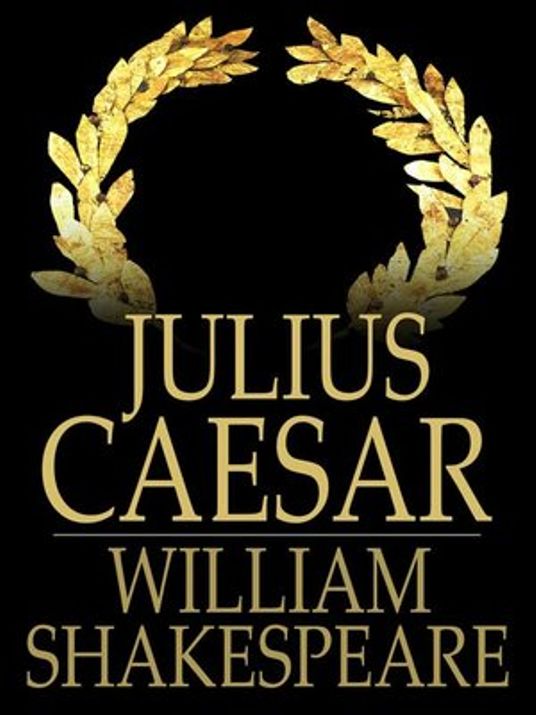
Julius Caesar by William Shakespeare Movie Vs. Written Play Review  

Watching Julius Caesar as a film versus reading it as a written play is a strikingly different experience. The visual of the movie brings Shakespeare’s words to life in vivid detail, allowing for a more immersive and dramatic interpretation of the story. The magnificent settings, costumes, and performances add layers of depth and emotion that may come across more strongly than the written form of the story on paper. Some of the texts are difficult to understand on paper if you aren’t reading them together with a teacher to explain them to you. 

However, there is a unique power to reading the original text of Julius Caesar in its written form. By engaging with the paper play, readers can analyze and interpret the language more closely, uncovering nuances in Shakespeare’s words that can be easily overlooked in a film adaptation. The ability to imagine the scenes and characters based solely on textual descriptions allows for a more personal and intimate connection to the story, fostering individual interpretations and insights that may differ from those presented on screen.

In comparing Julius Caesar as a movie and a written play, it becomes clear that each medium offers distinct advantages and charms. While the film captivates with its visual splendor and dramatic impact, the written play invites readers to delve deeper into Shakespeare’s poetic genius and explore their perceptions of this timeless tragedy. Both versions complement each other beautifully, providing audiences with rich opportunities to discover and appreciate one of Shakespeare’s most iconic works. I prefer the written play that we read in class. By reading it, I can imagine the whole story in my mind, making it a lot more fun. Whatever your choices, you’ll find that Shakespeare’s writing is brilliant, and we can appreciate the story no matter the medium. 

Happy Choices!

Bella H.

Julius Caesar by William Shakespeare is available for checkout from the Mission Viejo Library. Movie versions are available here. The play can also be downloaded for free from Libby

Summer Solstice of 2024: The Longest and Hottest Day of the Year

As we enter the peak of summer in 2024, nature gifts us with the Summer Solstice. This celestial event marks the longest day and shortest night of the year in the Northern Hemisphere. This astronomical phenomenon holds significant and natural importance in many cultures and various civilizations. This year, on Thursday, June 20th, at 1:50, we experienced the Sun at its zenith, casting the Earth in abundant daylight and warmth.

The summer solstice results from the Earth’s axial tilting a certain degree, 23.5 north to be exact; this tilt causes different parts of the Earth to receive varying amounts of sunlight throughout the year. However, during the solstice, the North Pole is tilted closest to the Sun; hence, the duration of daylight hours and amount of heat from the Sun in the Northern Hemisphere is more intense. As a result, we have longer daytime and shorter nighttime on this day, and it’s also the hottest day of the year.

The term “solstice” itself originates from the Latin words “sol” (sun) and “sistere” (to stand still), reflecting the apparent pause in the Sun’s movement across the sky as it reaches its highest point. This event has been observed and celebrated by cultures worldwide throughout history. Ancient monuments such as Stonehenge in England and Machu Picchu in Peru are believed to have been constructed in alignment with the solstices, highlighting their importance in early societies’ calendars and agricultural cycles.

The cultural significance of the summer solstice is shown in various traditions and celebrations. In many cultures, it’s a time for feasting, bonfires, and rituals celebrating to celebrate the power of the Sun and the abundance of summer. For example, the festival of Midsummer in Scandinavia and Baltic countries and the ancient festival of Litha, celebrated by modern pagans, are all rooted in honoring the solstice and its symbolic meanings of renewal, fertility, and the triumph of light over darkness.

The extended daylight during the summer solstice also affects ecosystem and wildlife behaviors. It’s the best time for growth and harvest because plants utilize prolonged sunlight for photosynthesis, promoting growth and vitality. All living things taking advantage of the extended daylight also adjust their behaviors.

In summary, the summer solstice is the Earth’s natural cycle and the interplay between our planet and the Sun. It’s a scientific event that also intertwines in a cultural and human celebration throughout history, reminding us of our connection to the rhythms of nature and the enduring significance of light as human beings.

Happy Summer Solstice!

Bella H.

From Playful Pups to Loyal Companions: Why Frenchies are good pets

Have you ever seen a French Bulldog and felt an instant connection with its adorable wrinkled face and bat-like ears? These tiny pups pack a punch of personality, making them the perfect addition to any family looking for a child-friendly pet that’s loyal and loving. Known for their affectionate nature and playful demeanor, Frenchies are not just any ordinary breed; they bring joy, laughter, and endless cuddles into your home. My sister has 3 Frenchies, and I can attest to their loving and playful nature. They are also very considerate of your feelings, and they all have their unique personality, just like children. There are so many reasons Frenchies are so popular as pets and why they’re stealing the hearts of so many across the globe.

They’re the perfect furry companion for your kids because of their playful and affectionate nature; that’s why they make excellent pets for households with children. Their compact size and sturdy build make them well-suited to handle rough play and active children. At the same time, their friendly demeanor ensures a loving bond with the whole family. I still remember my sisters Frenchie Dexie, Chloe, and Winston when they were pups and I was three. They were my companions while my mom and sister were busy or when my play day didn’t come. We would play chasing around the house for hours or just sit and listen to my audiobooks. They know when I’m tired and just want to sit and not run anymore. 

Beyond being great playmates, French Bulldogs are also known for their adaptability to various living situations. Whether you live in a spacious home or a cozy apartment, these tiny-sized pups will happily adjust to their environment. My sister moved a couple of times because of her job, from a large home to a smaller condo, and the Frenchies are still happy with that. They are so easygoing, which makes them ideal companions for busy families, as they require minimal grooming and exercise compared to other breeds. My sister’s Frenchies are hiking every weekend with her and their sibling Koda, a British shorthair cat; they can have more endurance than most people on the hike. They can hike for a couple of hours with minimal problems. French Bulldog is suitable for your family if you have a very active lifestyle. My sister’s Frenchies have been hiking in almost all the state parks in the US, and they are still going strong. We were on a couple of hikes together in Mammoth and some in California state parks.

Frenchies are charming and adorable. However, being aware of these dogs’ potential health problems is essential. One common issue is brachycephalic airway syndrome, which can cause breathing difficulties due to their flat faces. This makes it necessary for owners to provide a relaxed environment and avoid strenuous exercise in hot weather. So far, my sister’s French hasn’t experienced this problem, so I’m grateful for that as they are part of my family. 

Another health concern with French Bulldogs is spinal issues such as intervertebral disc disease. Their compact bodies and short legs put them at a higher risk for back problems that can lead to pain and mobility issues. Dexie and Winston experienced this problem and underwent surgery to correct it. Dexie passed away due to this very problem and complication in his surgery, but Winston is still with us, and he has had no problem since the surgery; he can still hike and is very active.

It’s essential to have regular vet check-ups, and monitoring their weight can help prevent these issues from escalating. Despite these health challenges, the love and loyalty that French Bulldogs bring into our lives make them truly irreplaceable companions.

Frenchies are a delightful breed known for their unique appearance, playful personality, and affectionate nature. Their compact size and low exercise needs make them ideal companions for smaller spaces or large homes and families with children. With their charming bat-like ears and expressive eyes, Frenchies never fail to capture hearts wherever they go. If you’re considering adding a pet to your family, why not consider the lovable French Bulldog? They will surely bring joy and laughter into your home like no other!

More research about pets and French bulldogs? Please check out the selection of books about them in the Mission Viejo library.

Frenchie Lover,

Bella H.

Exploring Arizona’s hiking trails.

During my winter break, I went on a road trip to Arizona with my sister, her two Frenchies, and her cat; it was a fun and exciting experience. Arizona is a unique and intriguing destination, with many trails and landmarks that provide an unforgettable experience. However, if you plan on visiting Arizona in the winter, pack layers and warm clothes. Arizona can be surprisingly chilly, with temperatures often hovering around forty to fifty degrees.

The most popular thing to do in Arizona is hit the trails for hiking adventures. I’ve explored various hikes, and let me tell you, it’s not a walk in the park, especially when I’m carrying my sister’s British English cat on my back. Koda, the cat, is bigger than the typical cat, making those uphill treks a bit more of a challenging workout.


One trail that stood out was Horseshoe Bend. The hike was surprisingly not too hard, and the top payoff was worth the effort. The view? Absolutely stunning. The only downside was that it was freezing up there, and my skin felt extremely dry. I would pack some lotion next time I go to Arizona. The hike back down was a lot easier, and the slope helped lighten some of the load on my back.


Then, there was the Soldier Pass Trail. Supposedly a leisurely hike, but it turned out to be more of a medium-level challenge. We aimed for the Seven Sacred Pools, a hidden gem with seven water pools that attract hikers and tourists alike. The uphill part of this hike was a bit more demanding, but the way down was a breeze. Remember to stick to the trail – nobody wants to get lost in the wild! So, if you want to up your hiking game, the Soldier Pass might just be the ticket.


The last four days of our trip, we wanted to change it up and explore other places. For a change of scenery, we headed to the West Fork Trail in Sedona, surrounded by towering red rock formations. This trail meanders along Oak Creek, crossing crystal-clear streams and offering glimpses of vibrant fall foliage. It’s a relatively easy hike, perfect for those who want to immerse themselves in nature without breaking too much sweat. It’s a relief since I’m still hiking with my sister’s cat.


During the last two days, we were eager for more excitement; we tackled the Devil’s Bridge Trail in Sedona, known for its iconic sandstone arch. The hike was a moderate challenge, but the anticipation of standing on the bridge motivated all of us. When I reached the destination, the feeling was nothing short of awe-inspiring, with the natural arch providing a stunning backdrop to the surrounding red rock landscape.


Arizona is an absolute blast for a short vacation, but if you’re considering extending your stay for more than a week, be prepared to face the scorching heat with an arsenal of moisturizers! As my sister drove into the heart of Arizona, we were greeted by many stunning landmarks and sights that left me utterly captivated and speechless. The unforgettable experiences along some out-of-the-box trails made every mile of the journey worthwhile. To all the intrepid souls gearing up to witness Arizona’s winter wonders, brace yourselves for the adventure of a lifetime! Have a safe trip, and soak in every moment!

Happy Hiking!

Bella H.

Rethinking my New Year Resolutions

Can you believe it’s already a couple of months into 2024? If you like me and have a list of New Year resolutions to accomplish this year, you will understand what I’m going through. Reflecting on the resolutions I set for myself at the beginning of the year, I’m disappointed. 

As a teen, I’m no stranger to the ebb and flow of enthusiasm that comes with goal-setting. At midnight on New Year’s Eve, I was excited, armed with a list of resolutions I was convinced would transform my life, maybe just a little.

Yet, as the days turned into weeks and the weeks into months, that initial spark of determination began to flicker. School assignments piled up, extracurricular activities demanded more of my time, and the daily grind of teenage life overshadowed my lofty aspirations.

It wasn’t until recently that I took a step back to reassess where I stood with my resolutions. Sitting down with my journal, I flipped through the pages, revisiting the goals I had written down with such fervor months ago. Some seemed laughably unrealistic now, while others felt attainable with some recalibration.

One resolution that stood out to me was my commitment to prioritize self-care. I neglected my well-being in the craziness of school, friends, and obligations. Late nights cramming for exams had become the norm, and exercise had taken a backseat to whatever needed to be done. I realized I needed to prioritize self-care to thrive and not just survive.

So, I started small. I set a bedtime for myself and stuck to it religiously, no matter how tempting it was to stay up late scrolling through social media. I put time into my schedule for exercise, whether going for a run or practicing yoga in my bedroom. Most importantly, I learned to say no to activities that drained me mentally and emotionally, choosing instead to spend my time on things that brought me joy, fulfillment, and a bit of relaxation.

Another resolution that needed a bit of tweaking was my goal to improve my grades. While aiming for straight A’s sounded impressive in theory, the reality was that I was spreading myself too thin trying to excel in every subject. Instead, I focused on critical areas where I could improve significantly. I sought extra help from teachers, formed study groups with classmates, and adopted better time management strategies to stay on top of my assignments.

Reflecting on my journey over the past few months, I realize that the key to success lies not in grandiose gestures or sweeping declarations but in our small, everyday choices. It’s about showing up for ourselves, even when it’s hard, and adapting and evolving as we grow. So here I am, rekindling the flame of my New Year’s resolutions, armed with a newfound sense of purpose and determination to make the most of the rest of this year. I hope you also rethink your New Year resolution so it brings you the joy of a little victory every day.

If you need help starting or know what to do with a healthy way to set goals and resolve them, I invite you to check out some of these books from the Library.

Total Teen, Tracy Anderson’s Guide to Health, Happiness and Ruling Your World.

You, the Owner’s Manual for Teens

A Guide to A Healthy Body and Happy Life

The Secret to Teen Power by Harrington, Paul

The Self-esteem Habit for Teens

50 Simple Ways to Build Your Confidence Every Day by Schab, Lisa M.

Here’s to everyday victory!

Bella H

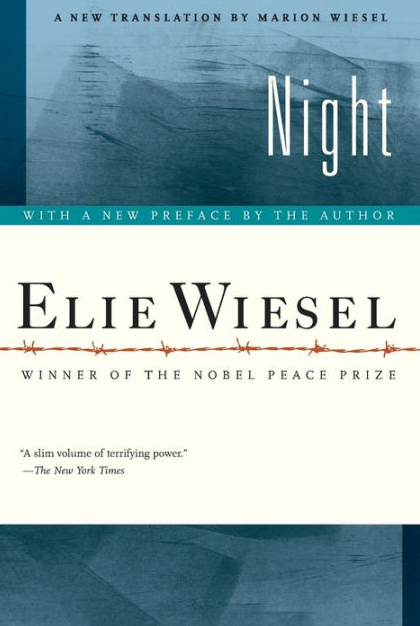
Night by Elie Wiesel

I must confess that when I first learned that we would be reading Elie Wiesel’s Night for my English class, I felt a mixture of anticipation and trepidation. But what can I say? It’s a requirement, so I read it with little to expect. I was wrong in many ways. Just a warning: this review contains spoilers.

It is a memoir that speaks about Wiesel’s experiences as a young Jewish boy during the Holocaust. Wiesel doesn’t just recount events; he invites us to walk beside him through the labyrinth of his memories, where each step is heavy with the burden of the past as he recounts his life in the small Transylvanian town of Sighet.

In the tranquil streets of Sighet, we glimpse the idyllic innocence of Eliezer’s childhood; young Eliezer’s world is filled with the simple joys of family, friendship, and the pursuit of knowledge.

He studies the Torah and the Kabbalah, taught by Moishe the Beadle. His studies are cut short when his teacher is deported. Months later, Moishe comes back, saying that the Gestapo took charge of his train, led everyone into the woods, and butchered them. Nobody believed him and called him insane. Then in the spring of 1944, the Nazis take over Hungary. The Jews of Eliezer’s town are forced into small ghettos within Sighet. They are herded onto cattle cars and forced to spend days and nights crammed into the car, exhausted and near starvation, until they arrive at Birkenau.

Wiesel recounts his journey through the terror of Auschwitz and Buchenwald, where he experiences the brutality of the concentration camps firsthand. Wiesel sees many horrible things that scar him for life, recounting his and the experiences of many who had tried to hide whatever happened. Wiesel doesn’t hold back and tells everything, all the terrible things he went through during the Holocaust. He doesn’t sugarcoat it or leave anything out. This honest account of his experiences helps us understand how awful it was and how much it hurt him and everyone else who went through this dark time in history. I found myself transported there with him as he struggled to survive.

In the end, Night is more than just a memoir; it is an essential memory of one of the darkest chapters in human history, the Holocaust, and what many had to go through during that tragic time. It’s also a reminder that even in our darkest moments, there’s hope to be found. The memoir is exceptionally well-written and retells an authentic and meaningful story. Through his assertive storytelling and unflinching honesty, Elie Wiesel ensures that Holocaust victims will never be silenced. If you want to experience this memoir, it is available at Mission Viejo Library.

Here’s to a new reading experience!
Bella H

Night by Elie Wiesel is available to check out from the Mission Viejo Library. It is also available to download for free from Libby.

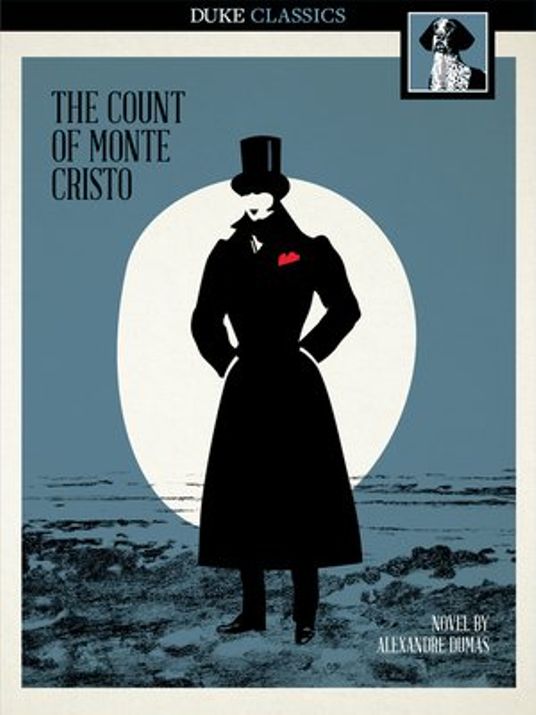
The Count of Monte Cristo Book or Movie Review

The Count of Monte Cristo by Alexandre Dumas is a literary masterpiece with numerous movie adaptations. The novel’s essence, with its tale of betrayal, revenge, and redemption, remains intact across various film interpretations. However, as with any book-to-movie transition, inherent differences arise due to the nature of these two different mediums.

With hundreds of pages, Dumas’ novel provides an immersive experience, allowing meticulous character development and exploring plot intricacies. The book offers readers a glimpse into the complexity of Edmond Dantes’ mind, unraveling his psychological and emotional evolution with unparalleled depth. The novel also has subplots and details, enriching the narrative with layers that may be challenging to fully capture in a shortened movie format.

On the other hand, constrained by time limits, film adaptations must distill the novel’s essence into a finite duration. This often involves streamlining the narrative, potentially sacrificing some of the novel’s depth for brevity. Characters may be condensed, and certain subplots may be omitted to create a more streamlined and accessible viewing experience. However, this condensation does not necessarily diminish the story’s impact; it offers a different perspective, emphasizing visual storytelling, performances, and cinema to convey emotions and critical moments.

The power of cinema lies in its ability to bring stories to life immediately. The visual spectacle, coupled with a carefully curated musical score, can enhance the emotional resonance of pivotal scenes. The beauty of cinematic landscapes and actors’ charisma breathe life into characters, making them tangible for audiences. Yet, the challenge lies in balancing the need for brevity with the desire to retain the essence of the source material.
The Count of Monte Cristo, in both books and movies, is a captivating exploration of human nature, vengeance, and the indomitable spirit. Each medium, the written word or the silver screen, brings unique strengths to the narrative, offering audiences distinct but complementary experiences of this classical literary. Whether reading the novel or watching a movie adaptation, the tale of Edmond Dantes continues to captivate and resonate across generations.

So which is better? This is a subjective question, depending on the individual and preference. Some readers like me prefer the novel because of the reading experience. I appreciate the depth of the story, the subplots, and the character’s descriptions. Others may like the movie for the immediate emotion and the visual performances. Maybe you want both. Either way, it’s well written, and that’s why the Count of Monte Cristo earned its name in classical literature. What would you choose, a book or a movie?

Happy choices!
Bella H.

The Count of Monte Cristo by Alexandre Dumas is available for checkout from the Mission Viejo Library. It can also be downloaded for free from Libby

Bella’s Delicious Pumpkin Bread 

Living a gluten-free lifestyle can be difficult sometimes. Still, thanks to my mom, I learned to enjoy many different kinds of food, including bread, cookies, cakes, pies, and others that wouldn’t be gluten-free. 

Gluten-free pumpkin bread is a delightful treat that combines the comforting flavors of pumpkin with a health-conscious choice that I can enjoy even being gluten-free. This particular bread variation caters to individuals with gluten sensitivities or those adhering to a gluten-free lifestyle like me. 

When it comes to homemade gluten-free pumpkin bread, the advantages are numerous. By making bread at home, I can control what ingredients to put in, ensuring the absence of hidden gluten sources or unwanted additives commonly found in store-bought varieties. Additionally, when making bread at home, I can customize it according to my preferences, such as adjusting to make it less sweet or incorporating alternative flour for added nutrition and the kind of sweetener healthier alternatives like dates, coconut sugar, or even monk fruit sugar. Below is our bread recipe to make in the fall when abundant pumpkins are in the farmer’s market.

Ingredients:

· 2 cups gluten-free all-purpose baking flour 

· 3/4 teaspoon baking soda

· 1.5 tablespoon cinnamon

· 1.5 cup pumpkin puree ( or can pumpkin puree)

· 1 cup coconut sugar

· ½ maple syrup

· 1/2 cup coconut oil

· 1/2 cup almond or coconut milk

· 2 tablespoons vanilla extract

Baking Instructions:

1. Preheat oven to 375 degrees F. Grease a 9 x 5 bread pan.

2. In the Vitamix, add the wet ingredients first, then the dry ingredients, and blend at medium speed for 30 seconds or until all combined.

3. Don’t over blend – 1 minute max. Use your spatula to scrape down the batter since it will be thick and sticky.

4. Pour batter into the loaf pan. Sprinkle some cinnamon and coconut sugar on top.

5. Bake for 35-40 minutes. And check with a toothpick. Bread is done when the toothpick comes out clean. 

6. Leave the bread in the oven for 5 minutes after turning off the stove. 

7. Cool the bread on the rack and slice it about an inch thick for each slice. Store in the bread box or plastic bag. 

8. Bread can be on the counter for 2-3 days, no more than 4 days. Or in the fridge for 5-6 days. You can also freeze it for up to 4 months.

Happy Baking!

Bella H.