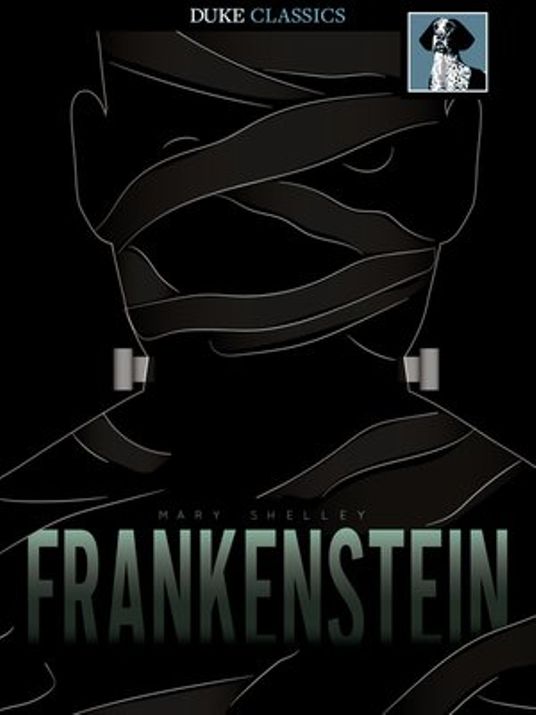
Frankenstein by Mary Shelley

My final book of the school semester was Frankenstein by Mary Shelley. Coming into this final stretch, I just wanted to get it over with. For years, I thought I knew the story of Frankenstein and that this unit would be a breeze since I knew the basics. I was immediately proven wrong when I learned that the Creation didn’t even have a name and the name Frankenstein was actually the name of his creator. 

The story of Frankenstein follows the telling of Victor Frankenstein’s life. The novel switches between three different narrators, Robert Walton, Victor Frankenstein, and the Creation. It begins with letters by Robert Walton who comes across Victor as he travels. Victor then tells his tale to Robert. Victor goes through his childhood and life, the making of his Creation and why Victor is so obsessed with following and capturing his Creation. Throughout the novel he talks about his tragedies and failures. Most importantly, he laments his mistakes in bringing this Creation into the world and putting mankind in danger. 

As the novel was based on Romantic ideals (written during the Romanticism period), much of the novel involves life and nature. Shelley’s Frankenstein was one of the biggest works that reflected the romantic period through the idea of creating, love (or lack thereof) and the effect society has on life. I enjoyed the idea that Shelley formed that nature was alive and a being not to be altered or tested. Especially how nature messed with Victor as its own warning or revenge against him for trying to defy its laws.

I really liked how I became invested in the book. I don’t think I could have been more infuriated with a character more than the main character, the main storyteller; Victor Frankenstein. This was one character that really made my blood boil. Victor Frankenstein is the kind of guy who only thinks about himself, pays no attention to how his actions could affect those around him, and is one to pin the blame on anyone except himself. I found myself rooting for the Creation despite him also committing major acts of violence. 

That was something I also found interesting. It was hard to pick sides. Both Victor and his Creation could be considered monsters to humanity. Victor for ignoring his entire family to fulfill a goal he ended up scrapping, being so inhumane to his own Creation and not giving his Creation a chance to have a life to enjoy; the Creation for the various crimes he had committed onto humanity such as murder and arson. While I’m obviously biased, others can look at their stories in a completely different way and disagree with my interpretation. A great part of Shelley’s novel is the idea of perspectives and how it is told. She makes this a much more conflicting story due to the different perspectives she created in her characters and their own reasonings and actions.

Overall, Frankenstein was a good book to end the year on. It was an easy, quick read that still was interesting in both its themes and characters. Shelley is a fantastic writer to create such emotion inducing characters. I feel like I could do a character study and discussion for hours from what she has written. I would definitely recommend Frankenstein to others. Despite being such a well known story, there is still much to read and learn from it.

-Nicole R.

Frankenstein by Mary Shelley is available to check out from the Mission Viejo Library. It is also available to download for free from Libby.

All Quiet on the Western Front by Erich Maria Remarque

Having started my World War One unit in my history class, I remembered I had read a book on it. All Quiet on the Western Front by Erich Maria Remarque is a historical fiction novel I read all the way back in November for my English class. We were given the choices of either reading a book about World War Two or a book about World War One. I made the decision to read the one about World War One, realizing I had barely any information on it in my head. 

All Quiet on the Western Front is set in Germany during World War One following Paul Baumer, his friends and other young men. Throughout the novel, they are slowly losing the spark of fighting they had when they first started. The novel goes in depth on the lost ideologies of war and how they were tricked into becoming patriots of their country, unknowing of what they are fighting for. It’s a gruesome story of loss and reveals the realities of war and what it is like being out on the front lines.

At first, I didn’t really find the novel all that interesting. I am not usually one to watch war films or read war related books. I’ve always been more of a fantasy kind of person. But as I read through this novel, I found more to the simplicity of what I had deemed to be “just a war story.” The novel focuses highly on the small moments outside of war, what happens during battles, what happens to others and the aftermath of war on people. Remarque does a great job on illustrating scenes with her descriptions of the battlefield and the conditions of war back then. We see it when we travel with Paul as he experiences different battlefields, the pain of coming back to and leaving his family, and losses of friends and family. I enjoyed reading this point of view as through Paul’s eyes, I was able to see and live through the emotions and intensity that were experienced in trench warfare and war in general.

However, seeing the ideology of the soldiers fighting in the war was what really interested me. It was the fact that they were young men that didn’t know what they were fighting for that really got me thinking. The strength of nationalism and propaganda on the younger generations is incredibly useful in getting them to do what others want, despite them not truly knowing what they are signing up for. They risk losing their lives and they completely lose their innocence, childhood, and will to live fighting for something they don’t understand; a theme touched throughout the entire novel. I found this theme to be the most striking, something I still remember now even though it’s been a while since I’ve read the book.

While I was skeptical of this book at first, All Quiet on the Western Front was a delightful read. It was difficult at times, because of the strange pacing, but looking back at it now, it really helps to add to the story and pacing of war. I also got to learn more about World War One and what it was like. I definitely recommend this book, for knowledge and the historical portion of it but also because it’s an interesting and emotional read.

-Nicole R. 

All Quiet on the Western Front by Erich Maria Remarque is available to check out from the Mission Viejo Library. It is also available to download for free from Libby.

Enola Holmes 1 & 2

I have known Millie Bobby Brown since she starred in Stranger Things. Although I didn’t watch her there, I did watch her in Enola Holmes. I had never actually watched or read the Sherlock Holmes series, though I’ve been wanting to. Sherlock Holmes just seemed like a big commitment, being such a long series in books and shows, that Enola Holmes seemed more intriguing. Enola Holmes was a Netflix movie series starring Millie Bobby Brown as the protagonist. There are currently two movies out so I’ll talk about both of them in this. 

Enola Holmes is about Sherlock’s younger sister who does her best to make a name for herself without the reputation or help of her older brothers, Sherlock and Mycroft. In the first movie, she begins her journey in search of her mother who went missing, trying to avoid her brothers in order to prove her independence. Here she meets a recurring character named Tewkesbury, whom she helps throughout the movie, multitasking in helping Tewkesbury and discovering clues left by her mother. She finds clues relating to women’s rights but does not find her mother. While she may not have completed her first goal, she does end up gaining the support from Tewkesbury, who proves to be important to Enola’s future endeavors.

In the second movie, Enola takes on her first real request as an established detective. She is asked to help find another missing person relating to the real story of the Matchgirls Strike. In the end she teams up with Sherlock and Tewkesbury to solve the mystery. Here she also gains a new interaction with her mother in fighting for women’s rights alongside other women in the film. As the films go along, they grow in intensity and the danger becomes even larger. 

I really enjoyed the Enola Holmes films. I ended up watching them both in one sitting, wanting to see what other adventures were left in store. As obvious as this may sound, I was very fond of the mystery aspect. The name Holmes is often related to mysteries and such, but because I’ve been so out of tune with mysteries, this was a nice dip into the pool of the genre. Whether or not this kind of problem solving would be accurate, I’m unsure, but it was fun to watch anyways. I liked the use of word problems and scrabble. I probably would have never figured it out but it was great to watch the clues come together. 

From the first film, I really liked the focus on problem solving and escaping danger throughout the movie. I liked to see the establishment of Enola’s character; a young girl who is independent but still naive to the real dangers of the world. I liked seeing her figure things out by herself, growing as a person but still keeping her cheeky and clever personality. In the second film, I really liked the further establishment of Enola’s relationships, with both Tewkesbury and Sherlock. The first film focused more on Enola and who she is and her own power, but the second shows how it’s okay to accept help and that it’s okay to need help. I was happy to see more characters developed in the second film in relation to Enola and I also liked the connection the film had to the historically accurate Matchgirls Strike. In both films, I liked to see the actual mysteries and the action that came with them. They induced a fun amount of suspense that had me reacting in my seat. But I especially loved the problem solving portions of them. I always enjoy a nice challenge, and while I couldn’t keep up with the wit of the Holmes’ siblings, it was entertaining to see it all come together. 

I found the Enola Holmes movies really enjoyable. All the aspects ranging from the plot, to the characters, to the action, and to the problem solving were enjoyable to see come to life. There is actually a book series for Enola Holmes that the films are inspired by. Since this is a multi book series, I hope that there will be future movies. I look forward to the creation of a third film (or more) and definitely recommend these movies to start with! 

-Nicole R.

The Great Gatsby Movie Review

I first heard of this movie when listening to Lana Del Rey’s song, “Young and Beautiful,” which features all throughout the Great Gatsby. I know it’s recommended to read the book first and watch the movie after, but it was too late for me to resist when it began playing on my TV.  

The Great Gatsby is a classic novel by F. Scott Fitzgerald with themes of love and letting go of and holding on to the past. In 2013, a movie rendition was released starring Tobey Maguire as Nick Carraway and Leonardo DiCaprio as Jay Gatsby. The movie begins with Nick Carraway at a doctor’s appointment where he begins to write about how he became friends with Gatsby. Gatsby is a rich business man that throws parties for everyone and anyone who wishes to stop by. No one really knows who he is, but when Nick is invited personally to Gatsby’s party he finds out who he is and all his secrets.

The Great Gatsby was a pretty good movie, although I cannot say how accurate it is to the book. Nick acted as the storyteller throughout the film which changed how the story progressed and how information was revealed. I really liked the way Nick told the story and how it correlated to the way it was filmed. It was fun to piece together the puzzle when new information was revealed as the story went on, since it’s told through Nick’s point of view. I found it interesting that it was an outsider’s point of view, showing the thoughts and emotions of a person who would usually be considered the side character. I also loved to see how helpless Nick was to Gatsby, and how even though Nick was the one to always be there for Gatsby, Nick was still pushed to the side and never was the important one. I loved how Nick found his sense of purpose and want, no longer just the simple side character, but someone with depth and a more interesting life.

Another thing I liked was how this story was not your usual romance. I liked how it didn’t have the same happily ever after that most stories and movies today chase. The only thing I can say without giving away too much, is that The Great Gatsby is a tragedy. For most characters in the movie, their endings are not what most would consider happy; the best it got was bittersweet. It was very shocking to see their endings, especially when Gatsby, the main character and name of the title, didn’t actually get what he wanted in the end. While some may find sad, tragic endings disappointing, I found these to be very fitting and enjoyable to see. 

I thought The Great Gatsby was a great movie. I really enjoyed how it was told and the plot overall. Despite this movie having been released over ten years ago, it was a superb movie that hopefully captured the full story of the classic novel properly. Now after having seen The Great Gatsby, I’m excited to get the chance to read it. I think that this movie is great for older audiences and recommend it to those in that age group, so they fully understand the little details in the storyline. 

-Nicole R.

The Great Gatsby is available to check out from the Mission Viejo Library

Macbeth by Shakespeare

Many know of and have heard of the Shakespeare classic, Macbeth. While many know it as one of Shakespeare’s famous works, some may also know it from its peculiar history of bad things happening and how it’s bad luck; most specifically bad luck in theaters. I’ve read one Shakespeare play before (Romeo and Juliet) and I liked it. When I heard I was going to read Macbeth this year, I was happy to see a book that I somewhat knew of. 

Macbeth is a Shakespearean tragedy set in Scotland. It follows the Scottish nobleman Macbeth and his spiral into madness as he tries to control and change his own destiny. He, despite having more than he needs, in fame, respect, and money, still wants more. To get all that he wants, Macbeth goes to extreme lengths (what’s a Shakespeare tragedy without death?), going insane as he does due to his regret and guilt of his actions. 

While the plot may seem rather simple and short, the character development and themes make the story much more elaborate and the execution expands it and helps to create the main themes of the play. I really enjoyed how Shakespeare displayed how Macbeth and his wife went crazy throughout the play, showing how actions can affect everyone, including those who induce them. In the beginning, Macbeth is hesitant to do anything to cause harm, even to get what he wants. It takes a lot of convincing and help from his wife for him to finally act on something. When he commits his first crime, he feels incredibly guilty, but as the story progresses and he commits more crimes, he no longer needs the help or convincing of others and begins to do it himself, no longer regretting his actions. The character development was really good and really helped to drive the story forward and make it interesting to read at the same time. 

Overall, there really isn’t much to say about Macbeth other than it was a pretty good play. It has a simple plot and many themes with great character building and is overall a good read. The only thing that might make it difficult to read is the Shakespearean language it is written in. If you aren’t confident in your Shakespeare language, then this story isn’t the first I would suggest if you wanted something to read. But if you think you can at least somewhat understand, or would like to try, I would definitely recommend it. Macbeth was a fun read and it’s definitely worth a try.

-Nicole R. 

Macbeth by William Shakespeare is available to check out from the Mission Viejo Library. It is also available to download for free from Libby.
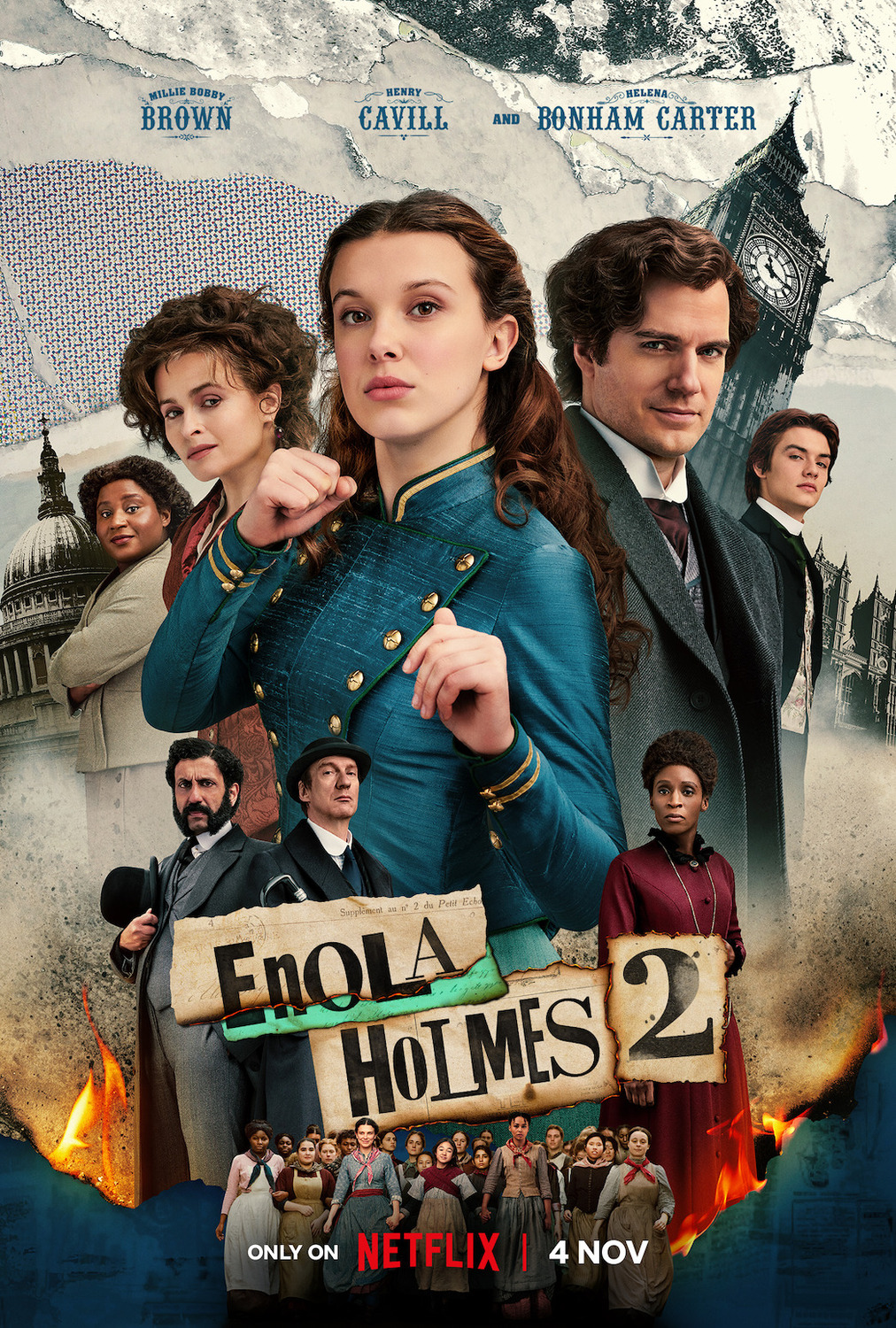
Wonka Review

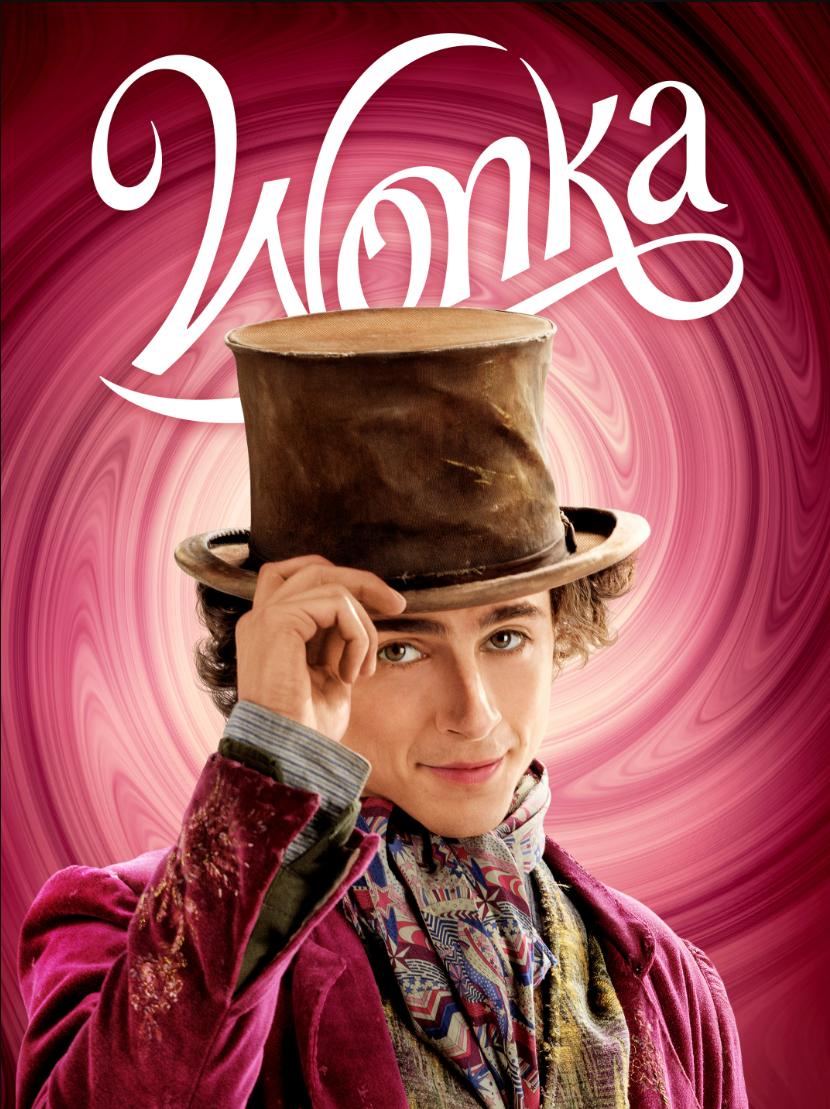
The minute school let out and finals were over, I was immediately ready to start break. The first thing to finally start the break was watching a movie with my friends. One of my friends was the one who actually suggested seeing the movie. My memory of the Johnny Depp Willy Wonka movie was blurry at best so I hoped that I wouldn’t need too much of it other than bits and pieces like the chocolate and Oompa Loompas. Despite not remembering too much of the Willy Wonka movie, I still enjoyed Timothee Chalamet’s Wonka.  

The movie is a prequel to the original Willy Wonka and the Chocolate Factory, featuring a young Willy Wonka who has a dream to share his chocolate with the world. However, due to his naivety, he gets himself into a lot of trouble; the world not being as nice as he hoped it would be. Throughout the movie, he gains friends and helps them get out of their own predicaments, while also helping him achieve his dreams. 

One thing I didn’t expect from the movie was for it to be a musical. I was pretty shocked when Timothee Chalamet started to sing and dance but I was pleasantly surprised. The music stuck with me even outside of the theater and into my home. Many of the songs had me tapping my foot and swaying in my seat. Some of the songs were pretty heartwarming and most of them are pretty catchy. The songs are easy to listen to and easy to follow; easy enough to follow that when I heard the ending credits, I was able to sing along despite only hearing it once previously throughout the movie. 

Another thing I really enjoyed was the found family dynamics that were introduced. I’m a huge fan of found family tropes and just good platonic relationships in general (which was a big reason why I enjoyed The Outsiders by S.E Hinton haha). In the movie, Willy Wonka gets into a bit of trouble and finds others who have the same problem as him. They all join together to help Willy and his dream of sharing his chocolate with the world, becoming a close group as they do. While the movie is mainly focused on two characters (Willy and one other character called Noodle), it’s nice to see the relationships between all the protagonist characters grow close and even cool to see the relationships they all have with the antagonists. Willy and the new character, Noodle, have the closest dynamic that really reminded me of siblings. While the typical siblings that you hear of are usually annoying each other and fighting while still being close, these two don’t fight nor annoy each other. But, they do support and help each other, and are always there for each other, only wanting the best for one another.  They had a really cute dynamic that really helped me enjoy the movie more.

Overall, the Wonka movie was really nice and I enjoyed it a lot. The music was so good that even as I write this, I can’t help but hear some of the songs in my head still. I would definitely recommend this to others to see. The plot of the movie is actually really fun and interesting and the characters are well crafted too. Wonka was a very good movie and is one to take a look at!

-Nicole R.

The Rent Collector by Cameron Wright

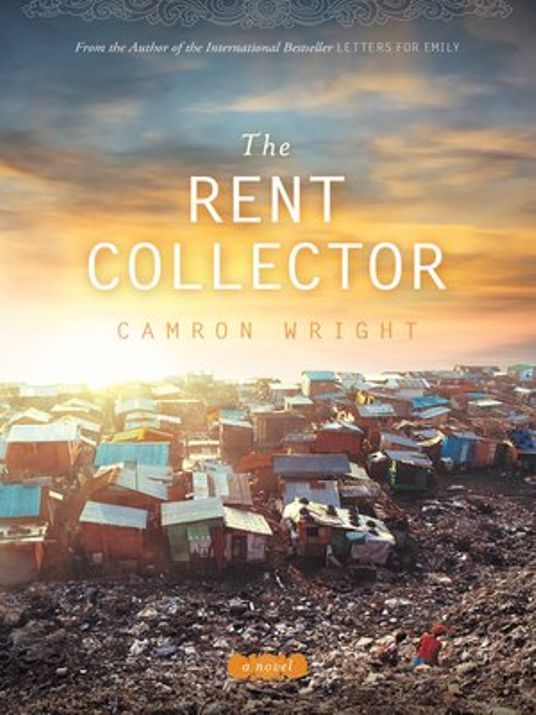
I started The Rent Collector over the summer and it was super sweet with a great message. I put off reading this book for a while because it was summer homework, but I ended up enjoying it. Going into it, I didn’t really have any expectations and honestly had no clue what the book was about. However, by the end, I was glad I read it.

The Rent Collector is set in Cambodia in a trash dump that Sang Ly and her family call home. Their family, like many others, barely scrape by, having to risk their lives to earn any ounce of money along with all of the awful living conditions that come from living in a dump. For the cherry on top, there is the rent collector, Sopeap, who comes by and gathers money from everyone in the dump. One day, when Sopeap comes to collect their rent, Sang Ly discovers that Sopeap knows how to read. Sang Ly, determined to get a better life, gathers the courage one day to get Sopeap to teach her how to read. Throughout the story, Sang Ly finds out secrets of the past and begins to understand others through the power of literature. Together, Sang Ly and Sopeap learn to heal and grow as people. 

This was such a sweet book that was honestly kind of impactful for me. The themes woven into the story were beautifully done with the inclusion of other pieces of literature and short stories the Wright placed in it. While the literature was part of the theme itself, the literature helped to create themes that the characters acted on. I found it was super fun to connect the stories to the characters in the book. Of course this was done on purpose, but to see it play out in a different interpretation in their life was cool to read. 

I think what helped make this book seem so real were the characters Wright had. Much of the story was inspired by real places and real people and to think that people who have such a hard life can be so fulfilled and so strong is very motivating. This book helps to provide insight to how some people really live, showing the lows and highs of reality, and how different people’s lives can be. This book ended with a happy ending, but to know that this was just one story out of so many that don’t get to end so nicely is so powerful. Some of the scenes in this book were so sad and dark, making them eye opening and actually had me put the book down for a bit because it happened so suddenly or because I didn’t expect something like that to happen. My heart ached for some of the characters because of what they had gone through, especially because these characters were inspired by real people. 

Overall, The Rent Collector was a great read that can hit a lot of emotions if you really read it. To be honest, I was just going to go through the motions when I began, but I got sucked in and found that I really enjoyed what this book was saying. I would definitely recommend this book to those looking for something to read.

-Nicole R.

The Rent Collector by Camron Wright is available to checkout from the Mission Viejo Library. It is also available to download for free from Libby.

Fahrenheit 451 by Ray Bradbury

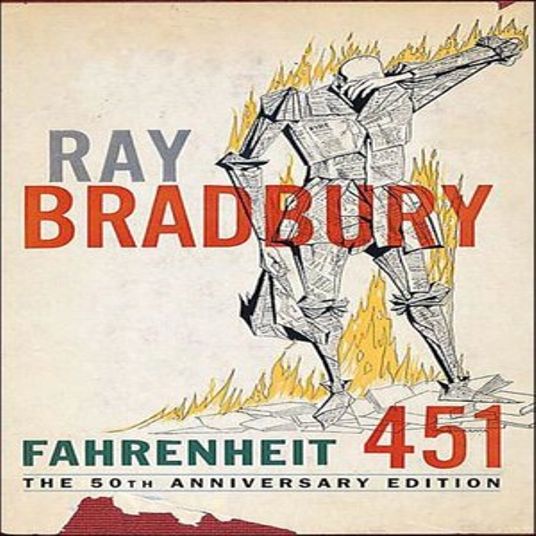
Over the summer, I was told I needed to read two books to be ready for my next school year. One of them being Ray Bradbury’s Fahrenheit 451. I remember I asked about the book to others who had already read it. I was given various opinions from both sides of the spectrum. I had high hopes going into the book, seeing as it was a classic, but unfortunately, it wasn’t exactly my taste. 

Fahrenheit 451 is set in a futuristic, dystopian world where books were illegal and the lives of many people were dull and so similar that you would be outcasted if you had a different opinion. The main character, Guy Montag, is like any other guy in his city, but what sets him apart is that he works in the fire department. Unlike what we know today, the fire department in the book actually creates fires and burns places down, specifically places infested with knowledge and books. Throughout the book, Montag discovers how wrong society is and begins to stand up for himself and others. Of course, this isn’t taken well and the government tries to shut him down, putting Montag’s life in danger. Montag, finally gaining a sense of humanity and individuality, does his best to gain and spread knowledge, although it causes him harm.

The overall plot of Fahrenheit is great and really enjoyable if you think about it. But in the moment of reading, it can be super hard to immerse yourself into Bradbury’s words. While I am all for repetition to emphasize the importance of an idea, some of the phrases in the book felt like a chore to read through as it was a similar idea that was mentioned again and again. And maybe this was just me, but it was difficult to picture what exactly he was describing in scenes. For example, he would describe a room that could have thousands of different depictions and nothing was good enough for me to settle on. It frustrated me that I couldn’t picture the image Bradbury wanted to paint. 

I think the main thing that influenced my disharmony with the book was the slow buildup of characters. The two characters I found most interesting were Clarisse and Beatty. Clarisse was a teenage girl who was considered an oddity in the society and was socially outcasted. It was nice to read the interactions between Montag and Clarisse mainly because it finally showed another perspective and was the first step to help Montag find himself. Beatty was the captain of Montag’s fire department, but unlike Montag, was his own person and had his own beliefs which happened to match with the government and rules he enforces. Both Beatty and Clarisse, while they were stepping stones for Montag’s development, also gave the book variety and a set of very enjoyable characters in the long run. However,  it took super long for Montag’s development to happen and most of the other characters didn’t show up often and were mainly only used to help grow Montag. Most of the characters were less secondary protagonists and more like prominent side characters which made it hard to read, since Montag was already a difficult character to get attached to because of his lack of character.

Fahrenheit 451 has a good plot and storyline, but I felt like there could have been more done with other aspects, such as the characters and descriptions. The book is by no means bad, but it just doesn’t fit my tastes. While this book is really my type, I wouldn’t stop anyone from reading and experiencing it myself. If you ever find yourself getting to read this book, by all means, please do. Give the book a shot, maybe you’ll enjoy it!

-Nicole R.

Fahrenheit 451 by Ray Bradbury is available to checkout from the Mission Viejo Library. It is also available to download for free from Libby.
Bread of the Dead

In my Spanish class, we got the chance to make Panes de Muertos or Bread of the Dead. Just some background knowledge: these sweet loaves that are made for both the living and the dead and are prepared for the Day of the Dead or Día de los Muertos. They represent animas (the souls of the departed) and are often shaped and given symbols to represent skulls, bones or human figures such as religious persons. 

Now that I have made this recipe twice, I thought I could share the recipe for anyone interested!

Ingredients for the bread:

Mix together:

  • 1 1/2 cups of flour
  • 1/2 cup of sugar
  • 1 teaspoon of salt
  • 2 packages of dry yeast

Combine and heat in a saucepan:

  • 1/2 cup of milk
  • 1/2 cup of water
  • 1/2 cup of margarine 

Set aside for later use:

  • 4 eggs
  • 3 1/2 to 4 1/2 cups of flour

Ingredients for glaze:

  • 1/2 cup of sugar
  • 1/3 cup of orange juice
  • 2 tablespoons grated orange peel

Baking instructions:

  1. Mix dry ingredients, add warm liquid, and beat
  2. Add 4 eggs and 1 cup of flour, and beat
  3. Gradually blend in remaining flour
  4. Knead on lightly floured surface for 8 to 10 minutes
  5. Place dough in greased bowl and let rise until doubled (1 1/2 hours)
  6. Punch dough down and make shapes. Let rise again for 1 hour
  7. Bake at 350℉ for 40 minutes
  8. Boil glaze ingredients for 2 minutes. Apply to warm shapes

Now in my experience, there were some things I would recommend to anyone interested in trying this recipe. I personally would make the glaze, the bread on its own isn’t sweet enough; the glaze gives the bread a nice balance. However, if you don’t want to make the glaze, you can try to add more sugar to the bread recipe. Also, when I baked it for 40 minutes, it was too long in my oven and it came out too hard. The next time I baked it for a shorter amount of time, it was baked perfectly and came out just right. However, I don’t know how it is for different kinds of ovens, so I recommend you keep an eye on your bread when it’s cooking. 

Overall, my bread was pretty good, although my first batch was a bit overcooked, my second batch came out great when I put it in for less time and it all came together nicely with the glaze. If anyone wants to try out this recipe, I would definitely recommend it. The bread is simple and easy to make and it’s a fun baking experience too. 

-Nicole R.

To Kill a Mockingbird by Harper Lee

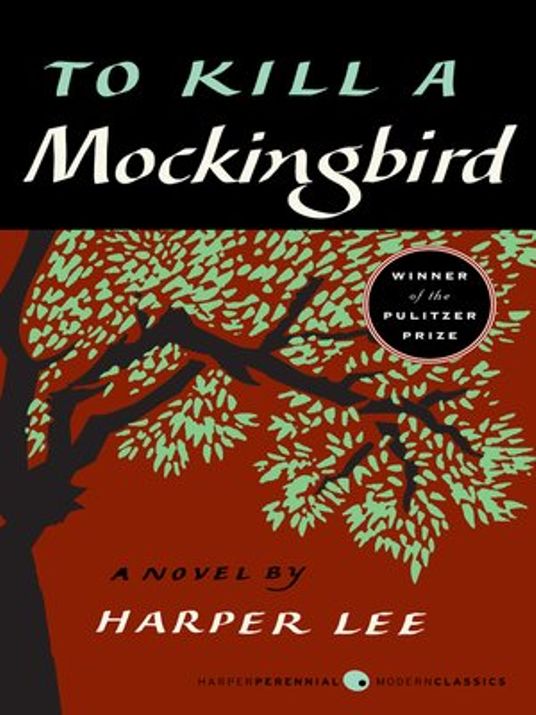
To Kill A Mockingbird by Harper Lee has to now be one of my favorite books, up there with The Outsiders and The Institute. I never expected to like this book so much but it’s always the ones you look down on that come back to bite you when you least expect it. To Kill A Mockingbird was our fourth required reading for my English class this year and when my teacher said that it was a good book, I should have believed her more.

To Kill A Mockingbird is one huge flashback told by Scout Finch. It starts when Scout is six and she introduces her older brother Jem and her dad Atticus. They all live in the town of Maycomb, Alabama, set in the 1930s, The Great Depression. Scout begins the story talking about how Jem had broken his arm. As simple as it sounds, it’s such a long story to get to that point that you completely forget that that was how we started the story until Scout brings it up again. It may be a long story, but it included some of the most interesting and engaging stories I have ever read. 

Lee’s characters are so well written that they will have a special place in my heart. Atticus was definitely my favorite character in the book. He was an amazing single father, especially when so many parents in books are either dead or awful to their kids. Of course not all books have those kinds of parents, but this was a nice piece of fresh air. Atticus was a fantastic role model, person, and father. He is such a good person and healthy both physically and mentally. The way he fought discrimination and racism was admirable but he was even more admirable to teach his kids and those around him not to discriminate or be racist.

While Atticus was my favorite, there were so many good characters in the book. Starting with Scout, her mental capability and persistence was super fun to read about. To see everything happen through her eyes was very interesting. Jem was also really fun. His growth from boy to man was nice to see, even though Scout didn’t really understand it much. Jem being a good older brother to Scout and doing his best to do the right things at school to make Atticus proud was great. Atticus helped give both of his kids great morals and empathy and it is really apparent in the book. 

I really loved the characters in this book. I didn’t mention all of them but they were all very memorable to me. To Kill a Mockingbird was incredibly well written. Lee did a fantastic job making the story interesting and fun while having subtle themes to make this novel literature. This was a fantastic book that I would highly recommend for others to read. Despite some language that wouldn’t be allowed today, if you could look past the period-typical racism, this book can teach people a lot and can overall be very enjoyable. 

-Nicole R.

To Kill a Mockingbird by Harper Lee is available to check out from the Mission Viejo Library. It is also available to download for free from Libby.