Taking A Step Back

The soft scrape of a page being turned in my newest book is what brings me happiness.

Too often are we, as humans in the 21st century, focused on attaining a goal or possession that we have glorified in our minds. Admittedly, I used to (and probably still am, to some degree) like this, but I realized during my junior year of high school that this was an insatiable pursuit.

During my junior year of high school, I was obsessed with keeping my grades up. I would stay up until 3 am studying for a math test that I had the next day or spend hours perfecting a paper for a class in which I already had a 97%. I would spend 20 minutes on a drawing and rush to finish it if I couldn’t get it done because I would start to grow tired of it. I would start a new video game in an attempt to get a “perfect playthrough” and then drop it as soon as I did. In doing these things, I realized that I wasn’t pursuing a genuine feeling of enjoyment out of them- rather, I was chasing the immediate gratification I would feel from their completion.

As I reached the end of my junior year, I realized that I was happy, in part from these things, but for the most part, I couldn’t put my finger on exactly what made life so great. Was it that I had gotten an A in my math class? That I had gotten that internship or won that award? Something told me no. It was the day-to-day victories that should have been insignificant, most of which I had already forgotten which made life so great. It was the inside jokes my friends and I would cry from laughing at during lunch. It was the random FaceTime I would get from a friend I hadn’t seen in forever or an old photo that would hit me with a wave of nostalgia.

It was going to the bookstore with my Omi to check out a new book, hearing stories from her during the whole car ride there. As we entered the store I soaked in the soothing scent of books and felt perfectly content. I weaved through the aisles trying to find the book I wanted, and clutching it like a prize, would bring it up to the checkout counter. I opened it as soon as I got home, eager to see what adventures I had missed out on during the time between this installment and the last. And so I turn the next page and breathe a sigh of contentment knowing that this is what brings me happiness.

Society

A fair society is a society where basic freedoms are protected, genuinely fair equality of opportunity is secured, and, beyond that, the economic structure prioritises the needs of the most disadvantaged.

The ten things that are normalised in this society which makes it worse are…

Having to be busy, lack of sleep, turn things into business, constantly connected to phone, working half to death, caring about celebrities, wasting food, smart phone at young age, paying extreme amounts on health care, the customer is always right.

Six ways we can fix….

  • Making it illegal for political parties to receive donations
  • Making it illegal for the media to report on what’s happening without impartiality
  • Provide state funding for partis, a law where if not a lot of people vote there shouldn’t be an election
  • Make corporation pay their taxes where they earn the money
  • Remove the tax burden from anyone not paid the minimum wage.

The more we notice how our society works, the social classes and what they do to contribute to the world (example:celebrities talking about certain issues), and we communicate with one another in this world… The more we will take it in and notice the faults and fix them, as well as noticing the good things and improving them.

I really hope I worded this in the right manner, and you learned a thing or two. I only wrote this because I noticed a downer/more negative society than usually.

Literature and Escapism: Why are so many drawn to fiction?

In the 21st century, teens and adults alike are bombarded by notifications ranging from depressing news stories to shocking exposés regarding beloved celebrities. Social media has made people emotionally numb as they swipe from one heartwarming post to a sob story on the next page, disrupting their capability to process emotions. In such a mentally taxing world, it seems only natural that some would seek escape through other mediums- this being literature, mainly fiction.

But what do I mean by “escape?” The term for mentally excusing oneself from reality and seeking a sense of calmness, namely through fantasy, is how Oxford Dictionary defines the word “escapism.” While exploring fantastical worlds is okay in moderation, escapism is the excessive use of material to sever one’s connection from reality, resulting in an unhealthy relationship with the real world. This makes it difficult for people to address the root of their problems- whether it be an unfulfilling career, lackluster social life, or an underlying mental health condition, escapism shrouds the problem and allows it to be forgotten in exchange for temporary relief.

Harry Potter and the Philosopher's Stone (film) - Wikipedia

Chief offenders of indulging escapist tendencies include the renowned Harry Potter and Percy Jackson series which are known for their elaborate worlds of magic and Greek mythology. While the authors of the franchises themselves aren’t to blame for the problems of others, they certainly provide a plethora of spinoffs and merchandise to keep legacy readers sucked in for several years (if not decades). With the Harry Potter fans, known as “Potterheads,” a thriving community of middle-aged Millennials are present on platforms such as Discord, Reddit, and Twitter. While being a longstanding fan of a book series is not problematic in itself, it becomes an issue when individuals become so enthralled with the stories that they cannot distinguish reality from itself.

For example, when entering a Google search of “Potterheads are convinced Harry Potter is real,” a plethora of social platforms with questions about whether Harry Potter could possibly be real pop up. Through Google’s Q&A system, a worrying, question of “Is it possible that Harry Potter is real?” can also be noticed. As Miriam Margoyles, the actor who played Pomona Sprout in the Harry Potter series concerningly stated, “I worry about Harry Potter fans because they should be over that by now” (Margoyles Miriam, “Miriam Margolyes jokingly tells Harry Potter fans to grow up | Seven Sharp,” 2024). If even those who stand to gain the most from this disillusionment take issue with escapism, it is time for us to address it as well.

Miriam Margolyes Doubles Down On 'Harry Potter' Adult Fans Stance: "It Was  25 Years Ago, Grow Up!"

Of course, this analysis of human behavior is all in good fun and I appreciate you reading!

Self Driving Cars: The Future of Transportation?

Cars have always needed drivers at the wheel; otherwise, they could not function. But recently, a new technology has begun to prove otherwise. The rise of self-driving cars has become a popular topic of debate. Ernst Dickmanns built the first model in the late 1980s. Only semi-autonomous cars are on the market today, while fully autonomous ones are still developing. Self-driving cars are a new technology that presents solutions and concerns.

Self-driving cars have many benefits and uses. According to SWARCO, a traffic technology corporation, “99% of all accidents are due to human error” (1). These include exhaustion, inattentiveness, or improper driving etiquette. Self-driving cars have technology that eliminates human error, which can prevent most accidents. Additionally, it helps transportation be available to people who can’t drive. Whether it be disabilities or age, self-driving can improve accessibility by driving for people who can’t. Autonomous vehicles can also help decrease traffic. With advanced communication between the cars, it can “improve traffic flow and increase road capacity” (SWARCO, 2). A benefit of self-driving cars is they utilize advanced and accessible technology.

 Besides the many uses, self-driving cars have problems and concerns. A car that always utilizes data and observation cameras is prone to hackers and other online viruses. This can put your safety and privacy at risk. Furthermore, if an autonomous car commits a traffic violation, “no real person can be prosecuted” (SWARCO, 4). Traffic laws must change to fit the presence of self-driving cars. Finally, the car program must learn to drive with humans safely. They have to be able to adapt to any sort of situation with human-driven manual cars. Autonomous cars still have some concerns that need to be addressed.

Self-driving cars do have their technical challenges, but they also have many benefits. Only time will tell if these cars are truly the future of transportation.

Consumerism

2024 is already an abnormal year for marketing and consuming, why is that?

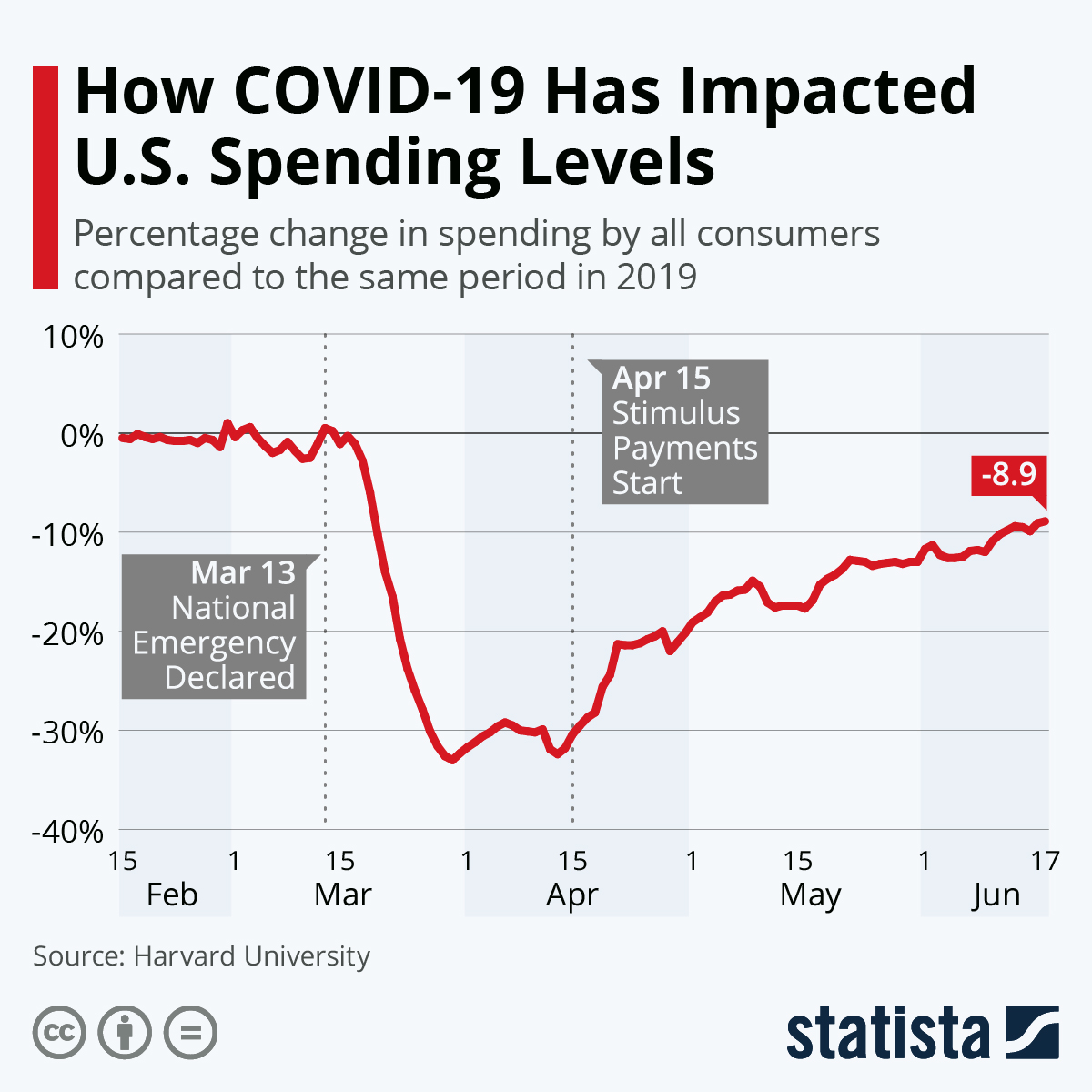
March 12, 2024 marks 4 years since the pandemic and approximately 3 years since quarantine was cut. Since we were all held in our houses, unable to live properly, and make enough money to get us what we want and enough to get us our basic needs, we now see a burst of spending because of us being trapped.

Why do we consume what we consume though? Because us as humans, we have put ourselves in specific groups (or to specific people) and are comparing ourselves with others in that group that we see ourselves in, so we would consume what they have and become them, weather we have the money or wealth for it or not. 

That is an example of competitive consumption, which is the idea that we spend because we are comparing ourselves with peers that are spending, like celebrities, higher hierarchy, etc. In our society, we have structured things on social esteem which is connected to what we can consume. Which that in of itself means that we consume affects our social value… money measures worth and value, weather we like it or not that’s how people are viewed.

Humans aren’t driven by advertisements as well. Not in all scenarios though, some advertisements do hook people and get them to consume things they don’t actually need. Rather that people are just driven to things that compel them and make them more valuable by the people in the group they see themselves apart of, an example is if your whole family and some friends got a specific item, you are more in likely to purchase that item..

Us humans are also drown to cheaper stuff, which is what technology has began to market in the 1920. Another example are sales, we are drown to things listed as “–% off” or even that propaganda term “up too –% off”. 

Consumerism has too do with hierarchy, and its burst right now is because we were unable to get products that make us feel/look valuable or be seen as the group you compare yourself to.

https://www.vox.com/the-goods/22547185/consumerism-competition-history-interview

-Zina K

Zoos: Not as Ethical as They Seem

Hard, concrete floors and towering walls. That’s all most zoo animals may learn to see. Some were born free, but that freedom was ripped from their hands as soon as they were taken into a zoo. There are several debates on whether zoos are beneficial to wildlife, but the facts are clear. Misuse of money, poor animal wellbeing, and insufficient education are just a few reason out of several. Zoos are self-indulgent, and should not exist.

Zoos damage the physical and mental wellbeing of animals. Some of them are even driven neurotic due to extreme boredom. Readworks’ “Debate: Are Zoos Bad?” states evidence of “Monkeys and parrots ‘grooming’ themselves until they have no fur or feathers left.” This is unnatural behavior for animals. They are harming themselves because they have lack of nourishment, and it has taken a toll on their mental state of mind. Furthermore, most zoos do not meet the social and physical needs of the animals. Several of them even abuse the animals. National Geographic reports, “An animal welfare group has flagged hundreds of zoos affiliated with the World Association of Zoos and Aquariums (WAZA) for mistreating animals.” The WAZA is a trusted organization, and even within it are several cases of abuse. Keeping animals in such horrid conditions should be illegal. 

It doesn’t take long to find a zoo that cares more about the money than the actual animals. In fact, the Association of Zoos and Aquariums states that around half of the zoos in AZA are for-profit, meaning the money goes to benefit the government, not conservation. This shows that several zoos are just keeping animals as another way to earn money. Additionally, zoos that are not for profit spend more than 1 million dollars on a single exhibit, states article “Should We Have Zoos?” That money could go to preserving the actual habitat, instead of creating an artificial one. 

There are many arguments for zoos, but most of them are untrue. A common argument is that it helps with conservation to save species. But this is arguing for conservation sites, not zoos. An interviewed zoo conservationist on BBC asserts that the ideal zoos should be closed to the public. Instead of spending money on making it look appealing to the eye, they can use those funds for nourishment to the animals without the stress of visitors. Another frequent claim is that zoos help save endangered species. But it is proved that removing animals from the wild can further endanger them, due to the genetics not being as diverse. Financially, BBC states that only “4% of revenue goes back into conservation.” That’s hardly anything. Some pro-zoos say that it helps educate the public, but in reality, there is no significant change in behavior or interest in visitors, Britannica writes. 

Zoos do more damage to the wildlife than they do help. Several zoos care more about the profit than the actual animals, being shown with the poor living conditions, misuse of finances, and insufficient education that zoos provide. As time goes on, zoos continue to pose a threat to the environment, and one day, it will be the downfall to Earth’s delicate ecosystem. But instead of watching as zoos continue to harass animals, you could help make a difference! There are several petitions that you can sign to help take down zoos. Together, we can save wildlife. 

2024=1948

If you haven’t been on the reality side of life right now, you would know that Palestine and Israel are in a war which is slowly becoming a whole middle east against the west war. Besides wars, inflation is reaching an all time low of 3.2% and apartment/house rent being in a funky situation. Beyond the economic and world part, in my opinion, we are entering a new era in the cinematic/music/entertainment industry with movies from the 70’s to the early 2000’s coming out with sequel musicals,and  new popular music.

Looking back 76 years ago you, can see so many similarities between these two years; 2024 and 1948. Are we going back in time? Have we truly entered a war and a great depression?

The answers depend on how you would like to view what’s going on.

For more information about the similarities between those two years, we have have to go back to 1948, and see what went down.

We can all agree that war has a lot to do with money and inflation, which is why the USA dealt with post World War 2 inflation dropping down to 10%, with its highest rate (that it should have been at) being at 20%. With a democrat leading 1948 and a democrat leading 2024. 

But we aren’t in a war, why would our percentage drop to 3.2% in the present day? The answer to that will have to be, the pandemic aka Covid 19. With business shutting down, even the government shutting down, people losing jobs and such, the inflation began to decline and it is getting worse and worse with how the current economy is working during (a soon to be) war.

Speaking of war, looking back to spring, more specifically, May of 1948, the Palestinians welcomed jewish settlers who escaped the holocaust from Germany, and some parts around Europe to get to the middle eastern country called Palestine. Their settlement began as a UN and UK agreement for the jewish to have some part of Palestine for them to call their own (being Israel). They began to go past that agreement and ended up killing about 110 thousand Palestinians with a good portion of them escaping to countries around, like Egypt, Lebanon, Syria, and Jordan. 

Which is very similar to what is happening now with in just 5 months of the Gaza vs Israel war, over 27 thousand have been killed and 73 thousand displaces, under rubble, or missing, as the USA and UK funding the killing and bombing Palestinian safe zones.

Besides the War and Economy time, Hamlet, Oliver Twist, and the Fallen City releasing and getting big, we got musicals as old hit movies like Mean Girls (2003), Wonka (1971), and even The Color Purple/book (1982). With artist Taylor swift dropping her new album soon and making her own name, Lana Del Rey dropping a tour, and new music genres on the rise, 1948 came out with “all I want for Christmas is my two front teeth”

To conclude all of this, This year is extremely similar to 1948 and is possible we might be going back in history, rather than how some would hope it being similar to 2014 and party 2020.

What do are your thoughts?

https://www.babyboomers.com/1948

https://open.spotify.com/episode/5SiW6eh0ST9AYdlxHmPSxn?si=GwgU8Kg9QR-LYpOz-4lQtQ

Zina K

Water- The Key to Our Futures

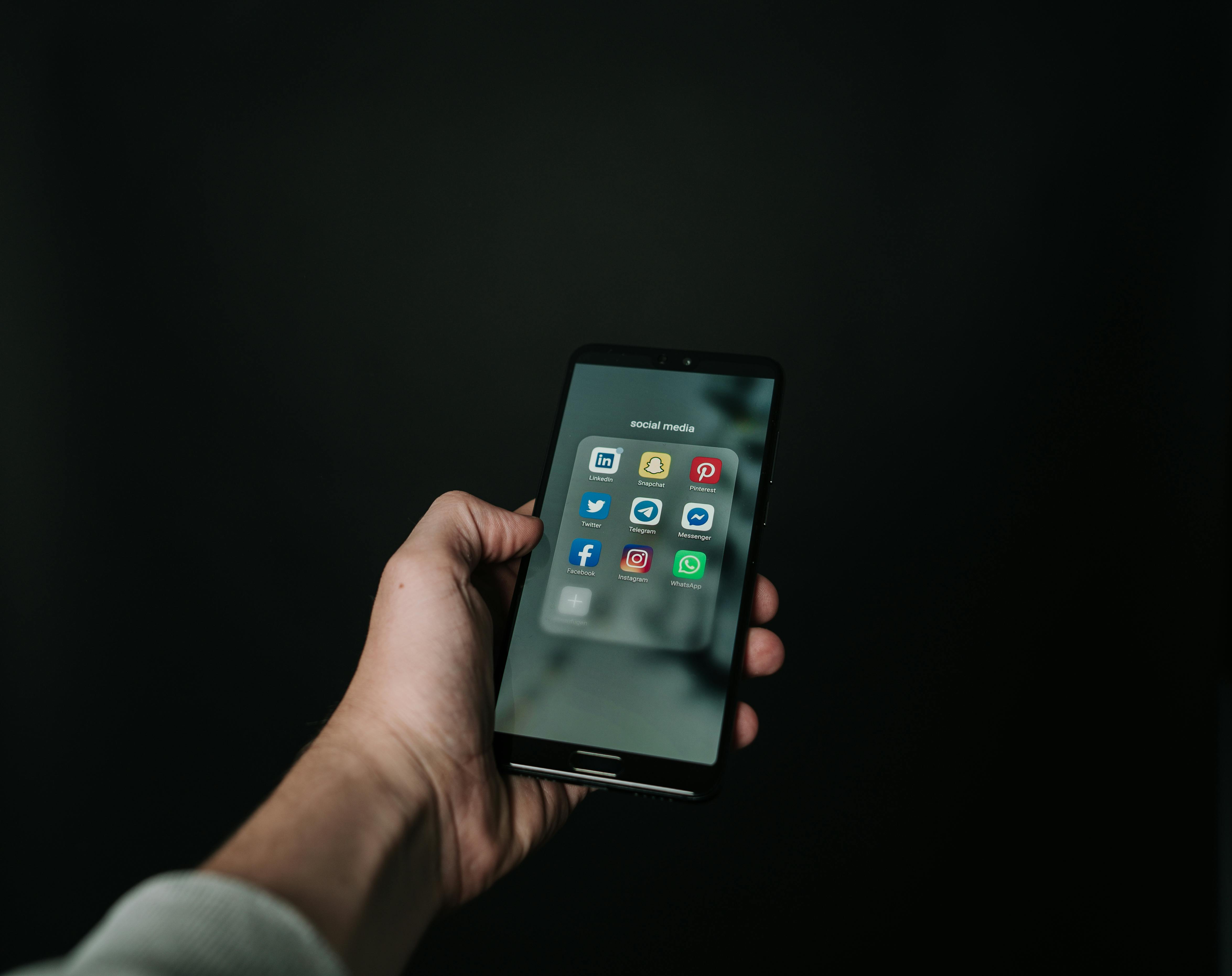
Social Media Isn’t All That Bad

In today’s world, ninety percent of teenagers utilize some type of social media daily. Instagram, Snapchat, TikTok, and YouTube are the most popular among twelve to eighteen-year-olds in the US. Even though these apps can be used in some negative ways, it’s good to remember that people can also use social media to spread positivity and help others, as well as interact with friends and communities. Social media can have many positive impacts on teenagers’ lives.

Through social media people can rally for positive causes and support each other. Additionally, social media can assist teens in connecting with others and strengthening relationships. Teenagers view social media as a source of confidence and a way to build bonds, not some evil entity out to destroy their esteem. Teenagers are who we should be looking to, as they are the most affected by this argument. Some people say that social media can cause a negative lifestyle, forcing people to be perfect all the time; however, it’s incredibly easy to private your social media if you want, and not all social media are focused on selfies and looks. People too often group all social media into one category – there are tons of social media accounts on plants, animals, photography, art, and more. Thus, social media can reinforce people’s friendships and connections.

Despite what many think, social media is not the terrifying online crevasse that news headlines insist on propagandizing. Social media is a way to strengthen and build relationships and gather to support others. People must understand that these platforms aren’t all negative and that it isn’t all cyber bullying, spam, and hate. That’s just what people see on the news. Realizing the positives will help us come to a better understanding of social media, and allow us to navigate it safely.

Why Social Media Is Ruining Us

This might be a known topic by all adults though us teens and children younger than us won’t fully comprehend that fact since we have been raised on the internet and most of our entertainment, hobbies, inspiration, and style comes from the internet more specifically social media. 

But as time goes and the more trends and entertainments arise on our screens, the higher our dopamine levels are drawn to social media which feeds our social media addiction. 

The more addicted we are to social media the less sense of reality we have and we begin to see the world in a different shape, because we would much rather escape the world by going on a screen than by escaping the screen and going into the world. 

That might have sounded cliche but its so true. For example those ten year olds getting skin care products, the wanting to go on horrible diets to be like certain people, or the opposite, eating something that looks so good but is to harmful to your body, and so many more examples.

To conclude all the statistics and my own personal opinion, Social media rots a person’s brain. It not only decreases your attention span which changes peoples focus therefore affecting success.

Social media may be artistic, comedy based, etc but it changes people’s true artistic behaviors because of what is being presented to them on their screen vs what is actually going in reality. 

Beyond art and the brain, social media turns people into rude being, uninteresting, and selfish people. Even though we all think we are kind and authentic people, social media is such a trend based place that gives out only certain peoples opinions which is then paced all around the world till everyone has the same opinions making everyone un-authentic and a bunch of copy and pastes.

If you dont believe anything I wrote, check your social media screen time.