Interested in music and want free tutoring? My high school has a weekly after school program on Thursdays from 4:00 pm to 5:30 pm that offers music tutoring for elementary, middle, and high school students in the Capistrano Unified School District at no cost.
The goal of this student-led program is to inspire more students to keep practicing their instruments. Students are not required to have prior musical expertise, but they must bring their own instruments. Additionally, the students perform on a wide variety of band and orchestra instruments. Similarly, the mentors represent all instruments and grade levels. The students receive free lessons, grow closer to their mentor, and become more enthusiastic about music. As a result, the mentors build their confidence in their own teaching and playing skills while also gaining experience in mentoring. The mentors receive community service hours as an added incentive to participate in the program.
My brother volunteered as a musical mentor tutor for around four years and he passed the baton to me. Through this, I’ve learned how to teach and break down concepts for my students. Depending on the level of my students, I customize the lesson plans to meet their needs. This can include working on scales (fixing pitch and tone quality of the notes) and practicing how to count notes. Subsequently, I spend about an hour working with my students on songs that they need assistance with. Afterward, with thirty minutes remaining in the session, all students gather to practice rhythmic skills and prepare for our annual concert. At the end of the year, we host an annual concert that helps students become accustomed to playing in front of an audience while also providing parents with a chance to see what their children have learned.
Overall, the program helps our mentees develop a greater understanding and appreciation of music, increase their motivation to play their instruments, and work toward improving their musical skills. Musical Mentors is a beneficial and satisfying experience for parents, children, and mentors. I love teaching students, as I find it incredibly rewarding to connect one-on-one and expand their knowledge of music. I plan to continue mentoring for the rest of my high school career.
This interview dives into the behind the scenes of the writing and illustrating process of creating a book with Cat Wiessbrod. Cat Wiessbrod launched her first children’s book, Honk! in 2020, and from there, she has expanded her brand and created even more children’s books including Honk! In The City, and A Celebration Of Polar Bears. In this interview, Cat will allow us a window into the process of creating as well as self-publishing a book.
Natalie: So, first of all, I was wondering if you could explain what first sparked your interest in writing and illustrating children’s books?
Cat: I’ve always loved writing and drawing ever since I could remember. I also was an avid reader as a kid. I loved studying the illustrations in the books, scouring every detail. I think Cloudy With a Chance of Meatballs was the book that really sparked my interest. That book has so much detail in the illustrations as well as a unique story.
Natalie: I know that inspiration is hard to come by often, and it is difficult to find a good story-line, so, where exactly do you get ideas, and more specifically, where do you get ideas when you are having writer’s block?
Cat: I’m often inspired by what’s going on around me. Honk was a book my husband and I wrote together inspired by our own run-ins with geese. I also wrote What Should We Do based off of activities I did with my own children. When I have writer’s block I like to take a walk. Often, my mind gets cleared when I take a step away from what I’m writing.
Natalie: So, one question that is very popular and that I, too, would like to know the answer to, is, where do you even begin if you are interested in creating and publishing a book?
Cat: I think that the process to publishing a book starts with a story, and those stories come from ideas. My advice is keep a little journal or notebook to jot down your ideas that you can flush out into a story. After writing the story if you are also illustrating the book, you can then storyboard your story where you can conceptualize how to lay out your illustrations and text throughout the book. If you’re working with an illustrator, then you can work together on these storyboards.
Natalie: I know that the writing industry is highly saturated, as there are many people eager to write books that will be seen. How is it possible to stand out a sea of people who are all aiming at the same goal?
Cat: You’re right. This is a challenge to stand out in a sea of choices. I think that in this day and age though, that you can really use social media to get your name out there. Social media is a great way to reach audiences you may not usually come across because of geography. I had a group from Scotland reach out to me if they could use my book for their story time, which was super cool. They found me through social media.
Natalie: I do know that when you wrote your books, you opted to self publish, rather than go through a publishing company. What factors played a part in this decision?
Cat: This was a joint decision between me and my husband since he and I write many books together. We wanted to retain more control over our books and how they get marketed. We wanted decisions such as the layout and size of the book, the cover, etc. to be ours. This is kind of a double edged sword though since being self published means that all of the editing, formatting, and marketing would also be our responsibility.
Natalie: Lastly, do you believe that in the future, authors and illustrators jobs will become irrelevant due to the rapid improvement of artificial intelligence which has the capability to carry out the tasks which authors and illustrators do in a significantly shorter amount of time?
Cat: AI is a tool that many people currently use to make books nowadays. But I think that human creativity is something that AI cannot replace (at least currently). I like to inject a lot of myself into the stories I write and the pictures I draw, so unless the AI algorithm is specifically tweaked to have my set of life experiences, it would be nearly impossible for it to draw or write in the way that I draw and write. And that holds true for all other writers and illustrators. That’s what makes stories so magnetic to people, is the human element and soul behind it, and that’s what will always shine through for writers and illustrators. And that is something that AI cannot replicate.
Natalie: Thank you so much for sharing your writing and illustrating experience and diving deep into the writing process with me! I can assure you that this will prove a captivating interview for many teens or young adults who have aspirations to write or illustrate a book!
Cat: Of course, It was my pleasure! I greatly enjoy seeing people in the next generation who have an interest in writing or drawing, or maybe both!
Honk! andA Celebration of Polar Bears by Cat Wiessbrod are available to check out from the Mission Viejo Library.
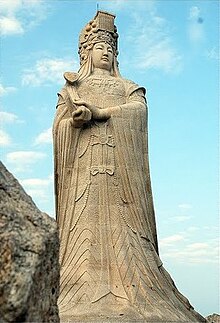
Mazu is a respected female deity in Taiwan. She is known for offering help to endangered seafarers using supernatural aid. She is also known as the Empress of Heaven, the sea goddess, and other names. Mazu is said to have been a young woman with magical powers, who was given life after death after a tragedy. The legend originated in China during the 10th century (900s), then traveled down the coast and across the strait to Taiwan. Word spread, temples sprung up, and Mazu became a very powerful figure on the island.
Mazu, or Matsu, is the deified form of Lin Moniang, a shamaness from Meizhou Island. She was said to have been born to Lin Yuan, a local fisherman. Her birth happened under Liu Congxiao’s reign, a Quanzhonese warlord in the Min Kingdom, on the 23rd day of the third month of the lunar calendar, in the year 960. This was the first year of the Song dynasty. Despite being awfully quiet, she was blessed with many abilities even as a normal child, such as being able to predict the weather and experiencing divine visions. Mazu is a goddess as the result of a miracle that occurred while she was a teenager.
One day, her father and four brothers were out on a fishing trip off of Meizhou Island, when suddenly dark clouds began to fill the sky. A hurricane that they could not conquer had fallen upon them, blocking out the sun and rocking their boat with huge waves until it capsized. At the same time, Lin Moniang (mortal Mazu) was weaving at her loom, when she suddenly fell into a trance and turned into her pure spirit form. She transported herself to her father and brother’s boat and managed to save her brothers from the storm. Unfortunately, her mother saw her in her trance and woke her up, preventing her from rescuing her father, who was still in the ocean. Out of depression, Lin Moniang climbed up to a cliff and jumped into the sea, but right before she hit the water she transformed into a beam of celestial light and ascended to Heaven. In Heaven, she was rebirthed as the goddess we now know as Mazu. As the light disappeared, a rainbow appeared in the sky, signaling the end of the storm.
Sanchong Yi Tian Temple in New Tapei, Taiwan, with Mazu as the principal deity
She is guarded by two demons, Qianliyan (“Eyes That Can See One Thousand Miles”) and Shunfenger (“Ears That Can Hear the Wind”). Before they became her guards, they were both in love with her, and she made a deal with them that if they could defeat her in battle, they could marry her. She easily beat both of them though with the help of a magic scarf that blinded them, and they vowed to serve as her guards forever.
Most of us use a desk for…everything. Watching videos, playing games, doing hobbies, finishing homework. Desks tend to get cluttered easy, but with some good organization and decoration it becomes easier to direct your focus to the right things!
Cleaning
When cleaning, it helps to start with one place at a time. Try just doing one desk drawer or picking up one type of supply. You don’t even have to clean everything up in one sitting, you can do it over a day, over a week, etc.
Putting markers back in boxes, stacking papers, and throwing away scraps are good ways to start that aren’t too overwhelming. Do whatever works for you!
When deciding whether something should be thrown away, consider whether you might need it later or if it has sentimental value to you. Loose papers and plastics should be recycled, if possible.
Now for the redecorating!
Storage
Desk drawers get easily cluttered. It helps to divide them with trays so you can easily sort, say, pencils from pens, or highlighters from erasers. If your desk doesn’t have drawers, keep your supplies in a bag or container that’s nearby and in view. If your supply storage is somewhere harder to reach, you might get lazy and just leave things out on the table!
If you have a lot of cables to your devices, try separating them using a cable organizer to avoid tangles.
Desktop
If you find that your desk gets a lot of scratches or marks, you can try getting a protective deskmat that can withstand some blows.
Lighting
Lighting is a great way to enhance the mood of your work area. Maybe you want to try hanging fairy lights for something cozier, or desk lamps. Different colors can also change the feel of your desk, so try them out!
Wall Decor
Besides just the area on your desk, the walls around or behind it can be decorated! Try hanging up posters, prints, or if you dabble in art, even drawings of your own. Just make sure that whatever you use to hang them off won’t damage your walls, and you’re good! You can also hang up objects or props you love, as well as plants (real or fake!).
Habits
Cleaning your desk one time won’t solve the problem forever. When you take something out, put it back when you’re done. Plus, doing small sweeps regularly to rid your desk of trash is easier than letting it pile up.
And that’s it! Redoing your desk can help motivate you to finish work and make the space feel more comfortable. If you want more ideas, try looking up references, as they’re a great place to start. Good luck!
When exploring classes to take, you will likely come across AP Classes or advanced placement classes. These classes are college-level courses that you can take in high school for college credit. While each test is different for every subject, most tests consist of multiple choice, free-response, short-answer, and essay questions. Tests are typically taken during May, and scores are released in July. AP tests are graded on a scale of 1 to 5, with 5 being the best. If you receive a score of 4 or 5, you can gain college credit.
One AP class that is easy and manageable is AP Human Geography. I took this class as a freshman (usually it is a freshman class) and thoroughly enjoyed it. I found that the content was straightforward and easy to understand; more significantly, it was interesting as well. In AP HUG, I learned about how humans are arranged and the ways in which they interact with others and the environment. At first, this class was challenging to me; however, later in the year, it became one of my easier classes. For me, the hardest part of AP HUG was the multiple-choice questions (compared to AP World they’re easy), and the note-taking which was long and extensive. However, if you diligently study and work hard in this class, you’ll fly through the exam. The multiple-choice questions can be tricky at first because many of them are stimuli and based on models. I believe I received a score of 72% on the first test from the MC’s. One tip that helped was doing test corrections and reviewing the things I got wrong. Although I did horribly on my first couple of tests, I did well on the exam–so don’t worry if you get a bad grade on tests. To conclude, this AP class is great preparation for future classes and an easy way to get college credit.
Helpful Sources
Mr. Sinn on Youtube
Crash Course Book on AP HUG
Princeton AP HUG book
The second AP class that I would recommend taking is AP World. Unlike AP HUG, World focuses on all of the major global events from 1200 AD to the present day. In comparison HUG hones in on the 21st century. Since AP World teaches students about most historical events, it makes the course difficult because there is much to remember. Additionally, the exam is made up of multiple choice questions, short answer questions, free response questions, long essay questions, and a document-based question (essay); this makes the extremely exam lengthy. Because the exam is long, it is difficult to remember all of the content. Another difficulty is that the multiple choice questions are challenging and have trickly answer choices. While you will face these hardships on the AP route, it will strengthen your test-taking skills + knowledge. You should take this class if you enjoy history and practicing writing skills.
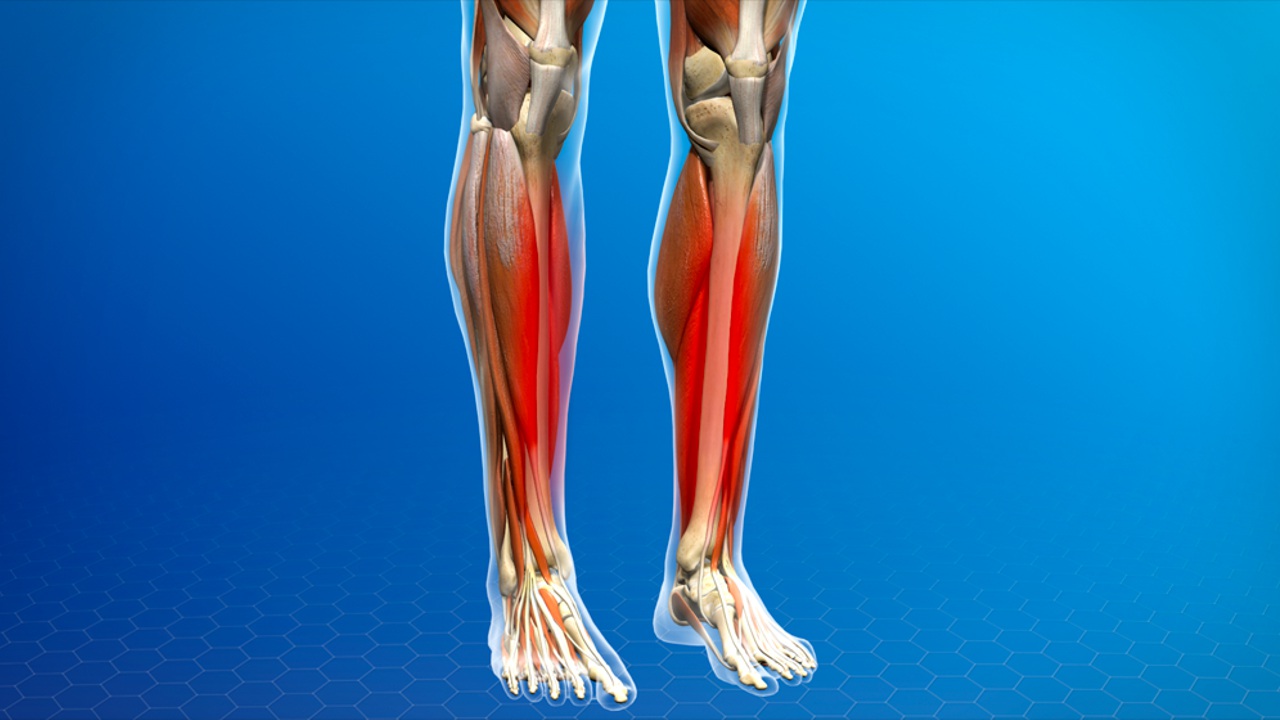
During Track season, I have found a recurring issue that comes back around the same time every year, and that issue is both shin splints and soreness. To fix this problem I have started my journey of using a variety of techniques both individually and in combination with other methods listed.
Proper warmup/cooldown and agility stretching
Proper warmup/cooldown and stretching are essential for any runner who wants to avoid injury. From my experience, however, you should not rely on warmups or stretches alone to avoid or get rid of shin splints and soreness. This method works best to prevent further or new injuries, shin splints, and soreness when it is in combination with good running technique, other injury recovery methods, proper breaks between reps, and listening to your body. Nevertheless, this does not in any way mean that warmup/cooldown and agility stretches should be neglected because they don’t show immediate results. In the long run, a good warmup with agility stretches will get your body ready for plenty of running exercises. And a proper cooldown will prevent build up of soreness and tense feeling in your body.
Hand Massage
Overall, I did not find hand massages very effective in my recovery journey. However, this may be due to my massages being done at home with not much information. If you are looking into hand massages I recommend going to a sports massage therapist directly or talking to your schools sports trainer for tips on shin splints, injuries, or soreness. In the future I plan to try hand massages out again after finding more information on this technique.
Foam + handheld Rollers
foam roller
handheld roller
Foam rollers and handheld rollers have been one of the most useful items I’ve used for recovery and injury prevention. I definitely recommend getting a foam roller if you can. When I was recovering from soreness over winter break I used a foam roller to roll out. Over the next couple days with the use of a roller, the soreness went away very quickly and effectively. Foam rollers are very good for large muscle groups while handheld rollers may be better for more specific and smaller groups of muscles.
Ice Packs and Muscle Sleeves
ice packs for shins
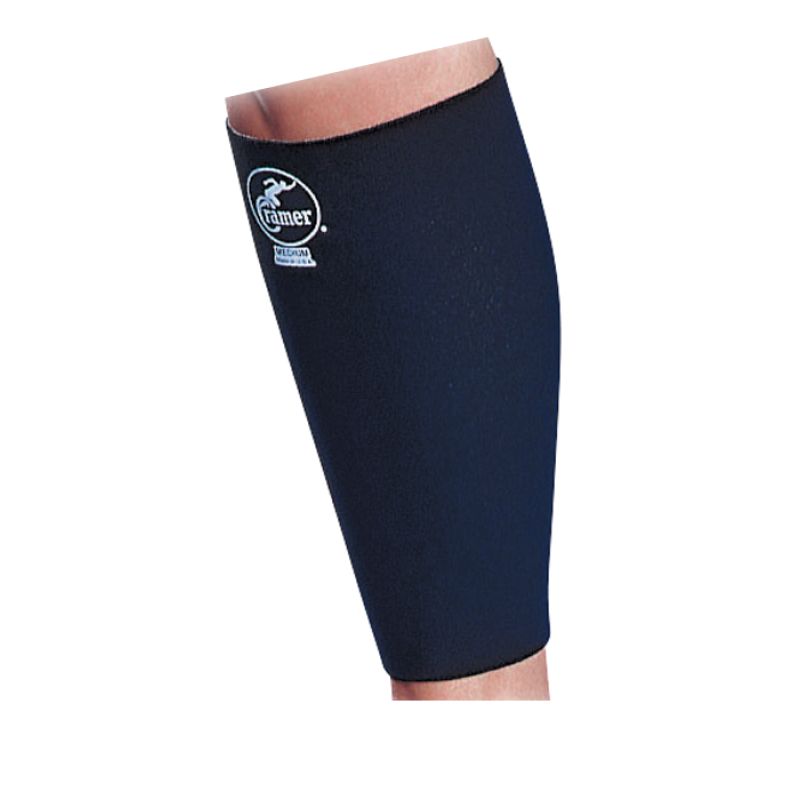
Ice packs and muscle sleeves are good injury recovery items in order to reduce inflammation in muscle groups. Ice packs have proven to be very effective on my shin splints. Over the past couple of weeks of trying out ice packs my shin splints have gotten noticeably better and don’t get in the way of my workouts as much as they did before I used ice packs.
While using shin splint sleeves I have found that they provide good support, compression, and reduction of inflammation. I would however, definitely recommend that if you are going to use ice packs or shin sleeves, to combine them with another technique of recovery/prevention for a more effective and consistent result.
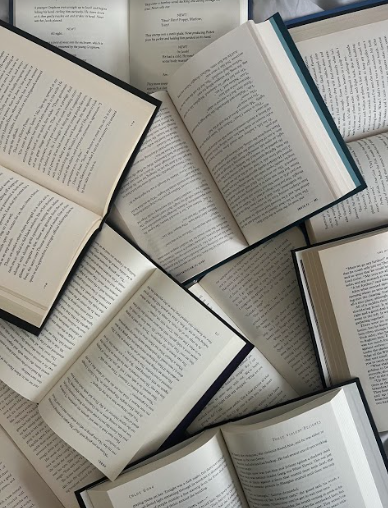
Sculptures and figurines: This is a really great way to theme your bookshelf if you want to relate it to a certain genre or character such as dragons. They can also simply be mini replicas or figurines of characters that don’t neccessarily belong to a book you’re reading but fit a similar aesthetic.
Vases and plants: They don’t have to be real, but sometimes adding a little color can make it more aesthetically pleasing and bring a pop of life onto the shelves.
LED and fairy lights: These can help give a warmer atmosphere to your reading nook, creating an almost mystical vibe as you dive into your next book. It espescially helps on cold or dark nights.
Artwork: It could be something simple like a quote from your favorite character or book. You could also put up a picture of your favorite scene or city from a book. Either way, adding artwork can really make the space feel more personal and related to what you’re interested in.
Color gradients: Some people like rainbows while others like organizing their books based on series or creating a fading gradient across the shelves. Based on your own personal preference, this could be the perfect chance to experiment with what works for you.
Themes: Sometimes changing up the decor on your bookshelf can also make it more refreshing or relaxing. Some themes you could choose from are seasonal or even genre-related.
An article by Brown University Health states that good habits are exceptionally beneficial to people’s daily lives through efficiency, consistency, goal achievement, health and wellness, time management, skill development, and even stress reduction (“Why Habits Can Be a Good Thing”). This conception emphasizes the importance of good habits and implies that good habits result in a better life. Thus, it is important to implement positive habits that can change your life for the better in 2025.
With the upbringing of the era of technology, planet Earth transformed significantly and people started to depend on technology for their daily use. Although this global transformation had some positive impacts, one of its negative impacts is the amount of time lost by humans in their life due to technology. This means that as humans became reliant on technology, their time started to be consumed by it, especially on social media apps like TikTok and Instagram where it created an endless cycle of addictive scrolling, which resulted in teens using their phones before they go to sleep and right when they wake up. Although this may seem relaxing, it transformed lots of people, specifically teens, through the incorporation of this bad habit into their daily life. In order to prevent your time from being further wasted, then you should start implementing this in your routines. You should go on your phone and put restrictions on your phone for the time you wake up and before you go to sleep in order to prevent yourself from going on your phone. You can also distract yourself with other things. For example, you can listen to energetic music instead of scrolling on social media.
Another habit that can be a head start for a great life in 2025 is to meditate. Many people’s lives drastically change due to meditation and studies from Harvard state that mindfulness makes positive changes to physical and mental well-being (Powell). If meditation is incorporated into your daily life as a habit, then by the end of 2025, your life will definitely have changed for the better.
Lastly, another habit you can begin is sleeping the right amount of times. I can not stress this enough but getting enough is so important to your health. It can impact your mood and how you act. Sleeping the right amount of sleep can improve your mood and your energy. If you don’t get enough sleep, you’ll all be grouchy and tired. If you get enough sleep, you will be in a way better mood.
In conclusion, the three habits to implement in 2025 are not getting screen time when you wake up and before you sleep, which prevent the loss of time, meditation for your physical and mental well being, and getting enough sleep, which is extremely important for your health in general. Implementing these 3 habits might seem small but their impact is drastic. Thus, you can make 2025 a year of growth step by step with these habits.
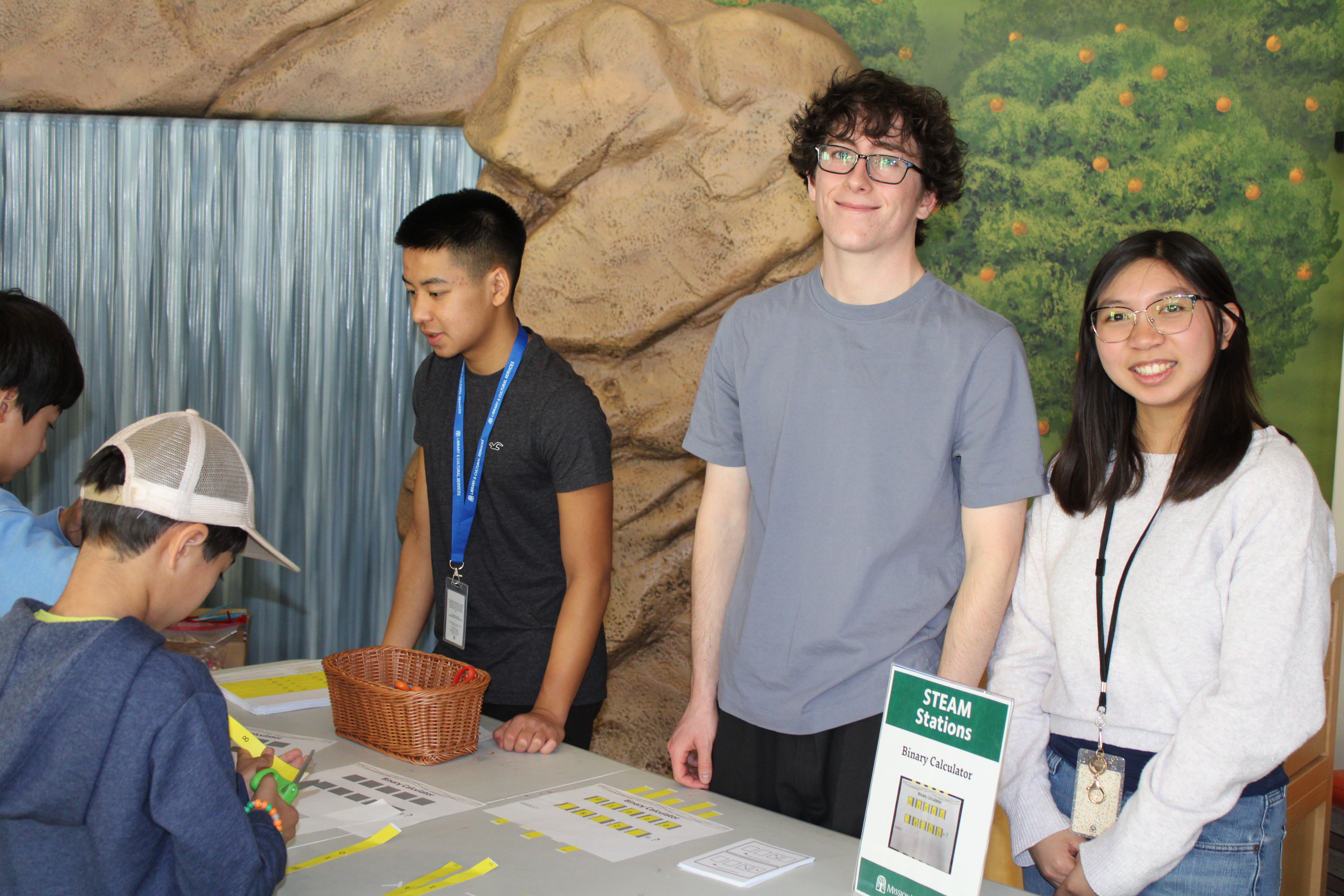
Previously in January, the library held their first STEAM Station to begin the new year. What is STEAM Stations? STEAM Stations is a library program that the Teen Advisory Board organizes that prioritize different aspects of STEAM (Science, Technology, Engineering, Art, Math). The library’s first STEAM Station was Coding Day; a station concentrated around coding.
For those who missed it, Coding Day had three mini stations all centralized around binary code:
The first station was our name activity. Essentially, it taught all participants how to write their name in binary code in a fun, artistic way. The activity was an art based project where participants would choose two colors (one to represent 1s and one to represent 0s) so they could create their name in binary code. By coloring in specific squares to fill in the ones and zeroes, they were able to create their own, unique binary block that spelled out their name.
At the second station, participants created a binary code bracelet. Using binary code, they could match the numbers to the three colors of their choosing to create a beaded bracelet with their initials. Each color would represent one letter of their initial which they would then thread through colorful pipe cleaners that could tie around the participant’s wrist. Not only was it fun, but it provided another opportunity to try spelling using binary code.
Finally, at the third station, participants created a paper binary calculator that could create the binary code for numbers all the way from 0 to 31. While the other two activities focused solely on spelling and creating letters with binary code, the binary calculator focused on creating numbers instead. It was a fun but easy math challenge that got participants thinking and learning numbers in binary code.
Coding Day was a great success and had a very good turnout. While the event welcomed everyone 6 years old and up, plenty of young kids came and had a fun time creating art while also learning about how create numbers and letters using binary code. I had a fun time seeing their beautiful bracelets and unique binary names as I quizzed them with math problems using the binary calculator. While the event had many young kids, it was open for all ages to enjoy. All the crafts and activities are simple enough for everyone to try out but still fun to do and you get to leave with your own creations.
While Coding Day was only a one day event, if you are interested in coding, check out the coding program at the Mission Viejo Library for availability. It is open for everyone so do not hesitate to try it out! Furthermore, there are two more STEAM Stations coming up. On February 8th, there will be Engineering Day and our final one on March 8th will be Biology Day. Each will be solely focused on their individual topics with fun and interactive stations for everyone to enjoy. It’s a fun experience that I hope more people come and check it out! Hope to see you all there!
A new year has started again, and what better way to start off your new year than helping out in the community? There are many ways to volunteer in the community, and volunteering helps not only others but gives you important skills as well. Here are some local volunteer opportunities to try to start out the new year.
1. The Mission Viejo Library
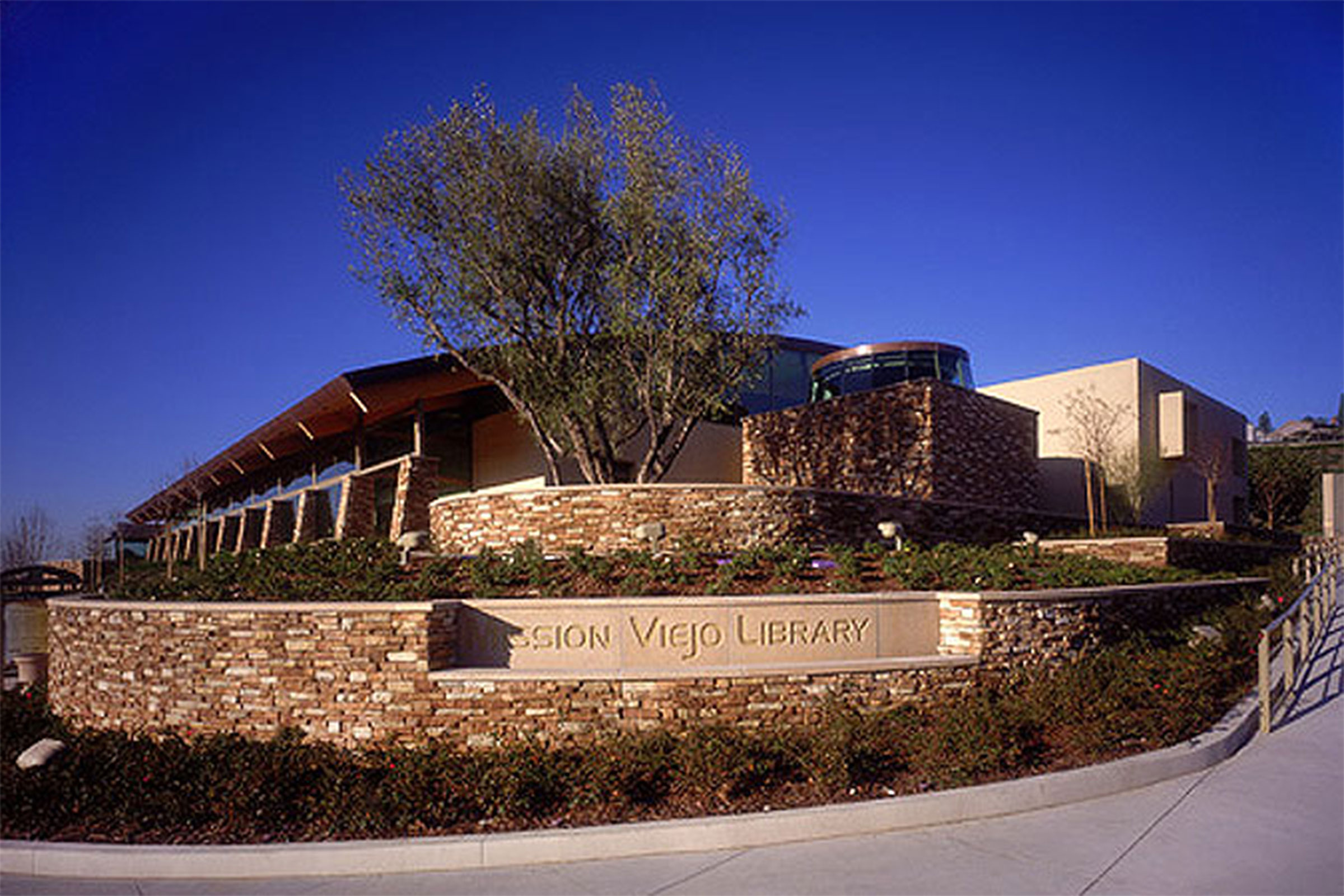
Some of the best opportunities to volunteer locally are at the Mission Viejo Library. The Library holds many events and activities around the community which are great to volunteer at. The Santa’s Workshop event each December is a great way to volunteer, as well as the Arbor Day program at the Oso Creek Trail. I would also recommend writing for the Teen Voice Blog. For the blog, you can write one or more blog posts a month, and you can get service hours for this as well! To learn more about volunteering at the Mission Viejo Library, visit here: https://www.cityofmissionviejo.org/departments/library/about/volunteer-opportunities-library
2. Second Harvest Food Bank
Another great way to volunteer in the community is at the Second Harvest Food Bank. It’s a great way to give back to the community with programs including food drives that help people in need, especially those without a home or who are food insecure. You can help here by harvesting food from the food bank’s farms or helping in the food distribution center to package and move food and canned goods. To learn more about how to help, visit here: https://feedoc.org/get-involved/
3. Mission Viejo Activities Committee
Another way to volunteer locally is through the Mission Viejo Activities Committee, which plans many of the activities in the community each year. Some of my personal favorite activities to volunteer for are the 4th of July Street Fair, Santa’s Workshop, and holiday decorating around the city. The Activities Committee hosts activities and booths at many city events, so if you are looking to volunteer, visit here: https://mvactivities.com/volunteer-opportunities/
4. Mission Viejo Animal Services
One of my personal favorite organizations to volunteer for locally is the Mission Viejo Animal Services, and this is a great opportunity if you enjoy working with animals. To volunteer, you can assist with services at the animal shelter, including walking dogs and caring for other animals including cats and rabbits. To learn more about volunteering at the Mission Viejo Animal Shelter, visit here: https://www.cityofmissionviejo.org/departments/animal-services/volunteer-opportunities/volunteering-center
5. Pacific Marine Mammal Center
If you are interested in learning more about the ocean and marine biology, the Pacific Marine Mammal Center in Laguna Beach is a great volunteer opportunity for you, and there are a wide variety of ways to help here as well. Volunteers can care for animals, feed animals, and clean enclosures and pools. You can also volunteer as a marine science instructor to teach others about marine biology and assist with activities for visitors, making this overall a great and educational volunteer opportunity to participate in. To learn more about volunteering at the Pacific Marine Mammal Center, visit here: https://www.pacificmmc.org/volunteer
Overall, all of these opportunities are great ways to help and give back to the community. These are all great opportunities if you are interested in helping with activities, helping those in need, or helping to care for animals. I would recommend all of these opportunities to anyone interested in volunteering or getting involved in the community.















 Mission Viejo Library Teen Voice