The Basics of Camera Settings

Hello! I hope that you found my previous article about starting photography interesting. This article aims to help those with DSLRs (digital singular-lens reflex) Cameras learn their settings.

One of the first and most important things to learn about your camera is what mode you are in. This ranges from auto, portrait, landscape, food, sports, and manual. Most photographers use the mode manual, which allows full control over all the settings in a camera.

Here’s a list of what each letter stands for in the picture above:

  • A-Dep = Automatic Depth (of Field)     
  • M = Manual                
  • Av = Aperture Priority
  • Tv = Shutter Priority
  • P = Program
  • Green Box = Auto
  • No Flash
  • CA = Creative Auto

When starting out, try the Auto mode for the first couple of times. However, as you continue using your camera, you’re going to want to learn how to use manual mode.

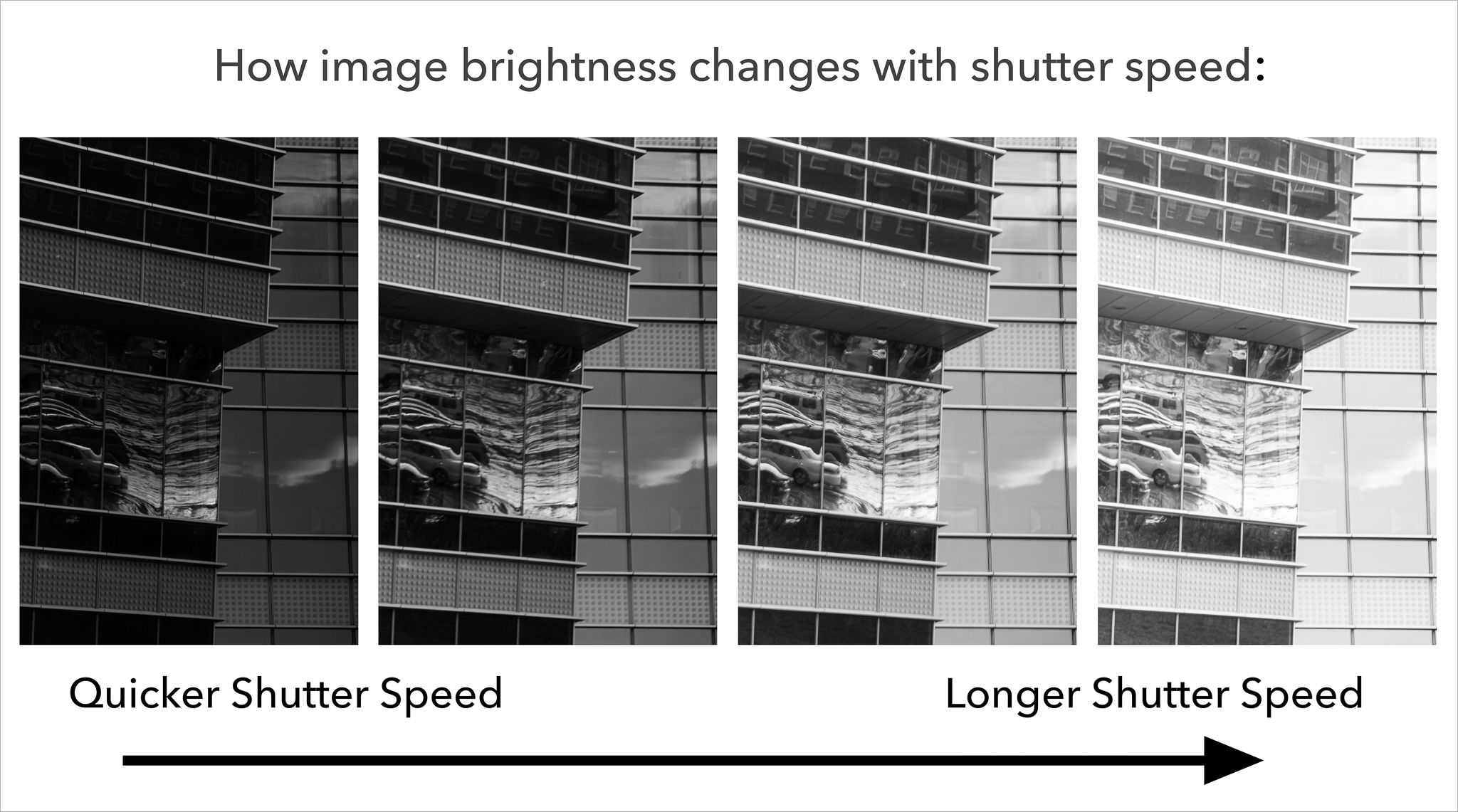
Next, you will want to learn the settings of a camera. The first is shutter speed, which controls how long (or short) your camera’s lens is open. Shutter speed is measured in seconds, and can go down to 1/1000 of a second on most cameras. The smaller your shutter speed is, the less light will enter your camera (and the faster it will capture a movement); use a small shutter speed when taking pictures of movement, or in bright spaces. Slower shutter speeds such as 5 seconds are often used for light painting, or for night photography. You can adjust your shutter speed by using the shutter speed dial, this is different for each camera, so make sure to search it up. I know this is probably confusing, so I’ll insert some helpful articles/videos at the end!

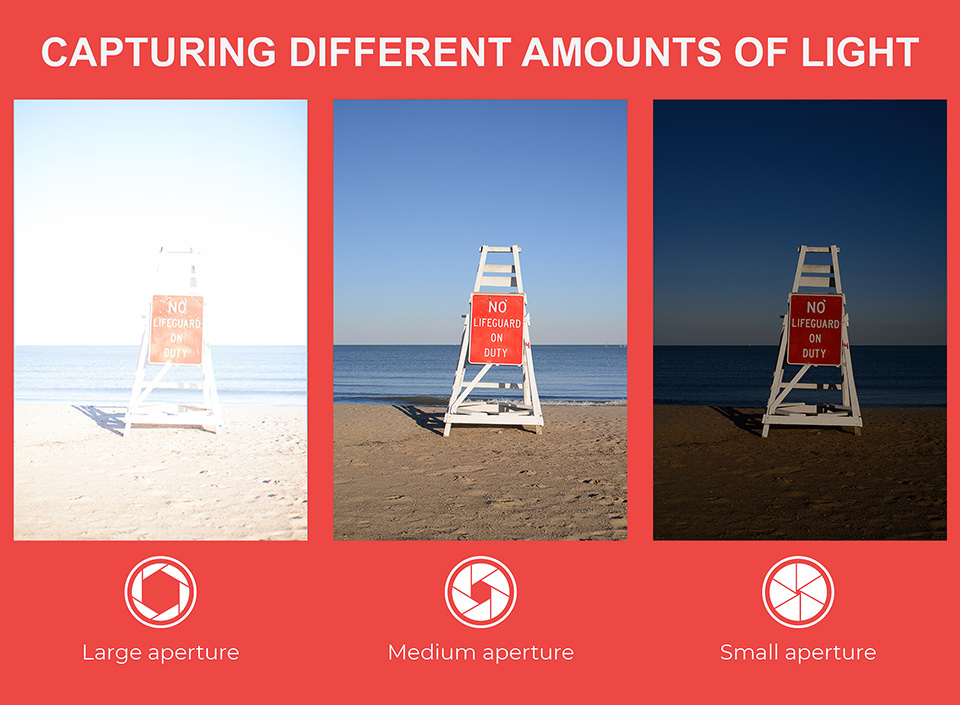
Another important setting is the aperture, also known as the pupil in your camera lens. According to Photography Life, “Aperture can be defined as the opening in a lens through which light passes to enter the camera” (Photography Life). Controlling your aperture makes the opening in the lens bigger or smaller. It is expressed in f-stops. A small aperture makes the hole in the lens smaller, meaning less light will come through. However, a large aperture will make more light come in. In addition to lighting, this setting affects your depth of field (what is shown in your photo–focused or unfocused). Aperture is confusing to learn about, so I’ll link a video in this article.
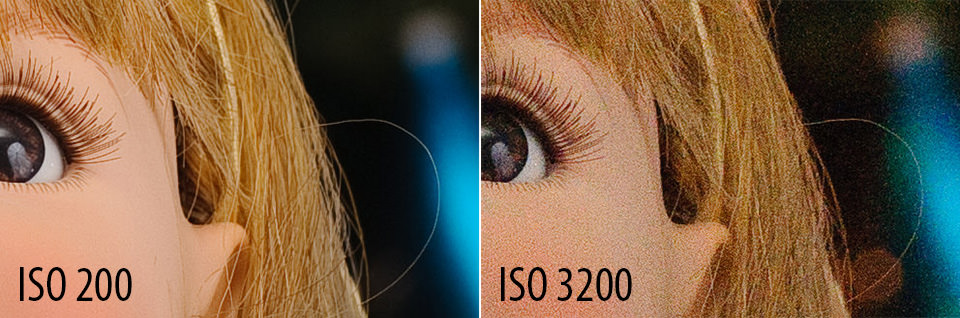
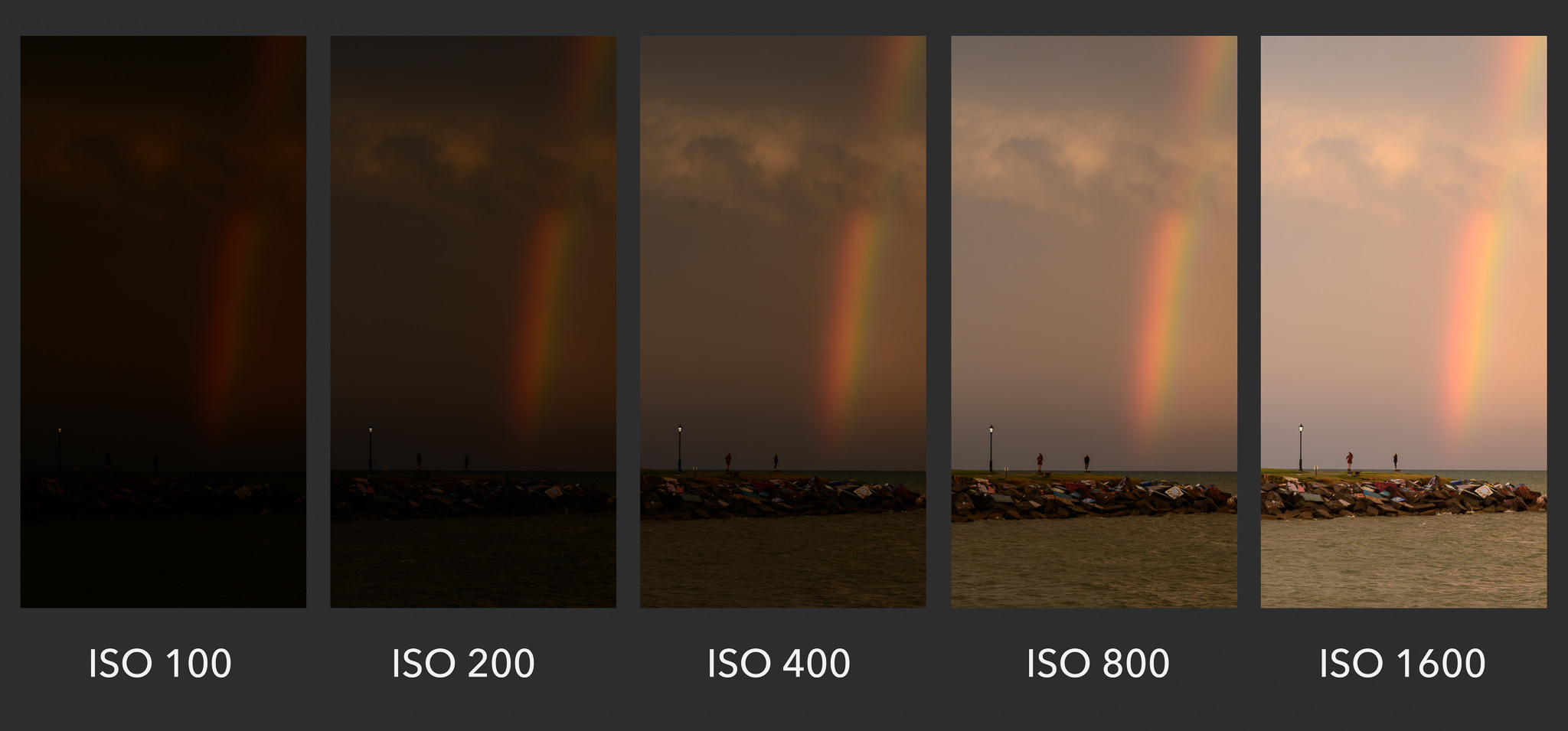
Finally, you’ll need to know the setting ISO. To simplify this term, ISO is a setting that will brighten or darken your photo. An ISO of 100 will darken your photo, but an ISO of 500 will brighten it. However, when using a high ISO, it creates noise–or graininess. You can adjust your ISO by pressing the ISO button on the right-hand side of your camera.
Hopefully, this article was helpful! Below are some helpful articles and videos that explain the concepts better than me. 

Camera Modes: article

Shutter Speed: article, video

Aperature: article, video

ISO: article, video

Video of an Overall Summary

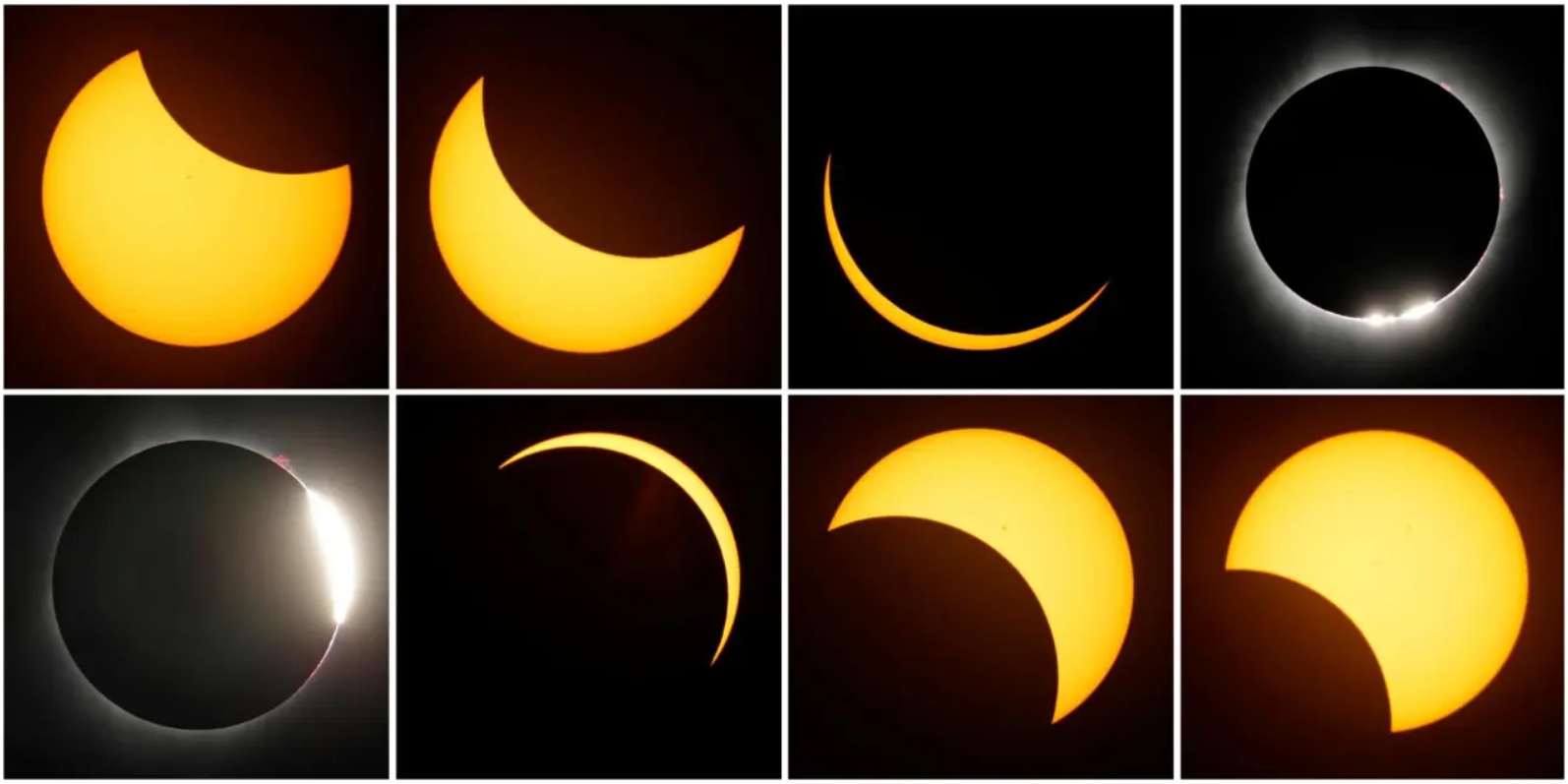
Solar Eclipse

Photo: https://www.sgvtribune.com/2024/04/06/solar-eclipse-2024-what-southern-california-should-know-as-things-go-darker/

Many significant events took place in the month of April, and one of these events was the solar eclipse. The solar eclipse took place at the start of April, on April 8th, 2024. The last solar eclipse was on August 21, 2017. The solar eclipse is a rare astronomical event when the Earth, the Sun, and the Moon are all lined up so the Moon is blocking out the Sun.

The most phenomenal form of a solar eclipse is a total eclipse when the whole sun is seen to be blocked out by the moon. However, this isn’t seen by everyone and only seen by people in the path of totality. When a solar eclipse happens, it casts two shadows into the Earth, an umbra and a penumbra. The path of totality is the imaginary path that the umbra shadow makes. If a person is not in the path of totality, they will still see the solar eclipse, but they wouldn’t be able to see it fully, since they are not in the path of totality. 

Regardless of the place, if you look up at the sun during a solar eclipse, it can be very dangerous and cause severe damage to your eyes because since the moon is blocking out the sun, your brain will think that it is not looking at the sun, so your pupils won’t dilate, thus making it dangerous to look at the sun during an eclipse. That’s why it is important to wear eclipse glasses to protect your eyes from the radiation of the sun! 

I didn’t even know that there was a solar eclipse that day on April 9th. I only realized when everyone was talking about it. My 3rd-period teacher and many other teachers let their students go outside to look at the sun. Unfortunately, I didn’t have solar eclipse glasses, so I couldn’t see them, but my teacher and this chemistry teacher showed us the shadows and they were formed into crescents. Then my teacher’s friend let my class use her solar eclipse glasses and when I looked through it, I was amazed. It wasn’t a total eclipse but I found it cool how it was a crescent.

Snails!

Photo: https://www.bbc.co.uk/newsround/65188805

I personally am a big fan of snails. I think these little critters are so misunderstood and I have always had a soft spot for them. So, to make them seem less weird and hopefully convince everyone to stop looking at them with such disgust I have complied some fun facts about them that I have learned throughout the years of being a snail lover!

Snails have the most teeth of any animal

When I discovered this fact I too was very surprised but although you may not see them, snails have up to 20,000 teeth. If that wasn’t impressive enough, some species of marine snails are said to have the strongest teeth in the game and it is said that they can withstand the pressure that is used to make diamonds!

Snails don’t have jaws
Now I know what you’re thinking, but wait you just shared that they had 20,000 teeth! Well I wasn’t lying they do indeed have up to 20,000 teeth but they aren’t connected to a jaw like ours are, instead they grow along this thing called a radula which is an elongated sac that snails use to scrape their food along and digest it instead of chew.

Snails can sleep for up to 3 years

If you didn’t know, snails need constant moisture to survive which is why they are so slimy. If the snail senses that the environment is getting too dry for their liking, they shut down and go into a sleep to preserve their mucus and stay moisturized. These “sleeps” can last anywhere from a few hours to 3 years! This is why they are my favorite animal, I wish I could sleep for 3 years.

Snails can be Omnivores or Carnivores

These animals maybe small but they sure are mighty! Snails can eat anything from some tree bark to small insects they may find. Sometimes if they come across cement or limestone rock they can take that into their little radula and digest it. They truly can adapt to anything.

The biggest snail is 12 inches long

I would like to highlight the biggest snail of them all: the Giant African Snail. Although this snail is large and in charge, it is actually considered to be an invasive species in many parts of the world due to its rapid reproduction rate and large appetite. These snails are herbivores which means they’ll eat any plant material they may find, whether that is fruit or tree bark they are down for a good feast.

This is my list of some of my favorite snail facts. I hope these can show you that snails are actually super cool!

Books about snails are available to check out from the Mission Viejo Library.

Pinterest Overview

Pinterest is a social media app that is for searching for ideas. It was launched more than a decade ago in January 2010 and it has been nominated for Teen Choice Award for Choice Social Network in 2013. The founders of Pinterest are Ben Silverman, Paul Sciarra, and Evan Sharp.

Pinterest is the app you go to for inspiration. Once you first open the app, it lets you pick out topics that you want to show on your feed. These topics can range from art to the sky and even tattoos. Once you pick your desired topics, they show up in your feed and you can save them, or add them to a board. You can make various boards to add your “pins” to.

Pinterest has such a great algorithm. If you save a pin to your board, view a picture, or download it, it will show that in your feed. For example, if you save a picture of an outfit on Pinterest, it will show more pictures of outfits on your feed the next time it refreshes. This can be really useful but if you don’t like that, you can turn off the home feed tuner in your settings.

Personally, I use Pinterest a lot. I use it on lots of various occasions. I sometimes use it when I want to find inspiration for an outfit for school the next day or when I want to get a haircut but don’t know what. I have many boards such as some boards for my home screen theme ideas and some boards for food recipe ideas. I really love Pinterest and I have started many of my hobbies because of it. I started to crochet because I found this one cute crochet miffy pouch on Pinterest and I have adored crocheting ever since. I really recommend Pinterest.

Together4Teens on April 13

Join the library, the City of Mission Viejo, and other local groups for this great event for teens and their parents!

Earn community service credit while attending valuable workshops. There will be a resource fair plus a complimentary lunch. Don’t miss the guest speaker, Larissa May!

For more details, see the program here.

The Benefits of Classroom Cameras

According to the National Center for Education Statistics, in 2020, 91% of public schools reported using security cameras to protect their students. These devices are certainly a positive force on campuses. They can work to deter potential threats and catch bullying and theft in the act. Security cameras should be allowed in school classrooms.

Surveillance cameras in classrooms can catch theft, bullying, and other crimes. According to a survey conducted by Campus Safety Magazine, 78% of schools using cameras reported them to have helped prevent crime with nearly one in three describing them as having frequently helped. As seen above, schools themselves have announced the beneficial effects of cameras on campus; therefore, inside classrooms should be no exception. Surveillance indoors can make a huge impact on safety and security in schools. Some people have claimed that security cameras invade privacy, but classrooms are public spaces. They’re not private in the way a bedroom or a bathroom is. School and classroom cameras shouldn’t invade students’ privacy any more than regular cameras in grocery stores or libraries. Altogether, security cameras in classrooms work to dissuade students from misdemeanors.

Surveillance in classrooms is beneficial for keeping students and their possessions safe. There have been many instances where security cameras in schools have caught criminals or protected individuals. Campaigning against security cameras in classrooms is only making school a more dangerous place for students to be. Understanding the benefits of these devices will allow schools to ensure the safety of students.

Python

Python is one of the most crucial and intriguing programming languages in the world. It was first created in the late 1980s by Dutch programmer Guido Van Rossum. He wanted to make a powerful language as intuitive as basic English. By doing so, people could express concepts in fewer lines of code.

Python is typically used for developing websites, analyzing/visualizing data, and automation. Because of its simplicity, It is incredibly effective in the real world. Since it has an elegant syntax and emphasizes readability, it is a great option for a beginner in programming. Commands such as “print” and “if, then” statements make Python a relatively easy language to learn. Other, more advanced programming languages, such as Java, have a much more complicated syntax.

Frameworks such as Django and Flask include Python and are exceptional for website building. In 2021, I created a standalone website for T-shirt shopping using Django, including Python and HTML. AI development is also reliant on Python as it is versatile and stable. It has powerful capabilities for all people, regardless of programming experience. In a society where technology has become increasingly vital, learning Python can be the first step to a career in software development.

Books about Python are available to check out from the Mission Viejo Library. It is also available to download for free from Libby.

Ramadan

Ramadan is a known Islamic holiday amongst the world, but how is it celebrated and how can you support/help out a friend who is celebrating it?

Let’s start off with an introduction to what exactly it is. Ramadan always begins during ‘Daylight Savings’. It is a 30 day long fasting period, because during the period would be the 9th Islamic month. People might ask, why does the time change every year? Well that is because the month is determined by the moon setting. The moon has be at a thin silver crescent fo the month to begin (symbolizing the prophets attribution to his fast) and at a full moon when the months ends. 

Why is it celebrated? Well, its a month for spiritual discipline and the deep contemplation to a person’s relationship to God. Some might like to add that it brings you closer to your family because the meals are usually/supposed to be consumed with close relatives, parents, and/or family members.

During this month you consume your first meal before the first prayer of day (before sunrise), that is called suhoor, meaning consumed early.  As your biggest meal,which is when you break that 12-14 hour long fast, at the second to last prayer of the day (after sunset), that’s called Iftar meaning break-fast.

If you know or acknowledge your friends fasting during this months, you should be mindful and not eat or drink around them or at least don’t offer them bites or sips, if you’re having a dinner party or are having a fancy dinner, invite them, and or wish them a “Happy Ramadan” and if its near the end, wish them a “Happy Eid,” as that follows right after for three days.

-Zina Khalifie

Books about Ramadan are available to check out from the Mission Viejo Library.

Starting Photography

As a high schooler, one of my passions is photography. In my freshman year of high school, I took a photography class. At first, I thought it was interesting but I didn’t think I would get into it. However, I discovered that photography was an enjoyable way for me to express myself and my creativity.

The first and most obvious step to photography is to buy a camera. While using your phone’s camera is great and totally acceptable, investing in a DSLR is a great option as well. Personally, I use a Canon Camera. I’ve found that this brand is reputable and easy to use. My camera body is a Rebel T6. This is a great starter camera to use. If you aren’t into Canon, Nikon, and Sony are other camera brands that I’ve heard great things about.

Secondly, finding a lens is extremely important. Though you may want to jump into portraits or nature photography, I’d suggest using a kit lens at first. These lenses are affordable and have fewer features than a telephoto or macro lens, but allow first-time photographers to learn the bearings of a camera.

Other equipment that you’ll need are SD Cards (to store your photos) and Battery Charges/Ports. Now that you have the required equipment, start taking photos on your camera. If you’re using a DSLR, put the camera in Auto Mode first. When using the Auto-Mode, the camera makes all the decisions for your settings; all you have to do is press the Shutter Button to take a photo!

I hope this small article helps you in your photography journey; stay tuned for more articles about general rules and tips!

Books about photography are available to check out from the Mission Viejo Library. It is also available to download for free from Libby.