
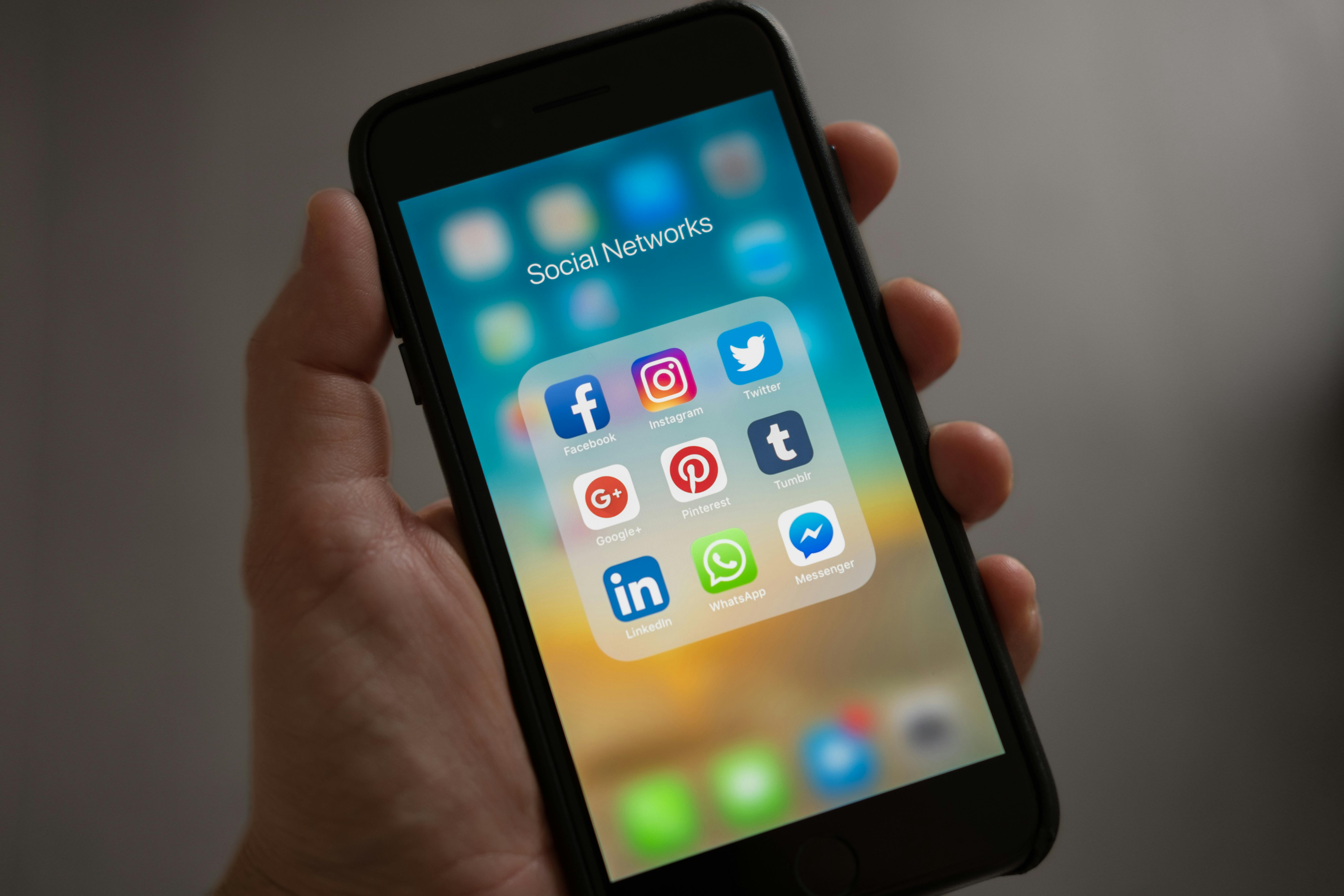
In 1990, around 96% of Americans had no cell phone, and exactly 30 years later, the number completely flipped. In 2020, it was reported that 98% of Americans had a cell phone or smartphone. With the rapid rise of technology use over the past 30 years, the way people live has changed completely. This was shown in work life, home life, and most of all, social life. Technology allowed people to connect with others from all over the world, whether it be the other side of the world or even the next-door neighbor.
While technology gave more opportunities to connect with others, for some, it completely isolated them. Studies show that in 2023, a report titled “Our Epidemic of Loneliness and Isolation,” discovered that half of the U.S. adults experienced measurable levels of loneliness, and technology had a major impact on that. The focus on technology can induce feelings of loneliness due to the natural human need for social interaction and technology’s impact on these social interactions. Poor social connections can increase risks for major health problems, such as heart disease and stroke.
In order to prevent the decrease of social interaction and isolation, it’s important to strengthen social interactions. This can be done by going to parks, libraries, or other places that encourage social interaction with others. Hanging out with friends free from technology can also improve social interaction. There are many fun activities out there that don’t require technology in order to be fun. Some ideas can range from amusement parks to a little walk in the park, or even going swimming. Numerous community groups promote social interaction through volunteer activities, sports, or mentorship programs. Thus, since technology can hinder the social skills of many people, it’s important to interact with others and the environment without technology to improve social skills.





 Mission Viejo Library Teen Voice