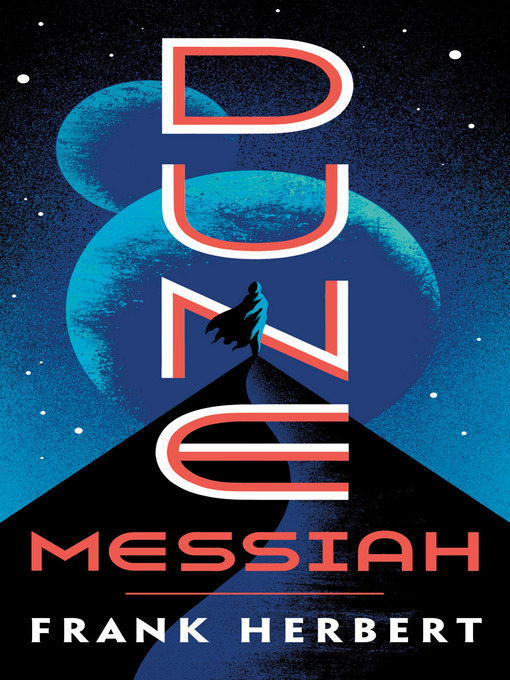
Dune Messiah by Frank Herbert

The world of Dune is vast, with the first book barely scratching the surface. Leaving many fans asking author Frank Herbert for more. 4 years after the release of the first one, Frank delivered Dune Messiah. Taking many of the criticism of his previous books and proving them wrong, by introducing us to the dark side of destiny. If I were to describe the book in one word, it would be sinister. Everything about it, from the villains, the heroes, the politics, and the philosophy. There are moments when you will feel dirty as if you participated in some evil plot. But this is exactly what Herbert wanted, he wanted to show how power is corruptive, and how even the noblest of heroes have a dark side.

He broke the mold of the classic “hero’s journey” and focused on the hero’s psychological transformation. As Paul Atreides struggles to deal with his “horrible purpose”, visions of destruction, and a horrific injury. Despite this intriguing concept, the book is not without its failings. Unlike its predecessor, the book has hardly any action, focusing almost entirely on dialogue. This can lead to parts of the book coming off as filler, or self-aggrandizing philosophical nonsense. However, it makes up for it in the best endings I’ve ever read. The final act of the book is simply breathtaking, hard to put down, and yes, it’s incredibly sinister. In many ways, it’s the complete opposite of its predecessor, which had an incredibly lackluster ending. Leaving me with only one question, what could the next book have in store?

-Parker K.

Dune Messiah by Frank Herbert is available for checkout from the Mission Viejo Library. It can also be downloaded for free from Libby

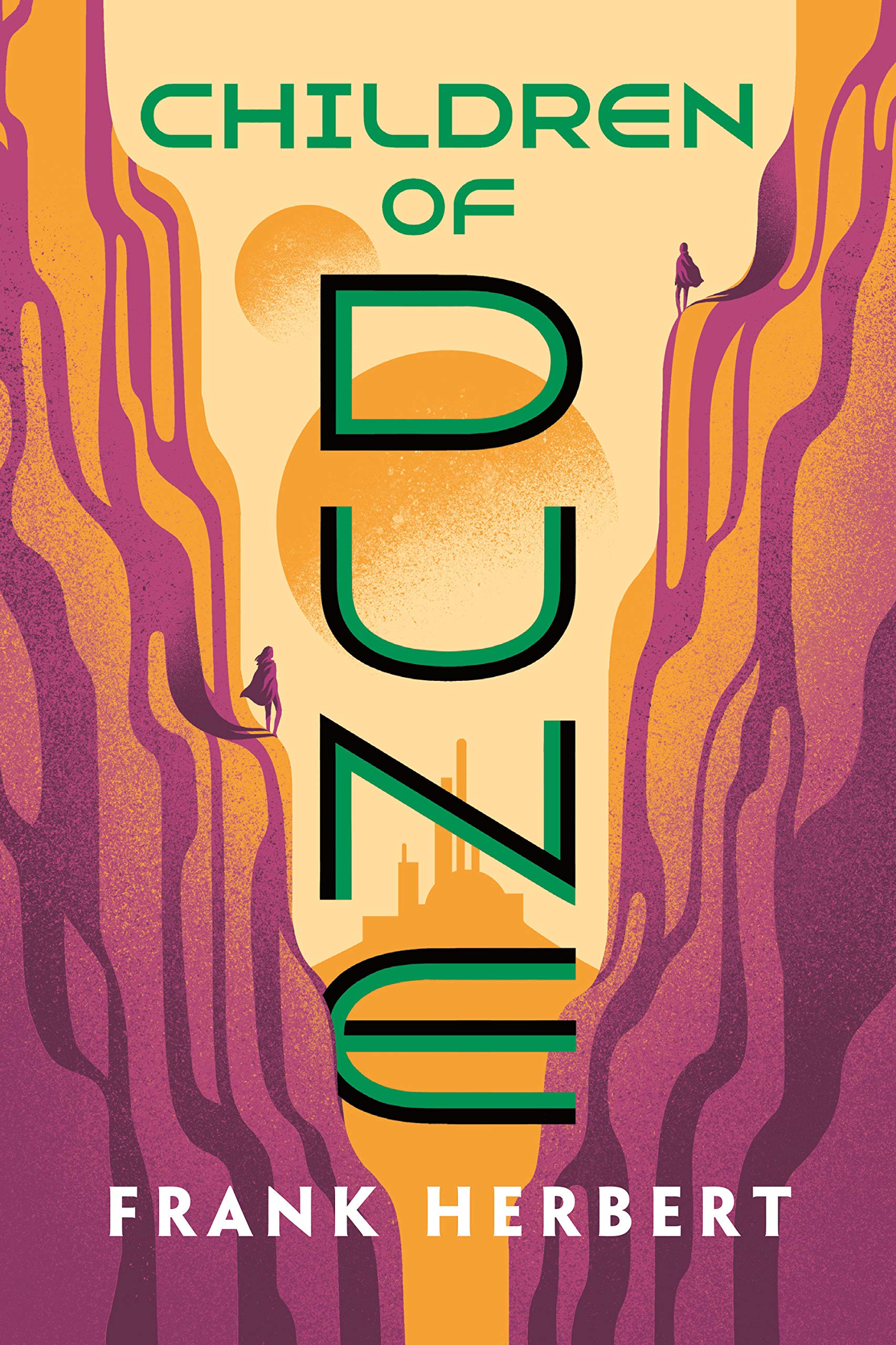
Book Review: Children of Dune

Minor spoilers for other Dune books

Children of Dune is the 3rd book in Frank Herbert’s Dune series. It was published in 1976 a whole 11 years after Dune, and 6 years after Dune Messiah. The story follows Paul Atreides’ children, the twins Leto II and Ghanima as they navigate political plots, religion, and mental turmoil. Both twins are “pre-born” meaning they have the knowledge of all those who came before them. This causes them to struggle, as they navigate physically being children, but mentally being thousands of years and thousands of people all in one. The Bene Gesserit are incredibly afraid of pre-born believing that they could turn into abominations. This simply means that they can become possessed by the evil people of their past who haunt their minds. Ideas like this are what make the story so interesting. Herbert always shows the dark side of power and the consequences of losing your humanity. The twins acknowledge and know about this dark side, seeing it in Alia, and in Paul’s supposed death. Yet, they are forced to use their powers and risk their humanity for the greater good. In Leto II’s opinion, they must go where Paul never could go, where he even was afraid to go. 

Many would consider this blasphemous to say, but it’s a bit like Star Wars Episode 7. By this I mean the story is a bit of a retelling of the original story. But it’s more fun and has enough new and interesting content to make it a great read. Some might even find it superior to the original. I probably would if it wasn’t for a few specific issues I had with the story. I dislike the ending of the story; it’s too similar to the first book and doesn’t show enough of Leto II’s potential. Perhaps this is on purpose to get us excited for the next book, but I’m not a fan. I also dislike how little Herbert does with Ghanima. I find her far more interesting of a character than Leto II (who in many ways is the same character as Paul) yet she hardly does anything. That being said I’m certainly looking forward to seeing what the next book and the books after that have to offer. 

-Parker K.

Children of Dune by Frank Herbert is available at the Mission Viejo Library. It can also be downloaded for free from Libby.