
The Basics of Camera Settings

Hello! I hope that you found my previous article about starting photography interesting. This article aims to help those with DSLRs (digital singular-lens reflex) Cameras learn their settings.

One of the first and most important things to learn about your camera is what mode you are in. This ranges from auto, portrait, landscape, food, sports, and manual. Most photographers use the mode manual, which allows full control over all the settings in a camera.

Here’s a list of what each letter stands for in the picture above:

  • A-Dep = Automatic Depth (of Field)     
  • M = Manual                
  • Av = Aperture Priority
  • Tv = Shutter Priority
  • P = Program
  • Green Box = Auto
  • No Flash
  • CA = Creative Auto

When starting out, try the Auto mode for the first couple of times. However, as you continue using your camera, you’re going to want to learn how to use manual mode.

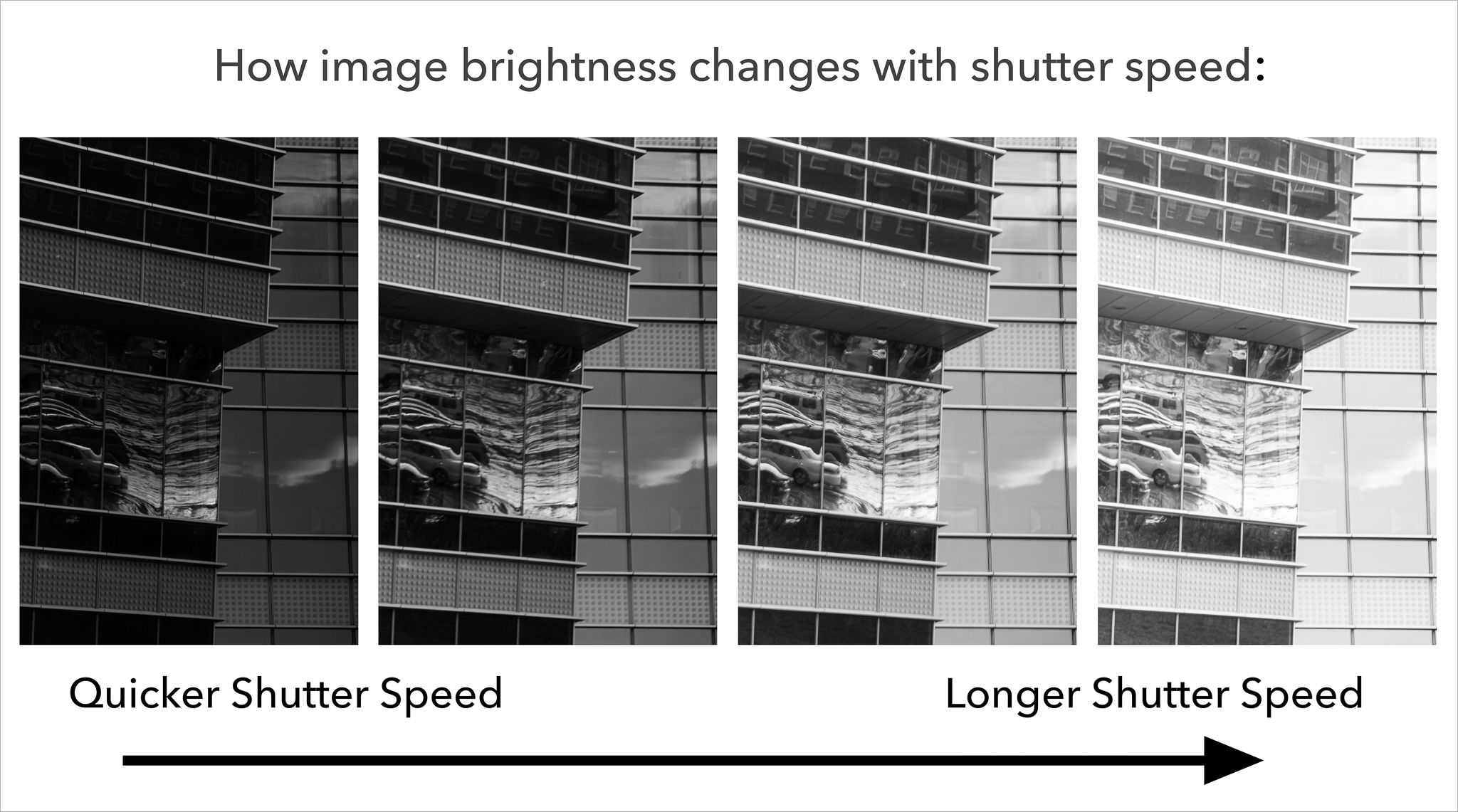
Next, you will want to learn the settings of a camera. The first is shutter speed, which controls how long (or short) your camera’s lens is open. Shutter speed is measured in seconds, and can go down to 1/1000 of a second on most cameras. The smaller your shutter speed is, the less light will enter your camera (and the faster it will capture a movement); use a small shutter speed when taking pictures of movement, or in bright spaces. Slower shutter speeds such as 5 seconds are often used for light painting, or for night photography. You can adjust your shutter speed by using the shutter speed dial, this is different for each camera, so make sure to search it up. I know this is probably confusing, so I’ll insert some helpful articles/videos at the end!

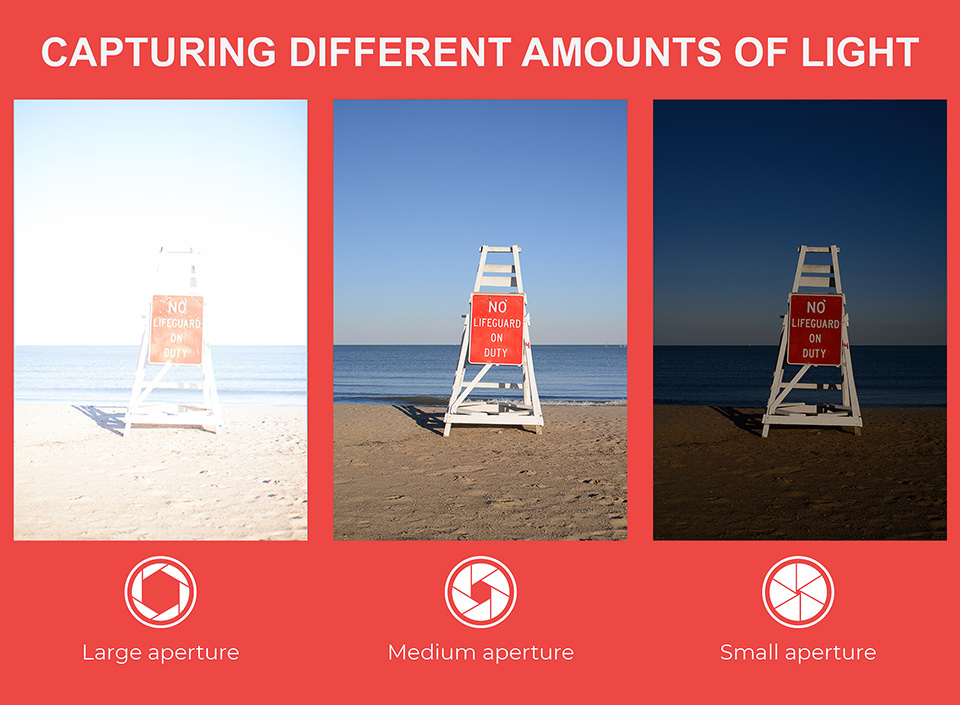
Another important setting is the aperture, also known as the pupil in your camera lens. According to Photography Life, “Aperture can be defined as the opening in a lens through which light passes to enter the camera” (Photography Life). Controlling your aperture makes the opening in the lens bigger or smaller. It is expressed in f-stops. A small aperture makes the hole in the lens smaller, meaning less light will come through. However, a large aperture will make more light come in. In addition to lighting, this setting affects your depth of field (what is shown in your photo–focused or unfocused). Aperture is confusing to learn about, so I’ll link a video in this article.
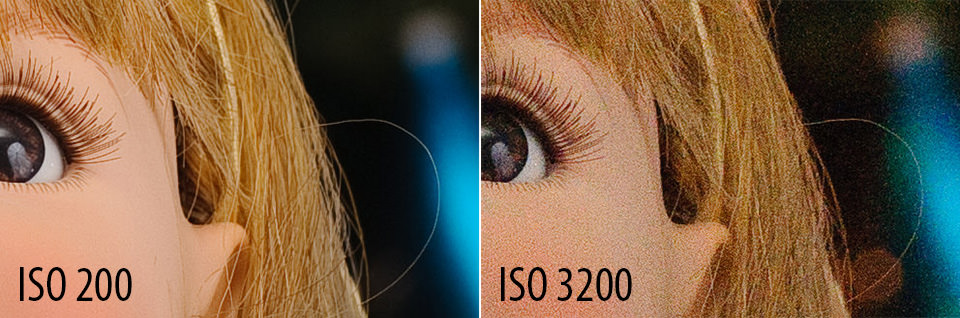
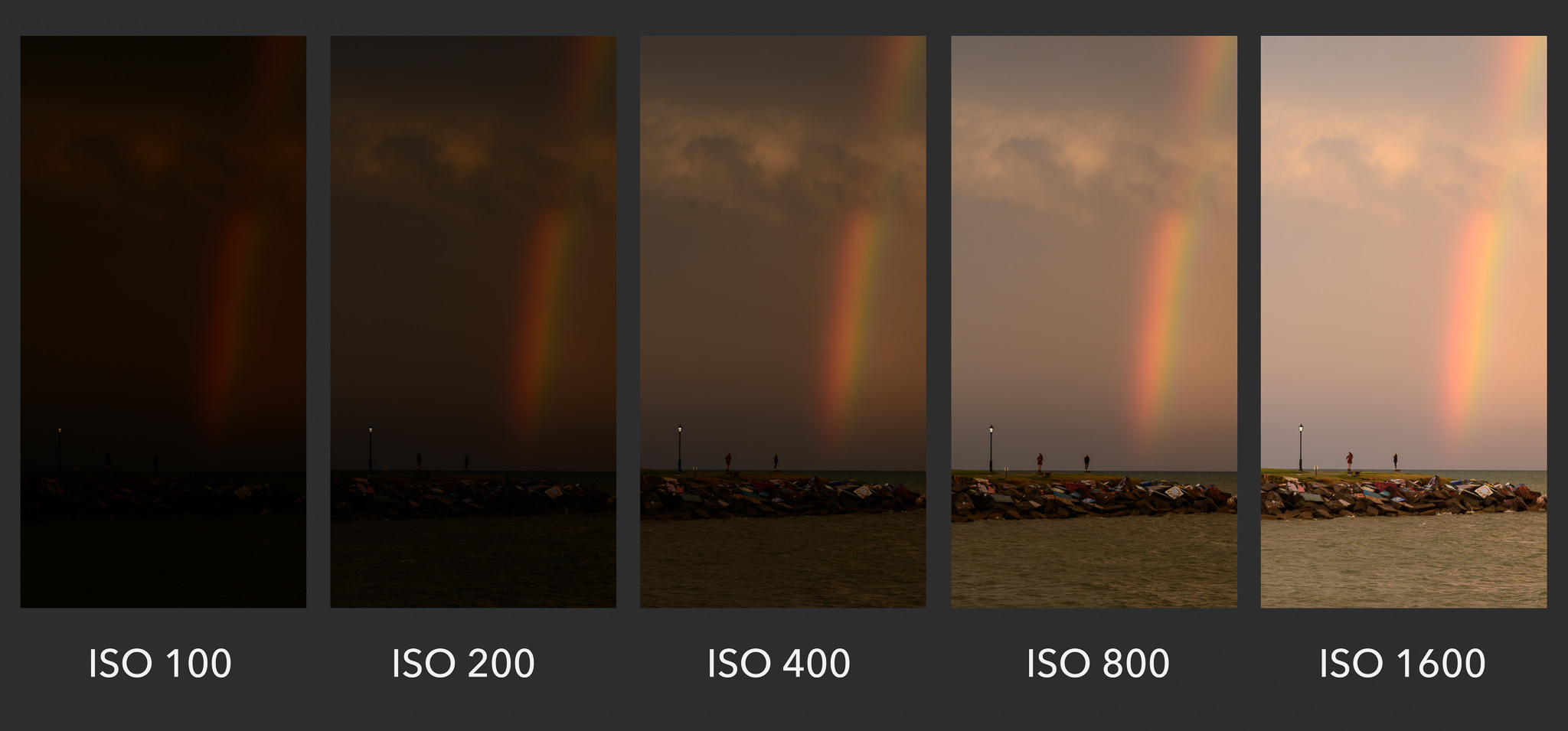
Finally, you’ll need to know the setting ISO. To simplify this term, ISO is a setting that will brighten or darken your photo. An ISO of 100 will darken your photo, but an ISO of 500 will brighten it. However, when using a high ISO, it creates noise–or graininess. You can adjust your ISO by pressing the ISO button on the right-hand side of your camera.
Hopefully, this article was helpful! Below are some helpful articles and videos that explain the concepts better than me. 

Camera Modes: article

Shutter Speed: article, video

Aperature: article, video

ISO: article, video

Video of an Overall Summary

Steps for Teens to Obtaining a California Driver’s License

Many of us look forward to our 16th birthday, when we can officially obtain our driver’s license in California. If you want to get your license on your 16th birthday, it’s best to start planning not too long after you turn 15 years old, especially with all of the other commitments teens have nowadays with school, sports, jobs, and volunteering.
There are a lot of steps that are sometimes confusing to teens and their parents, so hopefully this information is helpful to start.

To obtain a driver’s license in California if you are between 16-18 years old, you must first complete at least 25 hours of classroom instruction or a virtual class, 6 hours of behind-the-wheel training, and 50 hours of supervised driving practice that includes 10 hours of driving at night (www.dmv.ca.gov).

The first step is to obtain your learner’s permit which you can do as soon as you turn 15 ½. Before going to the DMV to obtain the learner’s permit, you will need to take the 25 hours of instruction and pass the class, usually with a test. There are many ways to do this in person and online and many companies that offer this service. You’ll have to research and find the one that works best for you.

After you complete the class, you will receive a certificate to take with you to the DMV to prove that you’ve passed the course. It’s best to make an appointment at the DMV to avoid waiting in long lines. You’ll also need to complete the DMV driver’s permit application and have a parent or legal guardian sign it. When you go to the DMV you’ll need to bring proof of residency, pay an application fee, pass a vision test, take your picture and take a written test of your knowledge of driving laws. You must pass the multiple choice test with at least 80% of the questions answered correctly. Once you have done all that you may begin your behind the wheel training. If you pass, congratulations, you will be issued a learner’s permit and be allowed to begin your behind-the-wheel training. If you don’t pass the first time, its ok, you can try again, but you’ll have to wait at least 7 days and make sure to study hard during that time.

You’ll then need to complete at least 6 hours of behind-the-wheel training with an actual driver’s program. You’ll also need to complete 50 hours of driving behind the wheel with a parent or guardian who is at least 25 years old and has a CA driver’s license. Ten of those 50 hours need to be done at night.

After all of this, once you have had your provisional permit for at least 6 months and you are at least 16 years old, you can make an appointment at the DMV to take your in-car driving test. They’ll ask for current insurance documentation and give you a behind the wheel test. If you pass, YEAH! You’ll be an officially licensed driver in the State of California. You’ll be issued a temporary paper license, valid for 60 days or until you receive your official license in the mail. If you don’t pass, you’ll have to wait 14 days and try again and pay an additional fee. You can try 3 times before you are required to start the entire process all over again. This is why it’s especially important to make sure you are ready the first time around.

Requirements can always change, so please refer to the most recent information available at http://www.dmv.ca.gov.

Drive Safe!