
Book Review: Othello

Othello by William Shakespeare is a powerful and emotional tragedy that explores jealousy, trust, manipulation, and the destructive effects of insecurity. The play follows Othello, a respected Moorish general in the Venetian army, who secretly marries Desdemona, a noblewoman. Their love is strong, but things quickly take a dark turn when Othello’s trusted ensign, Iago, begins to manipulate him into believing Desdemona is unfaithful.

One of the most fascinating parts of the play is Iago himself. He’s one of Shakespeare’s most clever and sinister villains, and watching how he carefully plants seeds of doubt and twists every situation to his advantage is both impressive and unsettling. Iago doesn’t use violence—he uses words, and it’s a chilling reminder of how dangerous manipulation can be.

What really stood out to me is how the play explores human emotion in such a raw way. Othello is a man of honor and strength, but he’s also deeply insecure about his race, his background, and whether he truly belongs in the world around him. Once Iago starts preying on those insecurities, Othello’s jealousy takes over, leading to heartbreaking consequences. The tragedy doesn’t come from evil alone—it comes from vulnerability, which makes the story feel very human and real.

Shakespeare’s language is rich and poetic, and while it can be challenging at first, it’s worth the effort. There are moments of beauty, especially in the early scenes between Othello and Desdemona, and moments of intensity that hit hard even centuries later. The famous line “O, beware, my lord, of jealousy; It is the green-eyed monster” really captures the core of the story: how dangerous it can be when we let fear and suspicion control us.

Even though the ending is tragic, Othello leaves a strong impression. It’s not just a story about betrayal—it’s about how trust, identity, and love can be destroyed from the inside when people let doubt take root. I found the themes surprisingly relevant, especially in how it deals with race, manipulation, and the power of words.

I’d give Othello a solid 7/10. It’s emotional, intense, and thought-provoking, and it shows why Shakespeare’s works have lasted so long. If you’re interested in drama, psychology, or timeless human struggles, this is definitely a play worth reading.
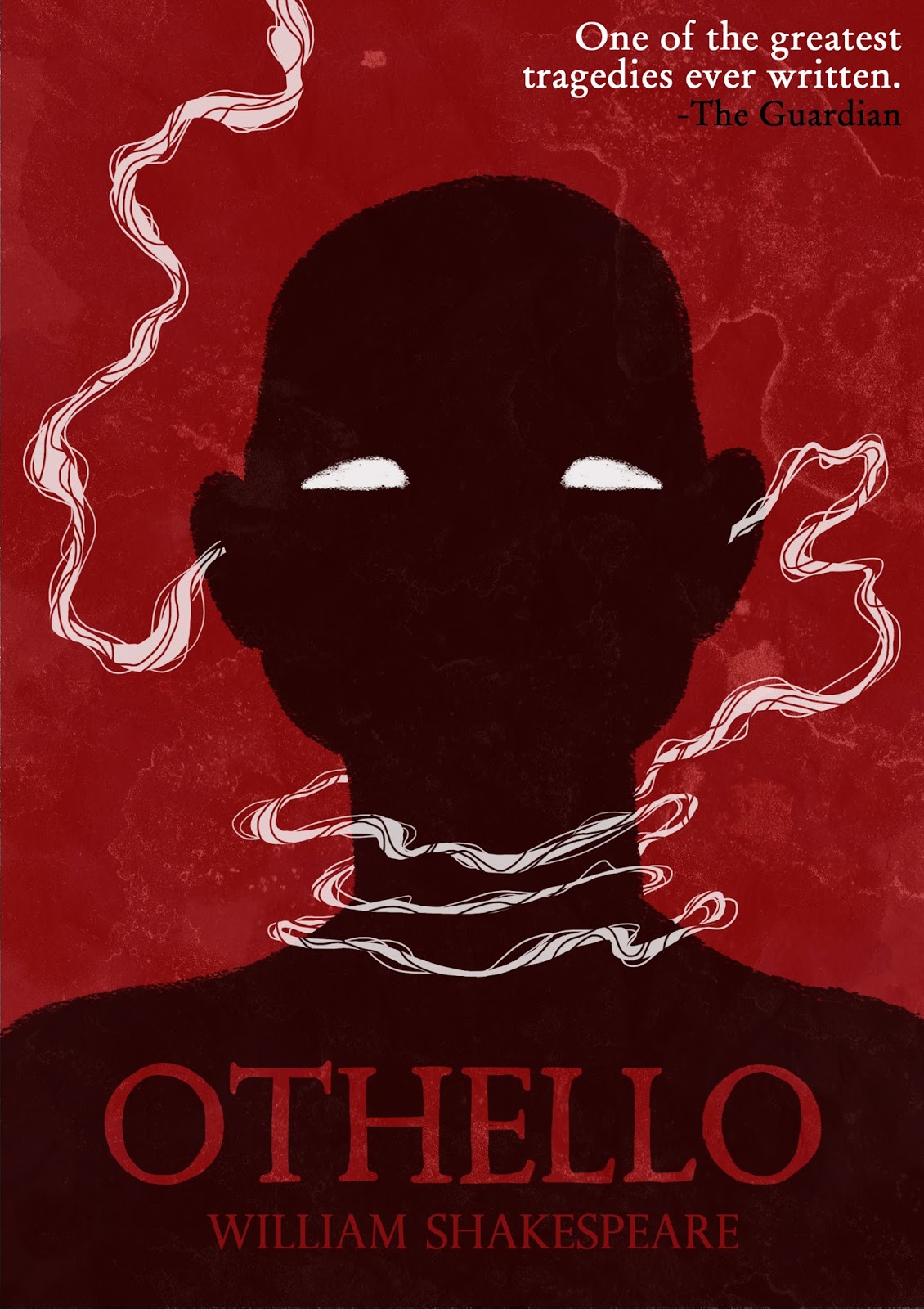
Othello by William Shakespeare

Image result for othello cover

Let’s get this out of the way: this play is one of Shakespeare’s many tragedies, and as always, everyone dies at the end. I did write about one of Shakespeare’s other tragedies, Hamlet, which is my favorite Shakespeare play. However, although it is not my favorite, Othello is also a very good play, full of jealousy, lost love, and has a way better love story than Romeo and Juliet or Twilight.

We meet Othello, who is the greatest man in Venice. He is handsome, kind, charismatic, humble, and courageous. He is also a very strong leader of the Venice army, has a very beautiful and perfect wife, and is about to be promoted. So why he is set up for a tragedy? There are two reasons. The first is that he is a Moor, who are known for their dark skin, and Venice is full of people who think that Othello used magic and witchcraft, as it was assumed all Moors could do this, in order to marry the one he loved. The second is that he promoted a foreigner, Cassio, as his right hand man instead of Iago, the most manipulative man in Venice. Thus, Iago hatches a plan that brings Othello, his new wife Desdemona, and Cassio into ruins, all because he had the “green eyed monster” of jealousy inside of him.

This play is great not only because of the plot, but because of the ties to today’s time. The people of Venice, especially Iago, sometimes scorn Othello because he is a foreigner Moor with dark skin, just like how there are many people in the world who are racist today. Additionally, there is also the theme of jealousy that can be seen today. Iago is like the person at a workforce who is envious of someone who received a higher position and decided to destroy that person with a scandal. Finally, there is also the theme of women, which lays out questions for both Shakespeare’s time and ours. In a place and time where women were not thought of as much, the women in the play have a lot of questions to answer. If it gave their husband the world, should they be dishonorable? If every action they had done was perfect except for one lie, can they ever be trusted again? And should they obey every wish of their husband, even if they don’t know why they have to do it or if it is evil?

For the genres, in case one likes these genres, there are politics, a better love story than Romeo and Juliet, tragedy, and much more.

I hope that you can read this amazing play!

-Megan V., 12th Grade