

I first heard of this movie when listening to Lana Del Rey’s song, “Young and Beautiful,” which features all throughout the Great Gatsby. I know it’s recommended to read the book first and watch the movie after, but it was too late for me to resist when it began playing on my TV.
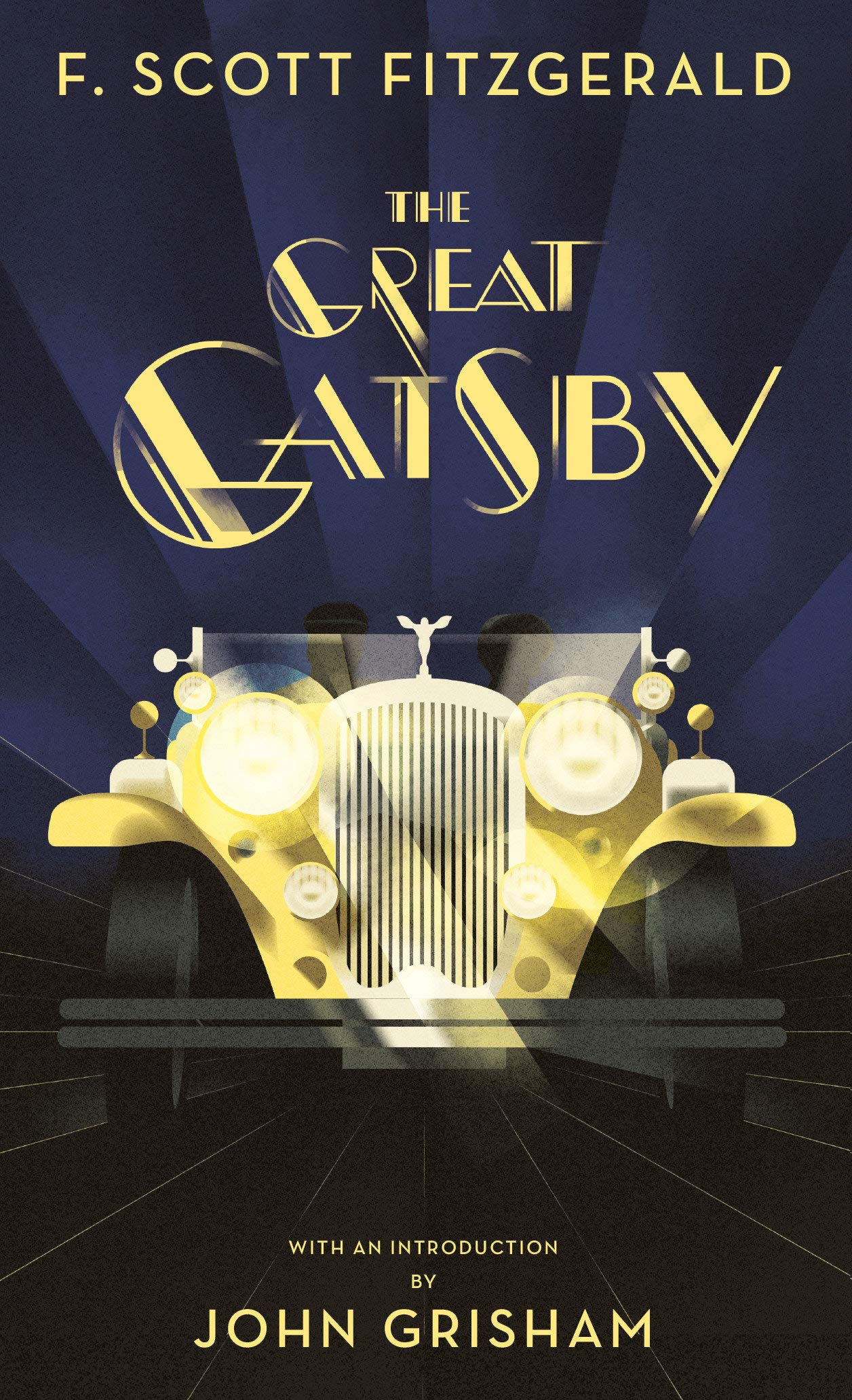
The Great Gatsby is a classic novel by F. Scott Fitzgerald with themes of love and letting go of and holding on to the past. In 2013, a movie rendition was released starring Tobey Maguire as Nick Carraway and Leonardo DiCaprio as Jay Gatsby. The movie begins with Nick Carraway at a doctor’s appointment where he begins to write about how he became friends with Gatsby. Gatsby is a rich business man that throws parties for everyone and anyone who wishes to stop by. No one really knows who he is, but when Nick is invited personally to Gatsby’s party he finds out who he is and all his secrets.
The Great Gatsby was a pretty good movie, although I cannot say how accurate it is to the book. Nick acted as the storyteller throughout the film which changed how the story progressed and how information was revealed. I really liked the way Nick told the story and how it correlated to the way it was filmed. It was fun to piece together the puzzle when new information was revealed as the story went on, since it’s told through Nick’s point of view. I found it interesting that it was an outsider’s point of view, showing the thoughts and emotions of a person who would usually be considered the side character. I also loved to see how helpless Nick was to Gatsby, and how even though Nick was the one to always be there for Gatsby, Nick was still pushed to the side and never was the important one. I loved how Nick found his sense of purpose and want, no longer just the simple side character, but someone with depth and a more interesting life.
Another thing I liked was how this story was not your usual romance. I liked how it didn’t have the same happily ever after that most stories and movies today chase. The only thing I can say without giving away too much, is that The Great Gatsby is a tragedy. For most characters in the movie, their endings are not what most would consider happy; the best it got was bittersweet. It was very shocking to see their endings, especially when Gatsby, the main character and name of the title, didn’t actually get what he wanted in the end. While some may find sad, tragic endings disappointing, I found these to be very fitting and enjoyable to see.
I thought The Great Gatsby was a great movie. I really enjoyed how it was told and the plot overall. Despite this movie having been released over ten years ago, it was a superb movie that hopefully captured the full story of the classic novel properly. Now after having seen The Great Gatsby, I’m excited to get the chance to read it. I think that this movie is great for older audiences and recommend it to those in that age group, so they fully understand the little details in the storyline.
-Nicole R.
The Great Gatsby is available to check out from the Mission Viejo Library.
 Mission Viejo Library Teen Voice