
7 Worldbuilding Element Ideas

Whether you want to write a story, draw some art, make a game, and more: worldbuilding is the core of your creative energy. But where to begin? Here are seven ideas to inspire you on your journey!

  • Urban Fantasy

Using the best of both worlds, in a setting like this you can have a character who texts and performs alchemy, who goes to college and also goes on quests. The possibilities are endless!

  • Floating Islands

Need I say more? The land of this world is locked in a stagnant, floating position above the ground. Cities are connected by bridges. The ground world is overrun with poisonous flora and fauna. Will anyone ever leave?

  • Timezones…Literally

In different parts of the world, time moves slower and/or faster compared to other regions. Going on a week-long vacation in one region can mean a 2-year disappearance in the other…

  • Dragons with Different Hoards

In most fantasy worlds, dragons hoard gold and treasure fiercely, fighting off intruders who come to invade. But what if they guarded other things: a library of books, a garden of precious fruits?

  • Gravity Seasons

As our weather patterns change over each year this world’s gravity changes. It may become more or less intense, or even switch directions…?

  • Energy Parasites

Taking the form of a firefly, these sap the energy from people, causing them to become increasingly demotivated, tired, and pliant. Hopefully, the characters notice before it’s too late…

  • Raft Cities

In this world, a flood spilled over the land thousands of years ago. From the materials of the plants and animals who have adapted to this water world, the humans of today survive on rafts floating on the endless waves. They are no longer the apex predators: what is beneath the surface is far more powerful…

Hopefully one of these inspired you to create your own fantasy or sci-fi world!
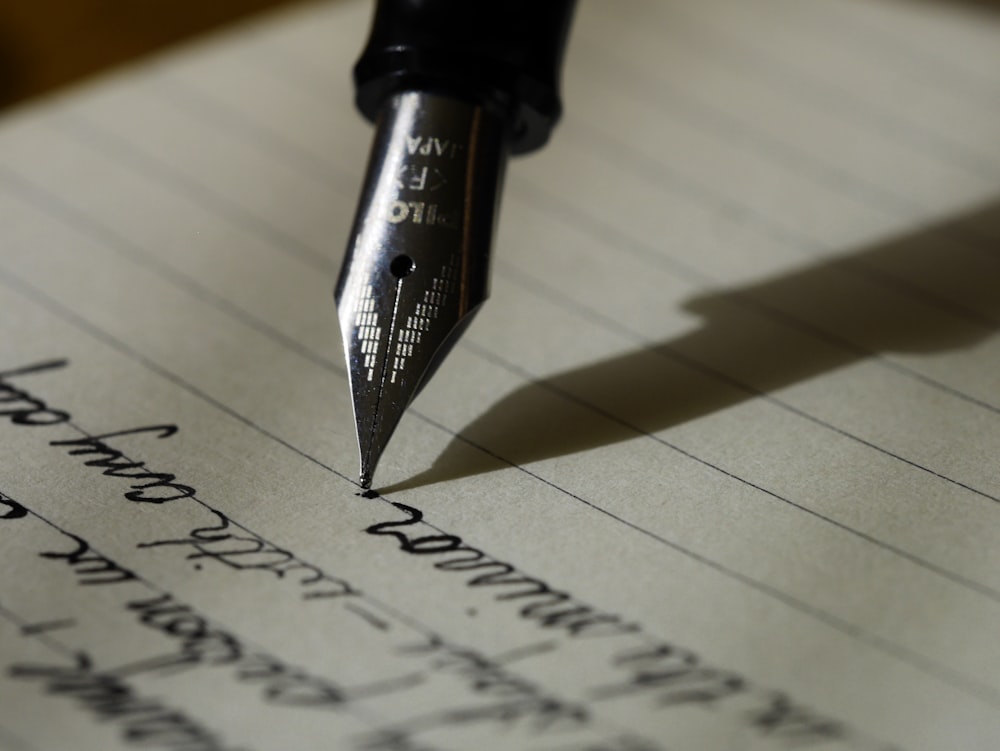
Writing Tips: How to Create A Main Character

500+ Writer Pictures | Download Free Images on Unsplash

Purpose: This should be the first part to consider when you create your protagonist. The purpose is how the character creates the plot of the book. What is the character trying to accomplish? What obstacles is your protagonist facing and why are they doing it? These are things to consider before fleshing out your main character. The plot will help you decide what traits to give your character.

Personality: This is arguably the most important part of creating your character because this is what will make the reader either put down the book or continue reading. When giving your character personality traits, make sure to give them traits that are relevant to the story and further the plot. The protagonist’s personality should be relatable and realistic. Everybody wants to read about positive traits and unique skills, but they also want to see flaws. We all have flaws, and sometimes the flaws in protagonists help to advance the plot of the story. How about a knight who is extremely timid? Mixing stereotypes with unique flaws and traits is the ideal way to create your protagonist.

Physical Traits: While personality is most important, the physical traits of your main character can also help draw in readers. For example, this could be race, gender, or physique. Especially nowadays, there is a lot of diversity within books regarding gender and race. This broadens the audience and allows certain readers to connect deeper with your character. Gender plays an important role in modern books because typically, girls read more than boys (not to say boys don’t read or there aren’t amazing male protagonists.) Finally, the physique of your character is important for two reasons: it helps draw in certain groups of readers, and it should reflect your plot. A character who has to carry a broadsword and armor, should have muscle. A character who spends a lot of time inside with little sleep, should appear ghastly. These are all simple ideas that could help you with creating your protagonist. 

-Michelle L.