
Since St. Patrick’s Day is celebrated this month, I felt it appropriate to highlight what other countries’ cultures consider good luck.
Japan
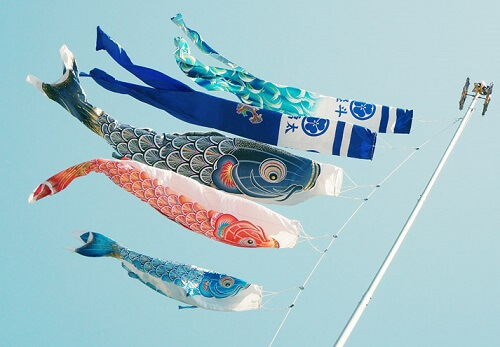
On Japan’s national holiday, Kokomo-no hi (Children’s Day), colorful Koinobori (Japanese carp) are displayed on houses to guarantee their children good luck. The tradition began during the Edo Period when the Samurai class placed carp-shaped items outside their home.

In the form of an adorable white cat with a raised right paw, an owner of this statue will receive good luck. The Maneki neko is commonly found in touristy shops sold as gifts or in a business with its left paw raised to attract customers.
Brazil
According to a superstition, spotting a white butterfly at the beginning of a new year will bring one good luck. Many Brazilians may even wait in a garden before the clock strikes twelve to ensure they will receive good fortunes for the new year.

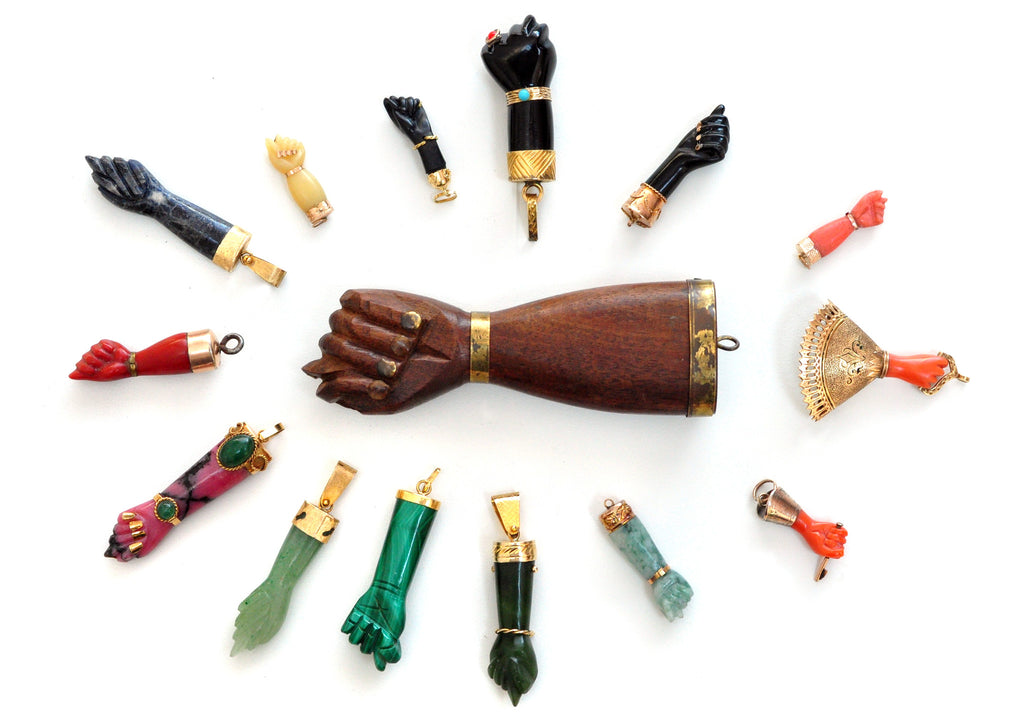
The figa, an amulet shaped into an arm with a closed fist, also brings good luck to whoever wears it. Originating from ancient Etruscan Italy, the colonization of Brazil allowed the figa to become ingrained in Brazilian culture. The owner of the figa must receive the item as a gift and may not break or lose the charm to receive its good luck.
Greece
Dating back to the Ancient Greek times, Greeks would throw a pomegranate against their new home before moving in which is still practiced today on New Year’s Day. Participating in this tradition requires the luckiest member of the household to throw the fruit after the other members share good wishes in order to bring good fortune for the new year.

Kronia, an event also originating from Ancient Greece, consisted of cakes (vasilopita) and pies baked to honor the god Kronos. A gold coin would be hidden in each for a lucky person to find and receive good luck. Today, most do not have any monetary value and can be found as jewelry or gifts in shops.

Seychelles
Although over 90% of the population consider themselves Catholics, many still use the Bonom di bwa’s (Man of the Woods) service. The man of the woods provides an individual with advice concerning supernatural encounters and bestows one with a potion or amulet containing luck.
:max_bytes(150000):strip_icc()/GettyImages-5012969201-f35ade933e6c4114829401bf607160ea.jpg)
Another form of receiving good luck according to Seychelles culture is tattooing a dot on both one’s ankle and shoulder. Frequently fishing during dreams is also another sign of good fortune to come.

Australia
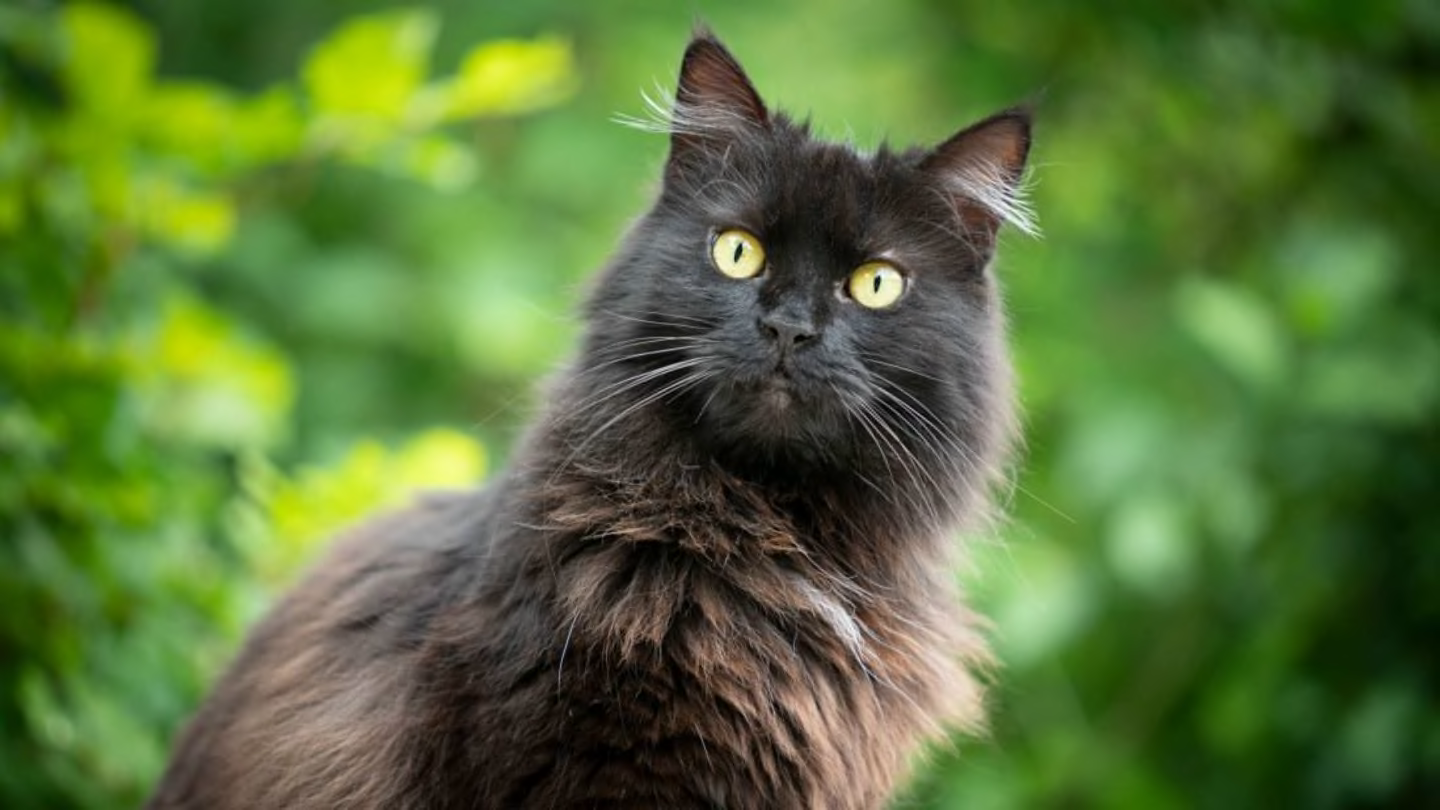
Contrary to many other nations’ view on black cats, the feline in Australia’s culture actually confers a theater good luck if present in the establishment. However, if the cat turns its back on an individual or is kicked, a terrible future awaits the person.
Ancient Aborigines, natives to Australia, relied heavily on the rain to grow a plentiful amount of crops, so of course they were constantly perturbed by a lack of rainfall. Believed to bring rain, Aborigines’ anxieties concerning a shortage of water were mitigated whenever frogs were present.

Nicaragua
With over 40 volcanoes, volcanoes are crucial in Nicaraguan culture as observed on the country’s flag and a superstition. Dormant volcanoes indicate Nicaraguan citizens have not changed their behavior and therefore will continue their a good fortune streak. If however, a volcano erupts, the peoples’ behavior has altered and bad fortune has now fallen upon them.

To ring in the new year, some Nicaraguans participate in rituals such as hopping three times on the right foot or holding a drink in one’s right hand for a midnight toast to guarantee good luck. Others include sweeping out negative energy and diffusing the smell of cinnamon throughout one’s home.


 Mission Viejo Library Teen Voice