Unknown's avatar

About Ann G.

teen! [EN/CN/JP OK] avid manga, anime, and books fan. I write too! Lets be friends!!

Mob Psycho 100 Review

Genuinely, WHAT is up with psychics and identity crises in anime? Is it just me? Not complaining, though.

|0%|

Mob Psycho 100 is, if anything, the strangest and best show I’ve ever had the privilege to watch. The show has an extremely unique animation style and an even more uncommon soundtrack, with both being clearly overshadowed by the non-archetypal, deep-yet-seemingly-unserious, and brilliantly-written characters who constantly subvert expectations and grow in ways that feel both bizarre and deeply human. Like, have you ever seen an anime with green outline art? Green?

While the show is genuinely hilarious at times, please, please, please don’t be fooled by the (if I must admit) goofy-looking art style and the comedy hashtag. Behind every joke is a bigger tear-jerker waiting to be unearthed and an even greater lesson to be learned. I’d be lying if I said this show didn’t teach me some of the biggest lessons I’ve ever learned in life.

Mob Psycho 100 (TV Series 2016–2022) - IMDb

|20%|

Review/discussion about: Mob Psycho 100 | The Chuuni Corner
Shigeo Kageyama | Mob

Shigeo Kageyama, otherwise known as just ‘Mob’, looks no different than an average middle school boy who has absolutely no game (sorry, Mob). However, beneath his unassuming appearance and kind demeanor are intense, powerful psychic powers that he’s had since he was born. To keep from losing total control of his incredible power, Mob has grown into a young man who lives under constant emotional restraints– never angry, passive, and always surpressing his emotional burdens. He doesn’t have many friends and is embarrassingly weak with low stamina (with powers suppressed), and generally has no direction for the upcoming high school years ahead.

In order to learn more about his psychic powers and identity, Mob, since he was in elementary school, has worked as an assistant to Arataka Reigen, a con man and self-proclaimed psychic. Reigen Arataka is a businessman, liar, fake psychic, and most importantly, Mob’s best friend. He’s the owner of Spirits and Such Consultation Office and exorcises spirits with Mob (Mob is the one who does the actual exorcising). Although Mob is clearly more powerful (not to mention the fact that he’s the actual psychic), he sees Reigen as his master—someone who teaches him how to live as a kind, grounded human being, not as someone inherently ‘better’ than others just because of his abilities. In a weird way, even though Reigen constantly lies to everyone in his life, his genuine advice to Mob carries surprising depth and speaks to the audience in a way that feels personal and strangely comforting. I won’t spoil much about his character, but truly, their student-teacher relationship is one of the best I’ve ever seen. Even when viewed separately, I don’t think I’ve ever encountered characters quite like them.

Mob Psycho 100" Self-Proclaimed Psychic: Reigen Arataka ~And Mob~ (TV  Episode 2016) - IMDb
(left to right) Mob, Reigen Arataka

|45%|

Mob Psycho 100 is, in a nutshell, half the best fighting scenes you’ll ever see (they lock in on the animation for all fight scenes, I swear) and half deep identity and character exploration, especially for Mob. The truth is, we’re all capable of change– change that helps us grow and see the world in a new light. This show is the epitome of that truth, even going one step further and teaching us how lucky we are to have people around us who help us grow.
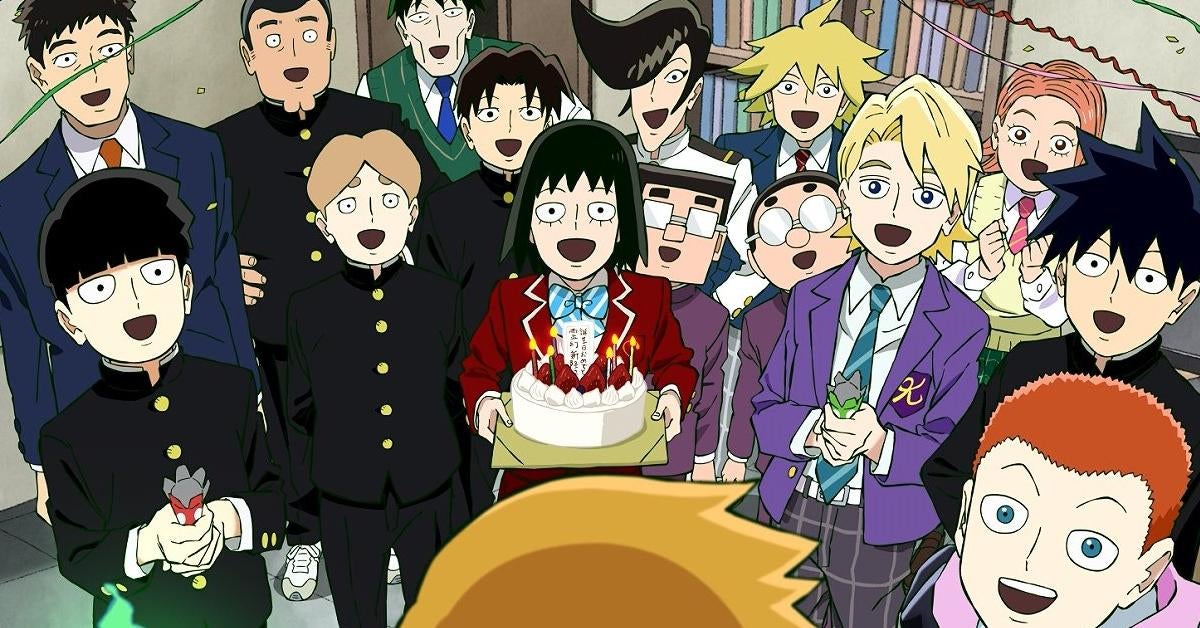
Mob Psycho 100 Announces Series Finale 'Graduation' Event - ComicBook.com

Everyone has something going on in their life, and although how we choose to respond to our own issues is eventually up to ourselves, the most important fact is that there are people to support you along the way. You may not realize it right now, but eventually, there will be moments where you’ll sit there with people and think “man, I’m so happy right now”. I’ve come to learn this lesson after rewatching this show so many years after my first watch.

|60%|

Each and every single character in this show has their own form of struggles while navigating through life. Even though psychic powers seem to be a decently regular occurrence in their world and clearly not in ours, many viewers find at least one character relatable in the sense that they understand their worries and fears. Sometimes, even the characters’ actions might seem to ring a bell. They laugh, worry, make mistakes, make even bigger mistakes, before laughing about it all in the end. Quite literally, a main theme in the anime is the word ‘improvement’. After watching, I found myself wondering a simple yet complicated question: What do I want to do right now?
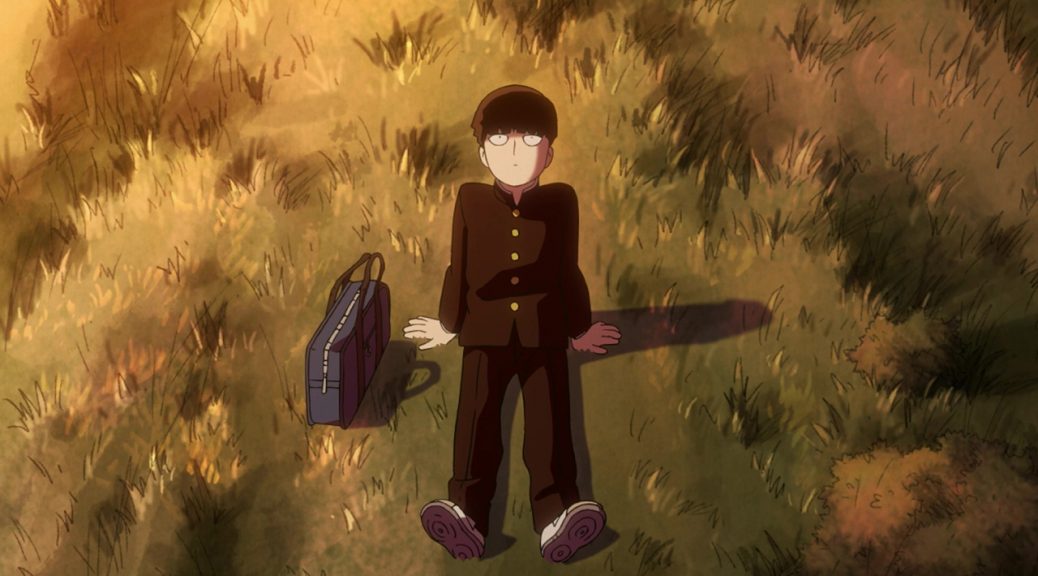
Mob Psycho 100 II Production Notes 1 – Sakuga Blog
What do you want to do?

|80%|

Okay, we’re out of the heavy stuff! The show in itself is pure comedic gold. All the jokes are insanely original and require context, which in my opinion, is the best form of a good joke. It’s like the TikTok comments section but anime form.

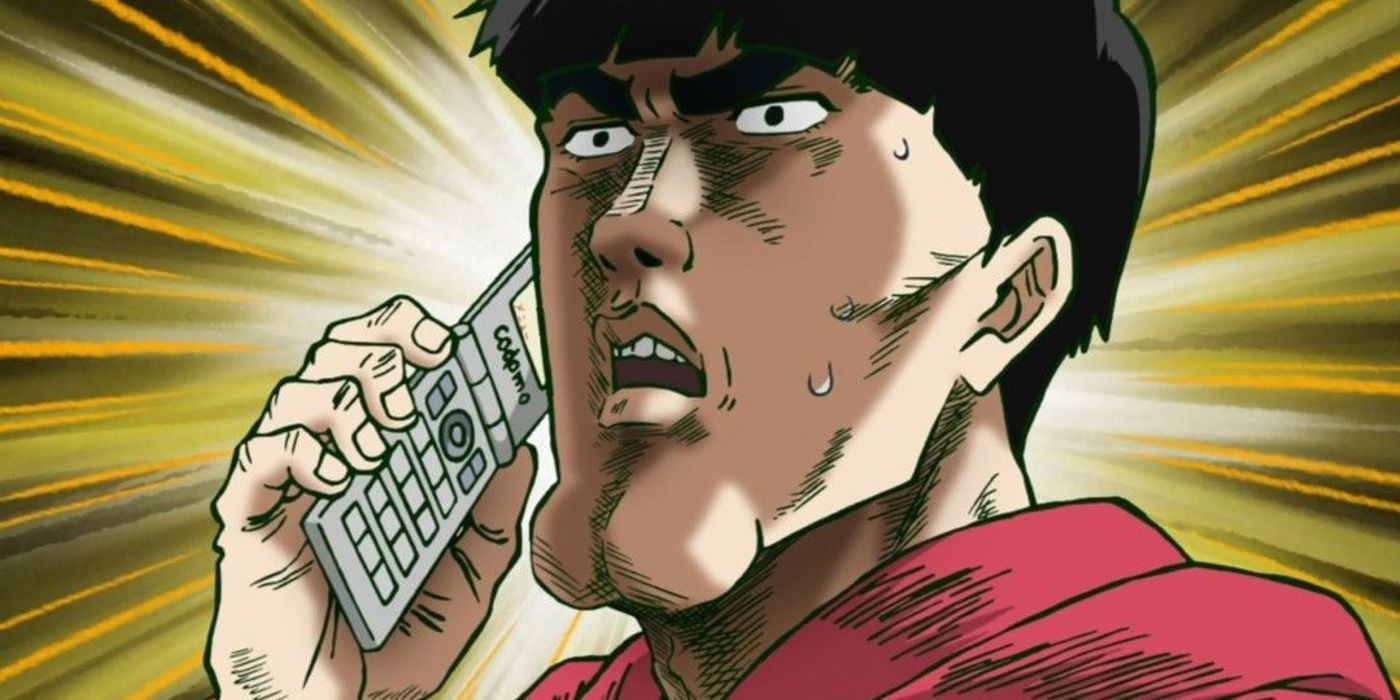
REIGEN ARATAKA!!!! WHO DO I DRAW NEXT?? . . . . #reigen #reigenarataka  #mobpsycho #mobpsycho100 #mobpsycho100fanart #mobpsychofanart #fanart #art  #animeart #anime #animefanart #shigeo #shigeokageyama #fyp #fypage  #trending #explorepage
Mob Psycho 100- Teruki Wig- Help!
10 Reasons Mob Psycho 100 is the Best Anime in Decades
Mob Psycho 100 – Series 2: Episode 1 – Ripped Apart ~Someone Is Watching~  Review – A Richard Wood Text Adventure

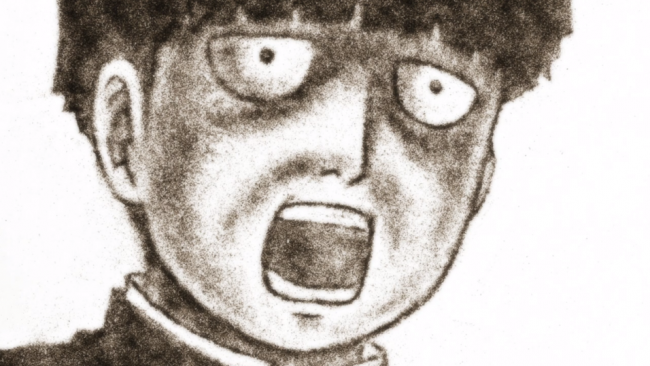
As for the manga, I’ll start by saying that the art style is, well,

…right.

I’ll leave the description up to you.

I made a panel from the manga into a wallpaper. : r/Mobpsycho100

It’s certainly unique. But that’s also what makes it so enjoyable to read. The original manga was written and created by One, who admitted themselves that they honestly suck at drawing yet still wanted to create a manga with their story in mind. However, Mob Psycho 100’s manga has a strange appeal through the simplistic art style itself, as seen in its fast rise to popularity over the years, giving it the well-deserved anime adaptation in July of 2016. From there, Mob Psycho has continued to grow in popularity up to this day with numerous stage plays, collaborations, and even a live-action adaptation.

As always, the manga provides more small interactions and details for each character. However, and this is another great thing about Mob Psycho, the anime studio Bones created the anime adaptation with a lot of intent and budget, therefore, they included all of the important and highlighted moments/scenes from the manga in the anime. Which (it shouldn’t be, but) is quite rare. I personally love both, but solely watching the anime is a great option as well.

If you love The Disastrous Life of Saiki K or One-Punch Man, this show is definitely for you. I’d say think 100x deeper than Saiki K but 100x more unserious than One Punch Man.
Mob Psycho 100' Season 3 New Key Visual : r/anime

|90%|

I don’t know what to say. Mob Psycho 100 is, in my opinion, one of the best works I’ve ever seen. Contrary to what people often hear, it actually takes a lot to not judge something by its cover, anime included. So I won’t ask you to not judge this anime by its cover. But hey, I’m hoping that at the very least, this review can help you see Mob Psycho in a new light and that you learned something new about one of my favorite shows.

Now, your final question will probably be, what is up with the percentage sign? Well, throughout the entire anime, there is a percentage that appears flat out on the screen every couple of minutes, starting and going up from 0%. What it represents, however, I’m actually not going to tell you.

Yeah, it’s a cliffhanger. Sorry. I hate those. But how else should I get you to watch it?

Get back to me whenever you figure it out, okay?

This may contain: the letters are made up of different colors

The Summer Hikaru Died Introduction and Review

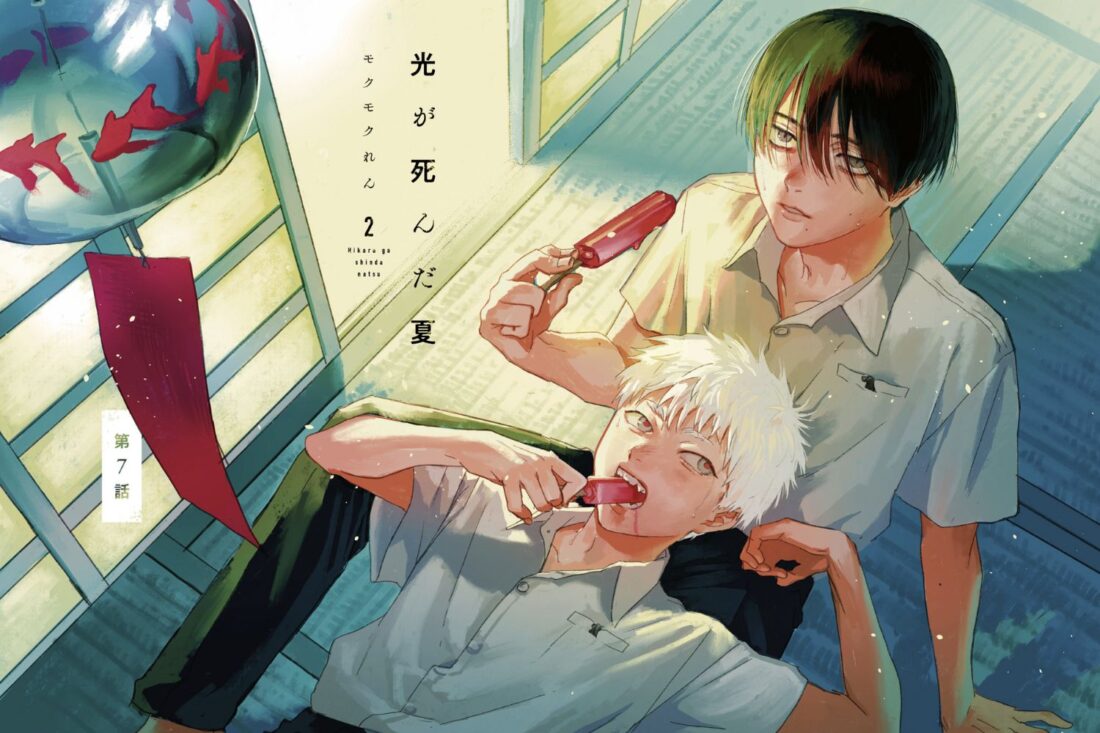
The Summer Hikaru Died (August 31 – Present) is a horror coming-of-age shounen manga that recently announced its highly anticipated anime adaptation, set to premiere this summer. What better way to celebrate this exciting news than with a manga review?

In my opinion, The Summer Hikaru Died is the golden definition of a gem. It has a stable fanbase and is popular with much critical acclaim, but definitely not enough for it to be considered mainstream. It’s hauntingly beautiful—familiar, yet slightly out of tune, creating an uncanny sense of distance between you and the characters, the strange, mysterious countryside, and the constantly buzzing cicadas…

The Summer Hikaru Died - Anime Confirmed! : r/TheSummerHikaruDied

Set in a small town in rural Japan, the series explores the slice-of-life of two childhood friends: Yoshiki and Hikaru. The two have maintained a close bond over the years despite their contrasting personalities, Yoshiki being reserved and quite paranoid, while Hikaru is an outgoing airhead who is well-liked by everyone in town. Yoshiki has also had a one-sided crush on Hikaru for a long time. However, one winter day, Hikaru inexplicably decides to hike up a nearby mountain, resulting in a nearly fatal injury and him going missing for a whole week. Yoshiki was the one to find him passed out in the mountains, luckily still breathing. The unconscious Hikaru was taken back to town to rest.

However, stranger than Hikaru’s seemingly random decision to go up the mountain is the fact that, after waking up and fully recovering, he has no memory of why he went there— or of what happened on the mountain at all. This incident is quickly brushed off as the two return to their normal lives.

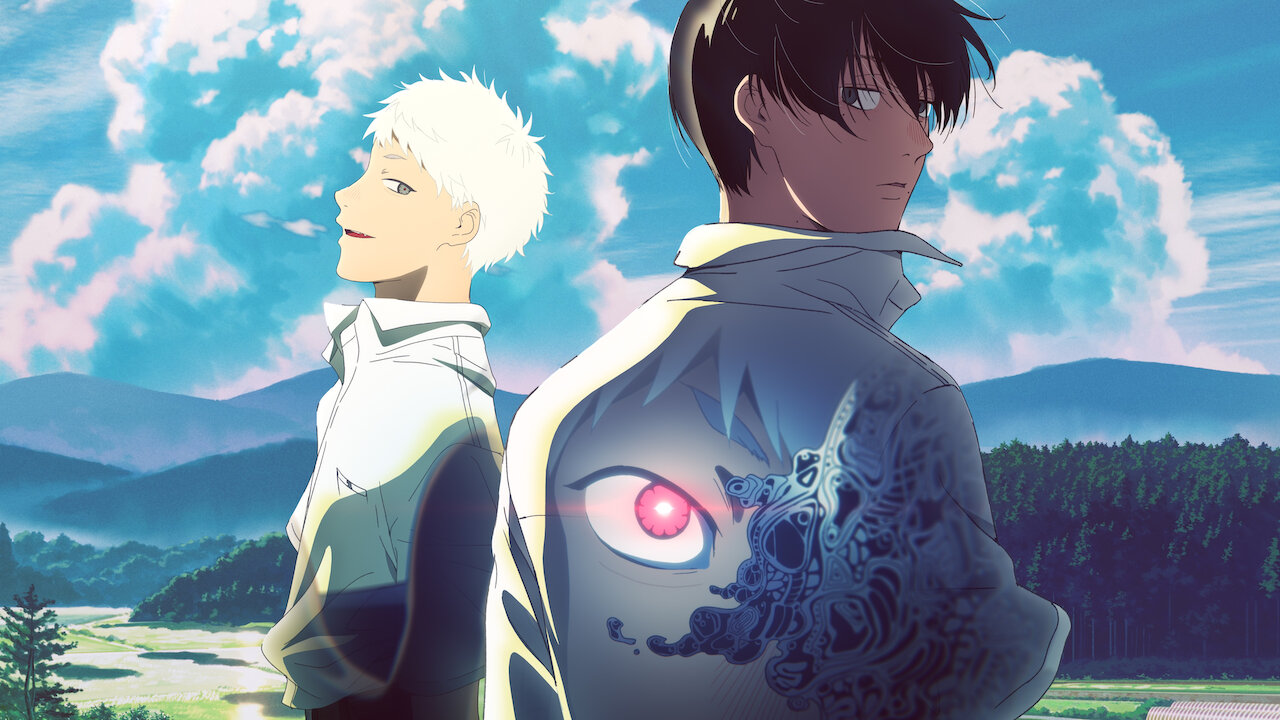
Watch The Summer Hikaru Died | Netflix Official Site
anime adaptation cover art

Six months have passed since the strange incident. Now, in the middle of summer, the two friends are on their usual ice cream run. The air is thick with humidity, the cicada buzzing relentlessly, and their playful exchanges as ordinary as ever. In the middle of their conversation, Yoshiki suddenly brings up the incident again. Hikaru, as always, denies any recollection of it. Then, Yoshiki asks a simple yet heart-stopping question, the world around them falling into an eerie silence.

“You’re not Hikaru, are you?”

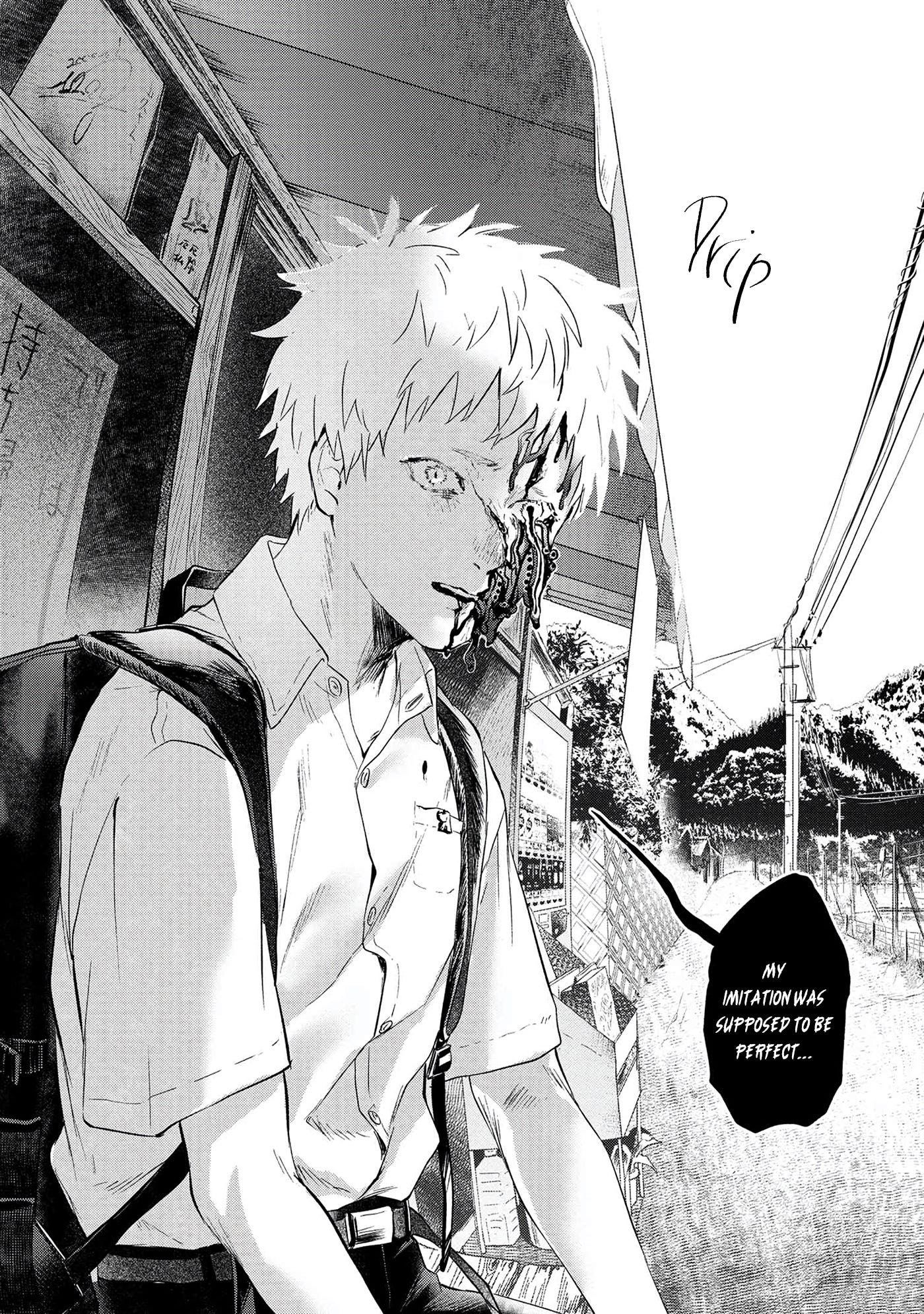
 Chapter 1 Page 7
The Summer Hikaru Died, Volume 1
Manga Review: The Summer Hikaru Died - maria's corner

The Truth: Upon entering the mountains and getting injured, Hikaru’s dying body caught the attention of an |||||||||||||||||||| creature, an entity that is uncomprehensible to the human mind. Wanting to experience being human, the entity possesses Hikaru with consent, consuming his mind, memories, and feelings to the point of physically ‘being’ Hikaru, yet remaining the consciousness of the separate being at the same time. Hikaru is definitely dead. ‘Hikaru’ decided to make use of the death and use Hikaru’s physical body and mental psyche.

Alien or monster? Friend or foe? What will Yoshiki do when his friend, his crush, sitting right in front of him, actually turns out to be… ‘Hikaru’?

The Summer Hikaru Died Is a Chilling BL Horror Worthy of Mainstream Success

I absolutely adore this manga series. Coming from a scaredy-cat who can’t watch one second of any horror film, I believe that The Summer Hikaru Died has the perfect amount of uncanniness and terror for any reader to fall deeper into its spell. I especially love the unconventional themes (when put into this context) that are essential to the plot: grief, acceptance, trust, and most importantly, how anyone would characterize others as them themselves. Does Hikaru being technically dead mean Yoshiki should see ‘Hikaru’ as something (?) entirely different? What lengths does it take for love to be broken or trust to be gained? Is an entity’s desire to simply live for the first time justified? There is also a great sense of mystery revolving around Hikaru’s past actions and the buried truths of the town, which Yoshiki and ‘Hikaru’ are now on the path to uncovering.

I’d also have to add my comments about the characters and the pacing. Pacing-wise, I genuinely think it is perfect. I love my books and manga to be on the slower side, so this series did a great job of slowing down the atmosphere without making pauses feel forced. I also love how the characters themselves are like tweaked versions of standard character archetypes, or rather, how character archetypes would react in the context of this plot. The characters become nonarchetypal in this sense.

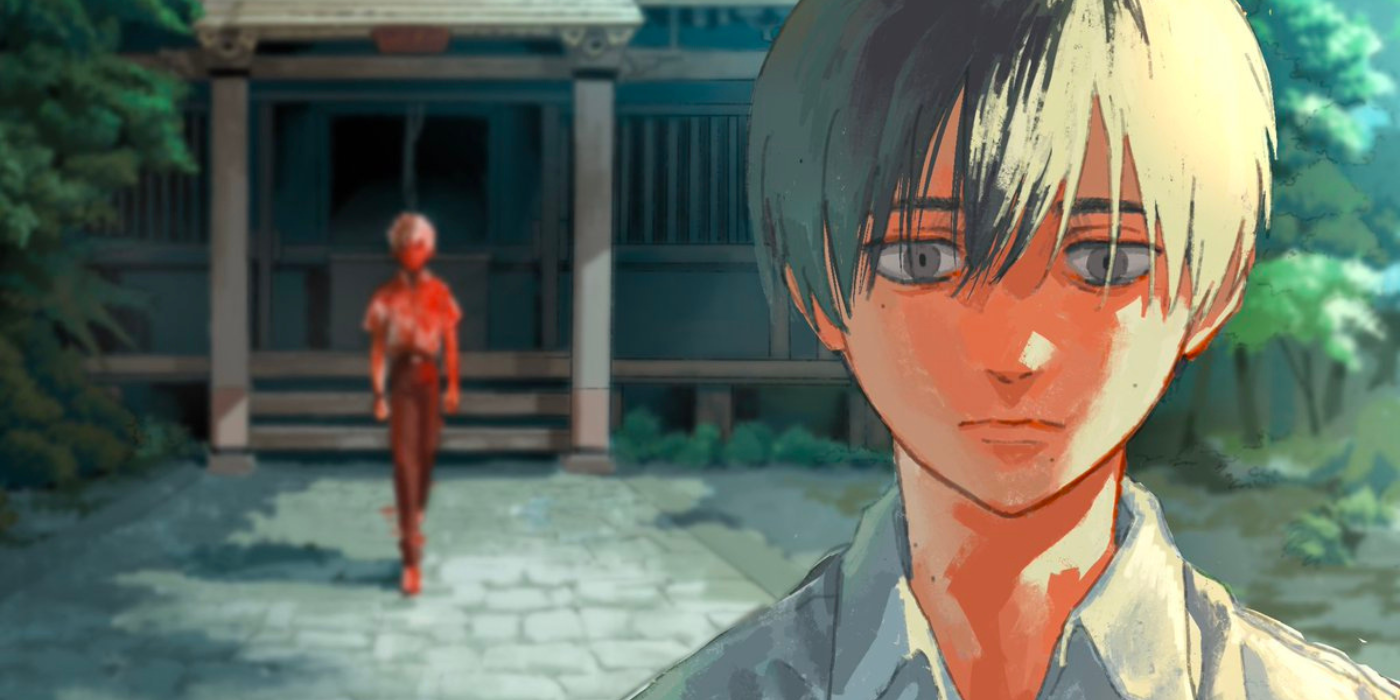
Forbidden Bodies: The Summer Hikaru Died and the Desperate Terror of Queer  Adolescence - Reactor
official art

It’s worth mentioning how usually, mangas in this style would be highly character-driven without much plot support. In The Summer Hikaru Died, however, both the characters and plot depend on each other to create this haunting story, making them both equally essential. When I cried as I was reading, I could not tell whether I was crying because of the plot or for the characters, which is great because it means the readers can feel the depth of the storytelling.

Personally, I am very squeamish and get disgusted easily, which made certain scenes in this manga a bit disturbing. However, it quickly became clear that even though I was put off by the body dysmorphia and blood, I was also intrigued to read more at the same time. If you’re like me, I’d suggest searching up some panels of the manga just so you can judge the disturbance level for yourself. I’ll put it out right now that the worst it gets is entity body dysmorphia and blood, so technically not that bad, but still, read at your own risk!

I also want to point out a common misconception people have about this series. The Summer Hikaru Died is not, I repeat, is not, a Boys Love (BL) manga series. Specifically, the series is listed under Seinen horror manga. The author, Mokumokuren (gender not publicly disclosed), has clearly stated in the past that they never intended for the series to be BL, but rather a horror manga with queer representation.

Forbidden Bodies: The Summer Hikaru Died and the Desperate Terror of Queer  Adolescence - Reactor

All in all, proceed with caution! And for those who finish reading this review thinking ‘whoever reads this must be out of their crazy mind’, I want to say that there’s never a book/manga not worth trying. I always push myself to try genres that I normally would not like, and boy am I glad I do, because if I didn’t, I wouldn’t have picked up this beautiful series in the first place.

As summer approaches, I’ll definitely be rereading this with a slice of watermelon in hand, sprawled out on the ground, wondering what might be out there, waiting, quietly, quietly, quietly….

shriishriishriishriishriishriishriishriishriishriishriishriishriishriishriishriishriishriishriishriishriishriishriishriishrii

The Summer Hikaru Died by Mokumokuren is available to check out from the Mission Viejo Library.

Neon Genesis Evangelion: Introduction and Review

I’ll start off by saying one thing: this one is not for the weak.

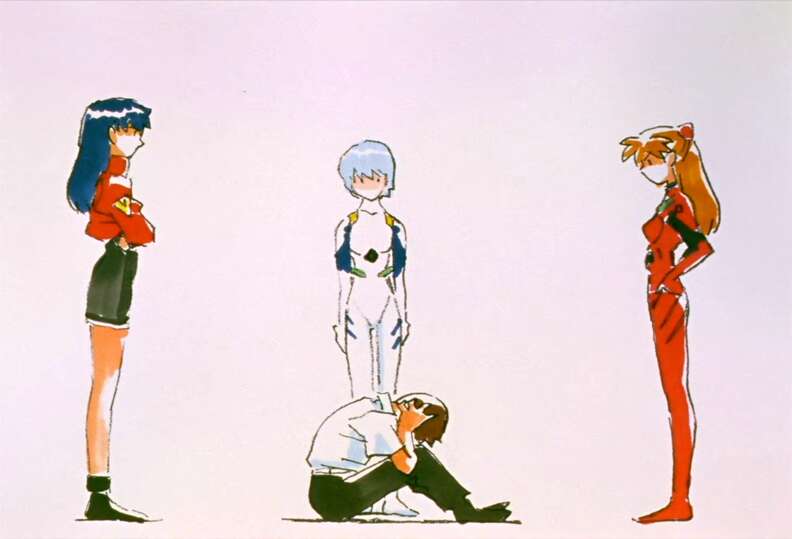
If you’ve been a part of the anime/manga fandom for long enough (or even if not, really), you’ve definitely either seen this meme (right) lingering around the internet across multiple forms of media or have heard the song Cruel Angel’s Thesis.

Well, it’s good to know where memes and songs come from. These two insanely popular and widespread bases for lighthearted humor are actually from the existential, gut-wrenching, apocalyptic psychological drama (with a side of sick robots): Neon Genesis Evangelion.

Hello! Can someone please photoshop me into the shinji chair pose? :  r/PhotoshopRequest
Neon Genesis Evangelion (TV Series 1995–1996) - IMDb

Neon Genesis Evangelion created by Hideaki Anno, abbreviated as NGE, follows the point of view of 14-year-old Shinji Ikari in a futuristic Tokyo-3, 15 years after a worldwide cataclysm. Shinji’s flaws are extremely obvious and made known quickly (literally ten minutes into the series); he’s emotionally insecure, weak, and pathetically vulnerable to the pains of the world around him. Having had a traumatic childhood with both his passed mother and disapproving distant father, Shinji struggles with feelings of inadequacy and self-worth, making it difficult to form meaningful relationships for much of his life. However, his weak self-perception is challenged throughout the entire series as an overarching question: how do we perceive ourselves, and what is the meaning of existence and the nature of humanity?

In this apocalyptic world, beings with a 99.89% genetic affinity to humans called Angels seek to initiate a ‘Third Impact’ to reclaim Earth from humanity. To counter Angels, an organization called NERV was created, along with gigantic mecha-robots called Evangelions. These Evangelions require a pilot to ‘link’ to them, and those pilots will feel the same amount of pain of whatever pain the Evangelions feel during combat. In this sense, the Evangelions and pilots become one.

During an Angel attack, Shinji was suddenly recruited by his absent father to become a pilot for Evangelion Unit-01. This initiation is the starting point for the rest of the series as we follow Shinji’s struggles, the hauntingly relatable actions of every character, and see for ourselves the cost of advantage and greed, the instability of mental health, and the complex relationships between duty, identity, and self-worth. As Shinji and the other teenage pilots face gigantic monsters, their personal battles become intertwined with the fate of humanity, forcing them to confront not only the Angels but also the darkest parts of themselves.

(left to right) Shinji Ikari, Asuka Langley Soryu, Rei Ayanami, Kaworu Nagisa

So, that sounded horrifying! But trust me, walking into this piece of media will either make you question your own sanity or give you the biggest brain stretch you’ve ever had. Both aren’t that great, but you gotta believe me when I say it’s amazing. To be honest, I understood 30% of what I watched when I decided to give NGE a go for the first time. However, after delving into the intricate symbolism and trying to understand the psychology of each character, I found myself getting more and more hooked on this show’s eerie atmosphere and strangely familiar story work.

Neon Genesis Evangelion' Ending, Explained: Not the End We Expected -  Thrillist
“Anywhere can be paradise as long as you have the will to live. After all, you are alive, so you will always have the chance to be happy”

If you couldn’t tell at this point, this definitely isn’t everyone’s cup of tea. But can I tell you a secret? It clearly wasn’t mine either! I have a strong dislike for dystopian, fighting, and fantasy novels or shows, but I decided to put aside that fact and give this show a try. I can’t say that everyone I’ve recommended this show to has acknowledged or come to like NGE as a wonderful classic, but I can announce that every single person has told me they enjoyed the process of watching it. In my opinion, NGE isn’t just about understanding the show and its deep, hidden intents fully, but rather enjoying the process of watching and feeling yourself fall deeper and deeper into a world filled with questions, theories, and feelings to explore.

Neon Genesis Evangelion: The End of Evangelion (1997) - IMDb

There are several different parts to the full story of Neon Genesis Evangelion, including multiple movies and the original series. As such, the watch order should be as follows:

1) Neon Genesis Evangelion (26 eps TV, 1995), 2) The End of Evangelion (Movie, 1997), 3) [Evangelion 1.0: You Are (Not) Alone] (Movie, 2007), 4) [Evangelion 2.0: You Can (Not) Advance] (Movie, 2009), 5) [Evangelion 3.0: You Can (Not) Redo] (Movie, 2012), 6) Evangelion 3.0 + 1.0: Thrice Upon a Time (Movie, 2021)

My personal note is that you only really need to watch the 26-episode anime and The End of Evangelion. The movie gives a more clear-cut yet tragic parallel ending to the anime finale.

Do you believe these endings are in the same universe : r/evangelion
“And to all the children, congratulations!”

I highly recommend this anime as it opened my eyes to many more abstract ideas and insights on characterization. In a way, I believe that it also challenges traditional anime plotlines. As always, I hope this overview/review was an enjoyable read, and this time, congratulations on making it to the end! Congratulations, congratulations, congratulations!

Ann

Neon Genesis Evangelion is available for checkout from the Mission Viejo Library.

Erased: Manga And Anime Review

The commonly used phrase “Re” in anime actually stands for the word “again”. Re:Re (Again:Again) also just so happens to be the opening song for in my opinion, one of the greatest works of fiction to exist: Erased. The name Re:Re is a perfect way to pave an introduction to this classic, science-fiction mystery, as not only does the main character go through the same intense, thriller-filled experiences over and over again, but Erased itself also made me read and watch the story more times than I can count.

Erased (TV Mini Series 2016) - IMDb

Erased begins by narrating the pathetic, hollow life of 29-year-old failed manga artist Satoru Fujinuma in 2006. Due to this, Satoru works as a pizza delivery driver to make ends meet. Unexpectedly, after a singular life-changing encounter while delivering pizzas, Satoru awakens a special power that he calls “Revival”, an unexplained, supernatural ability that transports him (however many minutes he needs) back in time to “fix” a tragedy that is about to occur. For the next couple of weeks, “Revival” happens to Satoru almost every day, giving him the hero-like chance to save the lives of many strangers around him.

However, after an uneventful day out and coming home from work, Satoru is met with the horrifying, startling murder scene of his dear mother. To make matters worse, the neighbors come in at that exact moment, pinning Satoru as the suspected killer. In this hell-like scenario while running away and hiding from the police, “Revival” suddenly occurs once more, except this time, instead of time-traveling 1 minute, 5 minutes back in time, Satoru opens his eyes to find himself in the body of his 11-year-old self. He had traveled back in time all the way to 1988. Watch Satoru find his hero within as he tries to save the lives of three fifth-grade classmates who were kidnapped and killed in his past while also trying to identify the person behind murdering his mother in the future.

US] Erased (2016) - Satoru is sent 18 years into the past to prevent his  mothers murder. By becoming friends with his shy classmate Kayo, Satoru  hopes he can stop a series
Satoru Fujinuma, 2006, Age 29

I watched Erased (anime) for the first time many, many years ago. For the record, I had been an avid fan of mystery-genre fiction for a while, yet still, the emotional thrill while binging all 12 episodes in one day was ingrained in my memories and left an indelible mark in my heart for the rest of my life, all up until now. While the plot as described sounds very action-packed, in my opinion, Erased is much more like a reflective commentary on society, problems within households, friendships, the importance of believing others, love, and creating your role, your hero, no matter what it takes. The anime not only gave me the rush of intense drama, but also made me cry and wail, cheer for the friendships and progress made for Satoru and his peers, and even pause the show entirely to digest the weight of its emotions and ideas.

I thoroughly enjoyed the low-key tenseness of the tone throughout the show, as my interpretation of it is that it’s a reflection of Satoru’s inner turmoil. That being said, all the characters are all very well-developed, complex, and gain a better understanding of themselves as the show progresses as well.

Now here comes my opinion on the manga, which I have to say, is at least 100x better than the anime adaptation.

Erased, Vol. 1 (Volume 1) (Erased, 1)
Erased Manga ; Volume 1

Yes, you heard me right: anime adaptation. As what happens with most animes, Erased is yet another unfortunate victim of an animation production team taking the original manga and cutting out parts of the storyline to fit the budget. Except in this case, the anime not only cut out supplementary enjoyable moments but also a big, important chunk of the storyline and even the entire ending. You heard me right again– the entire ending of the Erased anime was in fact not the original ending.

This is also a reason why many viewers were split in their opinions on the show. While very few people say that the whole anime was bad, lots of reviewers on either side (positive and negative reviews) can agree that the ending for the show was, in fact…pretty bad. Personally, when I saw the anime, I felt indifferent to the ending overall, yet can agree it lacked so much potential impact. When I read the manga with the original ending (that the anime should’ve gotten), however, I realized just how perfect this work of fiction actually was. I am a firm believer that the unanimous critique of Erased being “bad” solely because of its ending can easily be revoked if everyone had just read the manga after, or even before.

On ERASED: comparing the manga and the anime | HOT CHOCOLATE IN A BOWL
“The town where only I am missing is my treasure!”

The manga goes much deeper into the psyche of all the characters, their motivations, backstories, and thinking. In fact, the entire last volume of the series (Volume 5), is literally the narration of Erased in the perspective of all major characters. Not only does the anime lack the depth in characters that is characterized in the manga, but it also barely clears up confusing plot points– or even covers them at all!

If you’re thinking about picking up Erased, your question would probably then be: Should I read the manga or watch the anime first? My honest answer would be that it depends on what you’re looking for. And I’m going to be honest: while I do definitely recommend to both read and watch Erased, doing one or the other first could impact your experience/impression of it. I personally watched and then read, but for others, watching the anime ending of Erased first might make them drop the manga. I’m telling you (if you decide to watch the anime first) to trust me on how the manga is worth the read (even if the anime made it seem like that isn’t the case). On the other hand, if you choose to read the manga first, watching the anime after will feel like a waste of time and even a disappointment. Either way, Erased itself as a work of fiction is absolutely phenomenal and worth the tears.

Bokumachi_11
“…”
Bokumachi_10
“I always believed.”

This post has been NECcesarily long (haha), but I would like to end with just another fun point. In the original manga and anime release in Japan, Erased is actually called “Boku dake ga Inai Machi”, which directly translates to “The Town Where Only I Am Missing”. Only upon its English release did that name somehow turn into Erased. This sudden change of a name is particularly startling for me, as the original Japanese title makes much more sense and is directly correlated to the storyline. The name Erased, however, is only a name and title without any further meaning.

The name The Town Where Only I Am Missing seems really dark. But after watching the show, maybe then you’ll realize that such isn’t the case.

Erased by Kei Sanbe is available to check out from the Mission Viejo Library.

Yotsuba&! by Kiyohiko Azuma– A Youthful Slice-of-Life Manga Review

Amazon.com: Yotsuba&!, Vol. 1 (Yotsuba&!, 1): 9780316073875: Azuma,  Kiyohiko, Forsyth, Amy: Books
Yotsuba&! Volume One

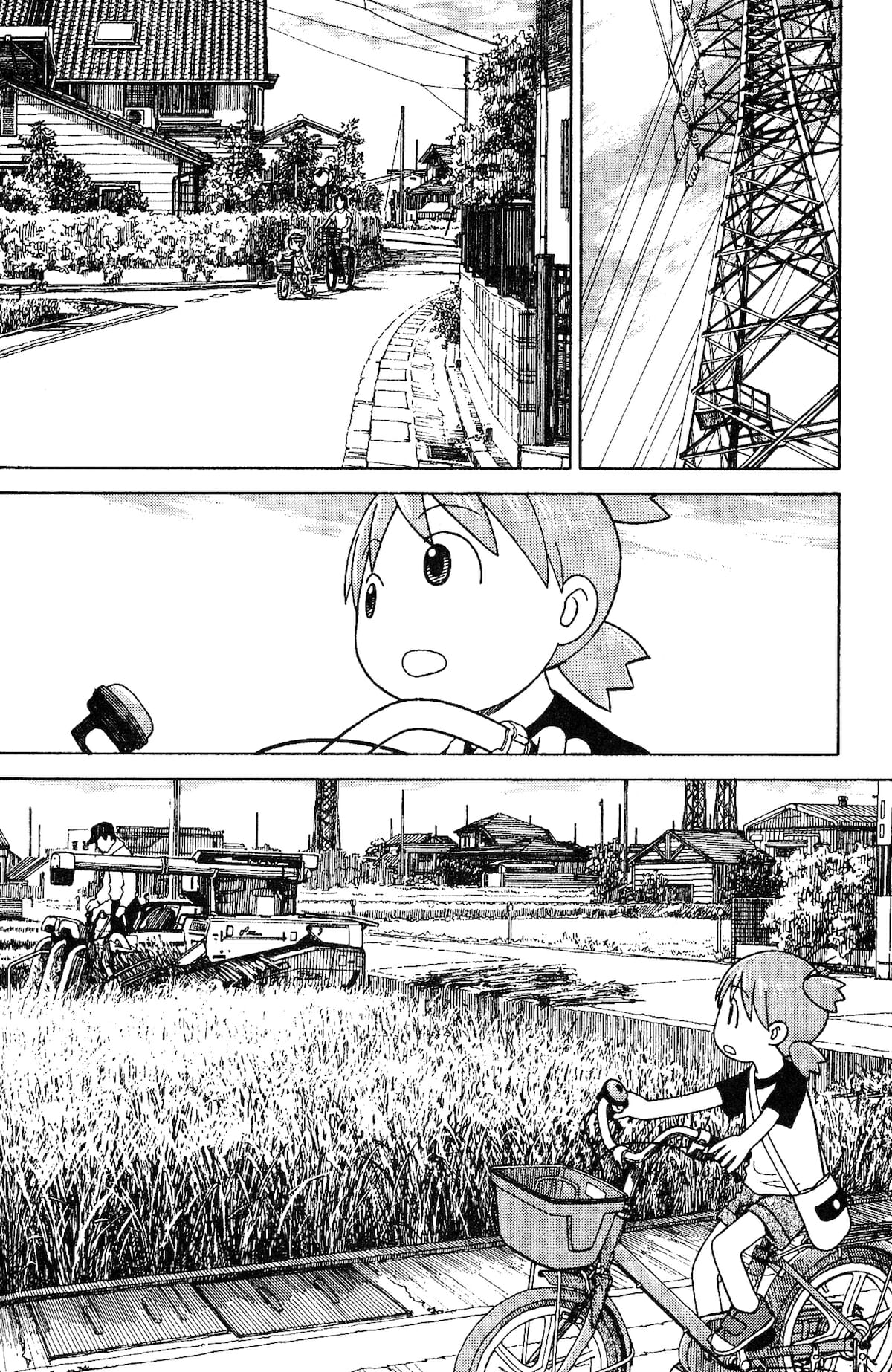
After moving to a new city with her earnest yet goofy-at-times adoptive father, Yotsuba approaches the mundane and normal every day with her curious cheerfulness and comedic naivete. She embarks on adventures (walks to the grocery store) with her fellow confederates (her new neighbors: three sisters of different ages who each have their own unique differences), and learns of everything from doorbells to rock-collecting to souvenirs to flower shops to fireworks to policemen to fairies to…

This may contain: an image of a man and woman dancing in the living room with their arms outstretched
Yotsuba Koiwai and her father, Yousuke Koiwai

Even though most of us aren’t kids anymore, it’s always important to never let go of your inner child. For me, as I read through each of the current 15 volumes, each interaction and problem Yotsuba encounters give me a familiar yet nostalgic sense of child-like wonder. At times, I would catch myself laughing with her (or at her.. haha), nod to agree with her absurd ways of thinking, or sometimes hold back a tear or two at the end of chapters. I surely don’t consider myself a child anymore, but Yotsuba reminded me that we were all children once– children who don’t know a lot, children who are simple and don’t have a care in the world. We all grew up to be the teenagers we are today, but who knows when the line that goes from child to teen blended together, where it started or… ended?

Reading Yotsuba made me realize that we can’t control when we decide to grow up. Even though Yotsuba&! is a light-hearted comedy, a lingering feeling in the depths of my heart tugs every time I flip a page, because each page gone is one page closer to the budding Yotsuba eventually growing up as well.

Enjoy Everything: The Unbridled Joy of Yotsuba&! - The Gutter Review
Yotsuba Panel

… But, hey, who has time for those worries!? To a child, the world is their oyster, and to Yotsuba, they’ll stay a child forever! Meet friends everywhere in the city and watch as she changes your view on topics you’d consider to be a part of your daily life–and makes them fun and memorable at the same time. This manga taught me that even something as simple as drinking orange juice could be so much more interesting if you take the time to notice the world through the lense of a child. Every chapter in the volume is titled “Yotsuba & __”, reflecting the creative title of the manga. Yotsuba’s name also directly translates to “four leaves”, which is evident from her four-leaf-clover-shaped hairstyle (she brings you luck!).

This may contain: a drawing of a person jumping in the air on a skateboard down a city street

So… what now? Well, to that I’d say: “What are you waiting for?”. Yotsuba and her friends are waiting for you to join them on their voyage of discoveries!

So to everyone out there wondering what to read for their next comfort book that will most definitely cheer them up, Yotsuba&! and I will leave you with Yotsuba’s motto phrase: ‘いつでも今日が、いちばん楽しい日’, or in other words, ‘enjoy everything‘!

Ann G.

Yotsuba&! by Kiyohiko Azuma is available to check out from the Mission Viejo Library.