Romeo and Juliet by William Shakespeare

I read this play last year and had my own thoughts on there. I did like the characters despite their overdramatic characteristics. Moreover, the plot was generally not tedious and did offer some twists which I like such as Juliet faking her death and Romeo not receiving the letter explaining all of it in time.

Through this play, I also learned how family feud can lead to very bad results. If both families would just allow this pair of young lovers to unite then nothing of this sort would have occurred at all. It also shows how distant and nonchalant are parents toward the psychological activities of their children. All they possibly think about is the reputation of their standing in society and who they think upon marrying their child with will bring them the most benefit. Nonetheless, I was touched by the avid love between Romeo and Juliet and how they were willing to sacrifice everything for each other’s sake.

One of the other things that I find interesting is the duel scenes. Originally, Tybalt might not have hated Mercutio and Romeo so much if it wasn’t for the fact that they are rival families. So again the theme of family feud plays a part where blinded hatred caused the two to break the probable peace between them since Romeo and Juliet were already married. So overall, my opinion on this play is that although it can be overdramatic and a little unrealistic in our life, it teaches the fact that parents should give enough attention to their children to prevent any suicidal thoughts.

-Coreen C.

William Shakespeare’s Romeo and Juliet is available for checkout from the Mission Viejo Library

An American Tragedy by Theodore Dreiser

This story starts with a very poor Griffith family being Christian missionaries and singing on the streets. The oldest son in this family Clyde desperately wants to escape poverty and therefore left his family to work in Kansas city at a very luxurious hotel. While he was working there, he and his friends were in an accident that killed a little girl which prompted him to escape to Chicago. There, he met his wealthy uncle and appealed to him to ask if he can get a job in his collar company. Moved by his sincerity and svelte manner, Samuel Griffith agreed.

Thus, in New York Clyde witnessed the lives of the upper society after meeting his cousins Gilbert, Myra and Bella. Through Bella, he also met her friend Sondra Finchley whom he immediately has fallen in love with but due to his penury again, recoiled from courting her. After being switched from the shabby shrinking room to the sewing department, Clyde met a very pretty factory girl named Roberta, they quickly fell in love. However, as time passes Clyde found himself in love with Sondra Finchley, who wants to revenge Gilbert for his complacence also fell in love with Clyde later on. Avid to get rid of Roberta who was pregnant, Clyde unintentionally struck her on a boat when they were on a trip and thus let her drown while he could have saved her. Being captured, later on, Clyde was sentenced to death at last.

Personally, I didn’t enjoy reading this novel too much because of its straightforwardness. There weren’t a lot of surprises and twists in the plot. Greed and inhumanity prompted by money seeping into each character were too ostentatious as to paint a sheen of unreality on them. I wish murder plot could be more carefully planned, thus causing the police to take more time in investigating the crime and potentially create some more suspense.

-Coreen C. 

An American Tragedy by Theodore Dreiser is available for checkout from the Mission Viejo Library

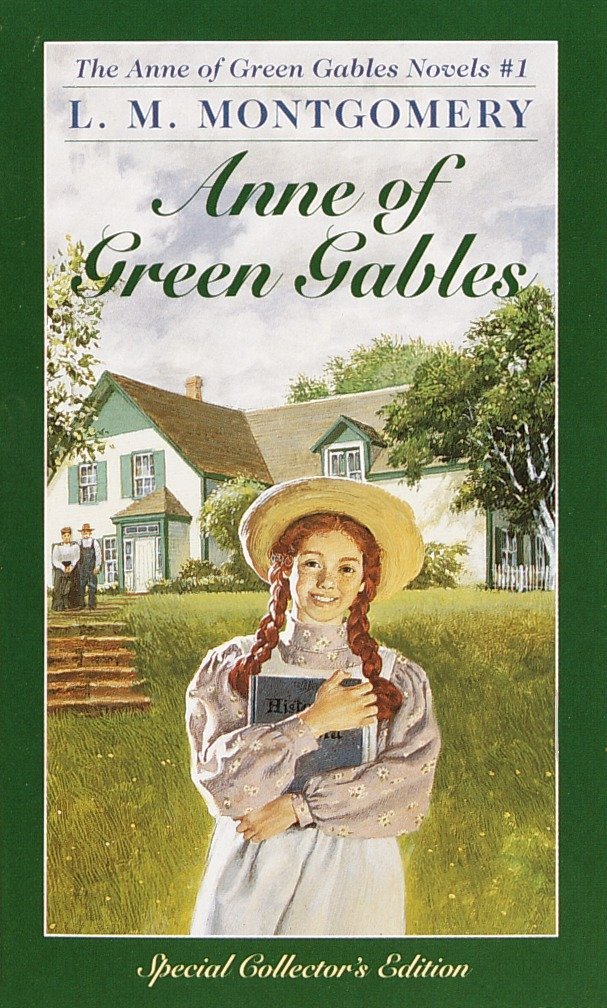
Anne Of Green Gables by Lucy Maud Montgomery

Anne of Green Gables: Montgomery, L. M.: 9780553213133: Amazon.com: Books

Anne of Green Gables is a coming-of-age novel. From the growth experience of the protagonist Anne, we can know the author’s consciousness of eco-feminism beyond the times. The world is a pluralistic community. Man is a part of nature and forms an inseparable web of life with all things. He should treat other creatures equally. People should love and help each other. Only in this way can human beings get rid of all kinds of crises, obtain a happy life, and build an ideal society of harmonious coexistence between human and nature, a free society that can regulate the relationship between human and nature.

Annie’s experience is a life process that everyone has to go through – growing up, studying, falling in love, getting married, having children, working. In this sense, Anne of Green Gables is a growth novel for young boys and girls to read. It instructs them to go to the hardships and tribulations in life with enthusiasm, innocence, tenacity and honesty like Anne, and to pursue more precious things in the world than money, wealth, fame and status with an optimistic outlook on life.

The novel teaches them to love man and nature, to seek happiness and satisfaction from nature and imagination, to open their hearts to the joys of the world and life, and to illuminate themselves and the people around them with a lively and natural heart. For adult readers, through experiencing Anne’s growth process and mind course, they can understand Anne’s personality charm, gain some lessons from it and then reflect on their own life. In today’s worship of material wealth, man is increasingly alienated from nature.

It is an age where a person increasingly complains about the stress of life and calls for humanity and conscience. People should think about how not to be assimilated by the turbid world around them, not to give up their dreams and hopes under any circumstances, to be philosophically and kind-hearted to save themselves, with the magnanimous heart of Anne, optimistic and persistent struggle for progress, and the pursuit of ideals. Like Anne, they should keep a heart full of passion for the world, find the ability to feel the happiness of family affection, friendship and love, and become closer to nature, closer to oneself, and truly happy.

When Montgomery wrote Anne of Green Gables, she did not use any particular technique. She only selects comedy events that are close to life and in line with children’s age and psychological characteristics, and employs the most common vivid description of children’s language and actions in traditional children’s literature, while setting off the typical environment. However, it is the successful combination of these traditional writing techniques that makes this work become a world-famous classic of children’s literature.

In this novel, Montgomery resorts to concise and fresh language to vividly depict landscapes, flowers and plants, which can not only cultivate children’s temperament, but also meet children’s various aesthetic needs. With the help of Anne’s eyes, the novel presents the beautiful and unusual natural environment in front of readers. Sweet apple blossoms, white as snow, on the white road of joy. Under the branches, the purple dusk came unawares.

A morning like an oil painting with thousands of purple flowers blooming in a deep purple pond, full of the charm of nature, flowing with the beautiful melody of the birds. The author lavished pen and ink on a fairyland like this. Living in such a wonderful environment, it was no wonder that Anne was often as happy as a fairy. When readers read these, they will be unconsciously intoxicated with them. And so it is in real life. Every year, thousands of tourists from all over the world come to Prince Edward Island to follow in Anne’s footsteps.

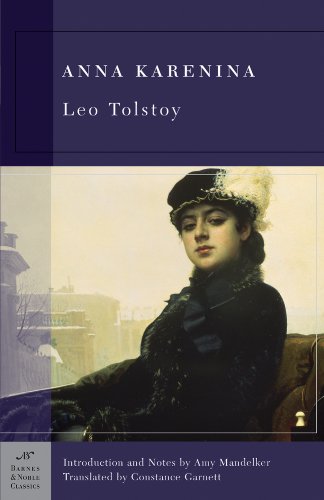
Book Review: Anna Karenina by Leo Tolstoy

Amazon.com: Anna Karenina (Barnes & Noble Classics) (9781593080273): Leo  Tolstoy, George Stade, Constance Garnett, Amy Mandelker: Books

An excellent psychological description is the essence of the artistic charm of Anna Karenina. The psychological description of the characters is an important part of the whole work. Anna’s choice shows human error. In order to realize the narrow personal love, she did not mind leaving her family as a slave to her own lust. Leo Tolstoy profoundly reveals the origin of Anna’s tragic fate through this magnificent work, that is, the incomplete emotional personality determines Anna’s tragic fate. Although her life exploration is aimed at realizing the spiritual self-pursuit, her life force lacks rational coordination, support and control, resulting in a tragic ending of drifting with passion.

Anna vigorously pursues the extension of perceptual life, strives to explore the original existence mode of life, and earnestly calls for the return of human nature. This behavior mode and understanding of life are understandable, but it does not mean that we should completely abandon even a little bit of rational constraints. Anna in the pursuit of spiritual freedom and practice of the liberation of human nature at the same time fell into the sensual error of indulgence. The freedom she sought to cast off the shackles of society was a selfish freedom, a freedom without scruples, a satisfaction of emotional and possessive desires.

Freedom is not a simple sense of doing whatever you want to do, but a rational sense of active life stretch. If we abandon the principle of reason and only recognize the freedom of the individual, then the freedom of the individual can easily constitute a violation of the freedom of another person, harm the interests of the surrounding groups, lead to contradictions and conflicts, and ultimately make the freedom of the individual insecure and unstable. Just as the pareto principle in economics requires, the realization of individual freedom must be restrained by rationality to ensure the freedom of the whole society is not reduced, that is, the increase of individual freedom must be presupposed by respecting the freedom of other relevant individuals.

It is only under the guidance of reason that each individual seeks his or her own freedom that he or she will be recognized by the social subject. Freedom must be combined with reason to manifest and realize, so as to form a complete concept of moral self-discipline. On the contrary, freedom without reason is at best an empirical self, not a positive extension of life. Only by constraining oneself with the power of reason, realizing the unity of sensibility and rationality, and establishing a sound ideal personality, can we achieve the true state of freedom, which is the highest state that human beings should pursue.

Moreover, Tolstoy saw that in Russia, with the development of urban civilization and material civilization, people’s natural emotions were suppressed, subjectivity gradually lost, and they became the slaves of selfish desires. In the novel, Levin is a man who loses himself in the bureaucratic strife. Through this character, the author shows his reflection on rationality and his deep worry about the alienation of human nature. In the novel, Tolstoy also created two environments, two kinds of aristocrats, through the lives of Levin and Anna. One was the city, where the Karenin, the Oblonsky, and the Vronsky aristocracy lived.

The other was the countryside, where the Levin aristocracy lived. The former is far from nature, for selfish desire to slowly lose the natural emotion of people. In the competition between human beastliness and human nature, they gradually abandon the good self for their own selfish desires. And the latter is in the natural environment, in the real work to exercise the body, purify the mind, get real happiness. Tolstoy shows his opposition to urban civilization through different aristocratic attitudes towards nature. From the cultural point of view, Anna’s tragedy should be the manifestation of Russian cultural tragedy.

Anna struggled between emotional satisfaction and religious repression, lacking a rational regulatory link, a mental defect that showed the fragmentation of Russian culture. Russia is a latecomer to capitalism. It is a millennia-long religious and authoritarian system that keeps the state running. The scientific Enlightenment, which rose slowly in Russia from the end of the 18th century to the beginning of the 19th century, was often led by the ruling class to serve the autocratic system, which resulted in a lack of real rational spirit and legal consciousness, let alone a sense of democracy.

In Russia, only a small number of intellectuals (such as Pushkin, Belinsky, Turgenev) were affected by western science, democracy and rational spirit. However, most intellectuals have a strong religious consciousness inherent in their minds (such as Tolstoy, Dostoevsky, etc., who best represent the characteristics of Russian culture). For the Russian people as a whole, their way of looking at problems and dealing with things is either instinctive desires or moral beliefs, and their instincts and beliefs are in a state of confrontation and division. Hence, Anna embodies the fractured nature of instinct and belief in Russian culture.

Agnes Gray by Anne Brontë

Agnes Grey, by Anne Bronte. I had rather low expectations for this  lesser-known Bronte novel, but it definitely exceed… | Agnes grey, Anne  bronte, Old movie posters

Agnes met the honorable curate Weston. Although both of them are equally poor, they have the good feelings of the world, and enjoy the beautiful things of nature together in helping each other. She and Weston lived an unflashy, truth-seeking life. In the face of ignorant and cruel students, selfish and hypocritical employers, Agnes showed integrity and patience. She never gave up her efforts and pursuit. She sympathizes with the weak and often visits and helps the poor. In this, Weston has done even better. In them, goodness is reflected. Compared with Agnes Gray and Weston, the ignorance, coldness, selfishness, and hypocrisy of the young ladies and gentlemen of the bourgeoisie are obvious. Standing on the progressive standpoint of that era, the author reveals the social inequality and unreasonableness.

Agnes Gray not only reflects the personal experience of a governess in the first half of the 19th century, but also highlights the characteristics of ignorance, callousness, selfishness and hypocrisy of the aristocracy and bourgeoisie in the rising stage of the British society at that time. Although they have accumulated a lot of material wealth and gained a high social status and power, readers can feel the dark side hidden behind all these grand appearances from the perspective of the author’s narration. These lords and ladies seemed to have fine manners and fine conversation, but their spiritual and material lives were far from balanced. If we cast aside that superficial appearance and go deep into their hearts, the reader will find that they are very poor in spirit.

Mr. Murray does nothing but drink and abuse, Uncle Robson is devious and takes pleasure in killing animals and insulting people, and Lord Ashby eats and drinks excessively. Even the Reverend Hatfield, the spiritual guide of these upper men, was no gentleman. From the pulpit he was eloquent, discerning and guiding, and presenting himself as the spokesman of the savior of mankind. As soon as he stepped off the pulpit, he showed his true colors. He tends to the ladies of the rich family. He is witty and talkative on the surface, but in reality he is a buffoon and a smooth talker. When he failed to court Miss Murray, he went out of his way to threaten her, and all the dignity and grace of the preacher was gone. In contrast to them were Agnes Gray, the governess, and the curate, Weston.

They all looked ordinary and came from poor families. They are indeed poor in material things, but they do not feel inferior to take the breath of the rich. They live a very full life within themselves, live by their own rules faithfully, and believe in the greatness of human love. They are striving for a balanced life, and if they have no ambition to make the world a better place, at least they want to perfect themselves. While seeking respect and love, they never forget to respect and love others. They live a life free from vanity and in pursuit of truth, which is not only their honesty to others and to themselves, but also their attitude towards life as a whole. They love knowledge and true friendship, as well as the plants and trees of nature.

They are intellectually, morally, and mentally superb to their employers or superiors. Because of their spiritual superiority, they face difficulties, grievances and injustices without deceiving themselves or feeling uneasy, and always accept the gifts of life with open arms. In this respect, the author seems to be saying that Agnes Gray and Weston’s acceptance of life is deeper and broader than that of property owners. It should be noted that in Agnes Gray and Weston, there is indeed a certain religious feeling. It is easy for the reader to relate much of the work, especially the personalities and experiences of the two men, to this background. It is true that the author measures a man’s character by the piety of his religious feelings.

The author distinguishes Agnes Gray from her employer by her faith in God and her love for humanity. But what is presented directly to the reader is Gray’s endurance, her efforts, and her pursuits in concrete life. So in this sense, religious background is only a superficial means to distinguish between the two, not the essence.

A Study in Scarlet by Arthur Conan Doyle

A Study in Scarlet (Sherlock Holmes Book 1) - Kindle edition by Doyle,  Arthur Conan, Penzler, Otto. Literature & Fiction Kindle eBooks @  Amazon.com.

“A Study in Scarlet” has a sophisticated narrative technique that is perfect. From the perspective of narrative layout, this novella is divided into two parts, with seven chapters in each part. The narrative sequence of the first part is as follows: Watson gets acquainted with Holmes — the reasoning method of Holmes — the murder happens — the police statement — the suspected murderer appears — the police statement — the murderer is caught. The second part is as follows: looking back to the past (that is, the motive of killing) — Watson supplement — Holmes explains the reasoning process. The whole narrative can be divided into three parts with the occurrence of the murder as the boundary. Before the crime, the first and second chapters are the chapters where the author sets up the characters to appear. Watson first learned about Holmes from a friend. His friend gave a very good summary of Holmes’s character in a few simple words, such as he was a strange man, a very decent man, his studies were messy, he was a little too hard on science, and so on. The role of this friend is to give Watson, and indeed the reader, an initial introduction to Holmes, and when the two meet and decide to share a room, the friend exits and disappears behind the scenes. The task of introducing Holmes to us fell to Watson. The author makes an ingenious shift of perspective, allowing Watson to amplify the magic of Holmes with several small events, such as knowledge table, argument with Holmes and reasoning on the identity of strangers.

In these two chapters, the narrator is not fixed. The narrative perspective constantly switches between Watson, his friend and Holmes, giving us a multi-dimensional understanding of the life situation and personality characteristics of Watson and Holmes. There are five chapters between the murder and the capture of the culprit. From the point of view of the complexity and brilliance of the narrative, this part of the content is undoubtedly the most worth tasting and analyzing. The author changed several narrators to make the plot more intense. When the postman brings a letter with information related to the murder, Holmes reads it and asks Watson to read it to him again. The letter is written by a policeman, Gregson, and read by Watson, who becomes the first narrator. Gregson, on the other hand, is the latent narrator. Then Holmes and Watson come to the scene of the crime. The two policemen again become the main narrators. By his own observations and the information provided by the police, Holmes got a preliminary understanding of the case. Then, the police officer who found the body described the discovery of the body as the main narrator, the police officer Gregson as the main narrator proudly announced his investigation process, Holmes as the main narrator confirmed to everyone that the dead died from taking poison, and caught the murderer. Basically, each chapter has a different narrator who tells the reader about the case from multiple perspectives.

When the police narrated the case as the narrator, Holmes supplemented the details that the police did not find as the second narrator. Such narration made the case complicated and confusing. All the people were in the fog, but Holmes had already reached the conclusion at this time. At this point, the murderer has been arrested, and is caught. This catches all the readers by surprise, for everyone, except Holmes, is in the dark. The criminal is suddenly caught, but the author does not explain to the reader how he killed, why he killed, and how Holmes learned who the criminal was. Normally, this would have been part of the first book, but Conan Doyle took a different tack, going back in time 30 years. The narrative space is transferred from London to the desert of North America. He tells us the motive of the murderer in the objective and calm third person with the content of five chapters. After going back through history, the author adds two more chapters. In the sixth chapter, after the first five chapters have laid the foundation for the motive of the murderer, Watson as the first narrator is actually the criminal Jefferson Hope as the second narrator to describe the criminal process in detail. At the end of chapter 7, when the criminal has died of illness, Holmes tells Watson his reasoning process. At this point, the whole novel really came to an end. Conan Doyle used dozens of narrators in “A Study in Scarlet”. The narrative perspective is constantly shifting from person to person (seemingly arbitrary, but actually carefully arranged by the author).

From the detective to the police, from the police to the criminal, and then to the author of the whole novel Watson. Conan Doyle weaves the whole story with the narrative structure of crime discovery, crime solving, crime story and reasoning process, which integrates love story, crime story, historical story and detective story, expands his creative horizon and greatly enriches the artistic charm of detective novel. From the irony and ridicule in the novel, we can also feel the skillful use of the narrative discourse, so that the listener can indirectly feel the thorns in the words through the derivation of the meaning. Such sarcasm actually attacks the face of the other party through narration, and it also plays an auxiliary role in the construction of the character image. It is in this way that the author gives us a description of a sharp, distinctive character of the detective image. Through the construction, metaphor and transformation of the narrative discourse, the author employs a lot of ink to render the characters of the three detectives, with the purpose of describing the incompetence and vulgarity of the official detective as a contrast to the wisdom and courage of the private detective. Moreover, the poor performance of these two detectives undoubtedly enhances the readability and entertainment of the novel, which enables the readers to enjoy the art of murder and achieve the artistic effect of relaxation after tension.

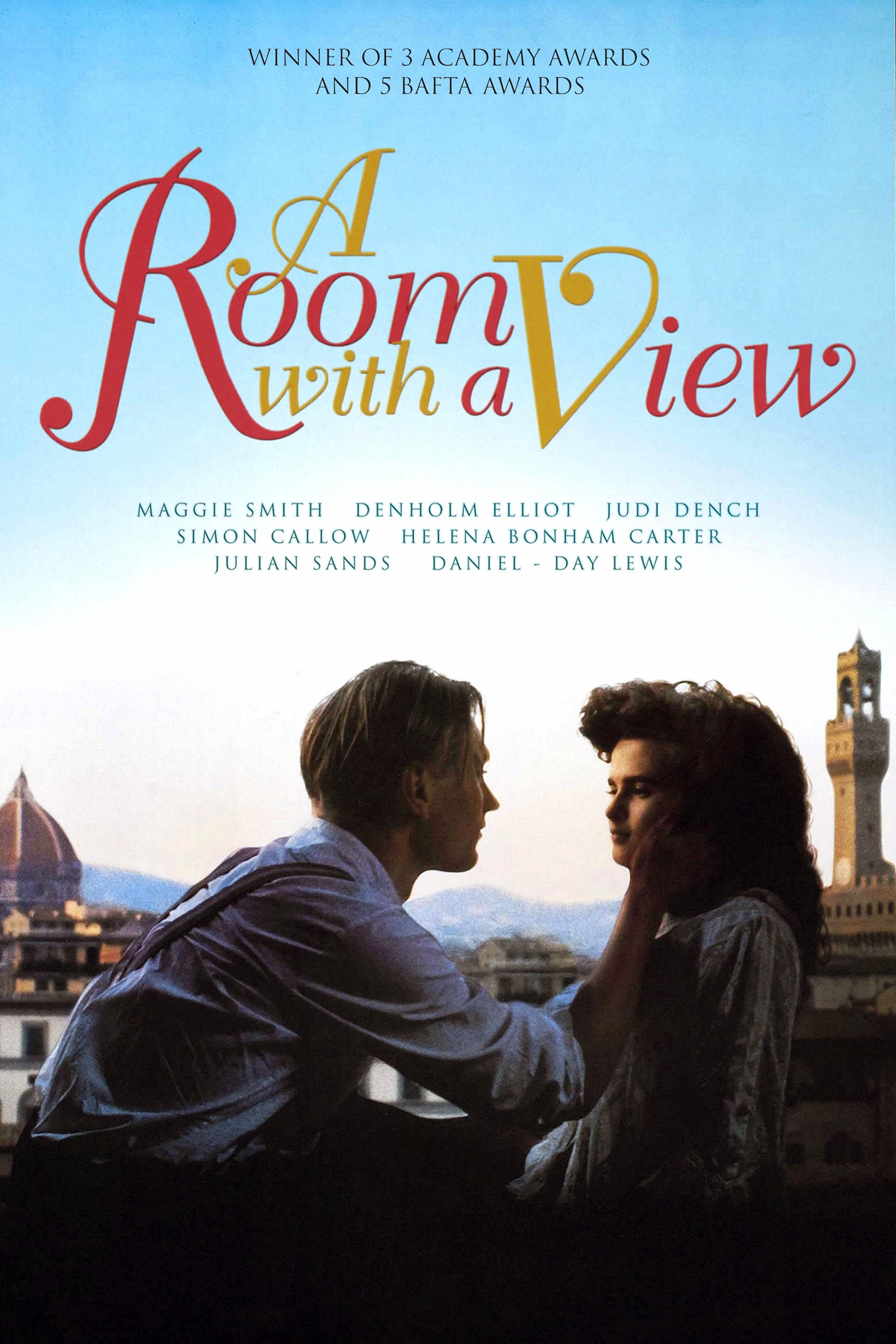
Film Review: A Room with a View

In the England of Victorian times, the upper class teenager Lucy and her cousin Charlotte go to Italian Florence to go vacationing together, encounter English youth George and his father living together in a hotel. Lucy was so upset that she couldn’t see the view from her room that George’s father gave up his room to Lucy. Lucy and George are falling in love. But George, who came from a laboring family, was a straightforward man, and his manners did not fit in with the high-class bureaucracy to which Lucy was accustomed. Inhibited Charlotte was also very uncomfortable with George. On one occasion, George could not help kissing Lucy, which was considered deviant behavior in Britain in the last century. Lucy thinks George’s behavior is not proper and returns to England without him.

After returning home, Lucy is engaged to Vyse, a musician. Vyse is empty on the inside and obsessed with external etiquette. Lucy, however, felt in him the hypocrisy of the pomp and ceremony which might have been just what Lucy’s family wanted, and began to miss George’s little brash, unceremonious, but youthful passion. When George returns to England, the two meet again. But Lucy is still stuck in a hypocritical and a primly way of telling whether she accepts George’s love or not. George had no choice but to go away sadly. After several twists and turns, Lucy’s cousin Charlotte saw that George was a little bold, but he really loved Lucy, so she secretly arranged George’s father to inspire Lucy, so that Lucy finally abandoned the shackles of etiquette, to find her beloved man.

In the movie A Room with A View, the control and oppression of men and the impulse to pursue happiness and love make Lucy finally begins to awaken her self-consciousness. As a woman living in a traditional male-dominated society in Britain, it is impossible to say that her ideas have not been affected by the real society at all. Fierce arguments inevitably followed her life. But, remarkably, Lucy was not assimilated into the way that her mother and Miss Bartley had been. As described later in the film, when she played the piano, she entered the real world. In that world, she was her own master, she was responsible for her actions, she didn’t have to depend on men to live, and she did the unusual things she wanted to do. A Room with A View belongs to the so-called literary heritage genre, which refers to the period blockbusters that were popular in Europe and the United States in the 1980s and 1990s.

These films are usually adapted from famous literary works, and tend to be classical in aesthetics. They are usually performed by numerous international movie stars, and have high artistic value. At the same time, this kind of films prefers the long town head and depth of field shots, the film is often interspersed with beautiful symphony and elegant natural and cultural scenery. The film gives priority to with downy tonal, dim yellow, sky blue, pure white, light gray foil give a warm, detailed atmosphere, providing a kind of proper ground color for rendering a wonderful cherishing story. The audience unconsciously relaxes and revels in the delicate and elegant rococo environment. At the same time, the soft and fresh colors echo the theme of love in the film.

Princess of Mars by Edgar Rice Burroughs

A Princess of Mars - Wikipedia

In 1866, at the end of the Civil War, Captain Carter, a cavalry officer in the Southern Army, suddenly flew to Mars from a sacred cave. At that time, Mars was far more scientifically advanced than Earth. But on Mars there are the Tharks, ruled by tall, ugly, four-armed green men, and the kingdom of Helium, ruled by pretty, peace-loving reds, who look a lot like earthlings. All in all, it was a chaotic situation. Carter put his talent to good use, chivalry, with the most beautiful princess Dejah Thoris married. He spent ten years of peace there. This book is set in the vast scenes of Mars and Earth, and has the gripping appeal of a magical adventure novel.

The incomparable interestingness constitutes the archetype of what has been called the cosmic opera in the history of science fiction. John Carter, a veteran U.S. cavalry captain, went after the war to explore for gold in the Arizona mountains with his old friend James Powell, an exploration specialist. John Carter lost his way to save an old friend by attacking him in a ruse, and found himself on Mars after a coma. On the surface of Mars he felt weightless, jumping thirty feet high and a hundred feet away. He had dealt with several peoples and nations on Mars, fought in many battles and wars, and had an affair with Dejah Thoris, the princess of Mars. In order to save the princess who was captured by the alien race, Carter went through hardships and dangers, showing the wisdom and courage of the earth people, finally not only rescued the princess, but also won peace and friendship for the inhabitants of Mars. After marriage he lived happily with the princess for ten years, and while on a mission to open an atmospheric manufacturing factory for the Martians, he passed out from thin air and exhaustion. When he woke up, he found himself lying in the same place he had left the earth ten years before.

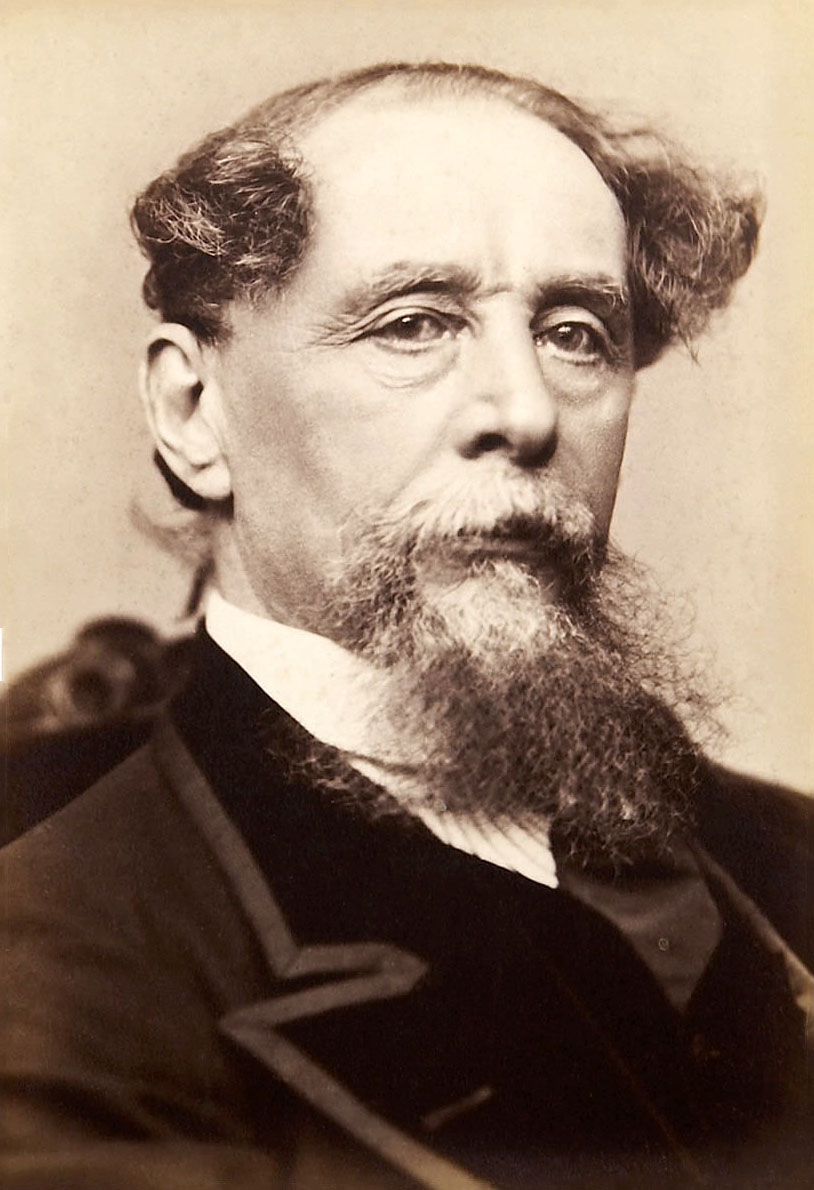
Authors We Love: Charles Dickens

Charles Dickens - Wikipedia

Dickens lived and wrote in the early years of the Victorian Era in the mid-19th century. Dickens’ activities and creations throughout his life kept pace with the trend of the times. He exposed the hypocrisy, greed, baseness and cruelty of the upper class and the bourgeoisie in a realistic way, and showed the miserable situation of the lower class, especially women, children and the elderly, with great indignation and deep sympathy. And with a serious and cautious attitude he describes the awakening of the struggle of the toiling masses. At the same time, he also eulogizes the truth, goodness and beauty in human nature with idealism and romanticism, and looks forward to a more reasonable society and a better life. Dickens embodies the core spirit of the English, a kind of joy and satisfaction from the heart. But there is another British spirit in Dickens, a kind of self-conscious reflection and critical spirit. He spoke for the disadvantaged groups, pursued social justice, explored the core values that can make human beings live in harmony, and expressed the aspirations and dreams of many people with 15 novels and a large number of prose works.

In Dickens’s early works, the reader sometimes finds his affirmation of commercial value. But the later Dickens took a more derogatory attitude towards business. His work also tends to show in a violent way the subversive power of money in an increasingly industrialized society. In the real society, there is a philosophy that ignores human nature everywhere. All spiritual life, including religious life, has hopelessly become a vassal of money and a quantifiable index. With the development of Victorian society, the ethical and moral concepts of the aristocracy were inevitably impacted by the culture of the middle class. The ethics and morals of the middle class have gradually and widely influenced people’s way of life. The development of ethics reflected in the culture is the development of Victorian culture, thus breaking the original monistic cultural values.

Thus, it can be said that Dickens is not only criticizing the inequality of social classes in his novels, but also commenting on the culture of that society, especially its moral concepts. From this we can see his concern and thinking about the future of that society, and also reflect his deep thinking about the human life itself. Dickens’ early novels are grand, popular and fluent, humorous and pungent, and full of sentiment, in which the criticism of the society is generally confined to local institutions and fields. For example, “Oliver Twist”, “Nicholas Nickleby”, “The Old Curiosity Shop“, “The Life and Adventures of Martin Chuzzlewit”, “Christmas Carol” and so on. After “Dombey and Son”, Dickens’s writing became more mature. “David Copperfield” further explores the struggle of life and is autobiographical. It is a long picture that reflects the middle and lower classes of Britain in the mid-19th century.

“Bleak House”, “Hard Times” and “Little Dorrit” are three politically conscious masterpieces. Dickens’ later works clearly reflect the deepening of the creation of the theme, technical maturity and various aspects of exploration. “Great Expectations” can be seen as a negative of “David Copperfield,” but it is more realistic and apocalyptic in its approach to life, and the author’s early optimism is markedly diminished. The hero Pip is also an orphan. However, he can not withstand the temptation of the environment and loses his original simple nature. After experiencing harsh hardships, he realizes repentance and starts to live again, and the whole novel is more concise in structure. “Our Mutual Friend” is another critical novel that goes deep into the society. The human nature exploration and life philosophy contained in it are also more profound. The symbolism and detective novel techniques used in the novel add more to its artistic charm.

Dickens’ final novel, “The Mystery of Edwin Drood”, is only 23 chapters long, but it is also exquisitely written, scrupulously conceived, and seductive with suspense and mystery. He describes a large number of people in the middle and lower classes, which is unprecedented in literature. With his high artistic generalization, vivid detail description, witty humor and meticulous analysis, he created many unforgettable images that truly reflected the social face of Britain in the early 19th century, which had great appeal and cognitive value, and formed his unique style. He reflects the breadth and variety of life, the depth and power of it. Instead of preaching or conceptualizing his tendencies, he tends to inspire his readers’ indignation, hatred, sympathy and love with vivid artistic images. Most of his characters have distinct personalities. He is good at using artistic exaggeration to highlight some features of the characters and reveal their inner life and mental outlook with their customary movements, gestures and words.

Dickens’ works have a strong romantic atmosphere, and the things he describes seem to have some kind of spirituality that can match the feelings and temperament of the characters, which enhances the appeal of the works.

The End of Forever by Lurlene McDaniel

This book is basically about how Erin, the older sister has to cope with Amy, her beloved younger sister’s death. The thing happened when after a very successful show at the theatre, there was a party and Amy offered to buy some food and drinks for the party when there was an accident and after a lot of efforts from the family, they eventually lost her. But another even bigger problem was the question if their family chooses to donate her organs to the hospital where it can be used on other patients who need it.

Facing this challenge, Erin strong opposed it because she wanted to keep a complete body, but her parents thought it wise to donate it after all since Amy was already dead and it’s better than her organs can help somebody. In my opinion, it’s very hard to imagine how Erin finally came to the conclusion that she would agree with this proposition. Imagine, if it’s my own sister I would never let anybody extract her organs and give it to somebody I don’t know.

Through this story, I saw a family getting together and facing this grieving incident at the same time. It is a very healing novel to read for normally a lot of families would give up on their child or blame each other for this accident. However, although everyone is tired, exhausted, or hopeless even, Erin’s parents still chose to tell Erin that it’s not her fault at all, but merely Amy’s carelessness which caused all of this. If every family can just understand the other families more and put themselves in their shoes, wouldn’t a lot of arguments and fights be avoided eventually?

-Coreen C.