
For most of us kids, when we hear the word “breakfast,” the first thing that comes to mind is cereal—especially sugary ones like Froot Loops. For a long time, cereal has been the go-to breakfast because it gives quick energy to start the day.
But advice about healthy food has changed a lot since the old food pyramid came out in 1992. The old pyramid put foods rich in carbohydrates—like bread, cereal, rice, and pasta—at the bottom, which basically meant “eat the most of these.” These foods were cheap, easy to make, and seen as “basic fuel,” so protein foods didn’t get as much attention. Also, people were told to avoid fat—especially saturated fat—because they thought it was bad for your heart.
However, the new food pyramid introduced in 2026 by the U.S. government has turned things upside down—literally. Now, protein and healthy fats are emphasized, and it reminds people to cut down on refined, sugary, processed carbs. Near the top are protein and healthy-fat foods like eggs, chicken, fish, beans, yogurt, nuts, and avocado.
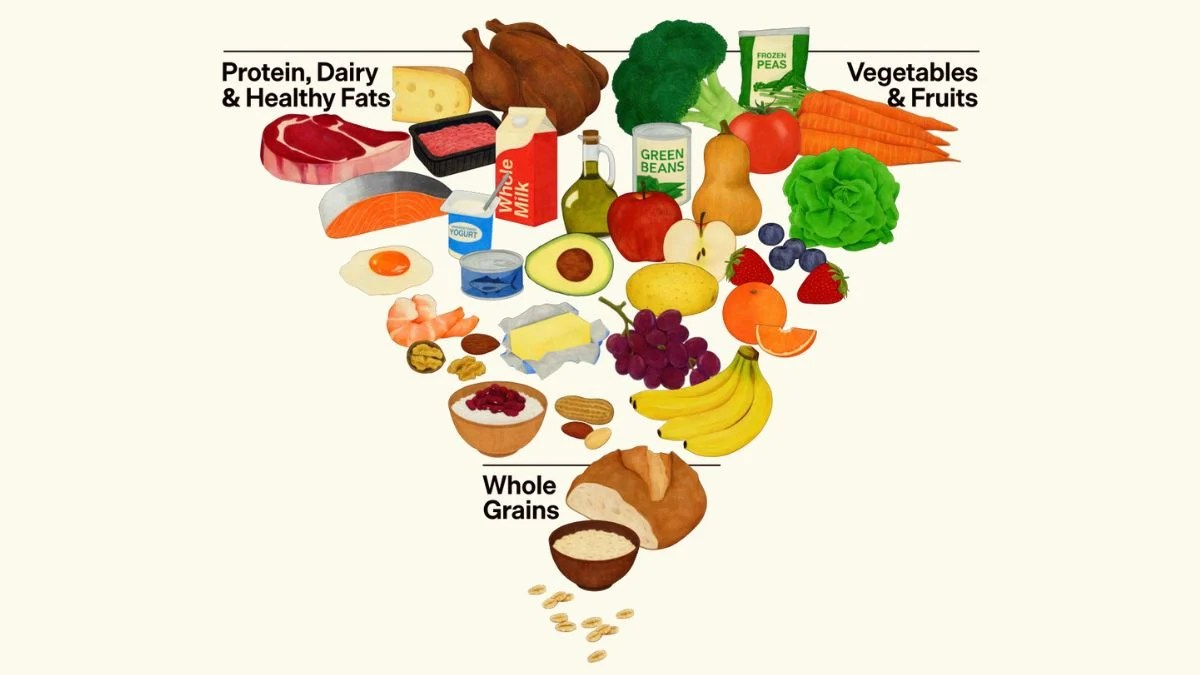
The recommendation to cut down on carbs is based on research that shows that eating a lot of carbs – especially sugary, processed, packaged foods like candy, sweet cereals, and cookies – can lead to weight gain and increase the risk of diabetes over time.
On the other hand, the new pyramid recommends eating more protein-rich food because protein helps you feel full longer and can reduce cravings. For kids, protein also supports growth and brain development. It also supports your muscles and bones, helping you get stronger. Protein is made of building blocks called amino acids. Your body can make some amino acids, but it can’t make all of them, so you must get the rest from food – mostly from protein foods.
Experts say a simple way to figure out how much protein you need is to take your weight in pounds and divide by 2. For example, a kid who weighs 100 pounds should aim to eat about 50 grams of protein each day. That could look like 2 eggs at breakfast, a cup of yogurt for a snack, a turkey or chicken sandwich at lunch, and a glass of milk or a cheese stick later. Adding small protein foods throughout the day makes it easier to reach your goal without feeling too full.
In the end, it’s important that we change our eating habits to focus more on protein and less on sugary, processed carbs. It’s also important for schools to adjust what they serve, because most of us eat at least two meals at school on weekdays. Many school menus still include lots of carb-rich foods (such as pizza and sugary cereals), so schools should act fast by adding more protein options. For example, they could offer eggs or yogurt at breakfast, add chicken, turkey, beans, or tofu to lunches, and replace some sugary snacks with healthier choices like cheese, yogurt, or hummus.
Small changes like these could help students stay healthy, feel full longer, focus better in class, and have more energy throughout the day.
 Mission Viejo Library Teen Voice