
Benefits of Blogging

Anyone can write a blog. Even you (yes, you, the person reading this)! It’s easy and comes with many benefits. As someone who has written a few blog posts, I know the ups and downs of writing one. The benefits are worth the effort and the costs.  

First, blogging can improve your reading and writing skills. When you blog, you learn to write clearly and concisely and express your thoughts. You can blog about anything, and I mean anything! When I first started writing blogs, it was hard, but I got better with practice. I also wasn’t very good at expressing my feelings, but blogging helped a lot. As people say, practice makes perfect!

Adding to that, writing a blog can also help you save time explaining things. For example, you might have written a blog about something popular, such as Taylor Swift, and someone asks you about it. Instead of explaining everything again, you can encourage that person to read your blog.

Further, blog posting can also help people in need. I love helping others, and in one of my other blogs, I wrote about the new food pyramid. This encouraged people to eat more protein and fewer carbs because protein is healthier and supports growth. Writing blogs could also inspire others to help people in need. For example, you could write a blog about homelessness and how others could help.

Lastly, blogging can also benefit your health. Blogging gives you a chance to reflect and express your feelings. A study shows that cancer patients who wrote a blog before their treatment felt better—both mentally and physically—than those who did not.

Overall, blogging is beneficial in many ways. It helps with your writing skills, saves you time, helps people in need, and boosts your mental and physical health. It may seem hard at first, but over time, it becomes second nature!
Protein: The New King of the Food Pyramid

For most of us kids, when we hear the word “breakfast,” the first thing that comes to mind is cereal—especially sugary ones like Froot Loops. For a long time, cereal has been the go-to breakfast because it gives quick energy to start the day.

But advice about healthy food has changed a lot since the old food pyramid came out in 1992. The old pyramid put foods rich in carbohydrates—like bread, cereal, rice, and pasta—at the bottom, which basically meant “eat the most of these.” These foods were cheap, easy to make, and seen as “basic fuel,” so protein foods didn’t get as much attention. Also, people were told to avoid fat—especially saturated fat—because they thought it was bad for your heart.

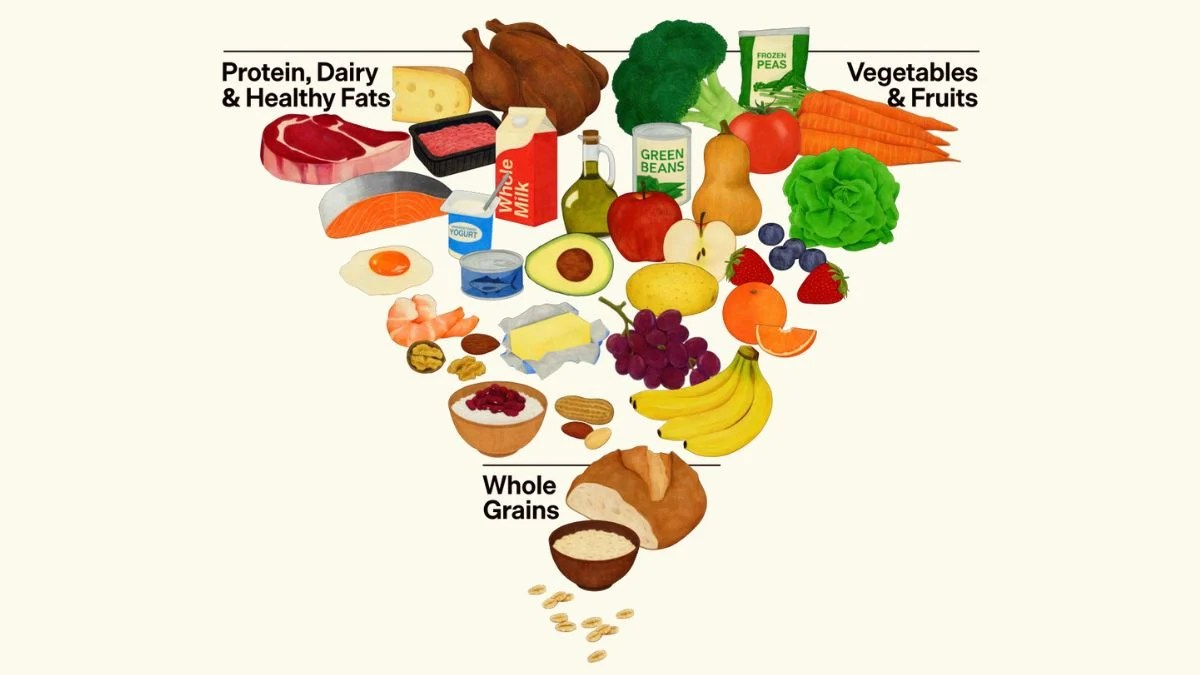
However, the new food pyramid introduced in 2026 by the U.S. government has turned things upside down—literally. Now, protein and healthy fats are emphasized, and it reminds people to cut down on refined, sugary, processed carbs. Near the top are protein and healthy-fat foods like eggs, chicken, fish, beans, yogurt, nuts, and avocado.

Illustration of a food pyramid featuring three sections: Protein, Dairy & Healthy Fats; Vegetables & Fruits; and Whole Grains. The pyramid showcases various food items such as meats, dairy products, fruits, vegetables, and grains.

The recommendation to cut down on carbs is based on research that shows that eating a lot of carbs – especially sugary, processed, packaged foods like candy, sweet cereals, and cookies – can lead to weight gain and increase the risk of diabetes over time.

On the other hand, the new pyramid recommends eating more protein-rich food because protein helps you feel full longer and can reduce cravings. For kids, protein also supports growth and brain development. It also supports your muscles and bones, helping you get stronger. Protein is made of building blocks called amino acids. Your body can make some amino acids, but it can’t make all of them, so you must get the rest from food – mostly from protein foods.

Experts say a simple way to figure out how much protein you need is to take your weight in pounds and divide by 2. For example, a kid who weighs 100 pounds should aim to eat about 50 grams of protein each day. That could look like 2 eggs at breakfast, a cup of yogurt for a snack, a turkey or chicken sandwich at lunch, and a glass of milk or a cheese stick later. Adding small protein foods throughout the day makes it easier to reach your goal without feeling too full.

In the end, it’s important that we change our eating habits to focus more on protein and less on sugary, processed carbs. It’s also important for schools to adjust what they serve, because most of us eat at least two meals at school on weekdays. Many school menus still include lots of carb-rich foods (such as pizza and sugary cereals), so schools should act fast by adding more protein options. For example, they could offer eggs or yogurt at breakfast, add chicken, turkey, beans, or tofu to lunches, and replace some sugary snacks with healthier choices like cheese, yogurt, or hummus.

Small changes like these could help students stay healthy, feel full longer, focus better in class, and have more energy throughout the day.

Banh Mi Sandwich – A Crunchy Flavorful Delight

One of the best things about traveling is enjoying local food. Out of the more than twenty-five countries that I have visited, Vietnam is one of the most interesting, with some of the best food. Arguably, one of the most popular foods in Vietnam is the Banh Mi – a Vietnamese sandwich with a French influence.

Banh Mi literally translates to “Wheat Bread” in English. The Banh Mi originated when the French colonized Vietnam. They introduced French food to the locals, such as baguettes, sliced meats, and butter.

However, when the French left, the Vietnamese people changed the French meals by using local ingredients and their own way of making food. That is when the modern Banh Mi was born.

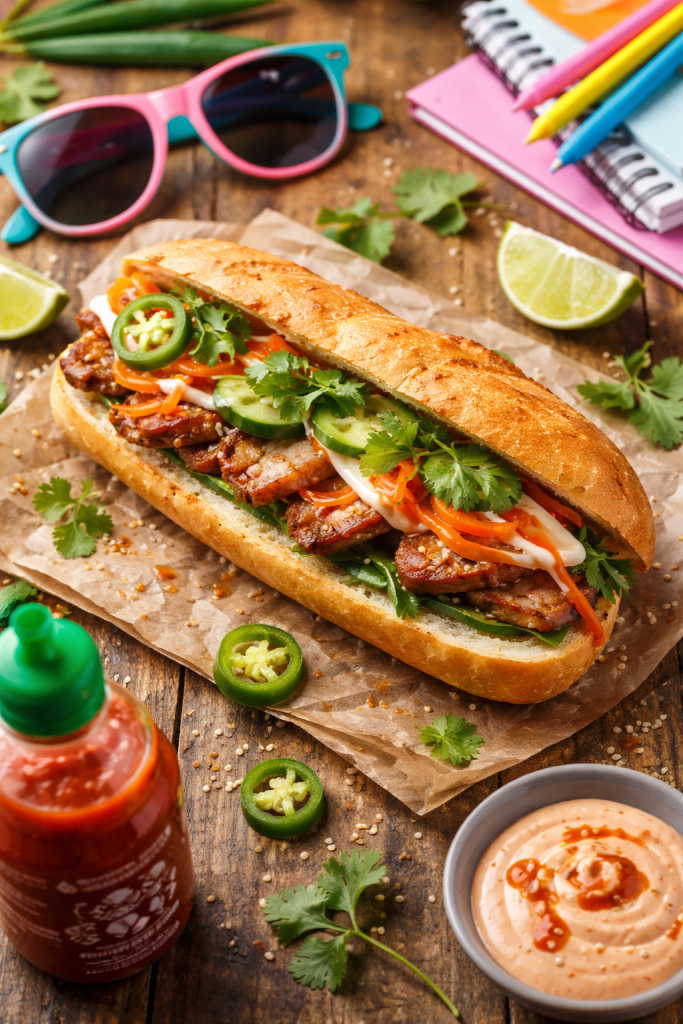
It was created in the late 1950s by a Vietnamese couple – Mr. and Mrs. Le. Instead of eating baguettes separately as the French did, the couple came up with a filled baguette sandwich using local ingredients. Common fillings include pork, beef, egg, tofu, pickled carrots, cilantro, peppers, daikon (a long white radish), and chili sauce.

This recipe has not changed much since then. But the locals have modified it to suit their taste. For example, in northern Vietnam, the Banh Mi is lighter and has less meat. On the other hand, in southern Vietnam, the Banh Mi is bigger and has more meat.

If you’re looking for a crisp, crunchy, and savory Banh Mi locally in Orange County, you should check out “Carrot & Daikon” in Westminster. Their Banh Mi has the perfect crunchy bread, rich meat, umami carrots, and a kick of spice.

Overall, my trip to Vietnam and eating Banh Mi – literally every day – completely changed my perspective on sandwiches. And I strongly recommend everyone try it too!