Allen Iverson-The small giant

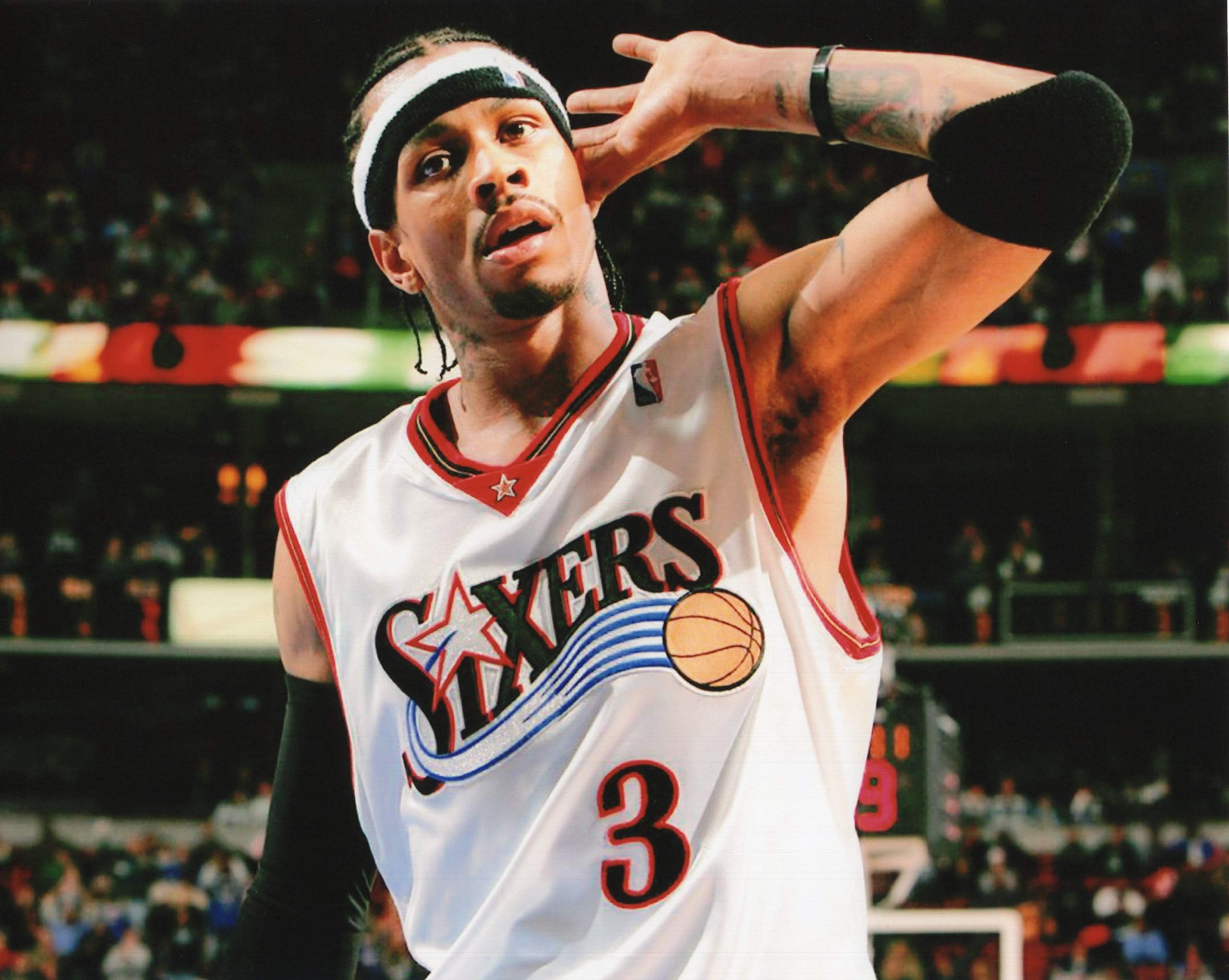
Have you ever watched NBA? When you watch NBA, you will see lots of giants such as Victor Wembanyama in San Antonio Spurs, LeBron James in LA Lakers, and Giannis Antetokounmpo in Milwaukee Bucks. These guys are at least 6’8. But there were many short basketball players in NBA history especially Allen Iverson who played for Philadelphia 76ers and got MVP in 2001. In this post, I am going to talk about Allen Iverson, the small giant in NBA.

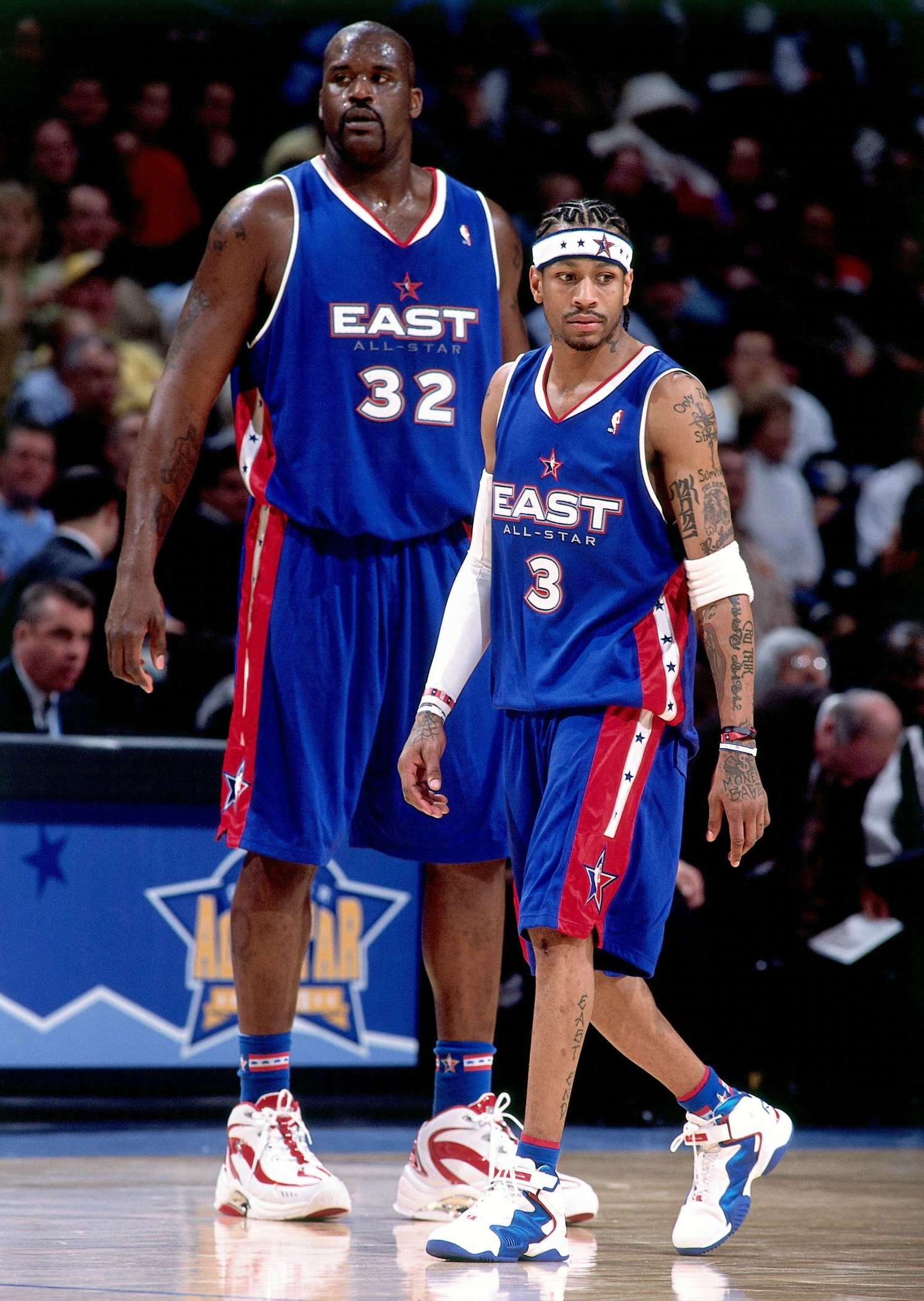
Allen Iverson was born in Hampton, Virginia, 1975. When he was a high-schooler, he played two sports, basketball and football. He was also really good at football as a quarterback. Although Iverson was so good at football, he decided to play basketball in college and scored 23 points per game. In 1996, Iverson joined NBA draft and Philadelphia 76ers selected him as the first pick. When he made a debut, a lot of fans concerned because of his small size and skinny body. But he proved his skill and capability as a result. One of the moments that showed Iverson’s fearless mentality was when he confidently faced Michael Jordan early in his career. Despite being much smaller, Iverson attacked his defender and played without hesitation, proving that confidence and skill can challenge even the greatest players. Even though Iverson became NBA star, 76ers still didn’t go to playoffs or eliminated in 1st or 2nd round because nobody helped Iverson in offense. But in 2001, Sixers became different team and they got 56 wins against 26 loses. Iverson improved again he averaged 31.1 points per game and won 2001 MVP. In 1st round, Sixers won against Indiana Pacers in 4 games but they played 7 games on 2nd round and Conference final against Toronto Raptors and Milwaukee Bucks. It made all Sixers players were exhausted. They faced LA Lakers they had Kobe Bryant and Shaq. Sixers played 7 games on 2nd round and Conference final, while Lakers went to final without losing. Many NBA fans expected Lakers will crush Allen Iverson. But in game 1, Iverson scored 48 points including 30 points in first half. Thank of his performance, Sixers defeated Lakers in overtime. Although they lost in final, his performance proved that size was not a limitation for him; instead, his confidence, skill, and competitive spirit allowed him to compete against the league’s biggest stars on the biggest stage. After 2001, his performance was still top of the NBA, but not like 2001. He played for Denver Nuggets and Detroit Pistons. In 2013, he retired.

Although some critics pointed to his field goal percentage or ball-dominant style, Allen Iverson changed the way people viewed smaller players in the NBA. In a league dominated by height and physical power, he proved that speed, skill, and fearless confidence could compete with size. His 2001 season and Final performance remain one of the most iconic moments in basketball history. Iverson did not just become a superstar — he became a symbol of belief for undersized players everywhere. That is why Allen Iverson will always be remembered as a true “small giant.”

What is Baseball IQ?

Have you ever played baseball? I am playing baseball in high school as a first baseman and pitcher. When you play baseball, you must constantly use your baseball IQ. Baseball IQ refers to how well players understand game situations, anticipate the next play, and make the right decision without overthinking. In this post, I am going to talk about baseball IQ and why it is important.

Baseball moves faster than most people realize. For example, when you are in the batter’s box and facing a 90-mile-per-hour fastball, there is no time to hesitate. If you hesitate for even a moment, it often leads to a mistake, and you will miss the pitch. Players with high baseball IQ already have a plan before the pitch is thrown. The same applies to defense. Infielders must anticipate where to throw the ball, because batters can hit the ball hard even on ground balls.

Another way to understand baseball IQ is by looking at players who are known for their intelligence on the field. For example, Greg Maddux was never the hardest-throwing pitcher, but he consistently dominated hitters by reading their tendencies and setting them up with smart pitch sequences.

Greg Maddux – Society for American Baseball Research

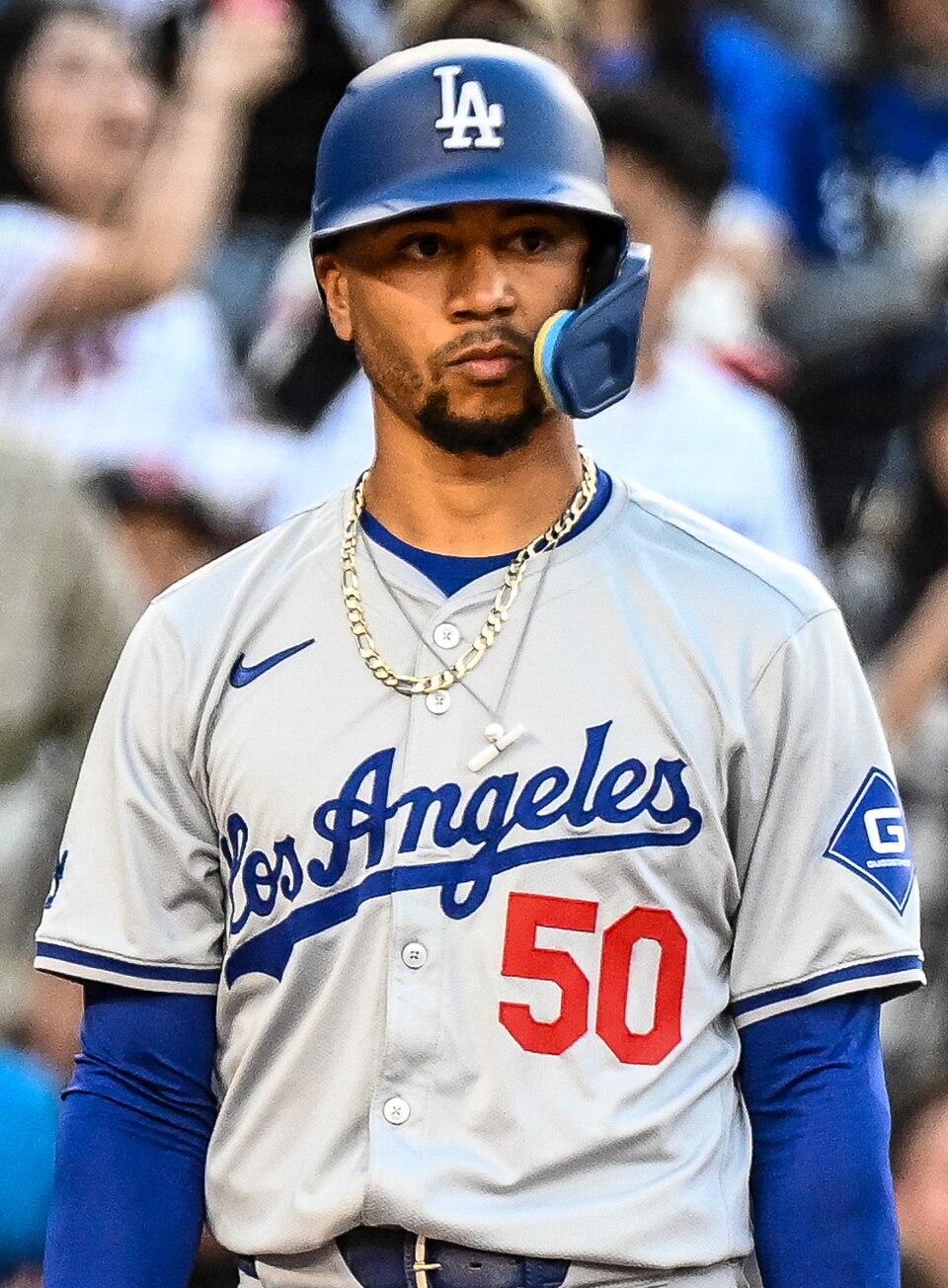
Mookie Betts is another strong example. He is known not only for his athletic ability, but also for his awareness of game situations, including baserunning, defensive positioning, and decision-making under pressure. These players show that baseball IQ allows athletes to succeed even when they are not relying only on speed or power. Their ability to think ahead and adjust during games separates them from average players.

By All-Pro Reels from District of Columbia, USA – Dodgers at Nationals, CC BY-SA 2.0, https://commons.wikimedia.org/w/index.php?curid=150213104

Baseball IQ is what allows the game to slow down in a player’s mind. When players think ahead, communicate well, and understand situations, they make fewer mistakes and play with confidence. In a fast game like baseball, being smart is just as important as being skilled.

How Did South Korea Host the 1988 Olympics?

From September 17 to October 2, 1988, the 24th Summer Olympics were held in Seoul, South Korea. Today, South Korea is a wealthy country well known for K-pop, K-food, and K-beauty. However, in the 1980s, it was still a developing nation. Its economy was not strong enough to host a global sporting event, and the country did not even have proper Olympic stadiums. At the time, Japan was expected to host the 1988 Olympics in Nagoya, since it was far wealthier than South Korea.

In the late 1970s, then-president Park Chung Hee strongly supported hosting the Olympics. The government believed the event could help improve South Korea’s economy and prove that the country was capable of hosting a major international event. Under President Park’s leadership, Chung Ju-yung, the chairman of the Hyundai Group, led a delegation to persuade members of the International Olympic Committee (IOC). The delegation traveled to Baden-Baden, West Germany, and first met IOC members in London.

During these meetings, Chairman Chung argued that Japan was already a wealthy nation and that hosting the Olympics again would further accelerate its economic growth. This statement drew attention from IOC members, especially because Britain’s economy was competing with Japan’s at the time. As a result, many wealthy countries, including the United States and European nations, became wary of Japan’s growing economic power.

In the final presentation, Japan confidently delivered its proposal in Japanese with the help of translators. In contrast, South Korea presented entirely in English, showcased detailed stadium plans, and demonstrated its ability to host the Games without major errors. This strong impression influenced the final decision. In the final vote, Seoul won 52–27, becoming the host city of the 1988 Olympics.

However, not everyone welcomed the decision. North Korea opposed South Korea hosting the Olympics and attempted to disrupt the event through acts of terrorism, including a plane bombing. Despite these threats, South Korea continued its preparations and ultimately successfully hosted the Olympics.

Thanks to the 1988 Olympics, South Korea gained global recognition. This moment is often described by the slogan “세계는 서울로, 서울은 세계로,” which means “The world came to Seoul, and Seoul opened itself to the world.” After the Games, South Korea’s economy grew rapidly. A country once devastated by the Korean War in 1950 became a nation capable of hosting the Olympic Games within just a few decades. As of 2026, South Korea’s economy ranks 12th in the world among 197 countries.

서울 1988 올림픽 로고, 포스터 디자인 & 올림픽의 룩