Even though he has the ability to see spirits, Ichigo Kurosaki strives to live as an ordinary high school student in Karakura Town, Japan. His life takes a drastic turn when he must obtain the powers of a Soul Reaper, which he receives from Rukia Kuchiki, to cleanse evil spirits known as Hollows. With these mysterious powers, he embarks on a journey to protect his loved ones and discovers hidden parts of the world and himself.
Characters and Pacing
Each character has unique thematic elements and distinct philosophies which make them stand out to me, although some aren’t obvious at first glance. Also, the character designs are super cool! Bleach is the type of manga where each page must be read carefully while taking the time for reflection, as it may be easy to overlook crucial details that give deeper insight into a character’s actions and agency.
The intense battle scenes and violence aren’t just for hype moments, but reflect conflicting ideals between its participants. Throughout his battles, Ichigo not only forms and strengthens bonds with those around him, but he gradually learns to accept the darkest and most vulnerable parts of himself.
Compared to the anime, the manga’s pacing is faster and much more consistent, though it might make the fighting scenes a little boring and anticlimactic.
In Kurotsuchi Mayuri’s battle with Szayelaporro
Not to mention, there are some amazing antagonists and plot twists! I would’ve liked to include my top favorites in this post, but revealing their existence spoils the surprise.
However, I personally find the emotional development and impact to be lacking, as the series focuses more on presenting ideals and battles.
World Building and Themes
Much of Bleach’s world building and themes are predicated on the concepts of life and death, and encourages the reader to ponder not only the meaning behind the characters’ actions, but how those same ideas exist and can be applied to our modern society. Yes, the existence of multiple supernatural realms is fascinating, but they serve more as narrative mechanisms to demonstrate how the balance between life and death is delicate and how accepting both gives meaning to our existence.
There are more poems like this at the end of each volume, and they really tie everything together.
Afterword
This is one of my favorite series ever, and I recommend it to older folks. It is highly advised that the manga be read first before watching the anime, as there are pacing issues in the animated version.
If you are planning to watch the anime, it’s okay to only watch the Thousand Year Blood War arc since there’s additional content which wasn’t in the manga.
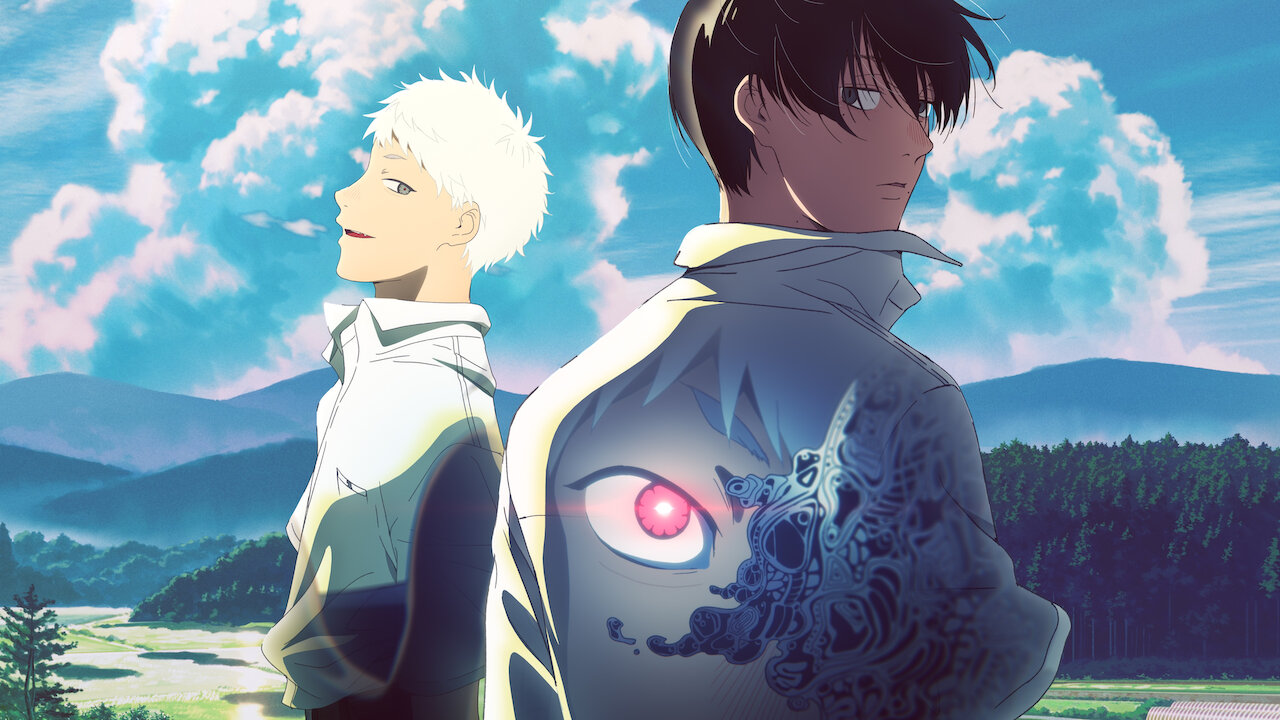
The Summer Hikaru Died(August 31 – Present) is a horror coming-of-age shounen manga that recently announced its highly anticipated anime adaptation, set to premiere this summer. What better way to celebrate this exciting news than with a manga review?
In my opinion, The Summer Hikaru Died is the golden definition of a gem. It has a stable fanbase and is popular with much critical acclaim, but definitely not enough for it to be considered mainstream. It’s hauntingly beautiful—familiar, yet slightly out of tune, creating an uncanny sense of distance between you and the characters, the strange, mysterious countryside, and the constantly buzzing cicadas…
Set in a small town in rural Japan, the series explores the slice-of-life of two childhood friends: Yoshiki and Hikaru. The two have maintained a close bond over the years despite their contrasting personalities, Yoshiki being reserved and quite paranoid, while Hikaru is an outgoing airhead who is well-liked by everyone in town. Yoshiki has also had a one-sided crush on Hikaru for a long time. However, one winter day, Hikaru inexplicably decides to hike up a nearby mountain, resulting in a nearly fatal injury and him going missing for a whole week. Yoshiki was the one to find him passed out in the mountains, luckily still breathing. The unconscious Hikaru was taken back to town to rest.
However, stranger than Hikaru’s seemingly random decision to go up the mountain is the fact that, after waking up and fully recovering, he has no memory of why he went there— or of what happened on the mountain at all. This incident is quickly brushed off as the two return to their normal lives.
anime adaptation cover art
Six months have passed since the strange incident. Now, in the middle of summer, the two friends are on their usual ice cream run. The air is thick with humidity, the cicada buzzing relentlessly, and their playful exchanges as ordinary as ever. In the middle of their conversation, Yoshiki suddenly brings up the incident again. Hikaru, as always, denies any recollection of it. Then, Yoshiki asks a simple yet heart-stopping question, the world around them falling into an eerie silence.
“You’re not Hikaru, are you?”
The Summer Hikaru Died, Volume 1
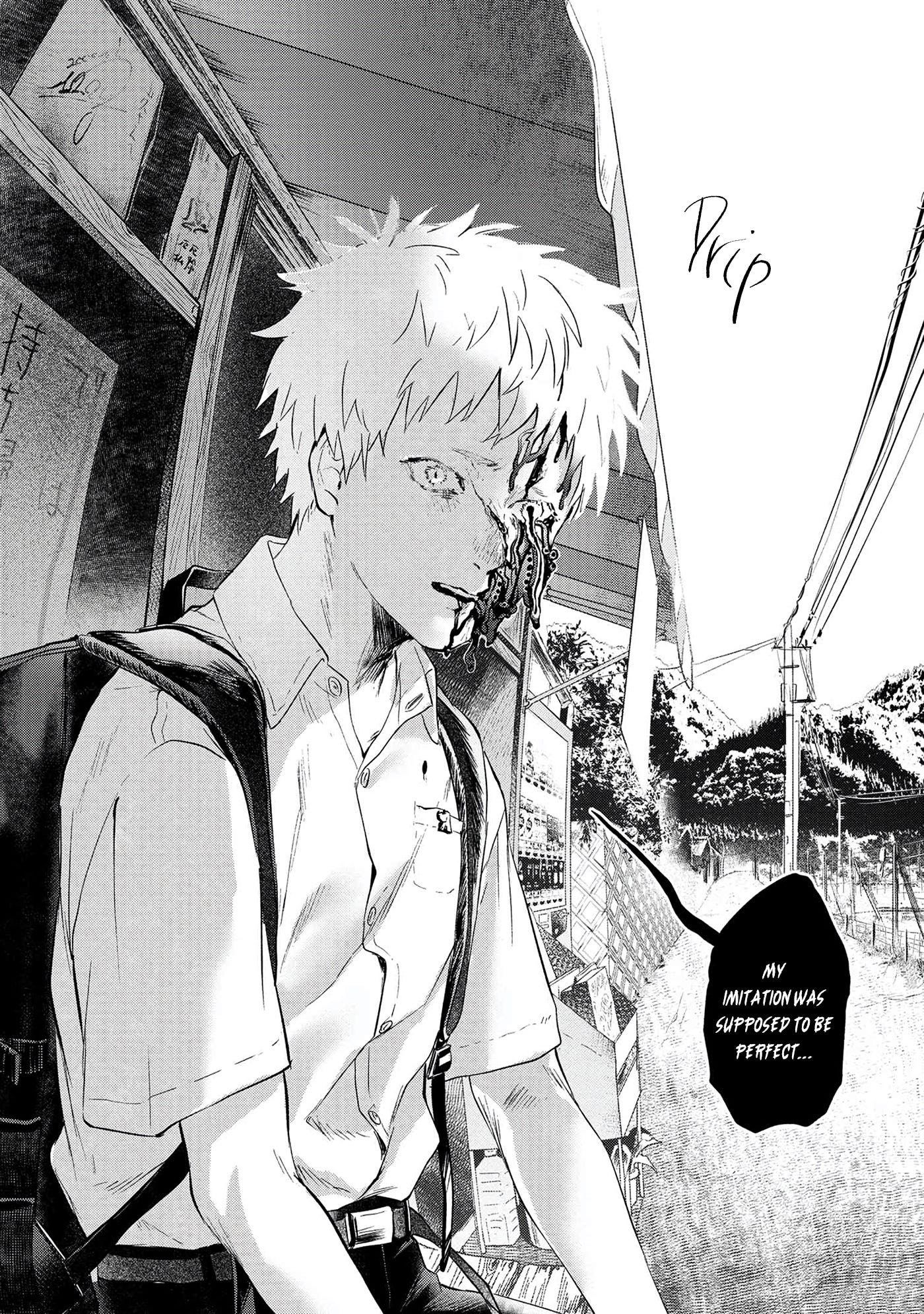
The Truth: Upon entering the mountains and getting injured, Hikaru’s dying body caught the attention of an |||||||||||||||||||| creature, an entity that is uncomprehensible to the human mind. Wanting to experience being human, the entity possesses Hikaru with consent, consuming his mind, memories, and feelings to the point of physically ‘being’ Hikaru, yet remaining the consciousness of the separate being at the same time. Hikaru is definitely dead. ‘Hikaru’ decided to make use of the death and use Hikaru’s physical body and mental psyche.
Alien or monster? Friend or foe? What will Yoshiki do when his friend, his crush, sitting right in front of him, actually turns out to be… ‘Hikaru’?
I absolutely adore this manga series. Coming from a scaredy-cat who can’t watch one second of any horror film, I believe that The Summer Hikaru Died has the perfect amount of uncanniness and terror for any reader to fall deeper into its spell. I especially love the unconventional themes (when put into this context) that are essential to the plot: grief, acceptance, trust, and most importantly, how anyone would characterize others as them themselves. Does Hikaru being technically dead mean Yoshiki should see ‘Hikaru’ as something (?) entirely different? What lengths does it take for love to be broken or trust to be gained? Is an entity’s desire to simply live for the first time justified? There is also a great sense of mystery revolving around Hikaru’s past actions and the buried truths of the town, which Yoshiki and ‘Hikaru’ are now on the path to uncovering.
I’d also have to add my comments about the characters and the pacing. Pacing-wise, I genuinely think it is perfect. I love my books and manga to be on the slower side, so this series did a great job of slowing down the atmosphere without making pauses feel forced. I also love how the characters themselves are like tweaked versions of standard character archetypes, or rather, how character archetypes would react in the context of this plot. The characters become nonarchetypal in this sense.
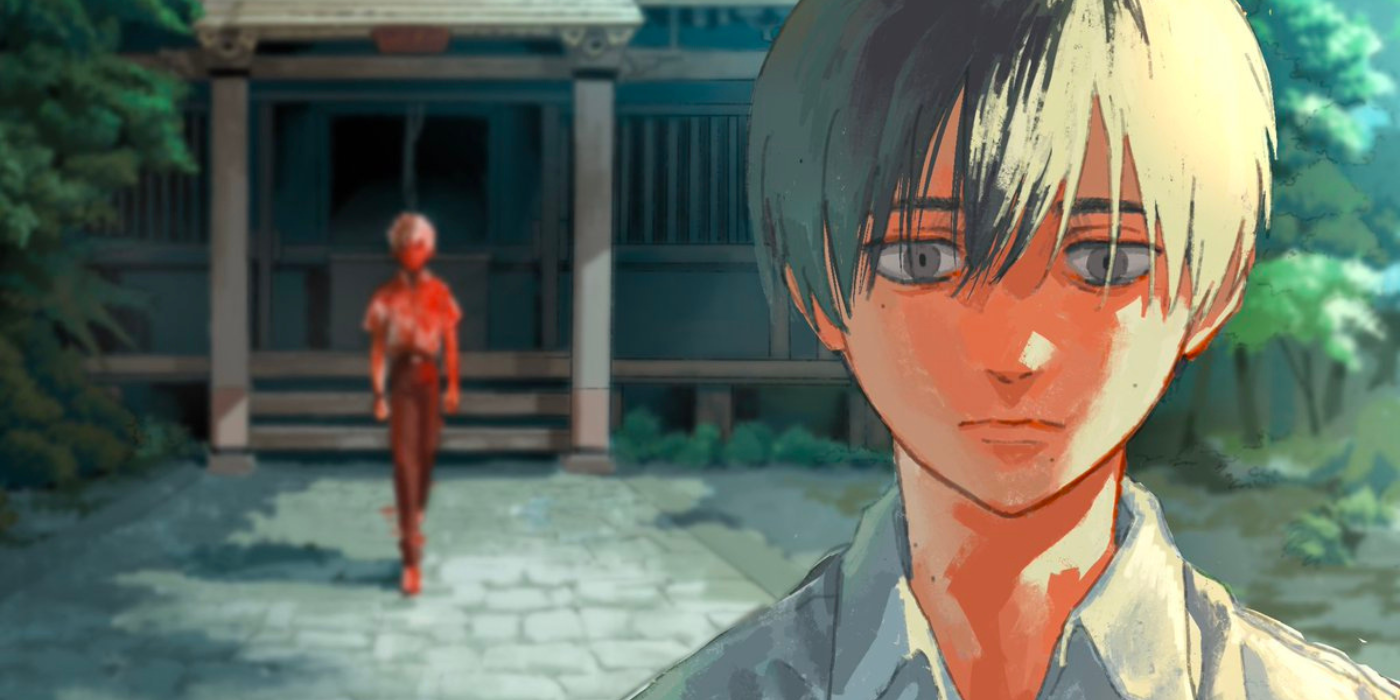
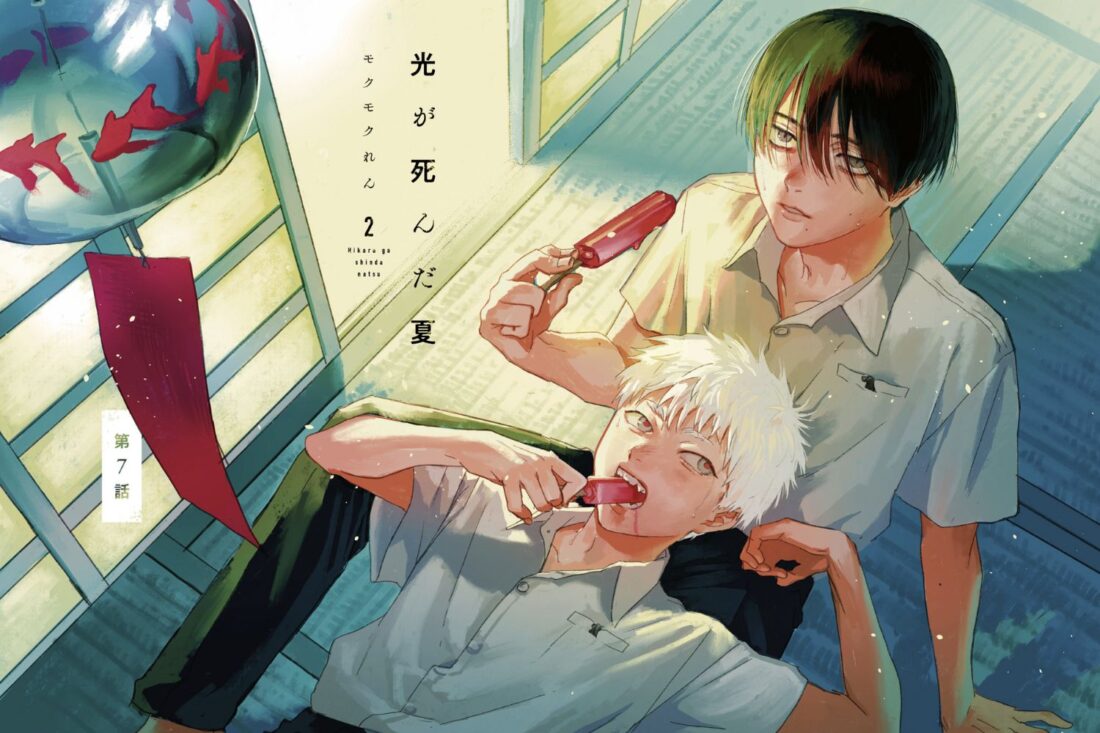
official art
It’s worth mentioning how usually, mangas in this style would be highly character-driven without much plot support. In The Summer Hikaru Died, however, both the characters and plot depend on each other to create this haunting story, making them both equally essential. When I cried as I was reading, I could not tell whether I was crying because of the plot or for the characters, which is great because it means the readers can feel the depth of the storytelling.
Personally, I am very squeamish and get disgusted easily, which made certain scenes in this manga a bit disturbing. However, it quickly became clear that even though I was put off by the body dysmorphia and blood, I was also intrigued to read more at the same time. If you’re like me, I’d suggest searching up some panels of the manga just so you can judge the disturbance level for yourself. I’ll put it out right now that the worst it gets is entity body dysmorphia and blood, so technically not that bad, but still, read at your own risk!
I also want to point out a common misconception people have about this series. The Summer Hikaru Died is not, I repeat, is not, a Boys Love (BL) manga series. Specifically, the series is listed under Seinen horror manga. The author, Mokumokuren (gender not publicly disclosed), has clearly stated in the past that they never intended for the series to be BL, but rather a horror manga with queer representation.
All in all, proceed with caution! And for those who finish reading this review thinking ‘whoever reads this must be out of their crazy mind’, I want to say that there’s never a book/manga not worth trying. I always push myself to try genres that I normally would not like, and boy am I glad I do, because if I didn’t, I wouldn’t have picked up this beautiful series in the first place.
As summer approaches, I’ll definitely be rereading this with a slice of watermelon in hand, sprawled out on the ground, wondering what might be out there, waiting, quietly, quietly, quietly….
The commonly used phrase “Re” in anime actually stands for the word “again”. Re:Re (Again:Again) also just so happens to be the opening song for in my opinion, one of the greatest works of fiction to exist: Erased. The name Re:Re is a perfect way to pave an introduction to this classic, science-fiction mystery, as not only does the main character go through the same intense, thriller-filled experiences over and over again, but Erased itself also made me read and watch the story more times than I can count.
Erased begins by narrating the pathetic, hollow life of 29-year-old failed manga artist Satoru Fujinuma in 2006. Due to this, Satoru works as a pizza delivery driver to make ends meet. Unexpectedly, after a singular life-changing encounter while delivering pizzas, Satoru awakens a special power that he calls “Revival”, an unexplained, supernatural ability that transports him (however many minutes he needs) back in time to “fix” a tragedy that is about to occur. For the next couple of weeks, “Revival” happens to Satoru almost every day, giving him the hero-like chance to save the lives of many strangers around him.
However, after an uneventful day out and coming home from work, Satoru is met with the horrifying, startling murder scene of his dear mother. To make matters worse, the neighbors come in at that exact moment, pinning Satoru as the suspected killer. In this hell-like scenario while running away and hiding from the police, “Revival” suddenly occurs once more, except this time, instead of time-traveling 1 minute, 5 minutes back in time, Satoru opens his eyes to find himself in the body of his 11-year-old self. He had traveled back in time all the way to 1988. Watch Satoru find his hero within as he tries to save the lives of three fifth-grade classmates who were kidnapped and killed in his past while also trying to identify the person behind murdering his mother in the future.
Satoru Fujinuma, 2006, Age 29
I watched Erased (anime) for the first time many, many years ago. For the record, I had been an avid fan of mystery-genre fiction for a while, yet still, the emotional thrill while binging all 12 episodes in one day was ingrained in my memories and left an indelible mark in my heart for the rest of my life, all up until now. While the plot as described sounds very action-packed, in my opinion, Erased is much more like a reflective commentary on society, problems within households, friendships, the importance of believing others, love, and creating your role, your hero, no matter what it takes. The anime not only gave me the rush of intense drama, but also made me cry and wail, cheer for the friendships and progress made for Satoru and his peers, and even pause the show entirely to digest the weight of its emotions and ideas.
I thoroughly enjoyed the low-key tenseness of the tone throughout the show, as my interpretation of it is that it’s a reflection of Satoru’s inner turmoil. That being said, all the characters are all very well-developed, complex, and gain a better understanding of themselves as the show progresses as well.
Now here comes my opinion on the manga, which I have to say, is at least 100x better than the anime adaptation.
Erased Manga ; Volume 1
Yes, you heard me right: anime adaptation. As what happens with most animes, Erased is yet another unfortunate victim of an animation production team taking the original manga and cutting out parts of the storyline to fit the budget. Except in this case, the anime not only cut out supplementary enjoyable moments but also a big, important chunk of the storyline and even the entire ending. You heard me right again– the entire ending of the Erased anime was in fact not the original ending.
This is also a reason why many viewers were split in their opinions on the show. While very few people say that the whole anime was bad, lots of reviewers on either side (positive and negative reviews) can agree that the ending for the show was, in fact…pretty bad. Personally, when I saw the anime, I felt indifferent to the ending overall, yet can agree it lacked so much potential impact. When I read the manga with the original ending (that the anime should’ve gotten), however, I realized just how perfect this work of fiction actually was. I am a firm believer that the unanimous critique of Erased being “bad” solely because of its ending can easily be revoked if everyone had just read the manga after, or even before.
“The town where only I am missing is my treasure!”
The manga goes much deeper into the psyche of all the characters, their motivations, backstories, and thinking. In fact, the entire last volume of the series (Volume 5), is literally the narration of Erased in the perspective of all major characters. Not only does the anime lack the depth in characters that is characterized in the manga, but it also barely clears up confusing plot points– or even covers them at all!
If you’re thinking about picking up Erased, your question would probably then be: Should I read the manga or watch the anime first? My honest answer would be that it depends on what you’re looking for. And I’m going to be honest: while I do definitely recommend to both read and watch Erased, doing one or the other first could impact your experience/impression of it. I personally watched and then read, but for others, watching the anime ending of Erased first might make them drop the manga. I’m telling you (if you decide to watch the anime first) to trust me on how the manga is worth the read (even if the anime made it seem like that isn’t the case). On the other hand, if you choose to read the manga first, watching the anime after will feel like a waste of time and even a disappointment. Either way, Erased itself as a work of fiction is absolutely phenomenal and worth the tears.
“…”
“I always believed.”
This post has been NECcesarily long (haha), but I would like to end with just another fun point. In the original manga and anime release in Japan, Erased is actually called “Boku dake ga Inai Machi”, which directly translates to “The Town Where Only I Am Missing”. Only upon its English release did that name somehow turn into Erased. This sudden change of a name is particularly startling for me, as the original Japanese title makes much more sense and is directly correlated to the storyline. The name Erased, however, is only a name and title without any further meaning.
The name The Town Where Only I Am Missing seems really dark. But after watching the show, maybe then you’ll realize that such isn’t the case.
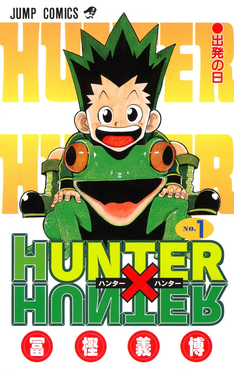
Hunter X Hunter is an iconic manga published in 1998 by its author, Yoshihiro Togashi. Following Gon, Killua, Kurapika, and Leorio’s adventures, it includes a variety of arcs, including the first Hunter Exam arc, but its well-written characters make up the most compelling part of the series.
Gon Freecs, the more outgoing of the dual protagonists, is 12 years old at the start of the series. Highly tuned to nature due to his upbringing on an island, he also appears to have learned most of his morals by observing nature, though also taught by his dear Aunt Mito. Though often seen as a “ball of sunshine” by readers, he has been said to have dubious morality by others within the book, merely following a “good” path because that’s where life led him. This may also be the reason why he can be so “selfish” but is still fine with how his dad left him as a baby. Overall, he is a good-plot driver with a strong will as well as an interesting personality.
No less important is “Gon’s best friend,” another 12 year old known as Killua Zoldyck. Abused and trained to become an assassin by his family since childhood, he beat up his mom and one of his older brothers to escape before taking the Hunter Exam on a whim. Unlike Gon, Killua was raised by a strict structure and saw following someone he cares about instead of obeying his family as an act of defiance. However, Killua’s close friendship with Gon made them sometimes unhealthily co-dependent. The manga explores his friendship with Gon, growth from his initial self-deprecation, and how he learns to feel things through his own heart.
Kurapika of the Kurta clan, a 17 year old in the first volume, had his entire clan killed by the Phantom Troupe while a child. To avenge his clan, he became a Hunter to seek out and kill all the members, or Spiders, of the Phantom Troupe. Though he first appears in the series as someone with a noble goal, this quest also leads him to venture into the shadier parts of society. His development centers around the reasons for his choice to suffer.
The final of the main 4, Leorio Paladiknight, age 19, is unfortunately played off as comedic relief for most of the story. He aspires to become a doctor to save those who would otherwise die of diseases akin to the one his childhood friend suffered from. Differing from Gon and Killua, who end up different mostly because of their upbringings, Kurapika and Leorio both were deeply affected by how loved ones died during their childhood. I found it interesting how Kurapika had the motto of “they made my kin suffer, so I will make them suffer,” while Leorio stood by “it hurt my friend, so I’ll make sure no one else hurts in such a way ever again.” In conclusion, Hunter X Hunter contains amazing protagonists with inspiring character arcs and unique backstories.
Hunter X Hunter by Yoshihiro Togashi is available to check out from the Mission Viejo Library.
We all have our daily highs and lows at home, school, or anywhere, really. But for the enthusiastic and energetic five-year-old Yotsuba, every second of the day is a high!
Yotsuba&! Volume One
After moving to a new city with her earnest yet goofy-at-times adoptive father, Yotsuba approaches the mundane and normal every day with her curious cheerfulness and comedic naivete. She embarks on adventures (walks to the grocery store) with her fellow confederates (her new neighbors: three sisters of different ages who each have their own unique differences), and learns of everything from doorbells to rock-collecting to souvenirs to flower shops to fireworks to policemen to fairies to…
Yotsuba Koiwai and her father, Yousuke Koiwai
Even though most of us aren’t kids anymore, it’s always important to never let go of your inner child. For me, as I read through each of the current 15 volumes, each interaction and problem Yotsuba encounters give me a familiar yet nostalgic sense of child-like wonder. At times, I would catch myself laughing with her (or at her.. haha), nod to agree with her absurd ways of thinking, or sometimes hold back a tear or two at the end of chapters. I surely don’t consider myself a child anymore, but Yotsuba reminded me that we were all children once– children who don’t know a lot, children who are simple and don’t have a care in the world. We all grew up to be the teenagers we are today, but who knows when the line that goes from child to teen blended together, where it started or… ended?
Reading Yotsuba made me realize that we can’t control when we decide to grow up. Even though Yotsuba&! is a light-hearted comedy, a lingering feeling in the depths of my heart tugs every time I flip a page, because each page gone is one page closer to the budding Yotsuba eventually growing up as well.
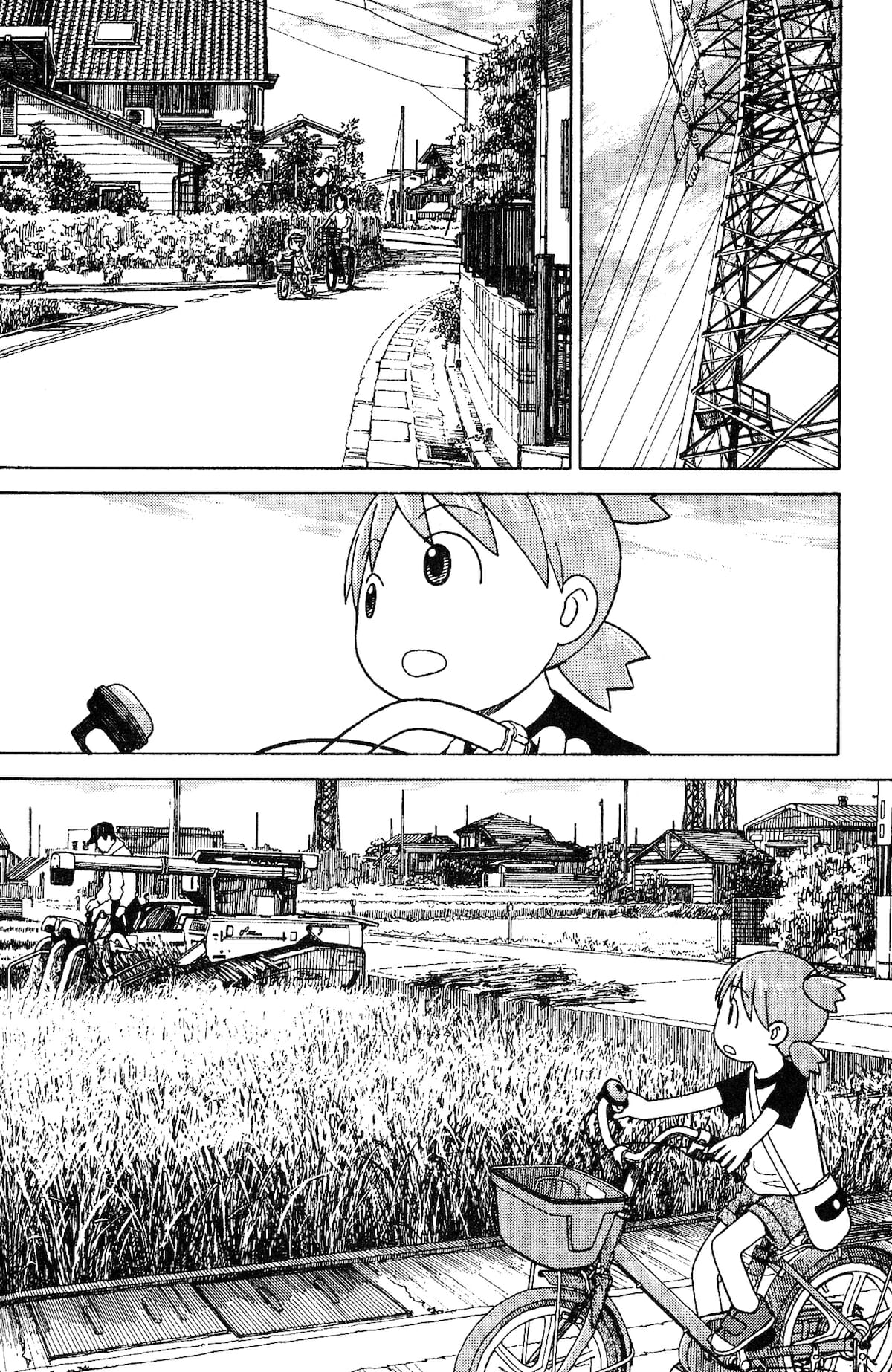
Yotsuba Panel
… But, hey, who has time for those worries!? To a child, the world is their oyster, and to Yotsuba, they’ll stay a child forever! Meet friends everywhere in the city and watch as she changes your view on topics you’d consider to be a part of your daily life–and makes them fun and memorable at the same time. This manga taught me that even something as simple as drinking orange juice could be so much more interesting if you take the time to notice the world through the lense of a child. Every chapter in the volume is titled “Yotsuba & __”, reflecting the creative title of the manga. Yotsuba’s name also directly translates to “four leaves”, which is evident from her four-leaf-clover-shaped hairstyle (she brings you luck!).
So… what now? Well, to that I’d say: “What are you waiting for?”. Yotsuba and her friends are waiting for you to join them on their voyage of discoveries!
So to everyone out there wondering what to read for their next comfort book that will most definitely cheer them up, Yotsuba&! and I will leave you with Yotsuba’s motto phrase: ‘いつでも今日が、いちばん楽しい日’, or in other words, ‘enjoy everything‘!
Ann G.
Yotsuba&! by Kiyohiko Azuma is available to check out from the Mission Viejo Library.
Makeup is Not (Just) Magic: a Manga Guide to Makeup and Skincare, written by Ikumi Rotta, is a delightful informational book.
Written in the style of a manga comic, Rotta, a former makeup consultant, teaches the reader how to up their makeup game. It is an enjoyable read for all people, regardless of makeup expertise. I would say that while it is geared more towards beginners, there is something for everybody in here.
Readers will enjoy learning many things about makeup and skincare, including how to find their skin type, how to use the different skincare products, and the four point method.
The tips in this book transform makeup from a daunting task to a creative outlet! This book truly has the best of both worlds, in both terms of instructional content and art. The author’s playful manga art gets the point across in style! I personally found this a very helpful read! It really helped me up my makeup game, especially in the areas I wasn’t as confident in. Who knew that you were meant to angle your eyelash curler that way? This book did!
In conclusion, if you are looking for a light and fun, yet informative read, consider picking up Makeup is Not (Just) Magic.
Bungo Stray Dogs, created by Kafka Asagiri and brought to life by the illustrations of Sango Harukawa, presents a bewitching narrative set against the backdrop of Yokohama. This anime film was released in March 2018. A third season aired between April and June 2019. A fourth season aired between January and March 2023. A fifth season aired from July to September 2023.
The story orbits around the Armed Detective Agency, a cadre of remarkable individuals endowed with extraordinary powers to unravel endless mysteries. At the forefront of it all is Atsushi Nakajima, leading the agency through a maze of mysteries and challenges, bravely facing each enigma and obstacle head-on.
The series contains elements of mystery, action, the supernatural, and even some humor interwoven seamlessly in a world where select individuals possess extraordinary abilities, known as “Gifted.”
As the tale unfolds, readers find themselves irresistibly drawn into a captivating world where every unexpected turn feels like a personal invitation to unravel the secrets alongside these characters. Choosing your favorite character is inevitable, like picking your favorite ice cream flavor. And let’s face it, there’s always that one character who’s not quite your cup of tea—a bit like that quirky neighbor you pretend to be busy when they knock on your door. Of course, my favorite characters are not my friends, so we fought over that sometimes. But it’s all in good fun.
The vivid streets of Yokohama pulse with life, mirroring the complexities of the individuals who roam its pathways. With each chapter, anticipation builds, urging readers to join the characters on their journey of discovery and adventure, where surprises lurk around every corner, just waiting to be uncovered.
A unique element of Bungo Stray Dogs is its incorporation of real-life literary figures as characters, such as Osamu Dazai and Ryunosuke Akutagawa, making the series stand out more. Harukawa’s artwork in the manga is gorgeous and a great inspiration for me as a student of anime art. The series excels in creating a storyline that keeps readers engaged, with each arc getting better each time. Whether you’re a mystery, action, or literature fan, Bungo Stray Dogs is a thrilling manga series full of surprises.
Just like many of my fellow anime lovers, I was utterly hooked on this series. Every Wednesday after school couldn’t come fast enough because that’s when my friends and I would huddle together to watch the latest episodes. It wasn’t just a show; it was our thing, our particular time to bond over something we all loved. We laughed, gasped, and shared in the excitement of each new plot twist. Those moments were some of the highlights of my week.
If you are new to anime and manga, the adventure begins in Bungo Stray Dogs. This series isn’t just another story; it’s like finding a treasure chest with mysteries waiting to be unraveled. When you think you’ve cracked the case, another one just as mysterious awaits you and beckons you deeper into its spellbinding narrative.
The great news is that Bungo Stray Dogs is available at the Mission Viejo Library. So grab your siblings, friends, or anyone who shares a love for anime and dive into the world of Bungo Stray Dogs. Trust me, it’s an experience you won’t regret. You’ll be satisfied whether you’re turning the book’s pages or watching the series.
The Witch and the Beast by Kousuke Satake is a manga series about a young woman named Guideau who is cursed by a witch, in which the curse suppresses her extreme power. Her partner, Ashaf, is a mage who is dedicated to helping her find the witch who cursed her. Additionally, they both work for the Order of Magical Resonance who solve the murders and crimes of dangerous witches and magical beasts.
I particularly love the art style and the time setting of the series. The series carries a strong gothic theme that plays a part in the manga covers, settings, and even the clothes each character wears. I also love how the side characters play such a large role in the plot, and how each arc goes into so much detail of each character. I especially love Phanora and Johan, and the small amount of chapters they’re in. Satake did an amazing job developing these characters, their personality, and their charismatic personas in a way that definitely captures the reader’s attention.
I would recommend this series to anyone who appreciates gothic, fantasy stories as well as manga as a whole. The scenes do become a bit gory, so if someone does not appreciate blood or injury, try to avoid this series! Overall, I think this an amazing series and it was recently adapted into a show with twelve or thirteen episodes, so please give that a watch as well if you are interested in the series.
Fifteen year old Edward Elric is a state alchemist, who uses alchemy for the good of his country. Although young, he has experienced much more than your average teen. At the age of 12, Edward and his brother, Alphonse, tried to bring back their deceased mother with a complex alchemy process called human transmutation. This is one of the biggest crimes against Alchemy. But the ritual fails, and the cost of trying to bring back a human is grave. Edward loses an arm and a leg, and Alphonse’s whole body is disabled. After finding the right mechanic and doctor, Alphonse inserts his soul into a hallow suit of armor (making him nearly invincible) and Edward replaces his limbs with prosthetics. In their time serving for the state, they discover that there is someone sacrificing thousands of lives to make a powerful object called a Philosopher’s Stone. It lets you create and destroy without needing any other source of energy. But beyond that, it also bring people back from the dead. Even with this discovery, Edward refuses to use a Philosopher’s Stone to help him. He and his brother make shocking discoveries on their quest to return to their original bodies, and they start to realize just how flawed the human race really is.
Fullmetal Alchemist is a dark story that dives deep into the nature of humans, revealing true intentions and then surfacing with brutal truths. A recurring statement in the series is the law of equivalent exchange, that explains that to receive, you must give something of equal or greater value. It’s shown when the Elrics break the law of attempting human transmutation, and for it they paid dearly. Edward had lost a lot, but in the end all of it gave him purpose to defeat the antagonist. I believe this is one of the morals of the series: To gain anything, you have to lose something first. Mistakes are just steps towards success.
The antagonist’s goal was to create the perfect being, seeing humanity as a lower, weaker form. Perfect beings may be able to make the best choice in situations, but what the antagonist underestimated was the sacrificial and relentless instinct of humans. The antagonist could not understand the way that people were driven by emotions like grief or anger, instead of deterred by them. Ultimately, that was his downfall. This is the second lesson I learned from the series. It presents that humanity is flawed, but those flaws are what pushes us to be better. Imperfection is perfect in it’s own way.
This manga is definitely one worth reading. Although it has some serious themes, it still has humorous moments and it’s easy to follow. Consider giving it a go!
-Ellie K, 7th Grade
Fullmetal Alchemist by Hiromu Arakawa is available to check out from the Mission Viejo Library.
A detailed and charming light novel written by Kana Akatsuki has gained the attention of many. Violet Evergarden is a slice of life light novel that surrounds a veteran from the Great War, Violet Evergarden. After recovering from her wounds, she witnesses many people’s feelings and thoughts as she transcribes them onto paper as an Auto Memory Doll. Her job as a Doll takes her on an adventure that leads to self-discovery, and the reshaping of her clients’ lives.
Kana Akatsuki beautifully crafted this book with many emotions and vivid moments that fill readers with many thoughts. I personally enjoyed both the anime and light novel. The animation and illustrations are amazing and it’s visually pleasing to one’s eyes. I also love the character development shown through Violet in her quest to find the meaning of emotions. The details used to describe her in the story gradually change to display her growth as a person as well. Viewers can see her shift from an emotionless soldier to a compassionate and kind young girl. These aspects of Akatsuki’s work always made it enjoyable to read.
This light novel is a good read for anyone who enjoys slice of life and romance books with a bit of adventure. I would also recommend this to those who love gorgeous art and tear jerking plots. If anyone is looking for a good romance novel to read, I would definitely recommend Violet Evergarden.






![US] Erased (2016) - Satoru is sent 18 years into the past to prevent his mothers murder. By becoming friends with his shy classmate Kayo, Satoru hopes he can stop a series](https://external-preview.redd.it/BWdAJeQPHjEXKae8Ame6ERf7J7BAtBaOwJtd75zd1-U.jpg?auto=webp&s=75b51885ffb4163e9691e2e54ac45fa88bbda55d)






 Mission Viejo Library Teen Voice