Much Ado About Nothing is one of William Shakespeare’s most popular comedies. Interestingly, this story is the origin of the enemies-to-lovers archetype we see in all kinds of films and books. This tale explores many themes like epistemology, sexism, classism, honor, and reputation. Set in Messina, a Sicilian city, during the 1500s, Much Ado About Nothing tells the tale of two couples
Hero and Claudio: The stereotypical couple of their time. The ultra-masculine man and the honorable, demure young lady. What started as a fairy tale, picture-perfect romance quickly becomes heartbreaking for both. These characters were portrayed as almost entirely good, and it was the evil and deception of others that drove them apart.
Benedick and Beatrice: A more modern love story and a transition from enemies to lovers. A loud, outspoken, and opinionated woman with no interest in love, and a witty young man who does not believe in romance. These characters were portrayed as more realistic archetypes, not quite anti-heroes but not as perfectly pure as Hero and Claudio. It took deception from “better” characters like Hero and Claudio to bring them together.
Overall, this was an amazing read and proof of how Shakespeare’s stories stood the test of time. I highly recommend it for fans of romance stories, but also if you are trying to get into Shakespeare. This play is not as emotionally traumatizing as something like Titus Andronicus. But it would provide a reading challenge along with a pleasant story.
The Hundred Dresses is a short novel by Eleanor Estes. This book won a Newbery Honor award in 1945. This book relates the experiences of Maddie, along with her friend Peggy, and a girl named Wanda. Wanda has only been seen wearing the same faded blue dress every day, even though she claims to have a hundred dresses “all lined up” in her closet. Peggy does not believe this at all, so she makes fun of Wanda every day at school. Maddie knows this is wrong, but she does not stop Peggy for fear of losing her friendship. Peggy teases Wanda on a daily basis, while Maddie just stays silent. Even though she does not say anything, Maddie feels guilty for lacking the courage to defend Wanda.
One day, Maddie and Peggy are in class when the teacher makes an announcement. Wanda’s father had sent a letter to the school informing them that Wanda would not attend their school anymore, because of the teasing she had received. This gives Maddie a sick feeling in her stomach. She knows that she should have tried to defend Wanda. Peggy seems to be affected as well. Later that day, Maddie and Peggy decide to go visit Wanda.
I have always enjoyed Eleanor Estes’ novels, and this book is no exception. In fact, I consider this to be her best novel. Despite its short length, this book conveys many emotions. It seems light-hearted and melancholy at the same time. However, my favorite thing about this book is the story behind it. When Eleanor Estes was in elementary school, she had a classmate who was constantly teased because of her unusual Polish name. After a short while, in the middle of the school year, the Polish girl moved away before Estes had a chance to apologize. Years later, Estes wrote The Hundred Dresses as her way of saying that she was sorry.
After learning about this background story, it greatly enhanced my appreciation for this book. I really appreciate the lessons taught by this book about compassion and forgiveness. Even though this is such a short book it conveys a sweet but powerful message. I would recommend it to everyone.
A couple of weeks ago, one of my youth group leaders talked about the book Gregor the Overlander. Since it is summer, I’ve been trying to find new books (and book series) to read. So, I decided to embark on Suzanne Collins’ series, TheUnderland Chronicles. This series starts with Gregor the Overlander.
Spoilers Ahead!
The book begins by introducing the main character, Gregor, an 11-year-old boy who lives in New York City with his mother and two sisters (Lizzie and Boots). Two years ago, Gregor’s father mysteriously disappeared without any word or trace. Most people believe that his father is an absentee; however, Gregor knows that his father will never leave his family. Because Gregor’s father is gone, he takes on many other roles, such as caring for his two-year-old sister, Margaret (fondly called Boots).
One day, Gregor evades his nosey neighbor by going to the laundry room to clean some clothes. He takes Boots with him so she can get out of the apartment. After dumping the clothes into the washer, Gregor discovers Boots has disappeared. He panics but then sees an open grate where Boots has fallen into. Gregor quickly climbs into the grate and falls. Little does he know that the open grate is a portal to the Underland, a mystical world.
After falling down the grate, Gregor is immediately abducted by life-sized centipedes. It is at this moment that he realizes this land is magical. Luckily, the centipedes (aka crawlers) are not evil and bring him to Regalia, the city where Underland humans live.
Gregor first meets Luxa, the 11-year-old who is to be crowned Queen. Her grandfather, Vikus, guides Gregor and his sister to the palace, where they will be kept. Later in the day, Gregor attempts to escape Regalia and go home. However, he is almost killed by the giant rats guarding the exit (the rats and humans are rivals). Fortunately, some humans (including Luxa, Vikus, and her cousin Henry) save Gregor and his sister from the rodents.
When the siblings return to the palace, Gregor finds he is entwined to a prophecy called “The Prophecy of Gray.” Through this prophecy, Gregor is supposed to save the humans of Regalia, who are endangered by their enemies, the rats. At first, Gregor refuses to go on the quest to fulfill the prophecy. But he learns that his father was captured by the evil rats. So, he decides to undertake the perilous prophecy.
The book continues with Gregor, Boots, Luxa, Henry, two crawlers, two spiders, and a peaceful rat going on the quest and eventually fulfilling the prophecy. Ultimately, Gregor and Boots reunite with their father and return home.
My Rating: 8.9/10
At first, I had doubts about this book since it was written for a younger audience. However, after reading this book, I can say it was worth the read. Suzanne Collins made the plot entertaining to read. Each page was full of fun twists and turns and made me anticipate each outcome of the prophecy. I didn’t expect the book’s ending, which pleasantly surprised me. Overall, this book was fantastic, and I highly recommend it to all age groups.
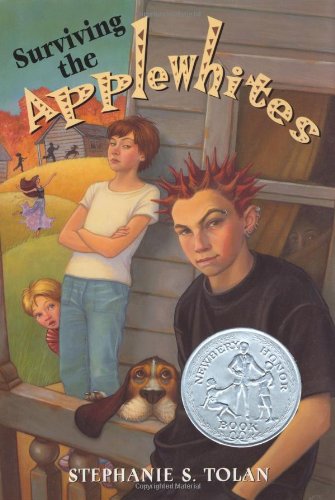
Surviving the Applewhites, by Stephanie S. Tolan, is about a troubled teenager named Jake Semple. Jake has a spiky red haircut and a reputation for getting kicked out of schools. He even burned down the last school he attended. Both of his parents are in jail, so Jake is sent off to live with the Applewhite family. The Applewhites run a homeschooling program, and they are very eccentric and unorthodox in their teaching methods. Most members of the family are immersed in some kind of artistic or creative endeavor. They tend to be very spontaneous and difficult to work with, and they enforce many rules that make it difficult for Jake to adjust to their lifestyle.
However, Jake begins to get along with one member of the family named E.D. Applewhite. E.D. is an intelligent and practical girl who does not have the same artistic preferences of her family members. She prefers structure and organization, so she does not fit in with the unstructured and impulsive nature of her family. As Jake and E.D. realize that they both struggle to get along with the family, the two of them begin to develop a friendship as they help each other to survive in the midst of all the chaos.
I think that the author does a great job of creating a cast of realistic and distinct characters that make this story very interesting and compelling. The internal struggles experienced by Jake and E.D. are very relatable for most people and their personal growth and ability to overcome trials over the course of the story is actually quite inspiring. This book teaches about the importance of discovering individual gifts and talents. It also shows the value of a home that nurtures education, and that sometimes unexpected people can help us to become our best selves. This book is also quite entertaining and humorous, making it very meaningful and enjoyable at the same time. I am homeschooled myself so I enjoyed this portrayal of a homeschooling family. This book definitely deserves its Newbery Honor award and I would highly recommend it to everyone.
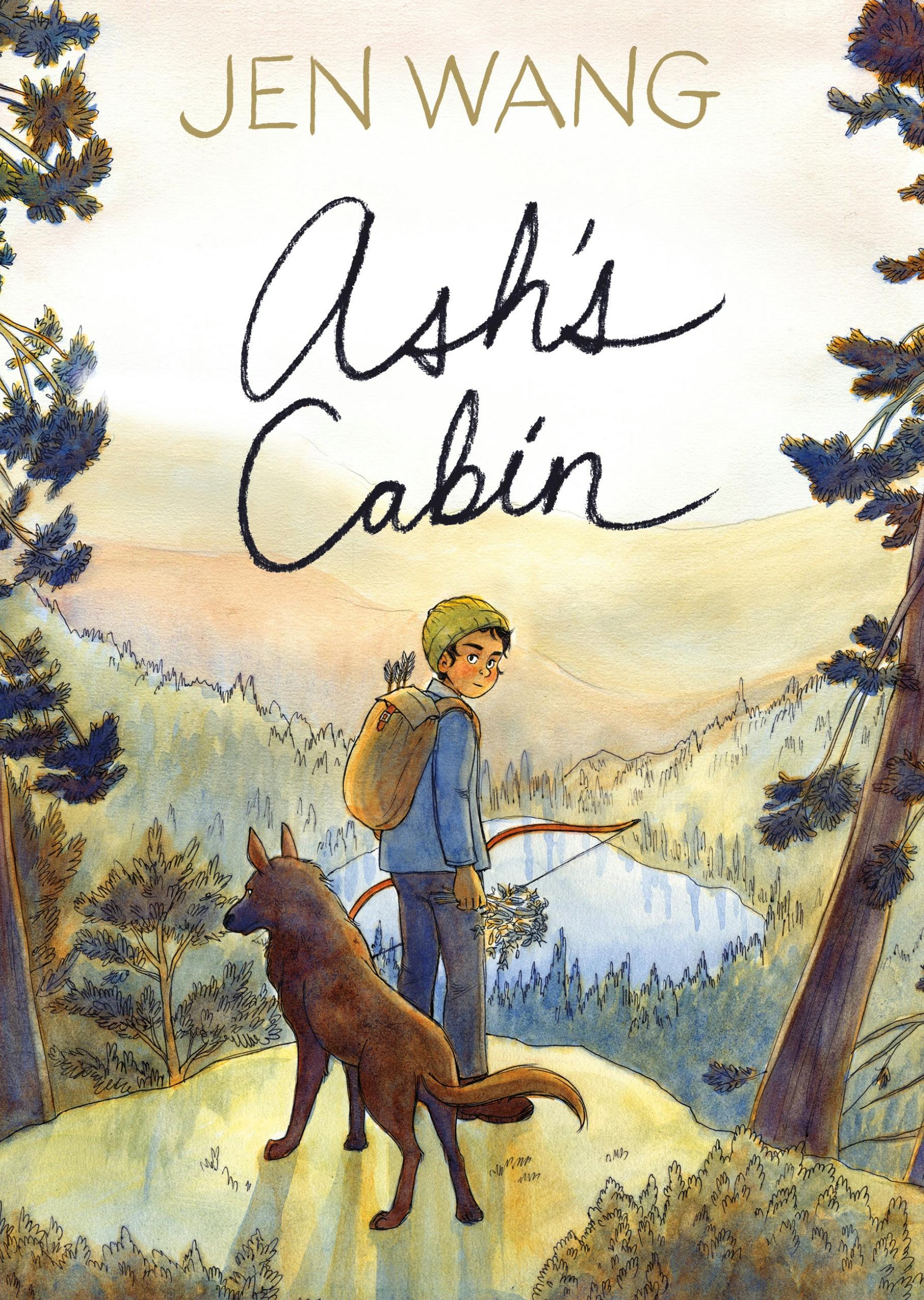
Ash´s Cabin, is a young adult graphic novel by Jen Wang, that follows the life of a teenager who flees to find isolation and independence away from home, after feeling that they feel misinterpreted and ignored by at home and at school. They learn to survive in the wilderness, and understand what it means to be alone.
When I started reading this book I could not remove my grasp from it at all, I finished this book in about just 30 minutes because I was so into it. I would say the illustrations of the book caught my eye the most, they are beautifully drawn with accuracy and detail that really elevate the written portion of the story into a better understanding overall. Reading this book, allows readers to understand the difficulty of growing up especially as a teenager, the transition from childhood to adulthood can be extremely challenging at times. A theme commonly shown and depicted throughout this novel is self-discovery, when Ash is alone at a cabin in the middle of the woods, they grow to become much more mature and independent as a teenager, understanding that it is difficult to live without people around you.
Overall, I would really recommend this book to anyone, especially teenagers as it teaches a lesson of the difficulty of this age in your life. I am looking forward to reading more of Jen Wang´s books, as the illustrations are really magnificent with much detail incorporated into it. Ash´s Cabin is currently available to checkout from the Mission Viejo Library today!
My Father’s Dragon is a short novel by Ruth Stiles Gannett. This book won a Newbery Honor award in 1949. The story is about the narrator’s father, Elmer Elevator, when he was a young boy. Elmer is talking to a stray cat one day when he mentions that he has always wanted to be able to fly wherever he wants. Upon hearing this, the cat tells Elmer about a young dragon who is being held captive at Wild Island. According to the cat, the dragon is forced to carry passengers across a long river. The dragon is cruelly beaten by his captors whenever he complains. Elmer realizes that if he were to rescue the dragon, his dream of flying would come true. He starts packing immediately and sets off on a perilous quest to find and rescue the dragon.
This book is thoroughly enjoyable and satisfying, despite its short length. I found it very easy read and understand, and Ruth Chrisman Gannett’s illustrations are extremely charming and well-done. The story is action-packed and moves at a very fast pace. At times it even felt a bit rushed and overly simplistic, to be honest. However, I can understand how this would be appealing to a young reader, and this book is certainly deserving of the Newbery award. I was entertained by this book and I think it is highly creative and imaginative. Older readers may not find this book appealing, but I would definitely recommend it to young readers and to anyone who enjoys children’s books.
So, The Great Gatsby has been sitting in second place on the Top 100 Classic Literature List that all Americans should read, and honestly, there’s a good reason for that. Like Hemingway and other writers of the time, Fitzgerald set his novel in the 1920s—the Jazz Age—where life was all about wild parties, fast money, and a whole lot of disillusionment (also corruption). Basically, it’s The Sun Also Rises but with fancy mansions, bootleg liquor, and a little less bullfighting.
At the center of it all is Jay Gatsby, a self-made millionaire who throws insane parties every weekend, but really, he’s just trying to impress one person: Daisy Buchanan, the love of his life who didn’t wait for him after he came back from the war. The catch? Daisy is already married to Tom Buchanan, an old-money, arrogant guy who has his own side affairs (with Myrtle) and zero remorse. Gatsby, being the hopeless romantic (or maybe just delusional), believes that if he can show Daisy how rich and successful he’s become, she’ll drop everything and run back to him. Spoiler alert: it doesn’t work and he gets killed for his endeavors.
Our narrator, Nick Carraway, moves next door to Gatsby’s mansion and ends up getting sucked into this mess. He watches as Gatsby puts everything on the line for a dream that’s just not realistic, while Tom and Daisy, the ultimate privileged duo, wreck people’s lives and walk away without a scratch. It’s frustrating, but that’s the point.
Gatsby does everything “right” (or at least he thinks he does), but in the end, corrupt money and status can’t fix what’s broken. New money just can’t beat old money I guess. And let’s be real, people are still out here thinking that wealth equals happiness. Fitzgerald was ahead of his time.
Also, can we talk about the writing? Fitzgerald’s style is pure poetry. The green light at the end of Daisy’s dock? A symbol of Gatsby’s unreachable dream. The valley of ashes? A wasteland where all the people society chews up and spits out end up. The whole book feels like a beautiful tragedy wrapped in some of the best prose ever written.
The Great Gatsby by F. Scott Fitzgerald is available to check out from the Mission Viejo Library. It is also available to download for free from Libby.
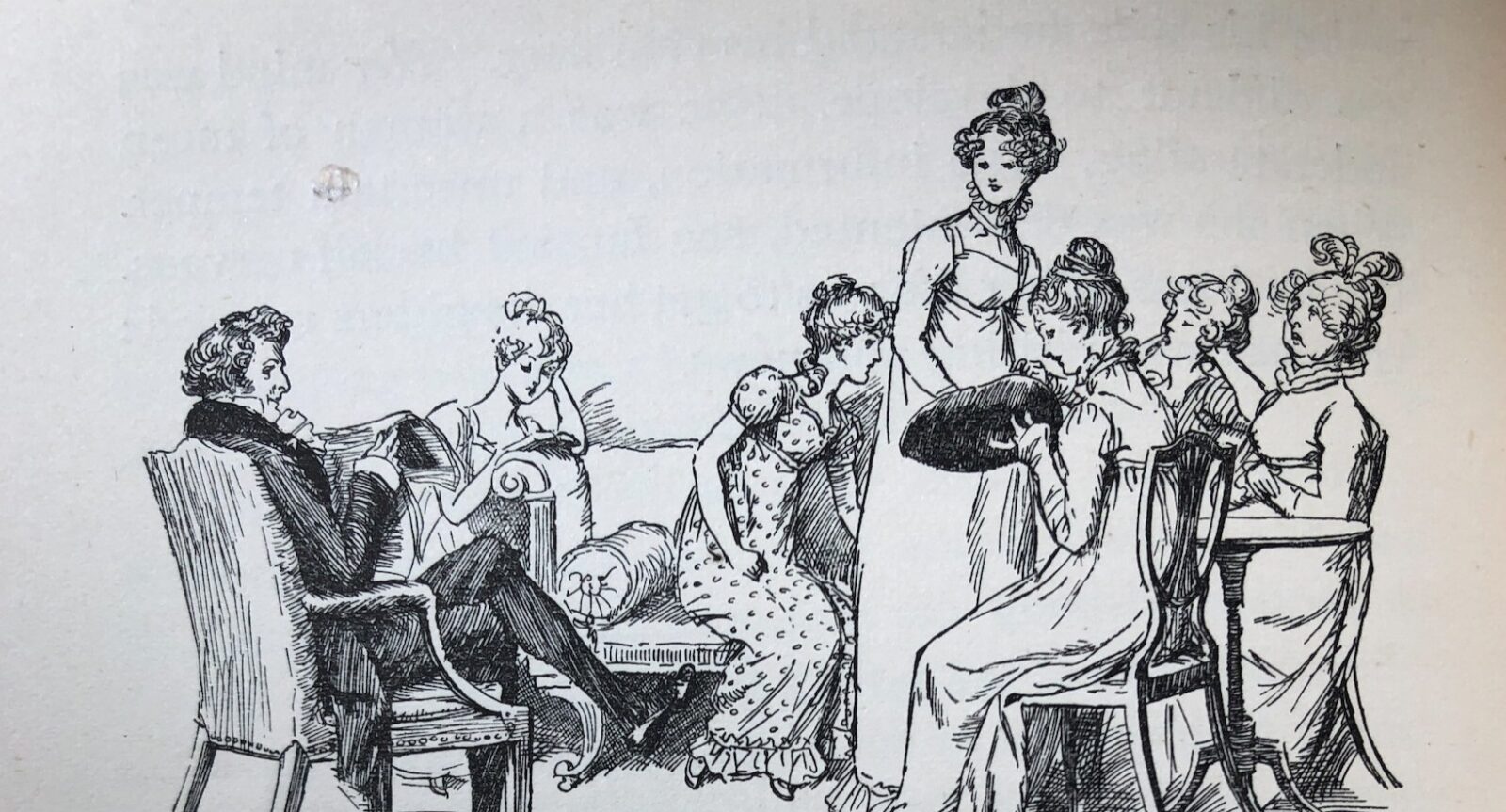
This semester, my English class read a classic British Literature novel called Pride and Prejudice. Jane Austen wrote this book during the 18th century, which was at the tail end of the Enlightenment. In Austen’s novel, she commonly critiques the status of women, social classes, and marriage through the life of the Bennet family, particularly Lizzie and Jane Bennet.
During this time period, the role of women was primarily domestic, and their main purpose was to keep the home. Meaning, that it was essential to be married as a young woman to be a part of society. The Bennet family consists of 7 people; Mr./Mrs. Bennet, Jane (22), Lizzie (20), Mary, Catherine, and Lydia. Since there are no sons in the family, the Bennets have to marry off their daughters.
The book starts off with Mrs. Bennet anouncing that a rich young man named Mr. Bingley has moved to the town that the Bennet family lives in. This is exciting because it provides an opportunity for one of the Bennet girls to be married. In addition to Mr. Bingley moving to his estate called Netherfield, his close friend Mr. Darcy moves along with Bingley’s two sisters.
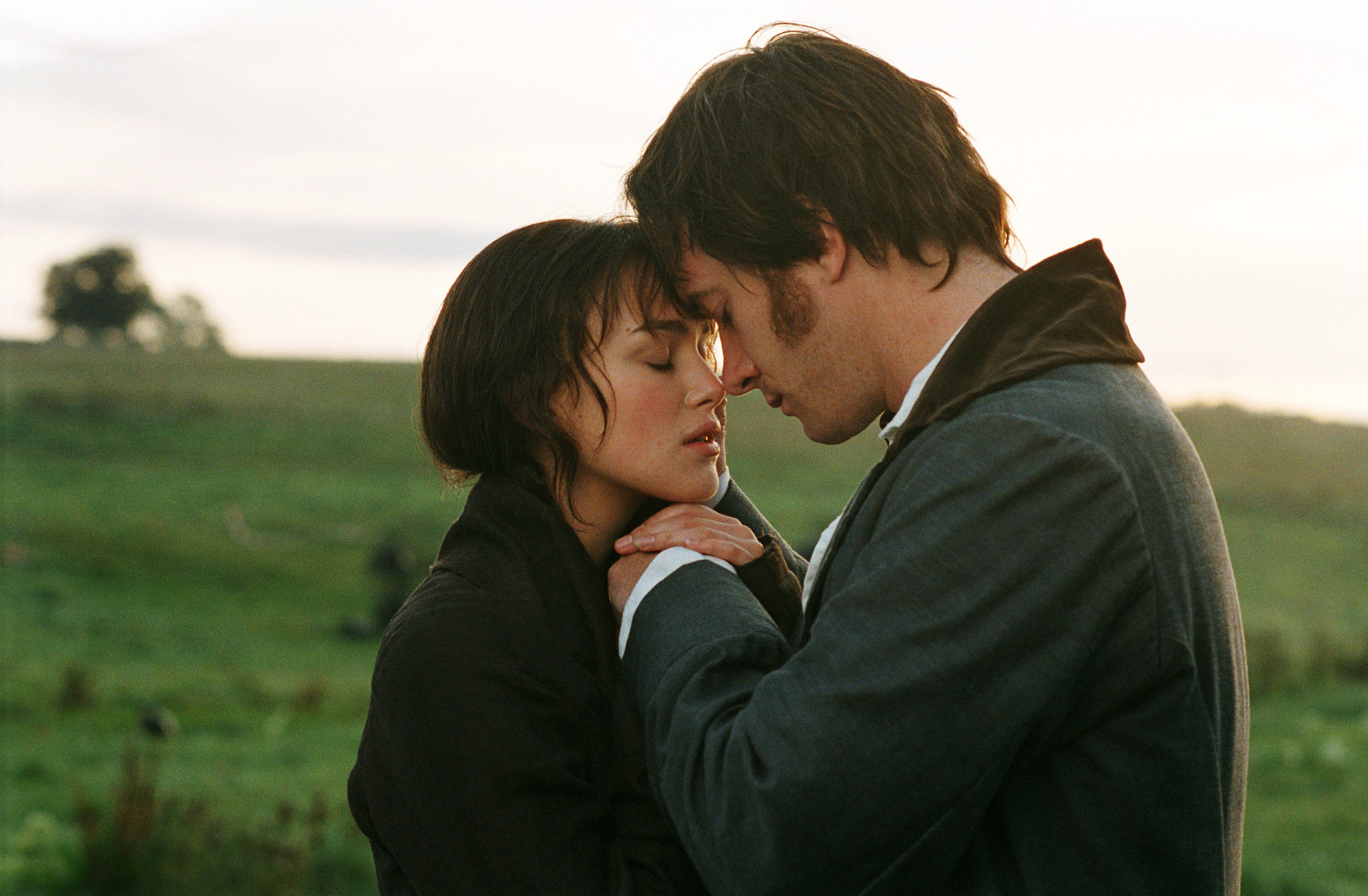
A couple of days after Mr. Bingley moves, the upperclassmen of Merrytown attend a ball. Jane immediately catches the interest of Mr. Bingley, whom everyone admires. However, Mr. Darcy is immediately disliked by everyone–especially Lizzie. After the ball, Jane and Bingley become closer, and it looks as if she is going to be proposed to soon. Mr. Darcy also slight interest in Lizzie, who does not notice due to her feelings of pride and prejudice. The situation of Bingley proposing to Jane does not last, and the Bingleys and Darcy leave Merrytown.
Meanwhile, the Bennet family is visited by Mr. Collins, who will inherit the Bennet’s estate and fortune once Mr. Bennet passes away. Mr. Collins proposes to Lizzie, who rejects him due to numerous reasons. Mrs. Bennet is furious, seeing that the chance of marrying one of her daughters is taken away. Numerous events happen (it would be too much to summarize), but in the end, Lizzie gets over her feelings of prejudice against Darcy and they get married. Jane and Bingley also get married. The story concludes with a satisfying and happy ending.
Personally, I loved this book and found it to be entertaining to read. The hardest part about reading this classic was keeping track of all of the characters because there are many. Despite this, I found Pride and Prejudice humorous. The multiple plot twists helped to make this novel enjoyable to read. Another aspect of this book that I enjoyed was learning about the 18th century; I feel that this book is a good representation of what life was like back then. Overall, this was an excellent novel to read, and I would recommend it to those who want to get out of their comfort zone.
Pride and Prejudice by Jane Austen is available to check out from the Mission Viejo Library. It is also available to download for free from Libby.
Warriors: Midnight (The New Prophesy) is part of many series of cats roaming in the forest. It is a fun book full of suspense and mystery, and I overall enjoyed it.
Divided into four clans of warrior cats, each clan has leaders, rules, and jobs each cat must accomplish. There is a fifth clan of cats though, whose name is StarClan. They are the warriors who have died, and give special messages to the Clans, warning them about upcoming dangers and helping guide them through rough times. When StarClan sends a message to Brambleclaw and three other cats from different clans to head to the sun-drown place, they realize it is urgent. The four cats (plus two extra who decide to come along) must unite, and face many dangers, tests, and problems that make the young cats stumble. Meanwhile, back at the clans, everyone goes crazy about the warriors’ disappearance. An ominous message sent by StarClan warns the cats there is danger ahead, stressing them even more.
I really enjoyed this book, it had a fun aspect to it while still involving captivating challenges and mysteries. I have read all six books from the previous series, and I was a little disappointed that this book did not quite meet my expectations. I was expecting more action in certain parts of the book, especially after the previous series. The beginning and end were great, I just felt the middle could have used more action. Overall, I thought it was a good book, and I’m excited to keep reading to see how the story finishes.
Warriors (The New Prophecy) Midnight by Erin Hunter is available to check out from the Mission Viejo Library.
The Summer Hikaru Died(August 31 – Present) is a horror coming-of-age shounen manga that recently announced its highly anticipated anime adaptation, set to premiere this summer. What better way to celebrate this exciting news than with a manga review?
In my opinion, The Summer Hikaru Died is the golden definition of a gem. It has a stable fanbase and is popular with much critical acclaim, but definitely not enough for it to be considered mainstream. It’s hauntingly beautiful—familiar, yet slightly out of tune, creating an uncanny sense of distance between you and the characters, the strange, mysterious countryside, and the constantly buzzing cicadas…
Set in a small town in rural Japan, the series explores the slice-of-life of two childhood friends: Yoshiki and Hikaru. The two have maintained a close bond over the years despite their contrasting personalities, Yoshiki being reserved and quite paranoid, while Hikaru is an outgoing airhead who is well-liked by everyone in town. Yoshiki has also had a one-sided crush on Hikaru for a long time. However, one winter day, Hikaru inexplicably decides to hike up a nearby mountain, resulting in a nearly fatal injury and him going missing for a whole week. Yoshiki was the one to find him passed out in the mountains, luckily still breathing. The unconscious Hikaru was taken back to town to rest.
However, stranger than Hikaru’s seemingly random decision to go up the mountain is the fact that, after waking up and fully recovering, he has no memory of why he went there— or of what happened on the mountain at all. This incident is quickly brushed off as the two return to their normal lives.
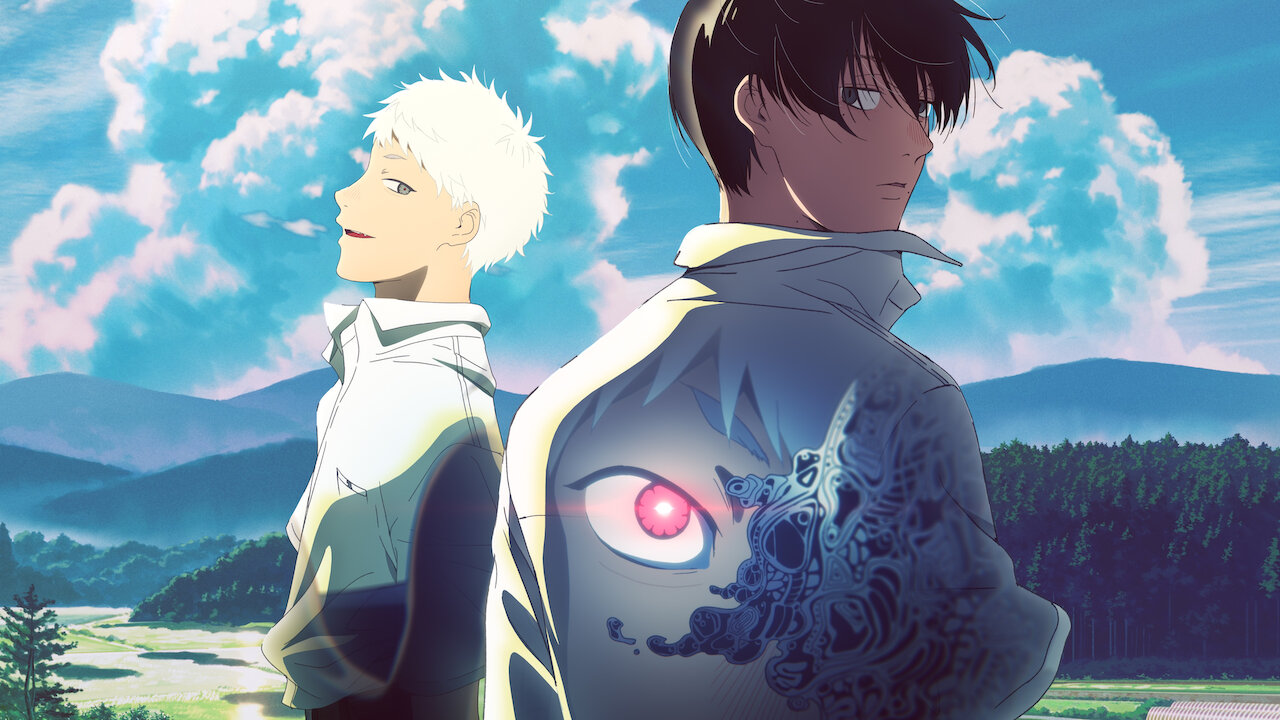
anime adaptation cover art
Six months have passed since the strange incident. Now, in the middle of summer, the two friends are on their usual ice cream run. The air is thick with humidity, the cicada buzzing relentlessly, and their playful exchanges as ordinary as ever. In the middle of their conversation, Yoshiki suddenly brings up the incident again. Hikaru, as always, denies any recollection of it. Then, Yoshiki asks a simple yet heart-stopping question, the world around them falling into an eerie silence.
“You’re not Hikaru, are you?”
The Summer Hikaru Died, Volume 1
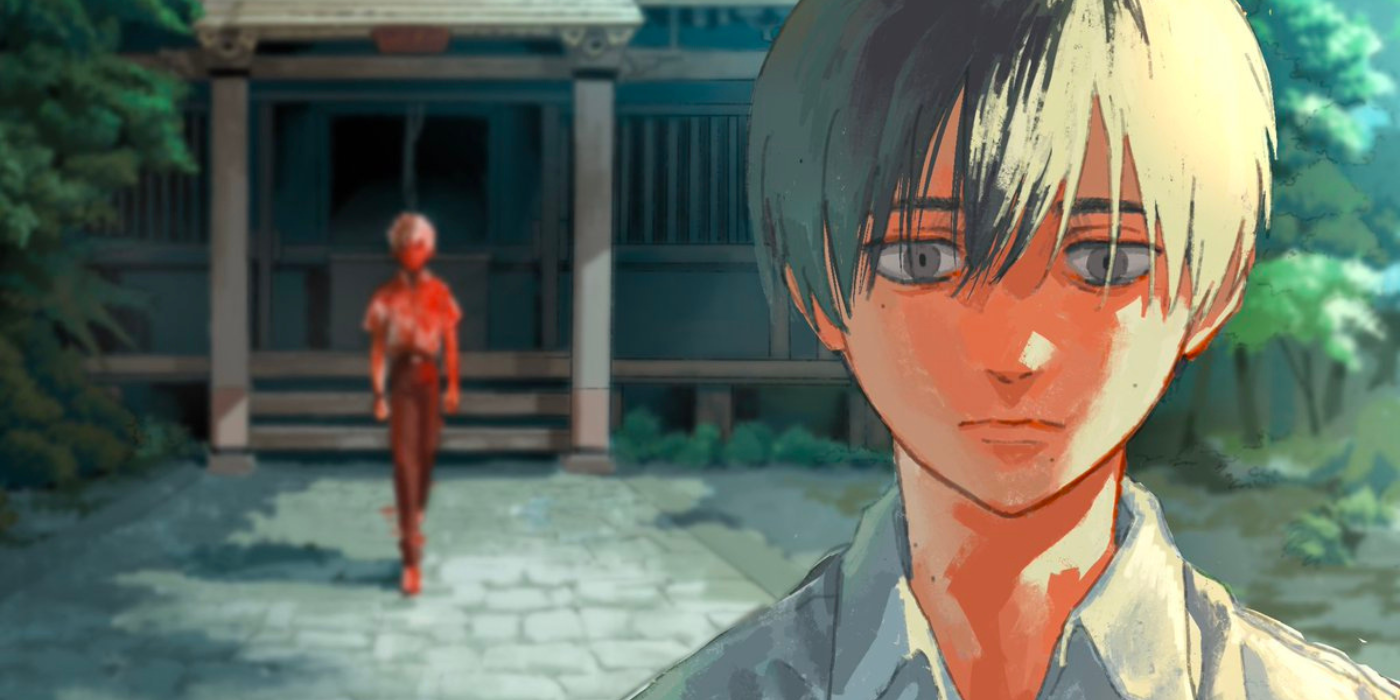
The Truth: Upon entering the mountains and getting injured, Hikaru’s dying body caught the attention of an |||||||||||||||||||| creature, an entity that is uncomprehensible to the human mind. Wanting to experience being human, the entity possesses Hikaru with consent, consuming his mind, memories, and feelings to the point of physically ‘being’ Hikaru, yet remaining the consciousness of the separate being at the same time. Hikaru is definitely dead. ‘Hikaru’ decided to make use of the death and use Hikaru’s physical body and mental psyche.
Alien or monster? Friend or foe? What will Yoshiki do when his friend, his crush, sitting right in front of him, actually turns out to be… ‘Hikaru’?
I absolutely adore this manga series. Coming from a scaredy-cat who can’t watch one second of any horror film, I believe that The Summer Hikaru Died has the perfect amount of uncanniness and terror for any reader to fall deeper into its spell. I especially love the unconventional themes (when put into this context) that are essential to the plot: grief, acceptance, trust, and most importantly, how anyone would characterize others as them themselves. Does Hikaru being technically dead mean Yoshiki should see ‘Hikaru’ as something (?) entirely different? What lengths does it take for love to be broken or trust to be gained? Is an entity’s desire to simply live for the first time justified? There is also a great sense of mystery revolving around Hikaru’s past actions and the buried truths of the town, which Yoshiki and ‘Hikaru’ are now on the path to uncovering.
I’d also have to add my comments about the characters and the pacing. Pacing-wise, I genuinely think it is perfect. I love my books and manga to be on the slower side, so this series did a great job of slowing down the atmosphere without making pauses feel forced. I also love how the characters themselves are like tweaked versions of standard character archetypes, or rather, how character archetypes would react in the context of this plot. The characters become nonarchetypal in this sense.
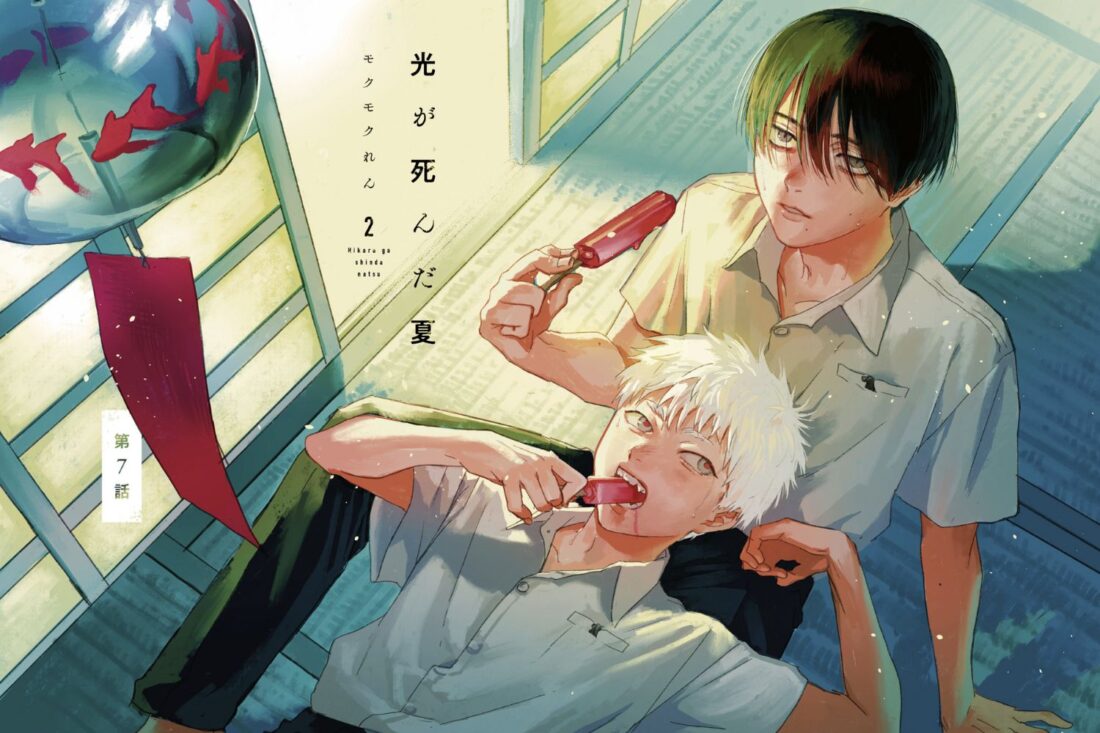
official art
It’s worth mentioning how usually, mangas in this style would be highly character-driven without much plot support. In The Summer Hikaru Died, however, both the characters and plot depend on each other to create this haunting story, making them both equally essential. When I cried as I was reading, I could not tell whether I was crying because of the plot or for the characters, which is great because it means the readers can feel the depth of the storytelling.
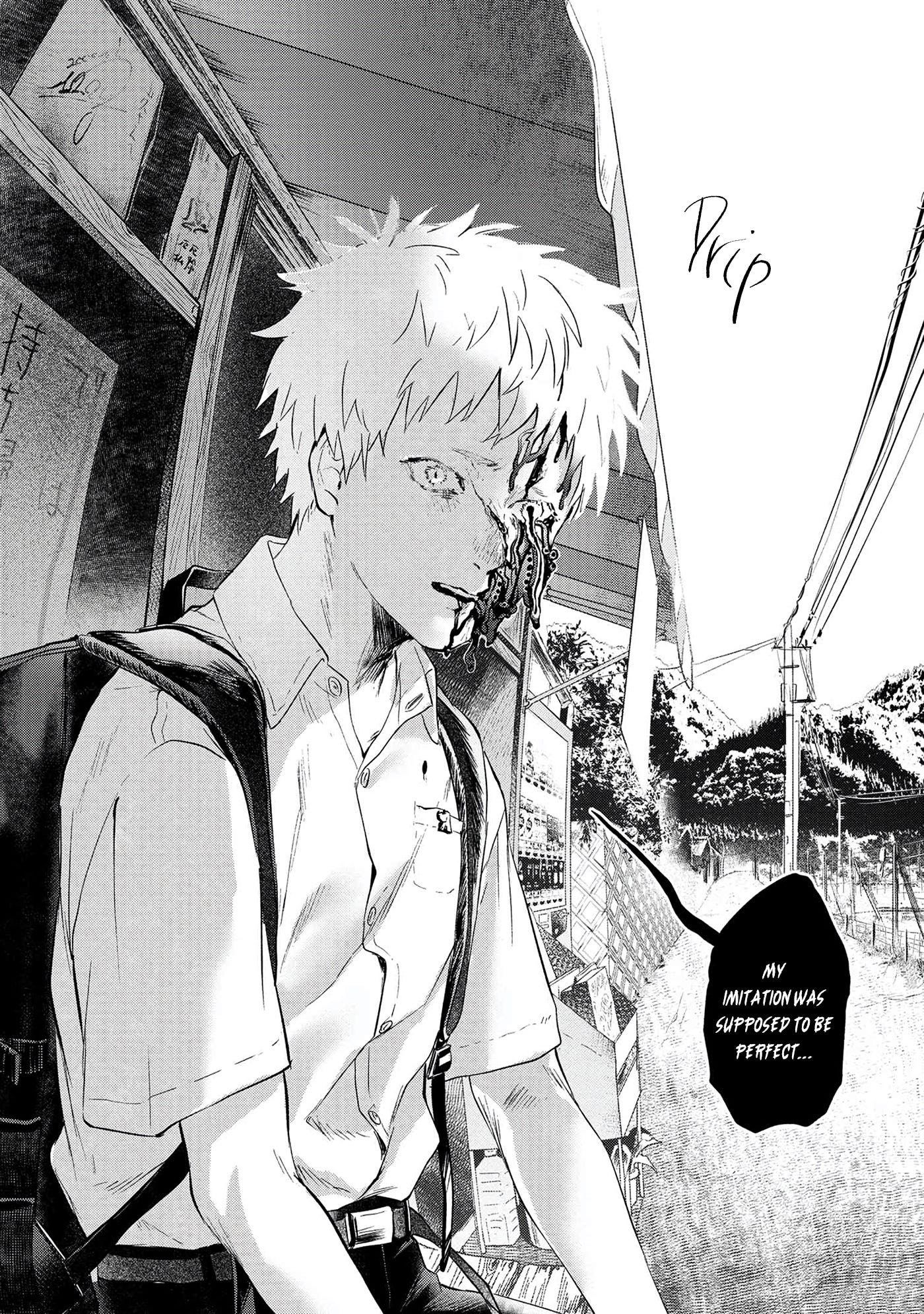
Personally, I am very squeamish and get disgusted easily, which made certain scenes in this manga a bit disturbing. However, it quickly became clear that even though I was put off by the body dysmorphia and blood, I was also intrigued to read more at the same time. If you’re like me, I’d suggest searching up some panels of the manga just so you can judge the disturbance level for yourself. I’ll put it out right now that the worst it gets is entity body dysmorphia and blood, so technically not that bad, but still, read at your own risk!
I also want to point out a common misconception people have about this series. The Summer Hikaru Died is not, I repeat, is not, a Boys Love (BL) manga series. Specifically, the series is listed under Seinen horror manga. The author, Mokumokuren (gender not publicly disclosed), has clearly stated in the past that they never intended for the series to be BL, but rather a horror manga with queer representation.
All in all, proceed with caution! And for those who finish reading this review thinking ‘whoever reads this must be out of their crazy mind’, I want to say that there’s never a book/manga not worth trying. I always push myself to try genres that I normally would not like, and boy am I glad I do, because if I didn’t, I wouldn’t have picked up this beautiful series in the first place.
As summer approaches, I’ll definitely be rereading this with a slice of watermelon in hand, sprawled out on the ground, wondering what might be out there, waiting, quietly, quietly, quietly….











 Mission Viejo Library Teen Voice