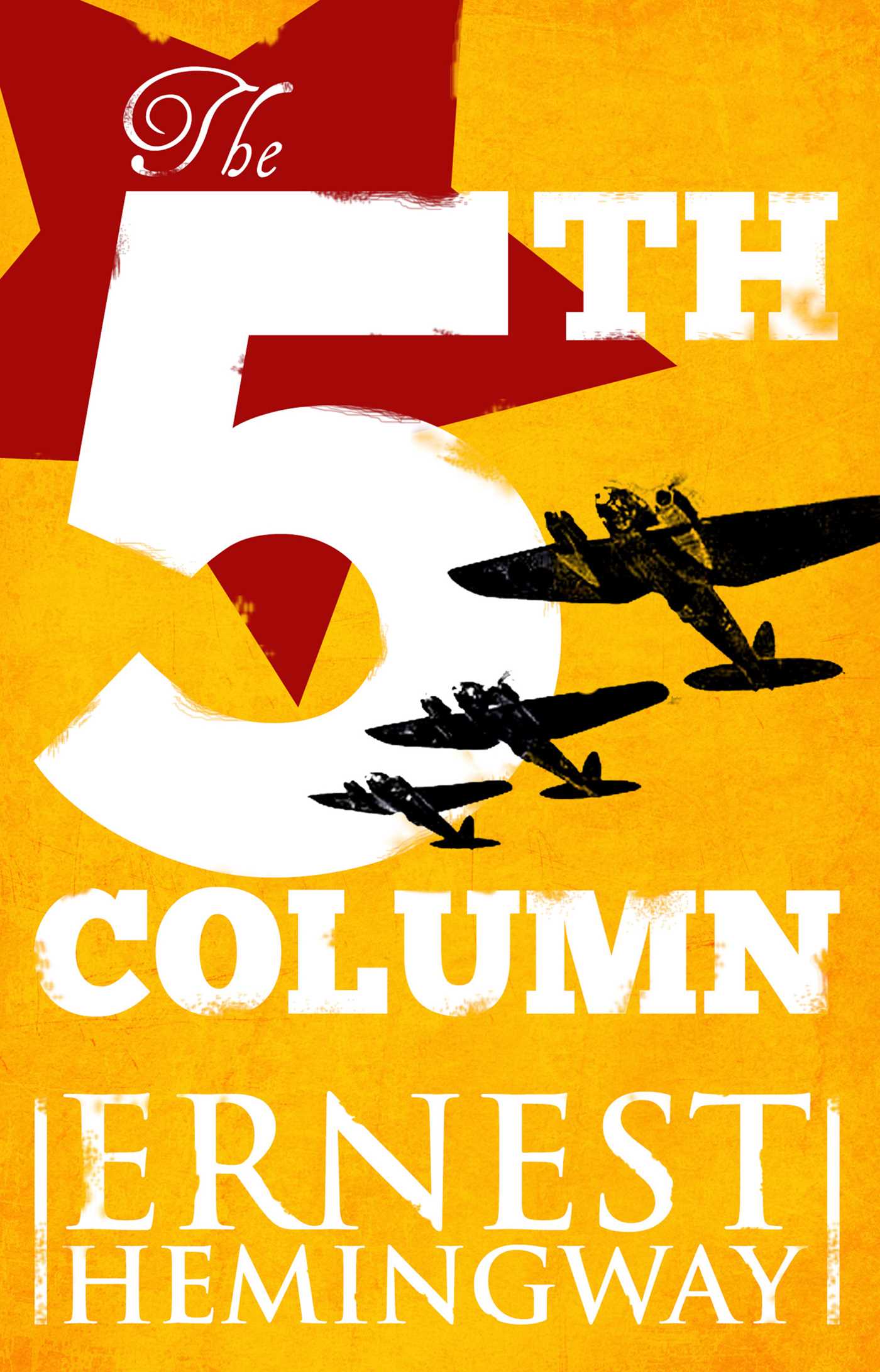
The Fifth Column by Ernest Hemingway

Fifth Column eBook by Ernest Hemingway | Official Publisher Page ...

The Fifth Column is a play by American writer Ernest Hemingway, first published in 1938. The play tells the story of Philip Rawlings, an active, attentive warrior at night, though ostensibly a bystander with no connection to Spain. This play is the only one that Hemingway wrote in his whole life and has a strong autobiographical character. Rawlings, the hero, was based on Hemingway. The Fifth Column is a three-act play depicting the Republican government in Madrid besieged by Franco rebels during the Spanish Civil War. An American, Philip Rawlings, and a German, Max, sent by the Republican government security service to spy bravely on the rebels, capture an important prisoner, and then let him escape.

Many fifth column members were subsequently captured. Under severe torture, they confessed their accomplices, and three hundred others were arrested. Rawlings and his assistant Max eventually break up the rebel spy ring in Madrid’s fifth column. In time of peace, everyone’s life is equal, and no one can deprive another person of the right to live. But when the smoke of war is in the air, it is easy to form a disorderly ethical environment. Especially when the unjust party temporarily wins, they do not care about ethics at all, but enjoy the privileges brought by the victory of war and indulge their desires to do whatever they want.

The evil side of human nature is concentrated. Hemingway’s writing has a special style, that is, colloquialism. It is in these seemingly plain colloquialisms in his novels that the atmosphere of the story is profoundly delineated, as is also the case in The Fifth Column, where the story appears to be simple, but the ups and downs of the characters are clearly revealed in the spoken language. The play focuses on Philip’s love affair with Dorothy, the daughter of a middle-class American, who is vain and incompetent. In the end, Philip gave her up for his political convictions in favour of a grisly Moorish woman. From Dorothy’s characterization, it is clear that Hemingway has begun to use the rich but insatiable American female as a symbol of a hostile class in The Fifth Column.

-Coreen C.
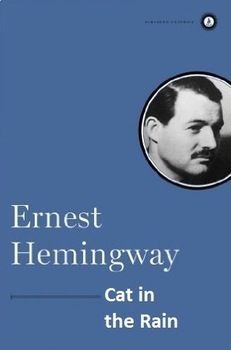
Cat in the Rain by Ernest Hemingway

Cat in the Rain - Ernest Hemingway - listen online for free

One rainy day an American couple visiting Italy stayed in their hotel. The husband was reading in bed and the wife was standing by the window looking out at the view when she came across a cat crouched under a dripping green table. In a spirit of compassion, the wife decided to carry the cat back to her room in the rain. But when she got down, the cat was nowhere to be seen. The wife returned to her room in great disappointment. A maid was standing at the door with a large tortoise-shell cat, which the landlord had given to her wife.

The novel comes to a screeching halt, leaving the reader with plenty of room for imagination. Cat in the Rain is one of the few short stories that reflect female consciousness. In this novel, the heroine does not have a name, but the author gives her different titles in different situations. This paper analyzes the desire and awakening of the female subject consciousness of the hostess princess in the patriarchal society from the perspective of appellation. It embodies Hemingway’s simple narrative style and implicit stylistic characteristics.

The novel was written in the early 1920s, when the status of women in the United States was undergoing great changes. The new women redefined their roles in the family and society. They demanded to be equal to men and no longer played the roles played by traditional women who were sheltered and subordinate to men. In fact, the new women are more like men, looking and acting like tomboys: they wear short hair, short skirts, play golf, drive cars, smoke, and drink like men. They are open-minded, enthusiastic and pursue fun. Cat in the Rain fully reflects Hemingway’s profound thinking on the status of women in the family and society under the background of that time.

Cat in the Rain is one of Hemingway’s few works with a female protagonist. In this novel, Hemingway delicately described their inner desires, anguish, needs, words, and deeds from the perspective of women, conveying the subordination of women in the patriarchal society and their strong desire to change the situation. Even with the gradual awakening of their self-consciousness and their struggle against the society, the theme of women in the works is more implicit, profound, and thought-provoking, implying Hemingway’s understanding and attitude towards women.

As a nameless woman in ordinary life, the American wife has no choice and no ability to choose between inner needs (desires) and external temptations during the journey of life, so she can only create an unreal world for herself to seek temporary satisfaction through whispering. The reason why women have a special liking for cats is determined by the specific aesthetic characteristics and perceptual requirements of women under the social conditions at that time. A woman and a cat are naturally linked by her natural maternal instinct and compassion. Cat in the Rain inspired the American wife’s desire to find the lost self, which was the inevitable result of women’s understanding and thinking about their own destiny.

-Coreen C.

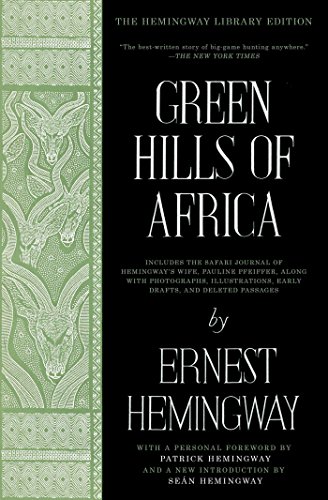
Green Hills of Africa by Ernest Hemingway

Amazon.com: Green Hills of Africa: The Hemingway Library Edition ...

From November 1933 to February 1934, Hemingway went hunting in Kenya with his second wife, Pauline Pfeiffer, and his good friend Karl. Upon his return, Hemingway vowed to write a “book of absolute truth” that would be “as good as fiction,” and hence came the Green Hills of Africa. Hemingway, with amazing memory and exquisite writing, recreated the hunting experience in the remote mountains and forests of Africa, allowing readers to feel the thrilling scene of the author’s battle of wits and courage with animals and listen to the unique roaring and howling of lions in Africa. At the same time, Hemingway vividly describes the competitive and jealous nature of his competition with Karl, mercilessly dissecting himself and displaying manly honesty.

A passage in the book about the critical community’s praise and abuse of writers makes it easy to read today. Hemingway’s Green Hills of Africa is full of the powerful beauty of tension and yet life erupting. Even after getting used to this unimaginable activity, the author begins to look at the wildlife around him with a slightly wild, but not without beauty. Hemingway, after fierce fights with lions and other wild animals, began to appreciate this kind of life and gradually found his own fun through every bit of this life style. In the text, the roar of the lion and the low cry of the beast are not just a phenomenon of biological activity, but form a fascinating landscape painting.

Hemingway quietly observed in the dark, listening and finally appreciated what happened here scene after scene. In the end, the author also presents his observations and experiences of the natural scenery and living conditions in Africa through a long description. Through the description of these scenes, the author shows his inner love and yearning for nature and a simple natural life. After the long development of human society, people often get lost in many material needs. In the natural scenery, it can better show the real pursuit of human heart and human yearning for purity.

-Coreen C.

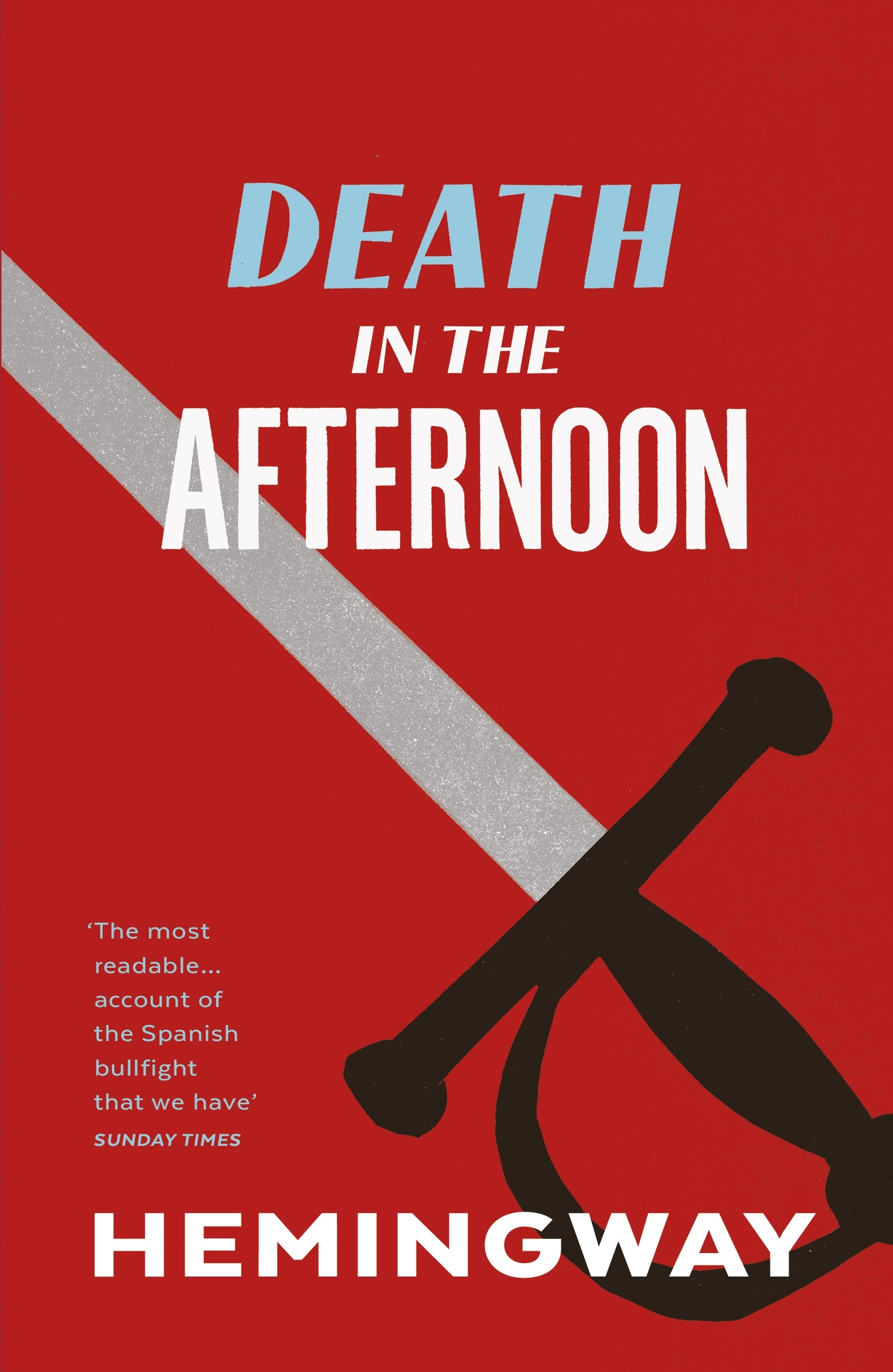
Death in the Afternoon by Ernest Hemingway

Death In The Afternoon by Ernest Hemingway - Penguin Books Australia

“Death in the Afternoon” is a nonfiction novel written by Ernest Hemingway in the 1930s. It is a rather long article on bullfighting in Spain. The novel takes the Spanish bullfighting culture as the background, tells the origin of the bullfighting culture and the cruel and bloody bullring scenes. In the book, he made a very detailed and in-depth introduction and discussion of bullfighting, pointing out that the life and death performance of bullfighters in the bullring has a strong appeal. In “Death in the Afternoon”, through the introduction of bullfighting, the author expounds the problems in literary creation. In the book, in addition to the free and flexible use of narrative, description, discussion, lyric and other expression techniques, he also added terminology annotation, news interview, etc., forming a unique stylistic phenomenon: cross-style writing.

A bullfight is divided into three stages: the first act is the trial, in which the lancer on horseback enters the arena together with the sword killer on foot. The bull first attacks the lancer and kills the horse that the lancer is riding, while the sword killer coacts with the fallen lancer and draws the bull’s attention with a red cloak to protect the lancer, and then the lancer leaves. This scene is designed to fully express the character of the bull, allowing the audience to identify the strength of the bull and fatigue the neck muscles of the bull.The bulls, though superficially intimidating, were only superficially victorious. In the second act, the matador attacks with a short javelin, throwing three or four pairs of short javelins, which are either inserted into the muscles of the bull’s neck to weaken it, or hooked onto one side of the bull’s neck, forcing the bull to always attack that side. The bull is sluggish because of fatigue and injuries, making it easier for the matador to focus on his target.

In the third act, the sword killer performs the muletta act with his red cloak and sword, lowering the bull’s head, and then, taking the opportunity, bending over the bull’s horns, thrusting his sword between the bull’s shoulder blades and killing the bull. From the above three acts, we can see that there is only one theme of this tragedy, which is life and death.”Death in the Afternoon” is a cross-genre novel, which makes extensive use of the achievements of all disciplines including natural science. It takes literary interest and literary aesthetic value as the core and embraces as many language functions as possible.

-Coreen C.

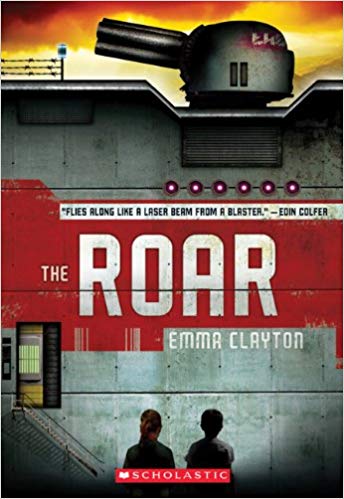
The Roar by Emma Clayton

The Roar by Emma Clayton is a dystopian science fiction book that re-examines what it really means to be human.

In the (not so) distant future, the entire human population is squeezed into a third of the land that it once occupied, behind an impenetrable gray wall. Society’s distinctions are more emphasized than ever, with all the rich living in the Golden Turrets, and those not so fortunate shoved underneath, deprived of sun and water, into the Shadows. An animal plague has destroyed the rest of the Earth. 

So they think.

Hybrid Mika Smith has his doubts about everything, even about his sister Ellie’s suspicious death. But when a mysterious dream, a podship competition, and The Roar come into play, Mika must prepare to rethink everything he has ever known about the dying and corrupted world he lives in. 

One quote from the book really struck me: “A few people started riding bicycles and others reused their plastic bags and meanwhile Earth was gasping its last, desperate breath.” This quote really summarizes what the main idea of this book is. In this book, the Earth has been polluted beyond recognition, and humanity is desperately warring against nature, believing that only one can survive. This quote is gripping on an intrinsic level, making us question the validity of our motives, however well-intentioned they may be, and raises an inquiry into the basic human nature of greed and power. It stresses the need for substantial action and unity against some of the pressing problems facing our world.

The Roar by Emma Clayton is one of the best books I have ever read. The plot is just interesting enough to not be boring but suspenseful enough to be a nail-biting thriller. Although the plot is a bit too slow at times, the book still remains an excellent read. Emma Clayton has created a fictional masterpiece but added perfect undercurrents of real issues like climate change that pressure us all today.

-Vaidehi B.


True at First Light by Ernest Hemingway

True at First Light eBook by Ernest Hemingway | Official Publisher ...

True at First Light: a novel written by Ernest Hemingway after a trip to Italy and his return from hunting in 1949. It reflects the author’s abhorrence of war, his concern for the future of mankind, and his reflections on the value of life, love, and death. The book’s title, taken from the dying words of Confederate General Thomas Jackson during the American Civil War, shows Hemingway’s tough-guy character — and that of himself — facing death. Although the novel is not his most famous work, it reflects the personal life of the writer incisively and vividly from one side, so that readers can have a comprehensive understanding of Hemingway.

Hemingway went on his second safari in 1953-1954 with his fourth wife, Mary Welsh. The couple, along with several locals who were working with them as their helpers, hunted a vicious lion. They also shot some gazelles, leopards, and sand hens on the way, which reflected the author’s pure and friendly sense of loyalty to the ignorant and loyal African indigenous people, Mary’s positive attitude towards learning shooting and training courage, and the happy atmosphere of their life together. Hemingway’s local girlfriend, Debba, is described in the book as “his fiancee” by Mary.

This girl was quite close to Hemingway, but she did not affect the relationship between the couple, showing a precious spirit of mutual consideration between people. An intricate counterpoint of alternating fiction and truth forms the heart of this memoir. In many passages, the author makes extensive use of this polyphonic tone, which will no doubt please any reader who enjoys this kind of music. True at First Light is a manuscript by Ernest Hemingway. The original was published in July 1999, just in time for the writer’s centenary.

What sets this book apart from many of his other novels is that it is an autobiographical novel written in the first person, so it feels intimate to read. It is a detailed and vivid account of the author’s second safari in Africa from 1953 to 1954 with his fourth wife, Mary Welsh, and reflects Hemingway’s affection for the uncomplicated natives.The book is permeated with a cheerful atmosphere, and appreciating this work is like tasting a cup of fragrant coffee which makes people have a sense of clarity and cheerfulness. In a way, this book is not so much a novel as a colorful travelogue or memoir, and many of its passages are beautiful prose pieces that add to Hemingway’s many works.

-Coreen C.

Islands in the Stream by Ernest Hemingway

Islands in the Stream: A Novel - Kindle edition by Hemingway ...

Islands in the Stream is a novel by American writer Ernest Hemingway. Published in 1970, it is one of Hemingway’s last works. It tells the story of painter Thomas’s rough experience of life. Painter Thomas went through ups and downs, had two marriage changes, the three children born after marriage were raised by his ex-wife. He loved his career and his children and often went fishing with them. There is a deep bond between father and son. Unfortunately, two of his sons were killed in a car accident, and the only remaining son was killed in World War II. In the end, Thomas decided to throw his personal sorrows and joys behind the tide of the anti-fascist war. In 1942, as the war in Europe raged, Hemingway commanded a submarine in Cuba to gather intelligence on the Nazis on the island, substituting espionage for writing and personal military adventures for brutal warfare. Although opinions vary on Hemingway’s adventures, this serious military action provided valuable material for his writing, based on which he wrote Islands in the Stream. In July 1944, Hemingway fought ground battles against allied troops in Normandy. For more than 20 days, he was in the midst of a bloody struggle.

The severity and danger of this war have never been greater. The terrible memory of the war pained him greatly. Hemingway, who experienced the cruelty of war, was awarded a medal. But the war made him more conscious. His experience of war was written into his series of war novels. In Islands in the Stream, Hemingway, by portraying the image of painter Thomas, once again emphasized the tough man spirit advocated by him, which is unyielding and indomitable. Thomas, the main character of the book, likes painting and fishing. He has been to the America, Europe, Asia, and Africa. But in middle age he chose to live in the Bahamas, rather than on the islands of Cuba which lies in the Gulf Stream. Through the crucible of his mind and body, Thomas persevered and dealt doggedly with his enemies. He embodies the characteristics of the tough guy that Hemingway often describes, and is a very successful artistic model.

-Coreen C.

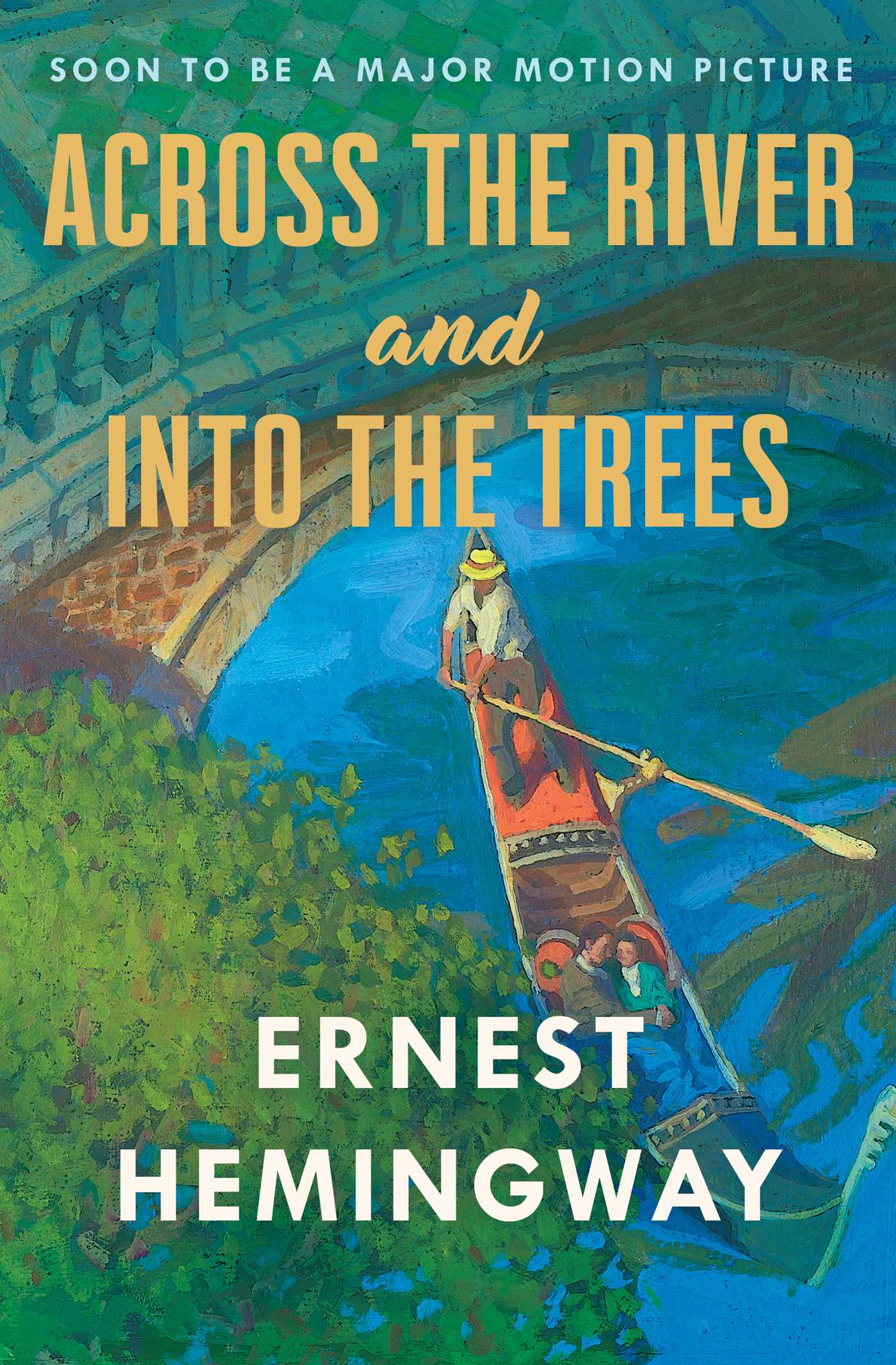
Across the River and Into the Trees by Ernest Hemingway

Across the River and Into the Trees eBook by Ernest Hemingway ...

“Across the River and Into the Trees” is a novel written by Ernest Hemingway after a trip to Italy and his return from hunting in 1949. The protagonist Colonel Cantwell has something of the author in him. As he grew older and more depressed, Colonel Cantwell went duck hunting in Venice and to northern Italy to pay his last visit to the battlefields of the past. He thought of past love, thought of death, and felt lonely and hopeless. Shortly after the war, the hero of the two world wars goes to Fossalta di Piave, Italy, to revisit the spot where he was wounded in battle. The hero, Colonel Cantwell, hunts wild ducks with his friends and focuses on the pure love between him and the beautiful Italian girl Renata, which has no utilitarian purpose.

It reflects the author’s aversion to war, his concern for the future of human beings, and his thoughts on the value of life, love, and death. Though this novel may not be the most classic work of Hemingway, its profound themes and traumatized account of the war shock the reader. Its rich background gives the reader knowledge and its unique way of writing left an unforgettable impression on people. The book’s title, taken from the dying words of Confederate General Thomas Jackson during the American Civil War, shows Hemingway’s “tough guy” theme similar to himself, who faced down death.

-Coreen C.

To Have and Have Not by Ernest Hemingway

To Have and Have Not by Ernest Hemingway

To Have and Have Not is a novel set in Key West, Havana, and the Gulf of Mexico by American writer Ernest Hemingway. It depicts the failed life of individualist Harry Morgan. The author combines harry Morgan’s personal experience with social life, which is a new attempt in the writing technique. This work is Hemingway’s most creative and experimental novel. The book is divided into three parts: Spring, Autumn, and Winter, which vividly depict the failed life of Harry Morgan as an individualist. In “Spring,” Morgan rents fishing boats and is forced to make a living transporting “live” goods (stowaways) for others. In order to protect himself, he did not hesitate to take the law into his own hands and was sued for human life. In Autumn, Morgan traded smuggled liquor. By Winter, Morgan is so desperate to make money that he even agrees to accept an offer to ship back a gang of Cuban terrorists who rob banks. Although he killed the terrorists on the yacht, he was also shot and killed.

This is one of Hemingway’s works that has aroused strong controversy among critics. Hemingway published his novel To Have and Have Not in 1937 which pointed out that the gap between the rich and the poor in The United States led some people to take risks. The novel has a tragic and strong ending. The death of Captain Harry Morgan makes one feel that he is just an ordinary man who earns a decent living in Hemingway’s hands. He had been in the warm Caribbean sun, hoping for an easy life for his family. In the first Spring, Captain Harry Morgan is clearly a man in his own right, even able to take care of Eddie like a brother. Eddie is in some ways a shadow of Harry Morgan. Harry sees his future in Eddie and reminds himself of the principles he should follow to survive. But that didn’t last long after Mr. Johnson defaulted. “I’ve got a family,” he said, and something had to be done to make the money back.

With Harry Morgan’s ruthless approach, his life cycle seems to start working as it did at the beginning of the book. In this 1937 novel, it is more or less felt that Hemingway’s Harry Morgan is still in the fog of individualism and that he still has a long way to go before he can reach new heights. It’s worth noting that In Hemingway’s eyes, Harry Morgan is not a hero at all, he’s just a tough guy.

-Coreen C.

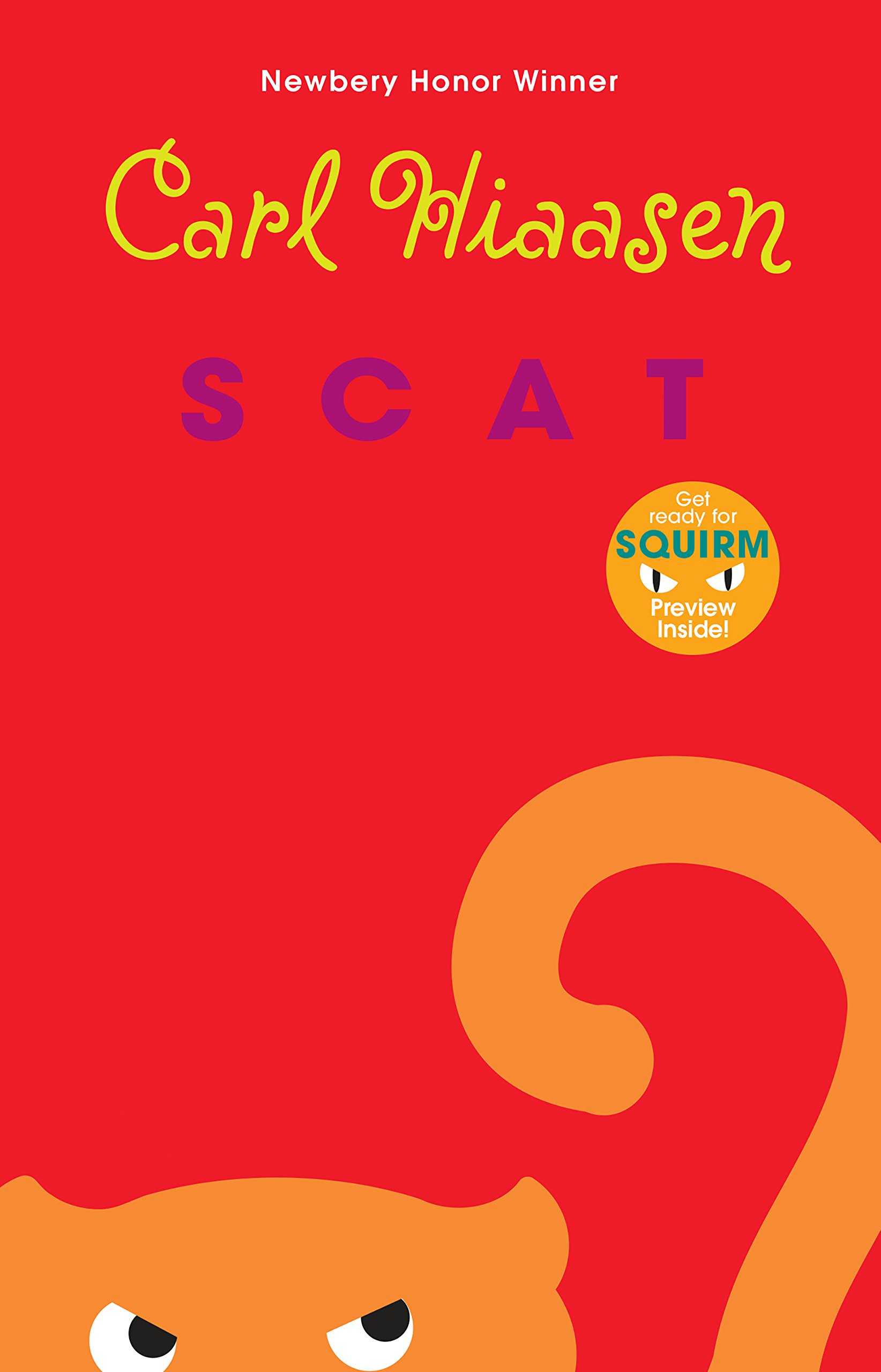
Scat by Carl Hiaasen

Scat, written by Carl Hiaasen, is a humorous but insightful novel about family, forgiveness, and the power of love.

In this book, Hiaasen expertly crafts a twisting, turning, crooked plot that captivates you until the very end. The main characters excellently portray the simultaneous confusion and excitement of ignorance, and the book itself holds great relevance to our world today.

The theme and motifs paint both a fantastical and realistic portrait of forgiveness, our earth, and the innate humanity in each and every one of us. The seriousness of the lesson is tempered well by the simplistic, yet effective humor of the characters. Using suspense and mystery in strange ways, this book will draw you in and keep you laughing until its conclusion.

-Vaidehi B.