The Count of Monte Cristo Book or Movie Review

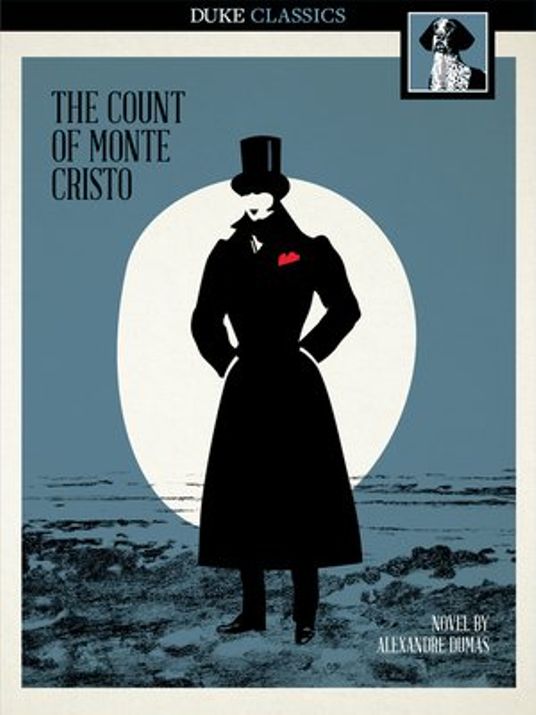
The Count of Monte Cristo by Alexandre Dumas is a literary masterpiece with numerous movie adaptations. The novel’s essence, with its tale of betrayal, revenge, and redemption, remains intact across various film interpretations. However, as with any book-to-movie transition, inherent differences arise due to the nature of these two different mediums.

With hundreds of pages, Dumas’ novel provides an immersive experience, allowing meticulous character development and exploring plot intricacies. The book offers readers a glimpse into the complexity of Edmond Dantes’ mind, unraveling his psychological and emotional evolution with unparalleled depth. The novel also has subplots and details, enriching the narrative with layers that may be challenging to fully capture in a shortened movie format.

On the other hand, constrained by time limits, film adaptations must distill the novel’s essence into a finite duration. This often involves streamlining the narrative, potentially sacrificing some of the novel’s depth for brevity. Characters may be condensed, and certain subplots may be omitted to create a more streamlined and accessible viewing experience. However, this condensation does not necessarily diminish the story’s impact; it offers a different perspective, emphasizing visual storytelling, performances, and cinema to convey emotions and critical moments.

The power of cinema lies in its ability to bring stories to life immediately. The visual spectacle, coupled with a carefully curated musical score, can enhance the emotional resonance of pivotal scenes. The beauty of cinematic landscapes and actors’ charisma breathe life into characters, making them tangible for audiences. Yet, the challenge lies in balancing the need for brevity with the desire to retain the essence of the source material.
The Count of Monte Cristo, in both books and movies, is a captivating exploration of human nature, vengeance, and the indomitable spirit. Each medium, the written word or the silver screen, brings unique strengths to the narrative, offering audiences distinct but complementary experiences of this classical literary. Whether reading the novel or watching a movie adaptation, the tale of Edmond Dantes continues to captivate and resonate across generations.

So which is better? This is a subjective question, depending on the individual and preference. Some readers like me prefer the novel because of the reading experience. I appreciate the depth of the story, the subplots, and the character’s descriptions. Others may like the movie for the immediate emotion and the visual performances. Maybe you want both. Either way, it’s well written, and that’s why the Count of Monte Cristo earned its name in classical literature. What would you choose, a book or a movie?

Happy choices!
Bella H.

The Count of Monte Cristo by Alexandre Dumas is available for checkout from the Mission Viejo Library. It can also be downloaded for free from Libby

Why Should We Read Shakespeare?

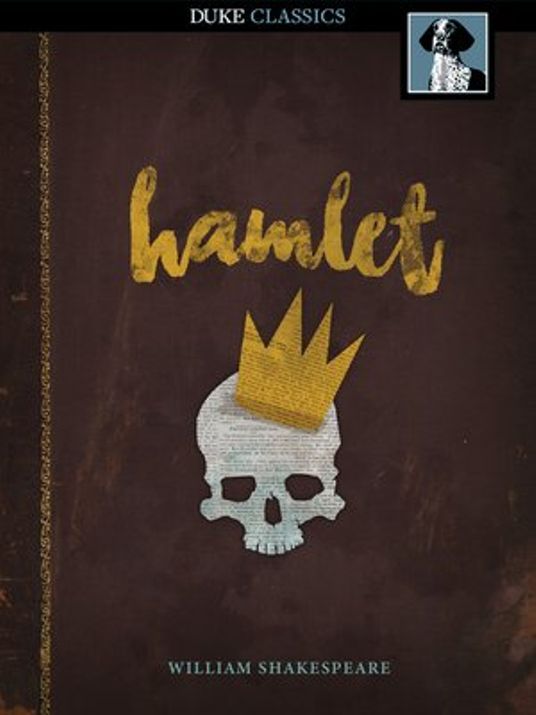
Recently in my english class, we started to read Hamlet which left me skeptical at first. I’ve always known Shakespeare to be one of the greatest and most influential writers of all time, but I wasn’t entirely sure what the point in reading seemingly outdated literature was when it came to solving the issues that face us today.

Almost immediately, I realized that this preconceived notion I had about old plays (and literature in general) was extremely wrong. 

It is definitely true that some sentiments in old writing will not seem as relevant to us today, but a lot of the concepts certainly are still relevant. One of the things Shakespeare did best was his ability to analyze the time in which he lived and what issues prevailed around him, and wrote about them in such a way that they could maintain relevance centuries in the future.

A few themes I have noticed in Shakespeare’s work that are still issues faced today are gender, race, and class discrepancies in society. While these issues certainly looked different in the late 16th to early 17th century time period in which they were written about, they still manifest in daily life and are at the center of many political debates.

If there’s one thing I have learned from previously my wrong assumptions about Shakespeare, it’s that I want to encourage people to read historically significant works to help them understand what paved the society we see today like I have recently done as it has greatly changed my outlook on life for the better.

– Taylor O.

Many works by William Shakespeare are available to check out from the Mission Viejo Library. They are also available to download for free from Libby.

The Great Gatsby

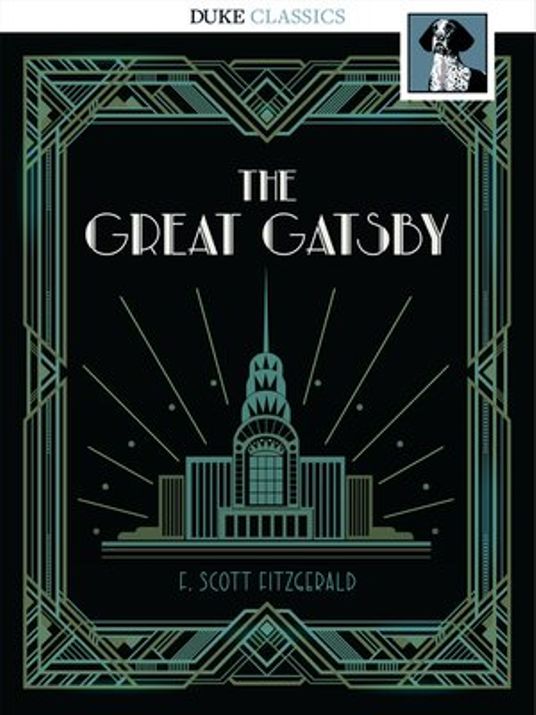
About a month ago, I finished reading The Great Gatsby by F. Scott Fitzgerald. It was an intriguing read as it illustrated 1920s society in America. The desire for wealth and prosperity outweighed people’s morals. The “Roaring Twenties” revolved around entertainment and consumerism because of the end of World War I.

In the novel, the main character, Jay Gatsby, was impoverished growing up but was able to gain wealth by illegally selling alcohol after the 18th Amendment was passed. Although he was proud of his money, it could never fully equate to happiness. The love of his life, Daisy Buchanan, whom Gatsby considered his soulmate, got married to another man when he went to fight in the war. However, he never gave up hope and always believed she would come back to him. Eventually, Gatsby met Daisy and attempted to rekindle their relationship. At one point, it seemed as though their spark was back and they could begin a new life together, but Gatsby pretended to offer Daisy more security than he actually could. His dishonesty was a major factor in their eventual separation. 

Toward the end of the novel, Gatsby is assassinated. As he is dying, he feels that his life is unfulfilling. Although he amassed large amounts of wealth, it could never fully equate to happiness. This story revolves around the American Dream and how it is an illusion. Gatsby worked to earn more money than he could ever need, but always felt like something (Daisy) was holding him back. He never actually achieved success because in his mind, Daisy was all he ever wanted, and she was the one thing he could never obtain.

The Great Gatsby by F. Scott Fitzgerald is available to checkout from the Mission Viejo Library. It is also available to download for free from Libby.

All Quiet on the Western Front by Erich Maria Remarque

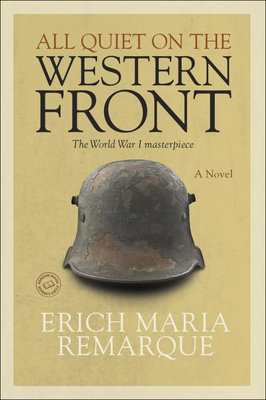
The novel All Quiet on the Western Front by Erich Maria Remarque portrays the events of World War I from the perspective of a German soldier named Paul Bäumer. This shows a new point of view of the war that is often neglected in media.

While the narrative is mostly fiction, the author’s personal experiences in the war heavily influenced the story. So, the book was very accurate in portraying the development of the soldiers and their thoughts as time progressed.

For example, at the story’s beginning, Paul and his comrades, motivated by their school teacher to join the army, are extremely elated at the idea of joining the military. However, by the end, they begin to question what they were fighting for in the first place. A powerful quote reads, “I think it is more of a kind of fever. No one in particular wants it, and then all at once there it is. We didn’t want the war, the others say the same thing and yet half the world is in it all the same”, (Remarque 152).

In addition to the well-developed characters, the figurative language effectively describes the scenery. The claustrophobia and violence in the trenches are displayed through the author’s use of imagery. With the release of the 2022 Netflix film adaptation of the book, it will be interesting to compare Remarque’s descriptions with what has been portrayed on screen.

The scale and perception of time in the book were sometimes difficult to process. Paul and his regiment often traveled to different areas and missions in between chapters, without a clear transition.

Additionally, from Chapter 11 to the end, the story’s pacing begins to increase dramatically, jumping from event to event. However, the main character Paul states that time passes differently on the front lines. So, this critique may have been an artistic choice by the author. 

Overall, the imagery and a well-written ensemble of characters make All Quiet on the Western Front a very enjoyable read.

All Quiet on the Western Front by Erich Maria Remarque is available to check out from the Mission Viejo Library. It is also available to download for free from Libby.

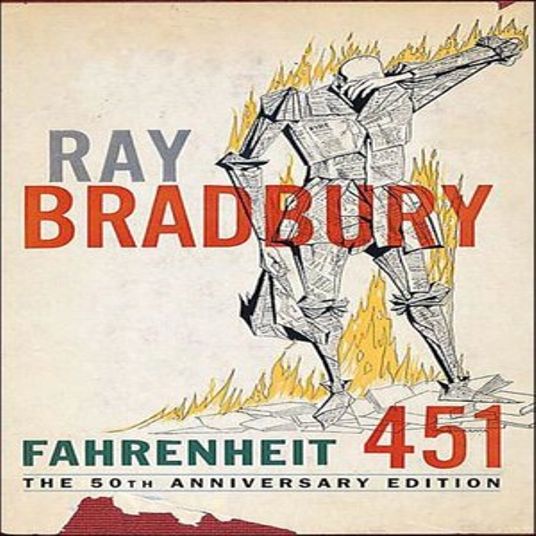
Fahrenheit 451 by Ray Bradbury

Over the summer, I was told I needed to read two books to be ready for my next school year. One of them being Ray Bradbury’s Fahrenheit 451. I remember I asked about the book to others who had already read it. I was given various opinions from both sides of the spectrum. I had high hopes going into the book, seeing as it was a classic, but unfortunately, it wasn’t exactly my taste. 

Fahrenheit 451 is set in a futuristic, dystopian world where books were illegal and the lives of many people were dull and so similar that you would be outcasted if you had a different opinion. The main character, Guy Montag, is like any other guy in his city, but what sets him apart is that he works in the fire department. Unlike what we know today, the fire department in the book actually creates fires and burns places down, specifically places infested with knowledge and books. Throughout the book, Montag discovers how wrong society is and begins to stand up for himself and others. Of course, this isn’t taken well and the government tries to shut him down, putting Montag’s life in danger. Montag, finally gaining a sense of humanity and individuality, does his best to gain and spread knowledge, although it causes him harm.

The overall plot of Fahrenheit is great and really enjoyable if you think about it. But in the moment of reading, it can be super hard to immerse yourself into Bradbury’s words. While I am all for repetition to emphasize the importance of an idea, some of the phrases in the book felt like a chore to read through as it was a similar idea that was mentioned again and again. And maybe this was just me, but it was difficult to picture what exactly he was describing in scenes. For example, he would describe a room that could have thousands of different depictions and nothing was good enough for me to settle on. It frustrated me that I couldn’t picture the image Bradbury wanted to paint. 

I think the main thing that influenced my disharmony with the book was the slow buildup of characters. The two characters I found most interesting were Clarisse and Beatty. Clarisse was a teenage girl who was considered an oddity in the society and was socially outcasted. It was nice to read the interactions between Montag and Clarisse mainly because it finally showed another perspective and was the first step to help Montag find himself. Beatty was the captain of Montag’s fire department, but unlike Montag, was his own person and had his own beliefs which happened to match with the government and rules he enforces. Both Beatty and Clarisse, while they were stepping stones for Montag’s development, also gave the book variety and a set of very enjoyable characters in the long run. However,  it took super long for Montag’s development to happen and most of the other characters didn’t show up often and were mainly only used to help grow Montag. Most of the characters were less secondary protagonists and more like prominent side characters which made it hard to read, since Montag was already a difficult character to get attached to because of his lack of character.

Fahrenheit 451 has a good plot and storyline, but I felt like there could have been more done with other aspects, such as the characters and descriptions. The book is by no means bad, but it just doesn’t fit my tastes. While this book is really my type, I wouldn’t stop anyone from reading and experiencing it myself. If you ever find yourself getting to read this book, by all means, please do. Give the book a shot, maybe you’ll enjoy it!

-Nicole R.

Fahrenheit 451 by Ray Bradbury is available to checkout from the Mission Viejo Library. It is also available to download for free from Libby.

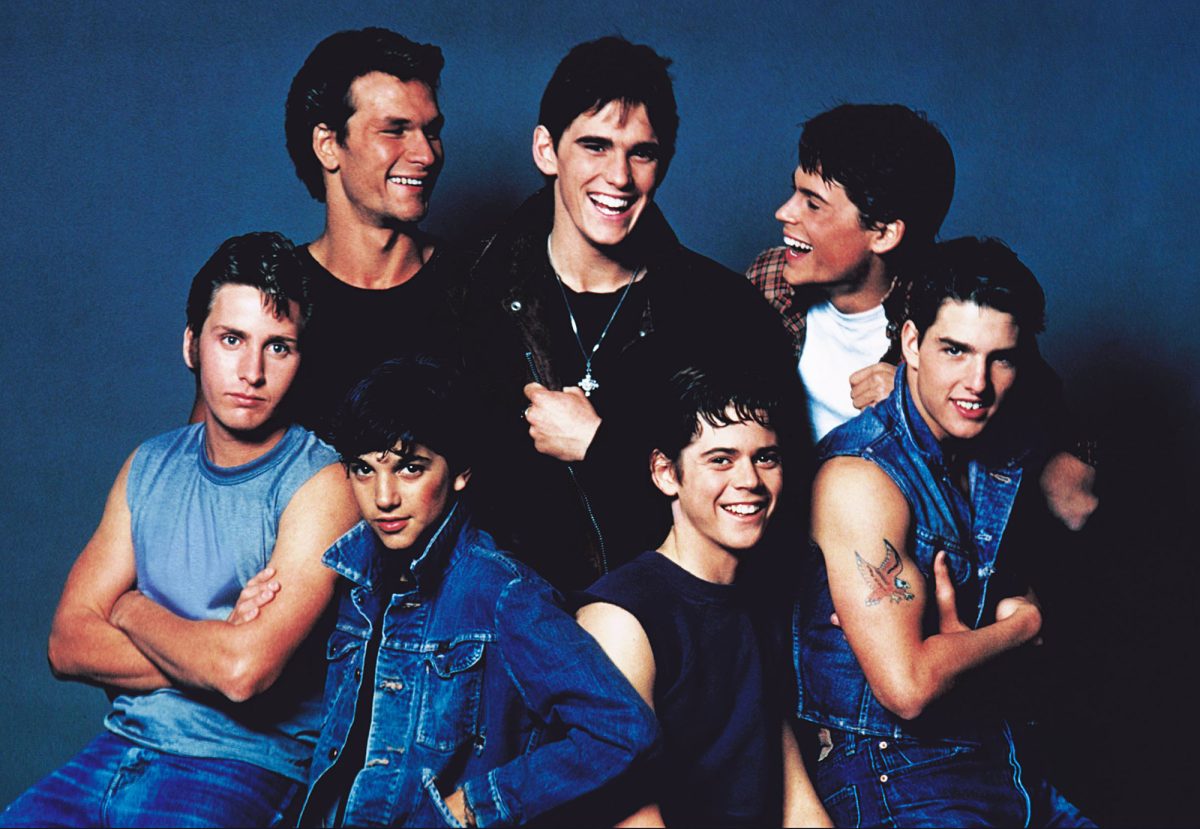
The Outsiders: Some Spoilers Ahead!

Yesterday, my class finished a classic novel called The Outsiders. Of the many classic novels I’ve read, this one was really deep for me!

The book starts off with the rivalry between two gangs: the Socs (pronounced soashes, not socks!) and the Greasers. The Socs are the wealthy rich kids, throwing parties almost everyday and “jump” Greasers for fun. The Greasers, however, are the poor kids with all the “rough breaks” but they are one big family and look out for each other. They don’t look for trouble with the Socs unless one of their gang gets jumped.

The story follows Ponyboy, the youngest of a Greaser gang in his neighborhood. Both his mother and father died in an unfortunate car accident, and has been living with his two brothers, Sodapop and Darry, ever since. However, it’s reassuring to know that the three of them aren’t alone throughout this adventure; they have friends who help them along the way.

For me, the novel was really heart-warming and bittersweet! I don’t want to spoil the entire story, but the ending took me by surprise! Additionally, I love how the Outsiders makes allusions to poems and books. Throughout the novel, S.E Hinton connects to Robert Frost’s poem “Nothing Gold Can Stay”, and Gone with the Wind to enhance the plot of this book! If you ever decide to read this book, the amount of allusions you will find will shock you! Heads up however, there is A LOT of slang in this novel! Sometimes, I was reading the book, and I had to stop and ponder on what the words meant, for example, one of Ponyboy’s friends asked Ponyboy, “Ain’t you freezing to death Ponyboy?”, and Ponyboy replies with “You ain’t a woofin”. Just make sure to bone up on your slang vocabulary before reading! I would most definitely recommend this book to people who need a reminder of the good in life!

Happy Reading!

-Alia Charles, 8th grade

The Outsiders by S. E. Hinton is available to check out from the Mission Viejo Library. It is also available to download for free from Libby.

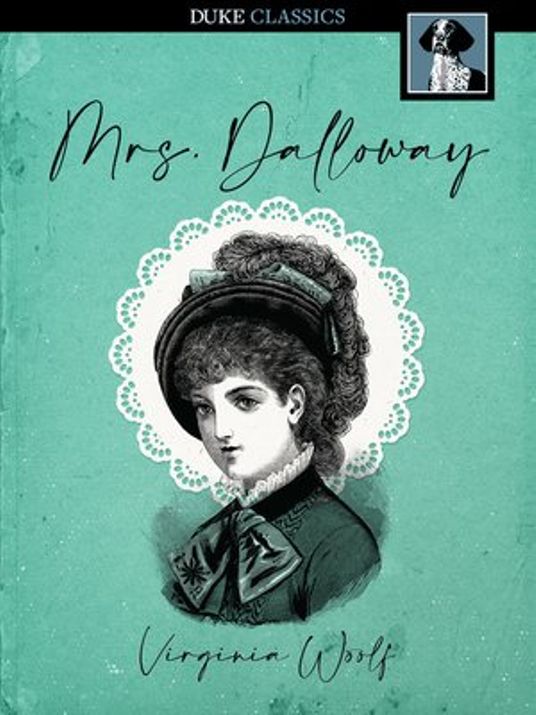
Book Review: Mrs. Dalloway

Mrs. Dalloway by Virginia Woolf follows Clarissa Dalloway, a woman in her 50s, as she prepares to host a party. A seemingly simple plot turns into an emotional rollercoaster as Mrs. Dalloway and a diverse, unique cast of characters experience wide character arcs and learn essential themes. Despite this novel only spanning one full day, Woolf has taken this story to a depth I’ve rarely seen elsewhere.

Although the book is written in a stream-of-consciousness writing style, which I admit I often feel can be confusing and dull, I didn’t notice that at all throughout the story. In fact, in my opinion, the writing style enhanced the book’s flow, rather than slowing it down or making it feel choppy.

If you choose to read Mrs. Dalloway, You’ll quickly learn the novel is written almost entirely in prose. Virginia Woolf is one of the most poetic fiction writers I have ever had the privilege of reading. There were many lines in this novel that held great depth and weight to me, even taken out of context. For the most part, her sentences carried a kind of rhythm that made it very satisfying to read. I really loved this and thought it made the story more pleasant.

These beautiful proses, however, come at a cost. Because the language is so flowery, it got a little difficult to understand what was actually happening at any given moment. There were some parts in which I felt like I had to power through the prose to really comprehend what was happening to who. This took quite a bit of work, although I personally experience this with most classic literature I read.

I would recommend this book to everyone, regardless of preferred genre. I think the over-arcing theme is a very thought-provoking one, and it’ll be sure to stick with you. I would especially recommend this book to aspiring writers, as I believe it is a brilliant example of a perfect story structure, with very clear examples of plot points.

“Mrs. Dalloway is always giving parties to cover the silence.” -Mrs. Dalloway, Virginia Woolf

Mrs. Dalloway by Virginia Woolf is available to check out from the Mission Viejo Library. It is also available to download for free from Libby.

Fahrenheit 451: Book Review

I read this book in ninth grade English this year and it was one of my favorite books that we read this year!

I have always been a fan of sci-fi books and reading it actually brought me more insight on the dangers of the futuristic society that we might face sooner or later.

In Fahrenheit 451, the futuristic society is controlled by the government. People are emotionless, have no depth, and just can’t care less about anything. Most people consider the word, “family”, as having the latest gadgets such as T.V parlors and less about human interaction and love between husband and spouse.

The main character in the book, Guy Montag, has a breakthrough after meeting his new neighbor, Clarisse. Montag’s job is a fireman, which in this futuristic world they burn books and houses instead of protecting houses from fires. Kind of ironic isn’t it? Clarisse sees the world much more differently than Montag and introduces him to the tiny aspects of nature that makes it worthwhile to live for such as the dewdrops on grass and just looking up at the moon sometimes.

He compares what Clarisse says to his life right now: Mildred, his wife, doesn’t care for him at all and considers the T.V. parlor as her makeshift family. She also overdoses on sleeping pills, which is symbolic since she knows she unhappy but at the same time she doesn’t know why.

He also had a big turning point as well when he watches a woman burn herself alive in the fire with her books rather than live in a world without them. Montag even questions to himself after and says, “there must be something in books, something we can’t imagine, to make a woman stay in a burning house; there must be something there. You don’t stay for nothing.”

There are so many foils in this book, its amazing how Bradbury added so many in a short novel that’s a little more than a hundred pages. You can clearly see the comparisons he’s trying to make with our society and the one he’s created.

Also, Bradbury wrote this book in the 1950s, which means that the things he created in the book such as seashells (now known as modern-day airpods), parlors (T.V that spans the whole wall), and even the mechanical hound (robot dogs) now has been created.

A little more on the mechanical hound: our teacher sent this link the other day saying that “Bradbury really knew it was coming”. The link is down below:

https://abc7.com/robot-dog-lapd-city-council-vote/13290121/

Anyway, a quick summary, the LA police department decided to press the OK button on their proposal to accept donations on funding for a mechanical police dog. Obviously there’s a lot of controversy on this. But, amazing how Bradbury predicted this right?!

Fahrenheit 451 by Ray Bradbury is available to checkout from the Mission Viejo Library. It is also available to download for free from Libby

Animal Farm by George Orwell

In recent times, people have often underestimated the value in reading classic novels and the lessons that can be learned from them. Animal Farm, by prolific writer George Orwell, is an essential classic that everyone must consider reading in their lifetime. 

Published in 1945, Animal farm tells the story of the farm animals who live on Manor Farm under the brutal restraint of their owner: Mr. Jones. In an attempt to seek asylum from Mr. Jones’ cruel ways, the animals congregate under the influence of an old pig on the farm, staging what’s reminiscent of a coup d’etat against Mr. Jones.

The simplistic diction displayed by Orwell throughout Animal Farm reveals the underlying complexity within his story. Animal Farm is an easy read, yet truly gets one thinking about how they perceive the world around them. 

While reading Animal Farm, I couldn’t ignore the similarity in the interactions of a few of the characters to the relationship between historical figures Leon Trotsky and Joseph Stalin. Orwell’s representation of these figures in Animal Farm is symbolic of his efforts to encourage the general public to educate themselves and to be cautious about believing everything told by those around them.

While being an older novel, Animal Farm is relevant in its content through an enticing story that has lessons applicable to the world today. I firmly believe that anyone, no matter their age, would appreciate the plot of this story and enjoy the book. Next time you find yourself looking for an interesting and easily digestible book to read, consider Animal Farm. You won’t be disappointed.

– Taylor O.

Animal Farm by George Orwell is available to check out from the Mission Viejo Library. It is also available to download for free from Libby.

The Great Gatsby by F. Scott Fitzgerald

The Great Gatsby - Wikipedia

Nick Carraway, an intrepid young man from the West, moves east after World War I. Expecting a quiet and comfortable life, he instead finds himself caught up in the fast-paced, dangerous world of highballers such as his cousin, Daisy Buchanan, her husband Tom, the haughty and beautiful Jordan Baker, and the most mysterious man of them all- Jay Gatsby. As lies and betrayal pile onto each other, Nick is left starkly in the middle of a massive cultural and class divide that will leave him forever changed.

I wasn’t expecting to enjoy this book as much as I did, but I really found it riveting- after the first few chapters, it was nearly impossible to put down. The book is rife with symbolism, which gives it incredible depth- and many of the symbols and themes discussed in it are still very relevant to our world today. It’s one of America’s most quintessential and classic novels, and for good reason- even though the novel will turn ninety-six next July, The Great Gatsby will forever offer us an invaluable window into times past and present.

-Vaidehi B.

The Great Gatsby by F. Scott Fitzgerald is available for checkout from the Mission Viejo Library. It can also be downloaded for free from Overdrive