
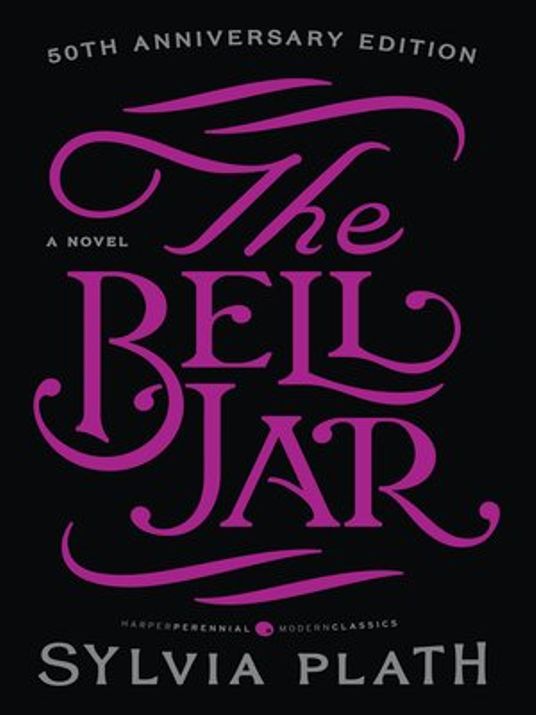
The Bell Jar is a semi-autobiographical novel by Sylvia Plath that explores mental health, identity, and the pressure to conform to societal expectations, especially for women in the 1950s. The story follows Esther Greenwood, a bright and ambitious young woman who wins an internship at a prestigious magazine in New York City. On the surface, Esther seems like she has everything going for her, but internally she’s struggling with depression, confusion about her future, and a growing sense of alienation from the world around her.
One of the most powerful aspects of this book is how it portrays mental illness—not in a dramatic or romanticized way, but with raw honesty. Plath’s writing pulls you inside Esther’s head, where her thoughts become darker and more fragmented as she spirals into a deep depression. The “bell jar” in the title is a metaphor for how Esther feels trapped, like she’s stuck in a glass container where she can’t breathe or connect with the world around her.
What makes The Bell Jar stand out is how well it captures the feeling of disconnection and pressure to fit into roles that don’t feel authentic. Esther is expected to be excited about marriage, children, and a stable life, but she’s unsure if that’s what she really wants. That inner conflict between personal ambition and societal expectations is something a lot of readers can still relate to today.
Esther’s journey is painful and honest. She undergoes various treatments for her mental health, some of which are disturbing, and she struggles to find a sense of meaning or identity. But the novel doesn’t end in complete despair—there’s a sense of survival, even if things aren’t neatly resolved. That balance between darkness and hope is part of what makes the book so impactful.
I found this book emotionally intense but deeply moving. Plath’s writing is poetic and sharp, and she captures what it feels like to be lost in your own mind better than almost any other author I’ve read. The Bell Jar is definitely not a light read, but it’s an important one—especially for anyone interested in mental health, feminism, or literature that dives deep into human emotion. I’d give it a 7/10 for its raw honesty and unforgettable voice.
 Mission Viejo Library Teen Voice