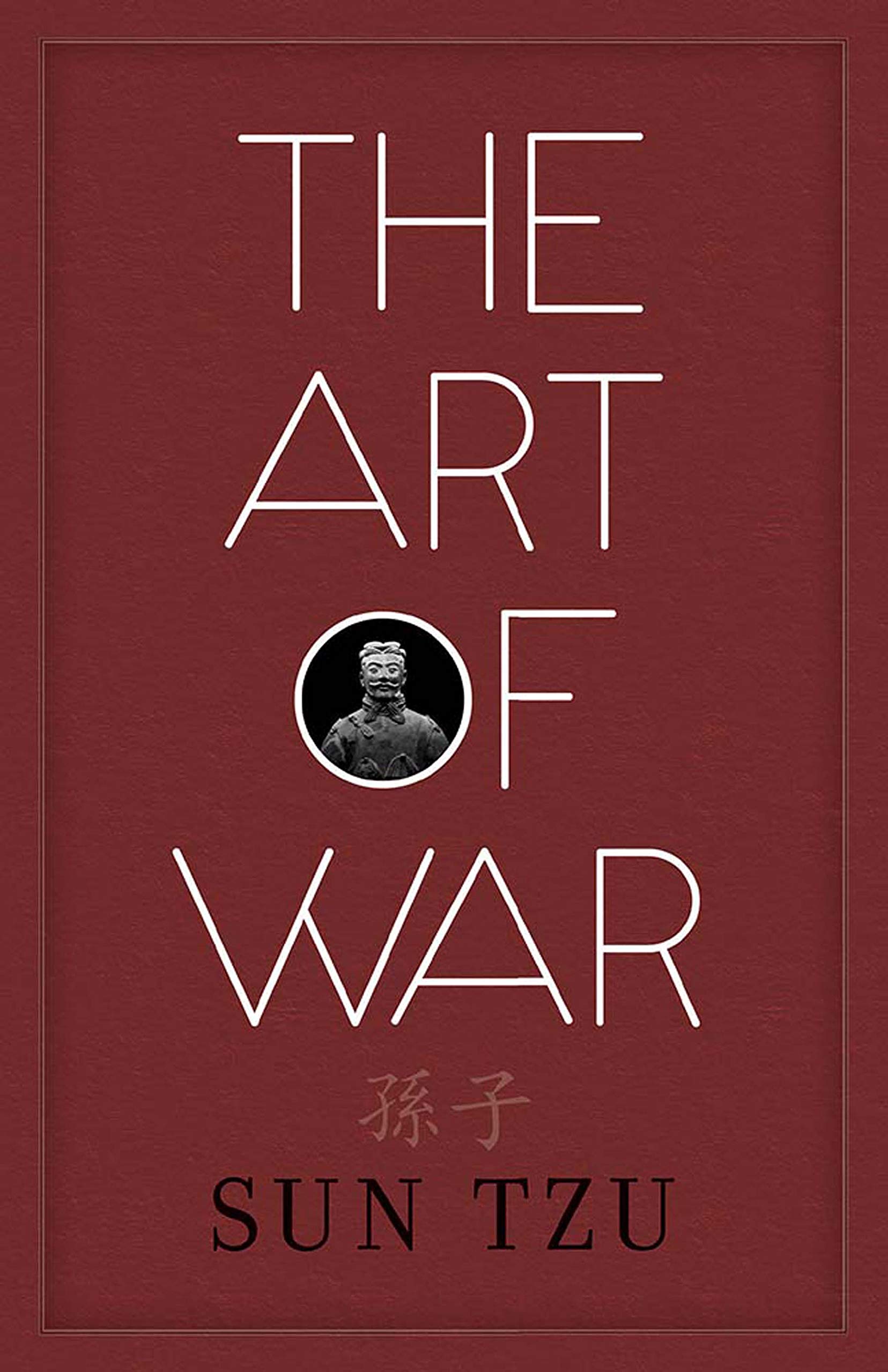
Written over two thousand years ago in China, The Art of War consists of 13 chapters on “military calculus” written by the famed military strategist of ancient China, Sun Tzu. Within each section, Sun Tzu elaborates on key concepts regarding military strategy that he claims will allow any army to ensure victory if his guidelines are followed. Some examples are the importance of creativity when devising stratagems, the idea of incorporating deception in warfare, the different factors needed while fighting against the enemy, and more.
While the work is quite old, Sun Tzu’s The Art of War continues to be relevant in contemporary times, not just on the battlefield, but also as it relates to ordinary civilian life. For example, throughout the book, Sun Tzu emphasizes the importance of relying “not on the likelihood of the enemy’s not coming, but on our own readiness to receive him.” Though the average reader will most likely never face a situation where an actual opposing army is attacking them, the idea of an “enemy” can easily be broadened to refer to any challenge faced in life. In this case, Sun Tzu urges the reader to not overly depend on luck, but instead on their own skills and abilities, to achieve their goals through proper planning of every possible scenario.
In addition, the concise language employed by Sun Tzu hints at other truths about life. Although this may not have been Sun Tzu’s original intention, and could possibly have arisen through the multitude of translations of the work, the simplistic structure of the novel itself is undeniable. Rather than pushing the information in large blocks of text, Sun Tzu breaks up his main points into easily digestible statements that serve to stress their importance to the reader. This avoidance of overly convoluted sentence structures also lends itself to the implication that simplicity should be prioritized over complexity, both on the battlefield and in life.
Overall, despite the fact that most of today’s readers of The Art of War are not actually at war, it is an undeniably fascinating look into the thoughts, actions, and habits that can lead to success in any endeavour that one pursues.
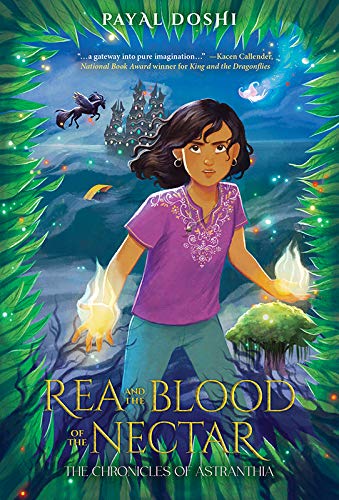
Rea and the Blood of the Nectar by Payal Doshi follows the life of a 12 year-old girl named Rea. She lives in Darjeeling with her grandma, mother, and twin brother, Rohan. After finding out her brother is missing, Rea makes it her mission to find him—even if it takes her to a world she’s never been to before and she has to face her family’s past.
This book is amazing for a multitude of reasons. First, it’s rich in culture. There may be unknown vocabulary, such as clothing or foods you may not know of, but there is a glossary in the back of the book that provides explanations.
Another thing, the book has maps in the first few pages. A fantasy book isn’t complete without its maps, and I found it endearing that there were even maps of India and Darjeeling to further immerse the reader. Little details like that make the book more accessible for younger readers.
The world-building in this book is also outstanding, another thing very important in fantasy books since they take place outside of our world. When reading about the whimsical world of Astranthia, where Rea is supposed to find her brother, I found myself wanting to explore as well.
Given all these things, Rea and the Blood of the Nectar is a great book for all audiences. If I could, I’d give it 5 out of 5 stars. It’s a feel-good book that includes cultural representation, family love, and a fantasy adventure.
Everyone seems to have their own outlook on what life has to offer and what makes life so precious. In my perspective, it’s the little things that make life worth living. When people think of what the rest of their life has to offer, most think about the major events like graduating or their wedding. Although those are major and amazing parts of people’s lives, it’s vital to notice that life goes a lot deeper than that.
Life is a collection of small moments. Some of those are going to be good, while others may be bad. We don’t give those moments enough credit, the little moments where you look over and someone’s thinking the exact same thing, smelling a scent you remember, hugging someone you missed, etc. There have been so many days I’ve looked back on and all I seem to remember is the random person I saw dancing in their car or how perfect the weather was. Each day is like a treasure hunt, full of hidden beauties and it’s up to us whether we want to overlook or appreciate them.
Live for the endless laughter, for the sunsets, for the little thing, and you’ll feel the joys of life. It’s not always about the bigger picture, details are important. So, if there’s something that you want to do whether it’s writing a book or smiling at a stranger, do it. Even if it doesn’t’ affect your life, it’ll affect theirs.
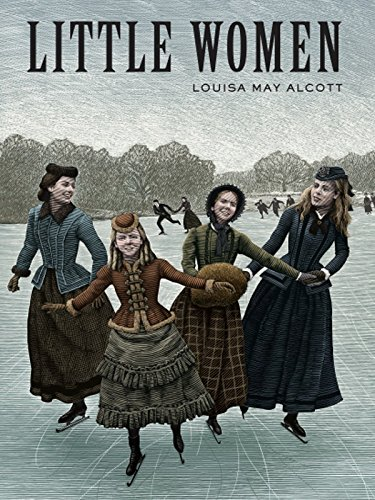
I enjoyed reading this book because of the wide variety of characters and their different personalities. It is a great novel and an amazing classic. The main characters include Meg, Jo, Beth, and Amy March. This book explores a part of the lives of these 4 sisters. There are several sequels to this classic, including Little Men and Jo’s Boys. There is also a movie based on Little Women.
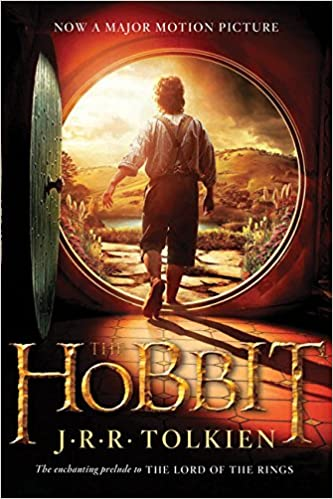
This is a great book. It is one of my all time favorites and I would highly recommend you to read it. It is about Bilbo Baggins, a hobbit, who goes on an adventure to help the dwarves. Their home has been taken over by a dragon named Smaug, and Gandalf thinks Bilbo is a good fit for the journey. However, Bilbo does not like adventures or going outside his hometown Shire at all. During this journey, he faces lots of obstacles and challenges. Will he survive the adventure and return to the Shire, or will he fail in his quest? This novel has been made into a trilogy of 3 movies named An Unexpected Journey, the Desolation of Smaug, and the Battle of the Five Armies. I would recommend you to read the book first before watching the movies so you will be able to visualize the story instead of thinking about what took place in the movie.
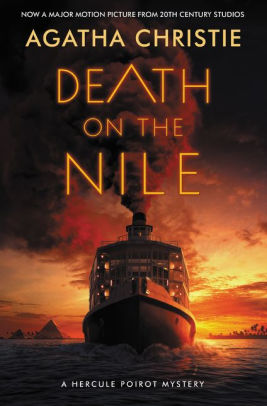
Death on the Nile is a great book. It was intriguing and kept me wanting to read until the ending throughout the whole book. This book is about a cruise down the Nile, enjoyable until a murder happens. Additionally, there are several other crimes Hercule Poirot must try to solve! Everything in this book was interesting, and I would definitely recommend you to read this amazing story.
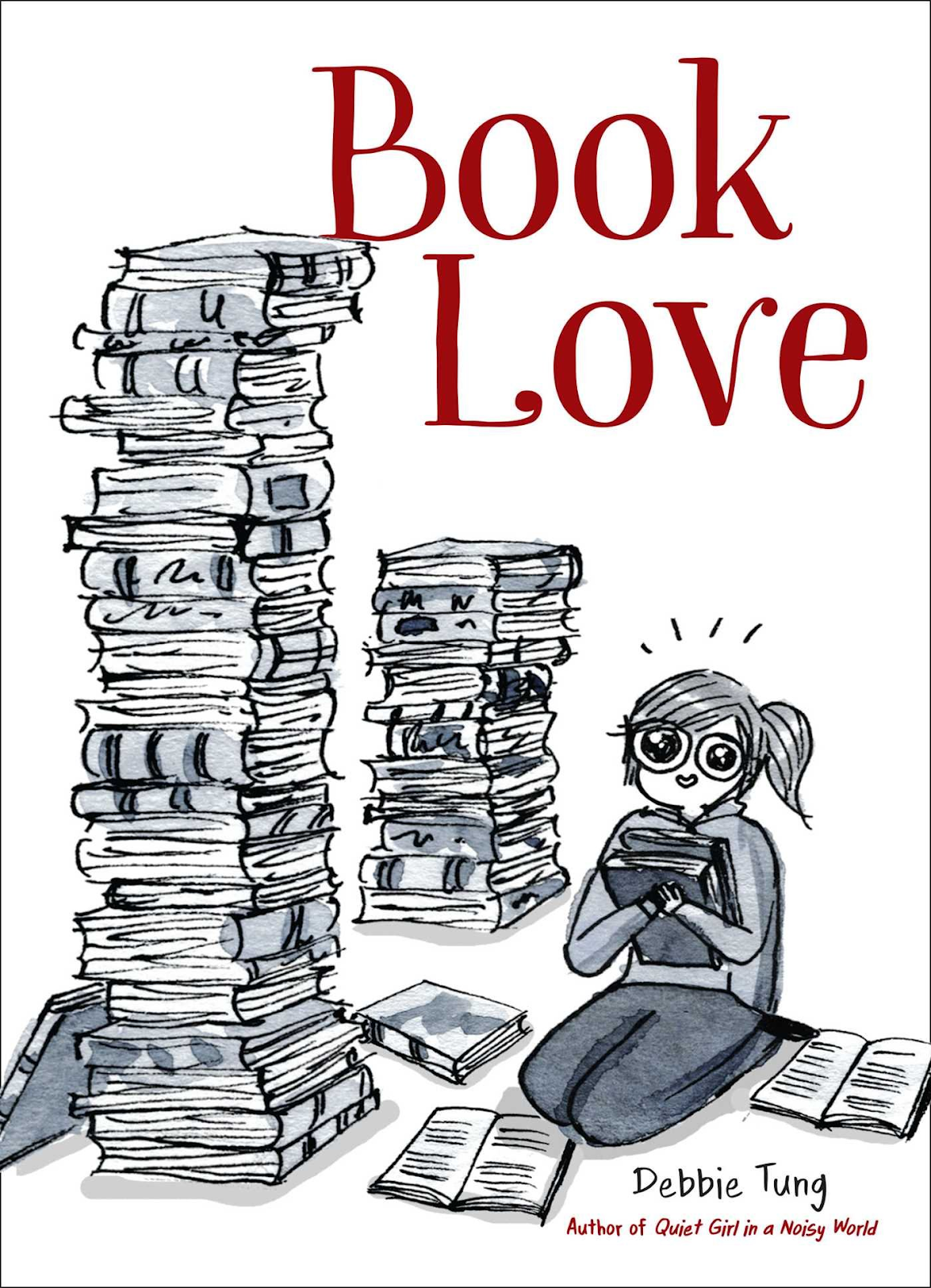
Book Love
This book is a graphic novel about books and love for books. The book is very funny and it has a lot of amazing stories. I really liked reading it and if you enjoy reading graphic novels and/or are a bookworm, this book is for you! It is definitely a great read.
Heidi lives in the mountains with her grumpy grandfather until one day her aunt takes her to Frankfurt to befriend the daughter of the family she is working for. Heidi accompanies the young girl throughout a part of her life. The story is about Heidi’s adventures and the journeys she takes. I liked this classic, and I would highly recommend you to read this book.
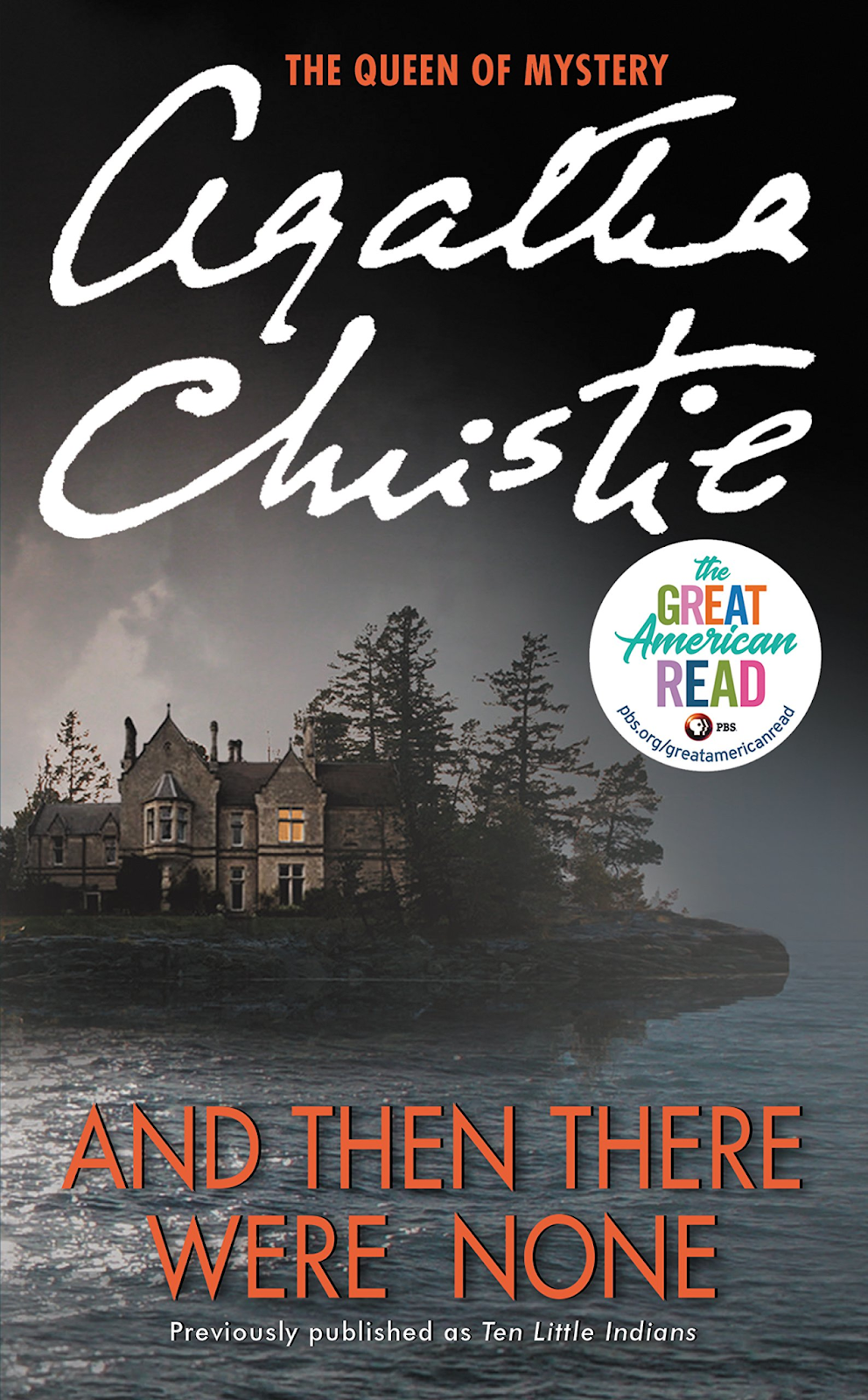
This book is about 10 people who have gone to an island, invited for different reasons. Everything seems normal, until those guests start to be murdered, one by one. However, there is a terrible storm and they can’t leave the island, or get any help to the island. The remaining people do not know who shall be killed next, but they do know it could be them. They must all find out who the killer is before they are all killed.
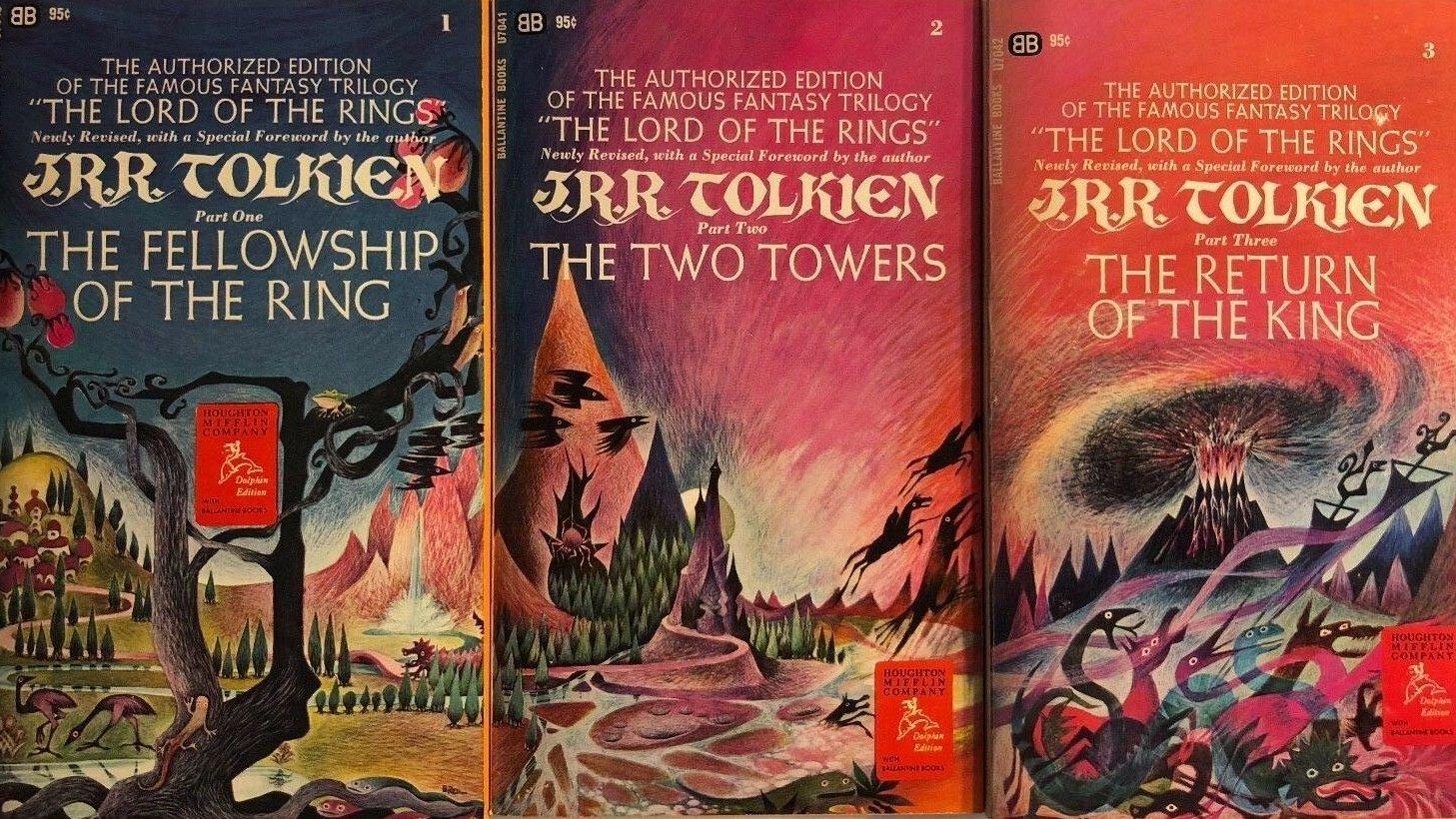
A sequel to The Hobbit, this trilogy is also a great series to read. It takes place many years after the Hobbit. Frodo is given an extremely powerful Ring, but he soon finds out he must destroy it, or the world may be ravaged. He sets out on a journey to Mordor to demolish the Ring in Mount Doom. Mordor, however, is the location of his enemy. This trilogy consists of Fellowship of the Ring, The Two Towers, and The Return of the King. It has also been made into 3 movies based on the trilogy of books.
The Life Aquatic with Steve Zissou is one of my favorite Wes Anderson films. Its plot—combined with its direction, soundtrack, and cast—makes the film stand out against most of the films I’ve watched before. It centers around the themes of familial love as well as sadness, letting go of your past, and looking to the future.
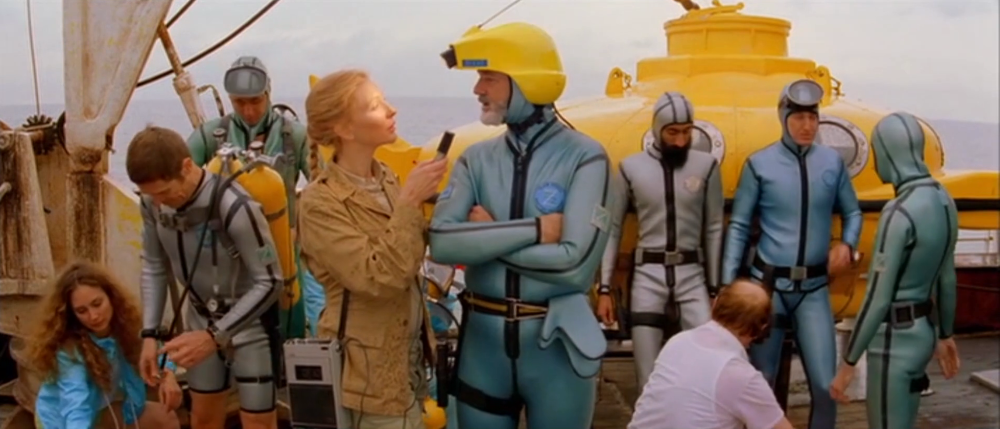
The story follows Steve Zissou, an oceanographer and filmmaker, on a mission to kill a shark—specifically a “jaguar” shark (which he coined himself)—that ate his best friend and partner, Esteban. He’s pretty washed up, with his funds for his films low—due to how badly his films were doing. He’s out to kill this shark solely for revenge, and he says he’ll do whatever it takes to get justice for his friend. Zissou is accompanied by his friends—the crew of his ship, the Belafonte. There’s one special member, though—and it’s what sets the film into motion.
That special member is Ned Plimpton, a polite, young man who came to Zissou during the premiere of his latest film. Ned claims to be Zissou’s son, the child of Catherine Plimpton, a woman Zissou remembered and supposedly had an affair with. At first, Zissou doubts this—because both of them aren’t really sure. It’s only when Ned is invited to stay at Zissou’s island and headquarters, and Zissou wakes him up in the middle of the night to film some “jellyfish” on the shore. Standing there, with his boom microphone—Ned adlibs along with Zissou. Though it’s awkward, Zissou figures out that a narrative between him and Ned could make his next film—and mission—successful. He hires Ned right there, and Ned joins the crew.
I won’t be discussing the film in its entirety, but what I found very compelling about the film was how it handled the themes of familial love—specifically paternal love.
Ned and Steve are awkward together. The two of them tiptoe around the fact that Steve might or might not be his real father. They avoid even breaching the topic. But, when they do, Steve confesses that he never wanted to be a father, right in front of Ned. After that, they don’t talk about their relationship with one another.
During this, Steve is also still weighed down by the grief of losing his best friend. He’s mourning him, and his anger is what drives him throughout the entire film. Most of the crew is telling him not to do it, not to kill the shark—or that the shark didn’t even exist. Even so, Steve still pushes on—through bad weather, a pirate attack, and even a kidnapping of one of his crew members. They go through a lot, just trying to find this shark.
The most devastating part of the film happens next. The crew finally gets the shark on their radar, and they realize they’re only a few miles away. A helicopter ride. So, Steve and Ned—a pilot—climb into the Belafonte’s worn out helicopter and fly away. On the ride, Steve and Ned talk about a letter Ned sent to Steve when he was younger. He admired Steve, and admitted that he wanted to be an oceanographer when he grew up. Turns out, Steve had kept the letter all these years, and he pulls it out to show it to Ned. This connection shows that the two of them, especially Steve, care for each other—and that Steve was ready to become a father to Ned.
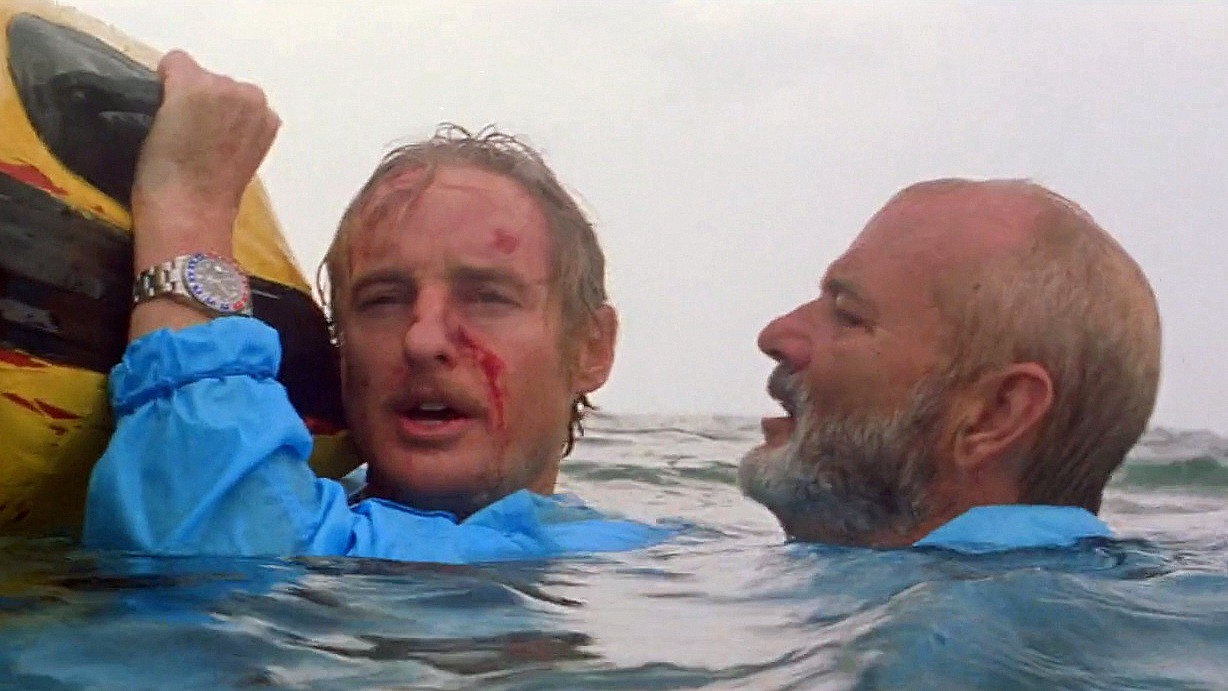
But, due to the helicopter being worn down and broken—they end up crashing into the water, just where the shark was. And although Steve is fine, Ned… wasn’t. The most interesting thing about this scene is that it’s framed to look like a shark attack—with Ned hanging onto a floating piece of debris, and red filling the water around them. Almost exactly the way Steve lost Esteban. (It’s later revealed that Steve was infertile. He couldn’t have children.)
Eventually, though, Steve and the crew are able to get into a submarine and see the shark up close. It’s my favorite, and most beautiful part of the film. The shark is swimming around them, glittering and beautiful, capturing the eyes of all the crew members—shocked that the shark was actually real. In the center of the frame is Steve, quietly reflecting on the events that had happened leading up to this moment—the moment where he’s “supposed” to kill the shark.
Instead, when asked if he still wants to kill the shark—Steve shakes his head, claiming they ran out of dynamite anyway. He tears up, and he asks, “I wonder if he still remembers me.” The whole crew then puts their arms on Steve, holding him as he cries, the shark still circling around.
I believe that the shark represents sadness. Something that is looming, circling, engulfing us. And when it attacks, there’s no stopping it. Steve has been going through this ever since Esteban died. His sadness and his grief engulfs him, consumes him, to the point where it causes the death of someone else close to him. It’s destructive, not only to others, but to himself. In an effort to find peace, Steve sets out to kill the shark—or, his sadness. He goes through so much, just to get rid of it.
In the end, when faced with it—when faced with his grief and he’s given the chance to finally kill it, he turns it down. He looks right into its eyes and says, “I wonder if he remembers me.” This is when Steve learns that sadness cannot be killed. It cannot be obliterated. Sadness can only be lived with, and that’s something we need to learn. It’s what comes with life. But what we can do is have others who support us and love us anyway. This is represented by his crew—his family—putting his arms around him and holding him as he cries. Even though his grief was engulfing, drowning him, the people who loved him and who he loved in return—were still there every step of the way.
Their film ends up getting produced, and receives lots of support. They’ve dedicated it to Ned.
The ending credits of the film leave a bittersweet feeling in your stomach. As the crew is walking down the pier, Buckaroo Banzai credits style, in the background you can see the Belafonte. It’s ready for their new adventure. And there, at the very top—with his signature pilot’s uniform and spyglass, stands Ned—guiding Steve and his crew, onward towards the future.
– Claire C.
The Life Aquatic with Steve Zissou is available for checkout as a DVD or Blu-Ray at the Mission Viejo Library.
Everyone’s heard the old saying “Live every day like it’s your last,” but how would you live knowing it was your last day? This is the position Rufus Emeterio and Mateo Torrez find themselves in when they receive the dreaded phone calls from Death-Cast, a service that calls people to let them know they’ll be dying at some point that day. Mateo and Rufus connect through the Last Friend app, one designed to help Deckers (people who have received the Death-Cast call) find friends in their final hours. Their bond strengthens not only as they work through the hardships of premature goodbyes and impending doom, but also as they live their day to the fullest and make the most of each moment, whether that be playing on childhood playgrounds, engaging in deep conversations, or facing fears and past trauma through exciting new experiences.
I really enjoyed this book and I found it to be very well-written. The characters had distinct personalities that felt authentic and realistic. It’s especially notable how Mateo and Rufus complemented each other well and helped each other along in their character development by pushing each other out of their comfort zones and healing pain from the past. I also loved how the author included perspectives from multiple characters; it was fascinating hearing each of their opinions and thoughts on death even if they hadn’t received a Death-Cast call that day. This book also had great casual LGBTQ+ representation and some very sweet romance.
The one issue I had was how long it took for me to become fully invested in the book. It had a bit of a slow start so it took me a while to really get into it, but I was hooked when the momentum started to pick up. I found this book very thought-provoking in regards to how it discussed the value of savoring every moment in life when death always lurks just around the corner. Overall, this is a great read and I highly recommend giving it a try!
-Kaitlyn S.
They Both Die at the End by Adam Silvera is available for checkout from the Mission Viejo Library. It can also be downloaded for free from Overdrive.
After setting sail from England to the East, sailor and surgeon Lemuel Gulliver finds himself shipwrecked on an undiscovered island to the east of Australia. To his surprise, the inhabitants of the island nation are humanoid – but they barely reach 6 inches in height! Taken prisoner by the suspicious Lilliputians, Gulliver quickly makes himself useful to his new hosts, all the while commenting on the strangeness of his life in Lilliput, both physically and socially.
Unfortunately for Gulliver (but fortunately for the reader), this unusual encounter is far from the only one. Throughout his travels, Gulliver has the dubious pleasure of meeting curious creatures such as the crude Brobdingnagian giants who keep him for their entertainment and the slightly insane Laputians with their flying island.
During all of these adventures, Swift skillfully fulfills his main purpose – to expose the truth of humanity behind the façade of reason and rationality. To do this, Swift structures the satire sections of his novels as series of conversations between Gulliver and his hosts, from the little Lilliputians to the intelligent Houyhnhnms, using the reactions of the latter to present the reader with an uncompromising reflection of mankind.
The best example of this can be seen in the latter section of the book, when Gulliver attempts to convince his Houyhnhnm host that he is not a Yahoo, but rational like the horses. As Gulliver explains what human society is like, both for good and for worse, it gradually becomes clear that the Houyhnhnms are unable to comprehend the difference between him, a supposedly “rational” creature, and the stupidly violent Yahoos that resemble him, especially when discussing about the human propensity to lie as well as the devastating advancements in weapon technology at the time.
In this way, although Gulliver himself comes to no emotional realization or character development, Swift encourages the reader to alter their own perspectives on both themselves and the world around them, and to consider the state of humanity before proceeding to place it on a pedestal above all other creatures. Despite having been written in the eighteenth century, Gulliver’s Travels is still a beloved classic because of Swift’s masterful combination of fantastical elements and bitter reality in a way that is sure to stick with the reader long after Gulliver’s travels are concluded.
-Mahak M.
Gulliver’s Travels by Jonathan Swift is available for checkout from the Mission Viejo Library.
“Mirror” by Sylvia Plath is one of my favorite poems. Plath’s writing style is calm and matter of fact, but the poem is still filled with beautiful symbolism and imagery. Read it below!
I am silver and exact. I have no preconceptions. Whatever I see I swallow immediately Just as it is, unmisted by love or dislike. I am not cruel, only truthful ‚ The eye of a little god, four-cornered.
Most of the time I meditate on the opposite wall. It is pink, with speckles. I have looked at it so long I think it is part of my heart. But it flickers. Faces and darkness separate us over and over. Now I am a lake. A woman bends over me, Searching my reaches for what she really is. Then she turns to those liars, the candles or the moon. I see her back, and reflect it faithfully. She rewards me with tears and an agitation of hands. I am important to her. She comes and goes. Each morning it is her face that replaces the darkness. In me she has drowned a young girl, and in me an old woman Rises toward her day after day, like a terrible fish.
To me, this poem symbolizes a fear of aging and death. It is told from the perspective of a cold and objective mirror- whose owner looks into it constantly, and is constantly horrified by what she sees there. However, the mirror is not completely objective- it only reflects physicality, so the owner does not gain a true sense of themselves when looking into it. The poem beautifully describes the passage of time- the mirror details how it has witnessed the woman that is its owner pass through childhood and into adulthood, becoming more and more horrified by her age. Plath uses the descriptor “a terrible fish” to show how the idea of mortality horrifies the woman. Plath also tackles themes of feminism in this poem- youth and beauty are very valued in a patriarchal society, and women are expected to conform to very strict beauty standards.
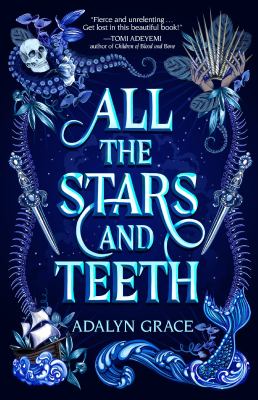
All the Stars and Teeth is a dark fantasy book set in a world of mermaids, pirates, and princesses. Written by author Adalyn Grace, the book does it’s fair share of dramatics. Where people are gifted with powers allowing for displays of power and entertainment. The world is set in a series of magical islands with each one containing a singular power. In this world, you can master numerous powers, however it will bring death and destruction if you do. To prevent this, there is a long time tradition of picking a power based on your home and only practicing that single power.
At the heart of the kingdom, Visidia, lives Amora Montara, a princess. Who wields the power of soul destroying. She is soon to be the queen but must face a trail. A trial where she will read the souls of 5 people, and determine who is truly evil. If she passes, she shall be queen. If she does not- well, let’s just say it won’t be pretty.
Under a lot of stress, she panics and her powers consume her. Killing a man and melting his body, the people of her kingdom are disgusted and scared at this display. They scream how Amora is a monster and how she must be locked away. Amora is taken to a cell, where she awaits either execution or exile. Until a pirate named Bastian comes offering help, but for a price.
There is a bigger issue besides Amora. Where a man is not only trying to master numerous powers and soul destroying, but has cultivated a mass army to take over Visidia. After realizing the stakes, Amora sets off with Bastian. However this is a book of secrets and many will be uncovered, whether Amora wants to know or not.
Personally, I thought this book was sadly average at best. I think it’s perfect for getting into fantasy and YA. However, there isn’t much to it besides the plot. The romance was good in the middle and I enjoyed the witty banter and suspense. However, I found myself bored and a bit surprised because at the end it felt so rushed over. The plot was wonderfully done, although a little lengthy at some points. The villain was also rarely seen until the end, and was a bit underwhelming despite all the characters “fearing” him.
It’s a bit confusing with the magical and political fantasy aspects, but I figured it out by the middle of the book. The plot was also extremely well written with twists and turns I kind of expected, but none the less enjoyed. It’s similar to books such as To Kill a Kingdom or Daughter of the Pirate King. I definitely enjoyed the pirate’s character and the side characters were beautifully done.
Overall this book is a 3.5 out of 5 for me. Whereas it’s perfect for beginners. I definitely think that there are better books with more in depth characters. But, if you need a quick read or are in a reading slump, this is the book for you. Easy characters, heavy plot, and a sly villain make for a simple yet intriguing story.
-Ashley Y.
All the Stars and Teeth by Adalyn Grace is available for checkout from the Mission Viejo Library.
For this recipe, you are going to need dark (almost black) bananas. The darker they are, the better the banana bread will be. If your bananas aren’t ripe enough, place them in the oven for 15 minutes at 350 degrees Fahrenheit.
Ingredients:
2 cups of almond flour (or you can use coconut flour) 1 teaspoon of baking soda ½ teaspoon of salt ½ teaspoon of cinnamon ½ cup of vegetable oil (I use olive oil) ½ cup of coconut sugar ⅛ cup of maple syrup (use ¼ to ½ cup if you want it sweeter) 2 eggs 1 teaspoon of vanilla extract 1 ⅓ cups of mashed bananas (about 3 small/medium size) Unsweetened chocolate (I use 100% cacao)
Instructions:
1. Preheat the oven to 350 degrees Fahrenheit. Grease or line a 8×4 loaf pan with parchment paper.
2. Combine flour, baking soda, salt, and cinnamon in a small bowl. (You will later add the dry ingredients to the wet ingredients)
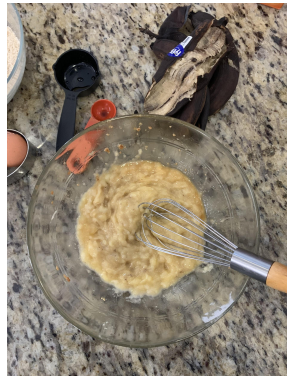
3. Combine oil and sugar in a large bowl until fluffy. You can use a hand mixer for combining to make it easier. Next, add eggs and vanilla and mix well.
4. Mash up the bananas and combine with the wet ingredients.
5. Add dry ingredients and mix just until combined.
6. Chop up your chocolate bar into small chunks and add to the mixture. Mix until evenly combined.
7. Pour mixture into loaf pan and bake for 50-60 (I bake mine at 55) minutes or until a toothpick comes out clean. Make sure not to overbake.
8. Let it cool in the pan for 5 minutes. Remove from the pan and cool completely on a rack.
Storing Bread:
The bread will last anywhere between 5-7 days. Keep it wrapped in plastic wrap, foil, or in a sealed container at room temperature.





/cdn.vox-cdn.com/uploads/chorus_image/image/53887707/lifeaquaticmain.0.jpg)











 Mission Viejo Library Teen Voice